
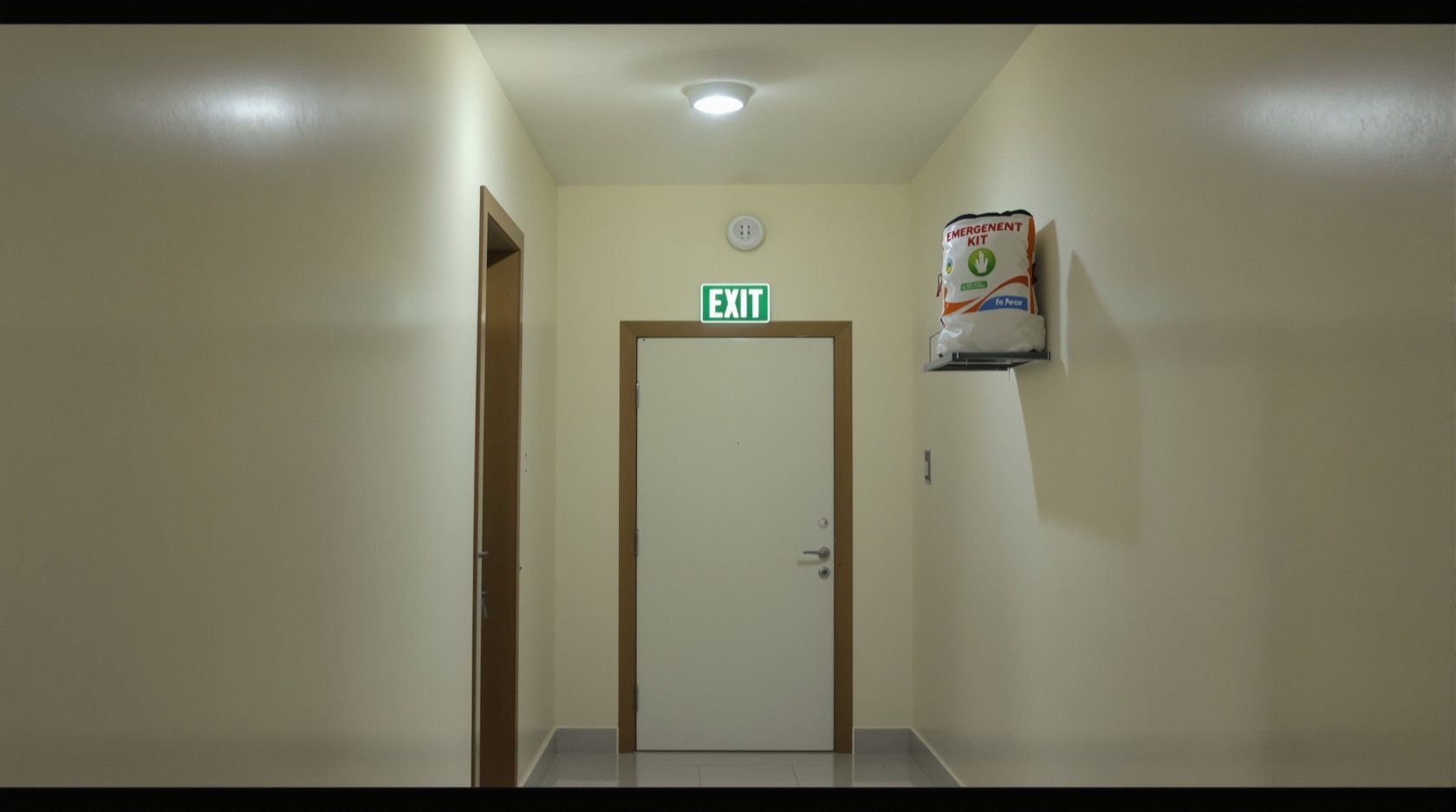
Emergency Preparedness Guide for Indian Homes
Ready your household for the emergencies that go beyond intrusion — fire, medical crises, a break-in in progress, gas and electrical faults, flooding, and region-specific quakes, floods and cyclones. Build a family plan, keep escape routes clear, assemble a go-bag, and rehearse. India-grounded, plain language.
Security is not only about keeping people out. A truly safe home is also ready for the emergencies that come from inside or from nature — a kitchen fire, a fall, a gas smell, a flooded ground floor, a tremor in the night. These are more common than break-ins, and they are the events where a few minutes of preparation and a rehearsed plan make the biggest difference to who walks out unharmed.
This guide helps you plan, decide and coordinate your household's response to home emergencies beyond intrusion. It is a companion to the ultimate guide to home security in India: that one hardens your home against people; this one prepares your family for events. The stance is simple — people first, property never. Your job is to get everyone to safety, raise the alarm, and let trained responders take over.
Scope & safety. This guide is for planning and rehearsal only. Life-safety detection and alarm systems — smoke, heat, carbon-monoxide (CO) and gas detectors, and any fire-alarm wiring — are life-safety-critical: specify them, then have a licensed professional select, install, position and certify them. The same goes for mains electrical work and electric locks. Nothing here replaces a site-specific assessment or the instructions of the emergency services.
The one rule under every emergency: get to safety, alert, then act
Whatever the scenario, the first three moves are the same. Teach the whole family this order and it will hold even under panic:
1. Get to safety. Move people out of harm first — out of a burning room, away from a gas source, up from rising water, or into a safe room during a break-in. Do this before anything else.
2. Alert. Shout to wake and warn the household, then call 112 (India's single all-in-one emergency number) and warn neighbours or the guard.
3. Act — only if it is safe. Tackle a small fire, give first aid, cut a mains supply. If in any doubt, skip straight to leaving and let responders act.
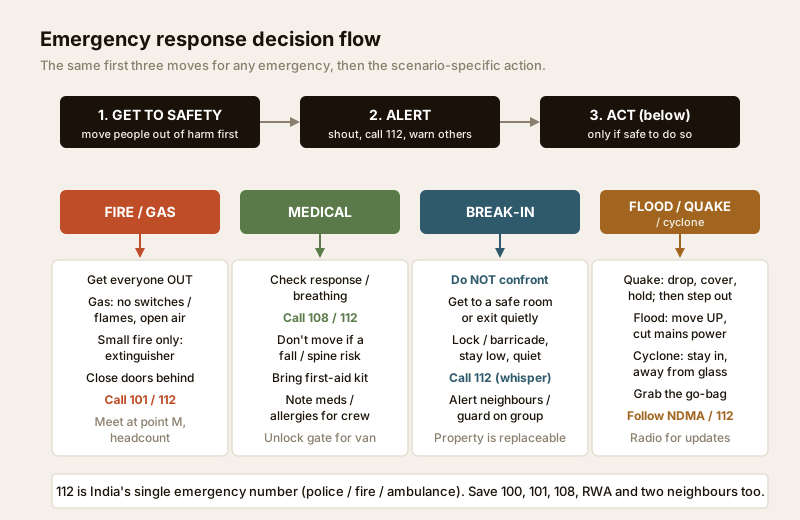
The scenarios, and how to be ready for each
Every household should think through the same short list. For each, the discipline is the same: prevent it where you can, detect it early, and have a clear response everyone knows.
Fire
The most common serious home emergency in India, and the one where seconds matter most. Kitchen fires (gas, oil), electrical faults, and unattended lamps or incense are the usual causes.
- Prevent: never leave a lit stove unattended; keep the LPG regulator turned off at night; declutter escape paths; get old wiring checked (see the electrical hub); keep a suitable extinguisher near the kitchen.
- Detect: smoke alarms are the single highest-value life-safety device you can add — one per floor and near sleeping areas. Have a professional select and place them; test monthly.
- Respond: get everyone out, close doors behind you to slow the fire, do not use lifts, and call 101 or 112. Only tackle a small, contained fire with an extinguisher if your exit is behind you. Never re-enter for belongings.
Medical emergency
A fall, a cardiac event, a severe allergic reaction, a child's accident. Speed and calm matter.
- Prevent: reduce fall risks (grab bars, lighting, clear floors) — the senior-citizen home safety guide and the children's safety guide go deep on this.
- Detect: keep a first-aid kit everyone can find, and a visible list of each member's medicines, allergies and conditions.
- Respond: check response and breathing, call 108 or 112, do not move someone after a fall if a spine injury is possible, and unlock the gate so the ambulance can reach the door. Basic first-aid or CPR training for one or two adults in the house is worth more than any gadget.
Break-in in progress (defensive response)
If you realise an intruder is inside or entering while you are home, the goal is not to confront or "catch" them. It is to keep people safe.
- Prevent: the whole of home security — see the ultimate guide and the layered security design guide.
- Detect: an alarm, a video door phone, or a barking dog usually gives the warning.
- Respond: get family into a pre-agreed safe room (a bedroom with a solid door and a bolt) or quietly out of a second exit. Lock or barricade the door, stay low and quiet, call 112 (whisper if needed), and alert neighbours or the guard on your WhatsApp group. Do not confront the intruder. Let them take what they want; property is replaceable and insurable, people are not.
Gas leak (LPG / PNG)
A distinct emergency because the wrong instinct — flipping a switch — can cause an explosion.
- Prevent: annual checks of the regulator, pipe and hose; replace hoses on schedule; keep the kitchen ventilated.
- Detect: the smell of gas, or a professionally installed gas detector for piped-gas (PNG) homes.
- Respond: do not operate any electrical switch, doorbell or lighter. Turn off the regulator if safe, open doors and windows, get everyone out, and call the gas provider's emergency line and 112 from outside.
Electrical emergency
Sparks, a burning smell, a shock, or a live appliance in water.
- Prevent: an RCCB/ELCB on your board, no overloaded boards, and periodic inspection by a licensed electrician.
- Detect: tripping, warmth at sockets, flickering, or a burnt smell are early warnings — never ignore them.
- Respond: cut power at the main switch before touching anything; never touch a person in contact with a live source — switch off first. For anything beyond flipping the main, call a licensed electrician; treat wiring as professional work.
Water and flooding
Burst tanks, blocked drains in the monsoon, or ground-floor and basement flooding.
- Prevent: clear drains before the monsoon, maintain overhead-tank floats, and keep valuables and the electrical board above likely flood levels.
- Detect: a professionally placed water-leak sensor near tanks, water heaters and low points catches slow leaks early.
- Respond: cut the mains power to any area that may flood before water reaches sockets, move people and essentials up, and follow local advisories.
Region-specific natural events
Match your plan to your location — coastal Indian homes plan for cyclones, the Himalayan and north-eastern belt and much of the country for earthquakes, and low-lying and riverine cities for floods.
- Earthquake: drop, cover and hold under sturdy furniture; stay away from glass and heavy fixtures; step outside to your meeting point only once shaking stops; expect aftershocks.
- Flood: move up and cut mains power; never wade through moving or electrified water; keep the go-bag ready.
- Cyclone: stay indoors away from windows, tape or shutter glass in advance, and follow India Meteorological Department and district (NDMA) warnings.
The scenario / action / kit matrix
| Scenario | Detect it early with | First response (people first) | Kit items that help |
|---|---|---|---|
| Fire | Smoke / heat alarm (pro-installed) | Everyone out, close doors, call 101/112, no lift | Extinguisher, torch, escape-openable grille |
| Medical | First-aid kit, meds/allergy list | Check breathing, call 108/112, unlock gate | First-aid kit, medicines, contacts card |
| Break-in | Alarm, VDP, dog | Safe room or exit, do not confront, call 112 | Charged phone, safe-room bolt, whistle |
| Gas leak | Smell, PNG gas detector | No switches, shut regulator, ventilate, get out | Torch (not switch), regulator access |
| Electrical | RCCB trip, burnt smell | Cut mains, do not touch live source | Insulated torch, mains-map card |
| Water / flood | Leak sensor, monsoon watch | Cut power, move up, follow advisories | Go-bag, waterproof pouch, radio |
| Earthquake | Shaking itself | Drop-cover-hold, then meeting point | Sturdy footwear, whistle, go-bag |
| Cyclone | IMD / NDMA warnings | Stay in, away from glass, follow alerts | Radio, water, non-perishable food |
Life-safety sensors are professional, certified work
Smoke, heat, CO, gas and water-leak sensors are the eyes of your preparedness plan — but only when they are the right type, correctly placed and reliably powered. These are life-safety devices, not DIY gadgets. A smoke alarm in the wrong spot, a CO detector near a window, or a gas sensor at ceiling height for a heavier-than-air gas can all fail silently when you need them.
Specify what you want, then have a licensed professional select certified devices, position them, wire or battery-provision them with backup for India's power cuts, and certify the install. The smart security systems guide covers how these tie into alerts and monitoring, and the security maintenance and audit guide covers keeping them tested and alive over the years.
Egress: the security rule that saves lives in a fire
Here is where home security and emergency preparedness can collide — and where getting it wrong is fatal. Grilles, gates, collapsible shutters and multi-lock doors keep intruders out. But the same hardware must never trap your family in a fire or a flood.
The non-negotiable rules:
- Every room needs two ways out where possible — a door and a window or balcony.
- Escape routes stay clear — never store cupboards, shoe racks or cycles in the path to the exit.
- Security hardware on escape openings must open from the inside without hunting for a key — use quick-release grilles, thumb-turn deadbolts, or keep a key permanently in a labelled spot beside a keyed-inside grille. A padlocked collapsible gate across your only stair is a death trap.
- The main door should open outward-free and never be double-locked from outside while people are home.
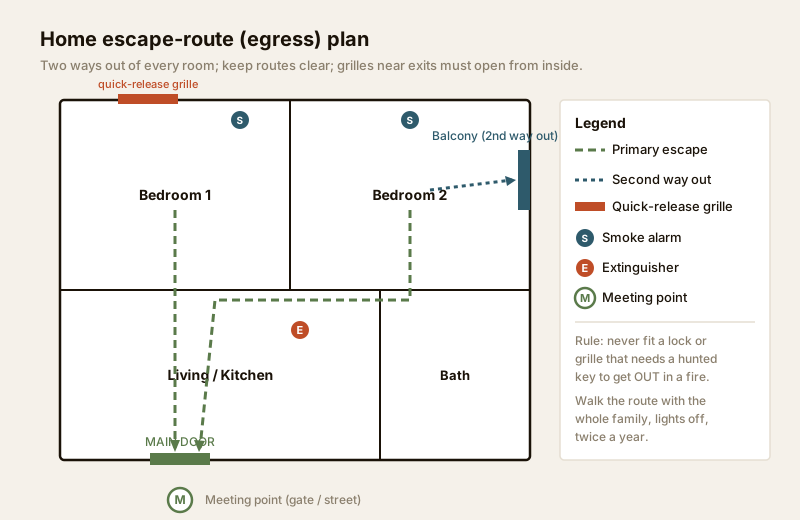
Draw your own version on paper: mark the two exits from every room, the alarms and extinguisher, and the outside meeting point. It is the single most useful thing you can make this weekend. The structural-safety guide and the layered security design guide both stress designing grilles and gates to be escape-openable from day one.
Build your family emergency plan
A plan is only real when everyone knows their part before the emergency, not during it. Sit the household down and agree:
- Roles. Who gets the children, who helps a senior or a person with reduced mobility, who grabs the go-bag, who makes the call. Assign a backup for each in case someone is out.
- Meeting point. One spot outside and clear of the building — the gate, a neighbour's, the park corner — where everyone gathers so you can do a headcount fast.
- Emergency contacts. 112 (all-in-one), 100 police, 101 fire, 108 ambulance, 1098 child helpline, plus your RWA/society office, the gate guard, two trusted neighbours and your family doctor or hospital. Save them in every phone and print a card for the fridge.
- The go-bag. A single grab-and-go bag kept near the main exit — not locked away.
- Communication for when networks fail. Agree an out-of-area relative everyone texts (texts get through when calls do not), a family WhatsApp group, and a physical fallback if phones die.
- Drills. Walk the escape routes, lights off, twice a year. Time it. Fix whatever slowed you down.
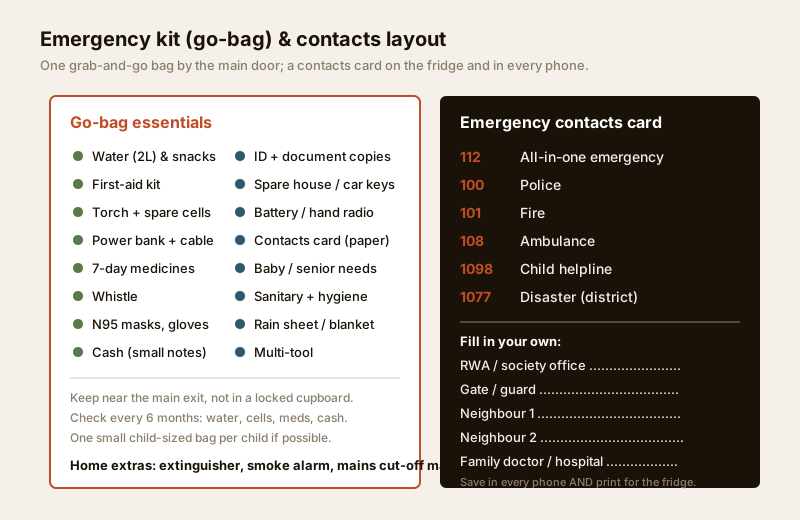
Household emergency plan and contacts template
Copy this into a note and onto a printed card; fill the blanks as a family.
| Field | Your entry |
|---|---|
| All-in-one emergency | 112 |
| Police / Fire / Ambulance | 100 / 101 / 108 |
| Child helpline / Disaster (district) | 1098 / 1077 |
| RWA / society office | __________________ |
| Gate / guard | __________________ |
| Neighbour 1 / Neighbour 2 | __________ / __________ |
| Family doctor / nearest hospital | __________________ |
| Out-of-area contact (text hub) | __________________ |
| Gas provider emergency line | __________________ |
| Meeting point | __________________ |
| Who helps children / seniors | __________________ |
| Who grabs the go-bag / makes the call | __________________ |
| Mains cut-off locations (power / gas / water) | __________________ |
The emergency kit (go-bag)
Keep one bag, near the exit, checked every six months. The essentials: drinking water and snacks, a first-aid kit, a torch with spare cells, a power bank, at least seven days of any regular medicines, a whistle, N95 masks and gloves, small-denomination cash, copies of ID and documents in a waterproof pouch, spare keys, a battery or hand-crank radio, and the printed contacts card. Add for your household: baby supplies, senior aids, hygiene items, and a rain sheet.
Coordinate with neighbours, RWA and society
Emergencies rarely stop at your door. A prepared building is far safer than a prepared flat:
- Share plans. Agree meeting points and roles at the society level; know which neighbours have first-aid training or medical needs.
- Common systems. Push the RWA to maintain the building's fire extinguishers, hose reels, alarm and clear stairwells — and to keep fire exits and terrace doors unlocked-from-inside, never chained. The gated-communities security guide and apartment security guide cover this coordination.
- Guard briefing. The gate guard should know how to call the services, open the gate for an ambulance or fire engine fast, and raise a building-wide alert.
- Drill together. Organise an annual society-wide fire drill through the RWA.
When to bring in a professional
Plan, decide and coordinate these yourself — but do not select, wire, place or certify them yourself:
- Fire, smoke, heat, CO and gas detection and alarm — life-safety-critical; a licensed professional must specify certified devices, position them correctly and commission them to the National Building Code fire-and-life-safety provisions and local bye-laws.
- Mains electrical work and RCCB/board changes — a licensed electrician only (see the electrical hub).
- Electric locks and access control on escape routes — must be designed to fail safe (unlock) in a fire; specify, then use a licensed installer.
- Structural egress and safe rooms — grilles, gates and safe-room doors must be anchored and escape-openable; use a competent fabricator working to a proper detail, per the structural-safety guide.
Your job is to know the scenarios, set the brief, build the family plan, and rehearse. Their job is to make the detection and hardware safe, certified and reliable. For the wider picture of a healthy, safe home, the healthy homes guide is a good companion, and the whole subject is mapped in the security knowledge hub.
Key takeaways
- People first, property never. Get to safety, alert (112), then act only if it is safe. Never confront an intruder; never re-enter a fire for belongings.
- Prevent, detect, respond for every scenario — fire, medical, break-in, gas, electrical, water and your region's natural events.
- Egress is sacred. Two ways out of every room, routes kept clear, and security hardware that opens from inside without a hunted key.
- Make the plan real — roles, a meeting point, a printed contacts card (112, 100, 101, 108, RWA, neighbours), a go-bag by the door, and drills twice a year.
- Route life-safety sensors and alarms to licensed professionals, and coordinate with your neighbours and RWA so the whole building is ready.
References
- National Building Code of India (SP 7), Bureau of Indian Standards — fire and life-safety provisions relevant to detection, alarms, egress and safe rooms; verify the current edition via the BIS catalogue.
- National Disaster Management Authority (NDMA) household preparedness guidance for earthquakes, floods and cyclones, and India Meteorological Department (IMD) warnings — check the current official advisories for your region.
- Local municipal fire-safety bye-laws, your gas provider's emergency procedures, and your housing society's fire and evacuation rules — confirm your city and society specifics.
This is an educational overview for planning, decision-making and rehearsal. Fire, smoke, CO and gas detection and alarm, mains electrical work, electric locks on escape routes and structural egress elements are qualified professional work — engage licensed professionals for selection, installation, positioning and certification, follow the emergency services' instructions during any real event, and verify any standard's current status via the BIS catalogue before relying on it.
Export this guide
Related Guides — Deep-dive reading
Emergency-Evacuation Planning for a Secure Indian Home
The flip side of keeping intruders out is getting your family out. Map primary and secondary escape routes from every room, make sure your security hardware can never trap anyone, fix a muster point, and drill it — the evacuation plan every secure home needs.
SecuritySecurity for People Living Alone in India (2026): Calm, Practical Habits When There Is No Second Person to Notice
Living alone is an ordinary and growing part of Indian life - the student in a new city, the working single, the elder whose children are abroad, the person after a separation. It does not call for fear. It calls for a few deliberate habits, because there is no second person in the home to notice trouble, raise the alarm, or catch an accident. This is calm self-reliance, layer by layer.
SecurityFail-Safe vs Fail-Secure Locks: The Guide (India 2026)
Why fail-safe vs fail-secure is the single most important access-control decision, and how to get it right for every door.
Home Doors & EntrancesRelated Tools — Try Free
Electrical Safety & Load Audit
Home electrical audit — 10 categories, 65+ checkpoints across earthing, RCCB, MCB, wiring, switchboards, appliance circuits, DG/inverter backup.
Safety AuditChild & Elder Home-Safety Audit
Room-by-room safety audit for households with children or seniors — 10 categories, 70+ checkpoints tagged by audience.
Safety AuditMonsoon-Readiness Checklist
Pre-rain home audit across 9 categories — terrace, drains, waterproofing, electrical, HVAC, pest, vehicles, documents.
Seasonal Audit