
Wellness & Biophilic LandscapesVolume 1 · Issue 4 · September 2026
Landscapes That Heal the Mind
Green space is not a luxury — research links it to lower stress, restored attention and better mental health. This is the 9-guide library on designing the outdoors for wellbeing: the science, the gardens that heal, the spaces for meditation, forest bathing and the senses, and a way of living with nature — written for the Indian home, from a bungalow to a balcony.
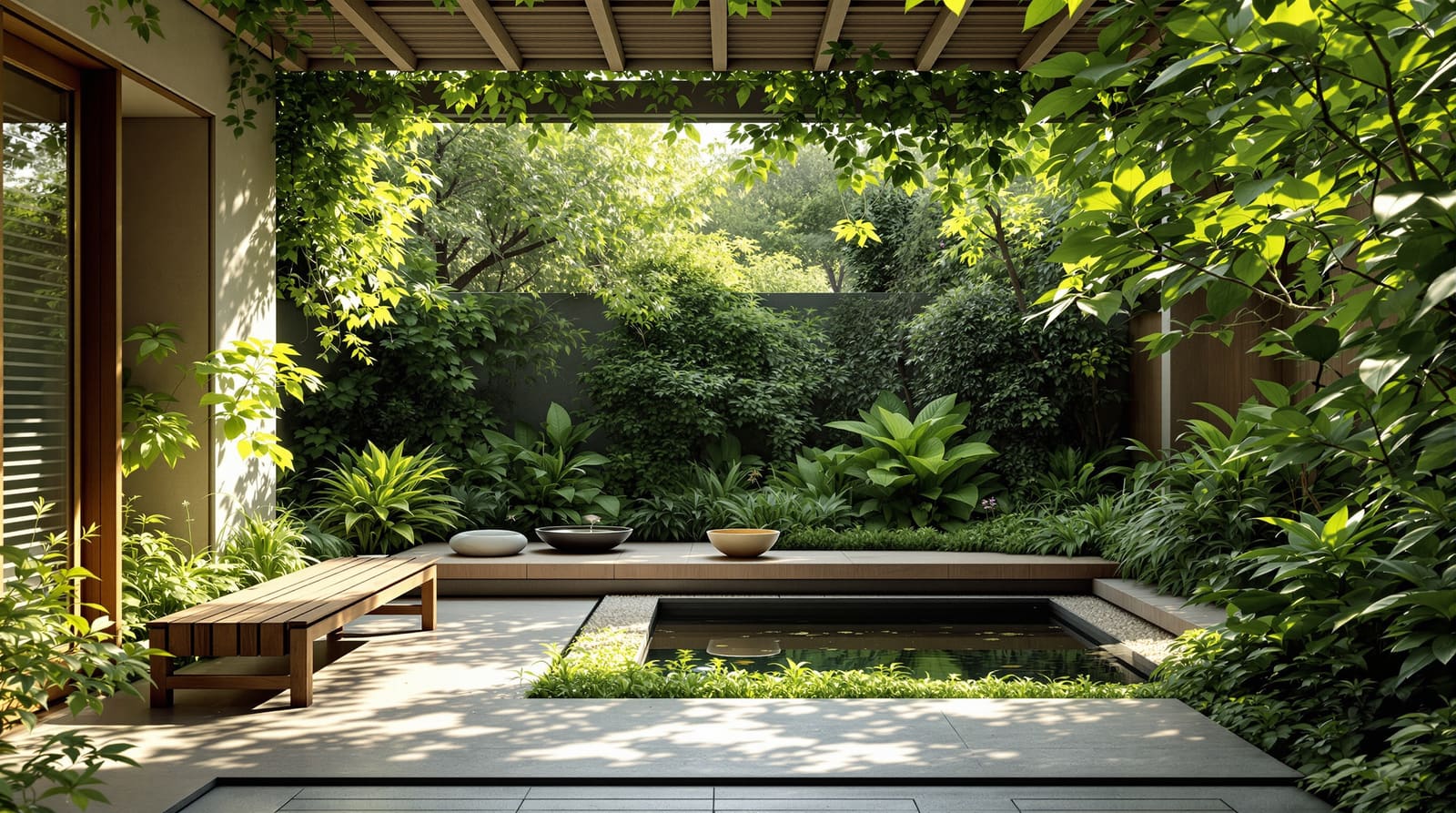
Landscape Design for Mental Wellbeing
How outdoor space shapes mental health — the research (Kaplan, Ulrich, Wilson, prospect-refuge) and a practical eight-principle framework for designing a wellbeing-supportive garden, courtyard or balcony in India, plus where to go deeper into healing, meditation, sensory and forest-bathing gardens.
Read itGardens that heal
Restorative & therapeutic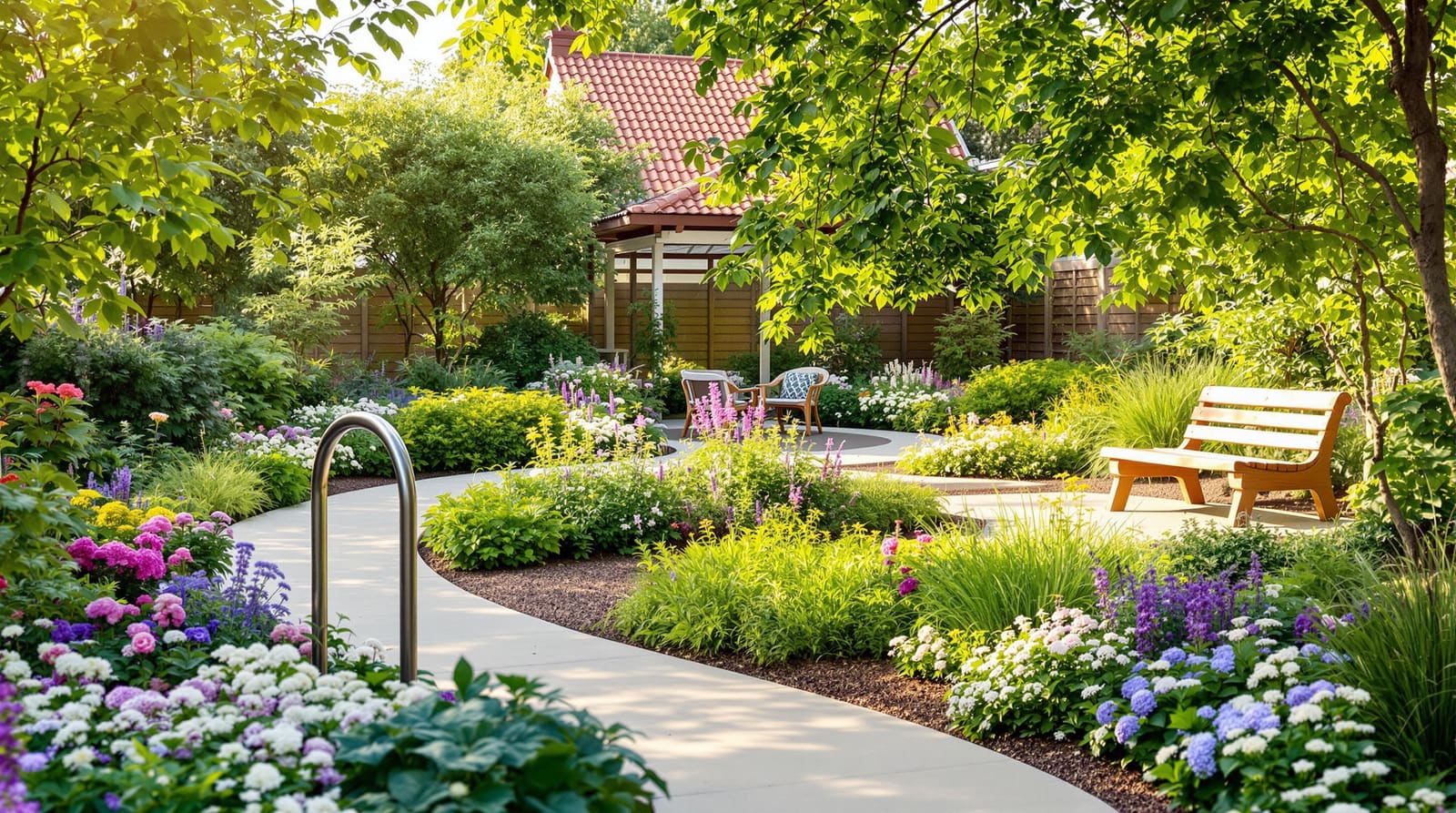 Therapeutic01
Therapeutic Landscapes Explained
What a therapeutic landscape is — Gesler's idea of places that heal through their physical, social and symbolic qualities — and how to design targeted, evidence-based therapeutic gardens at home for the elderly, dementia, rehabilitation and neurodiverse users, with horticultural therapy for Indian families.
 Healing02
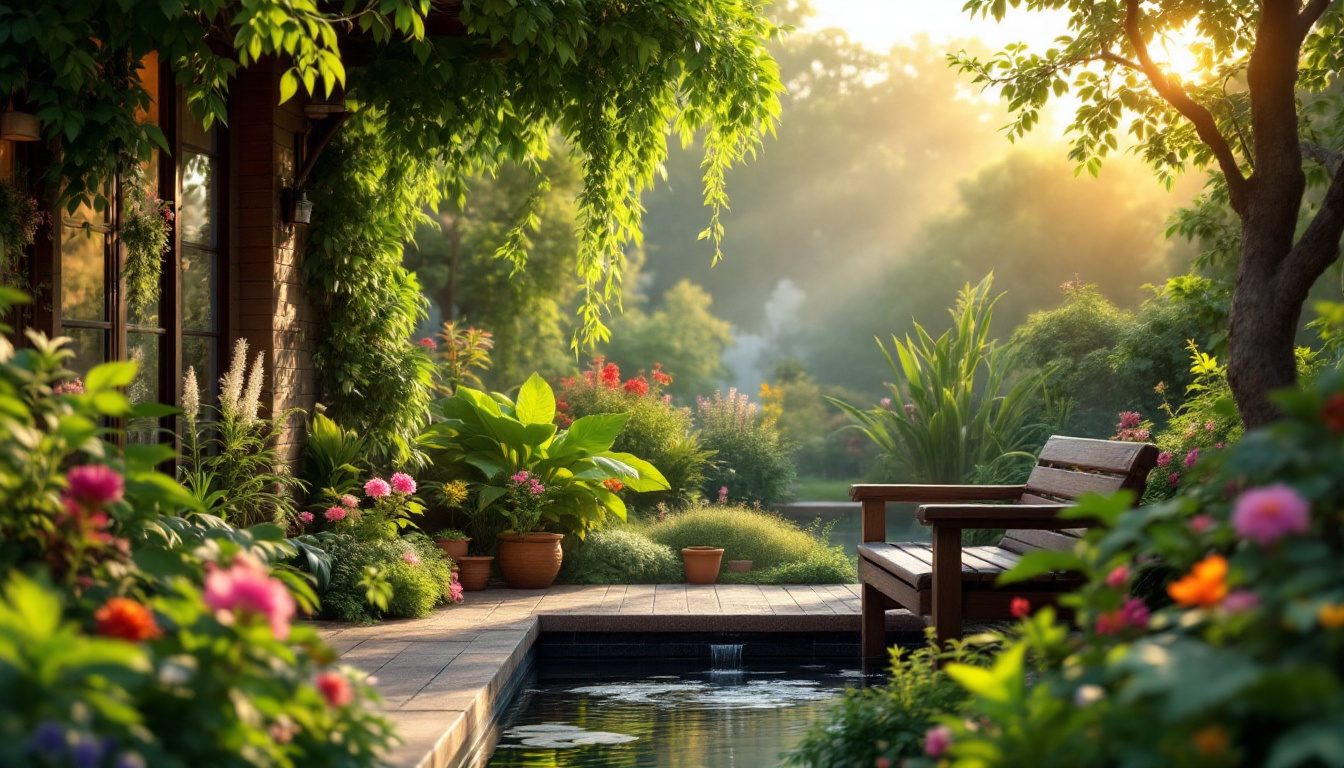
Healing Gardens: Designing Restorative Outdoor Space for Home
How to design a restorative, contemplative healing garden at home in India: the science of why green space lowers stress (Ulrich, the Kaplans, cortisol data), seven design principles, an Ayurvedic-aromatic plant palette, and layouts for the elderly and mental wellbeing.
 Restorative03
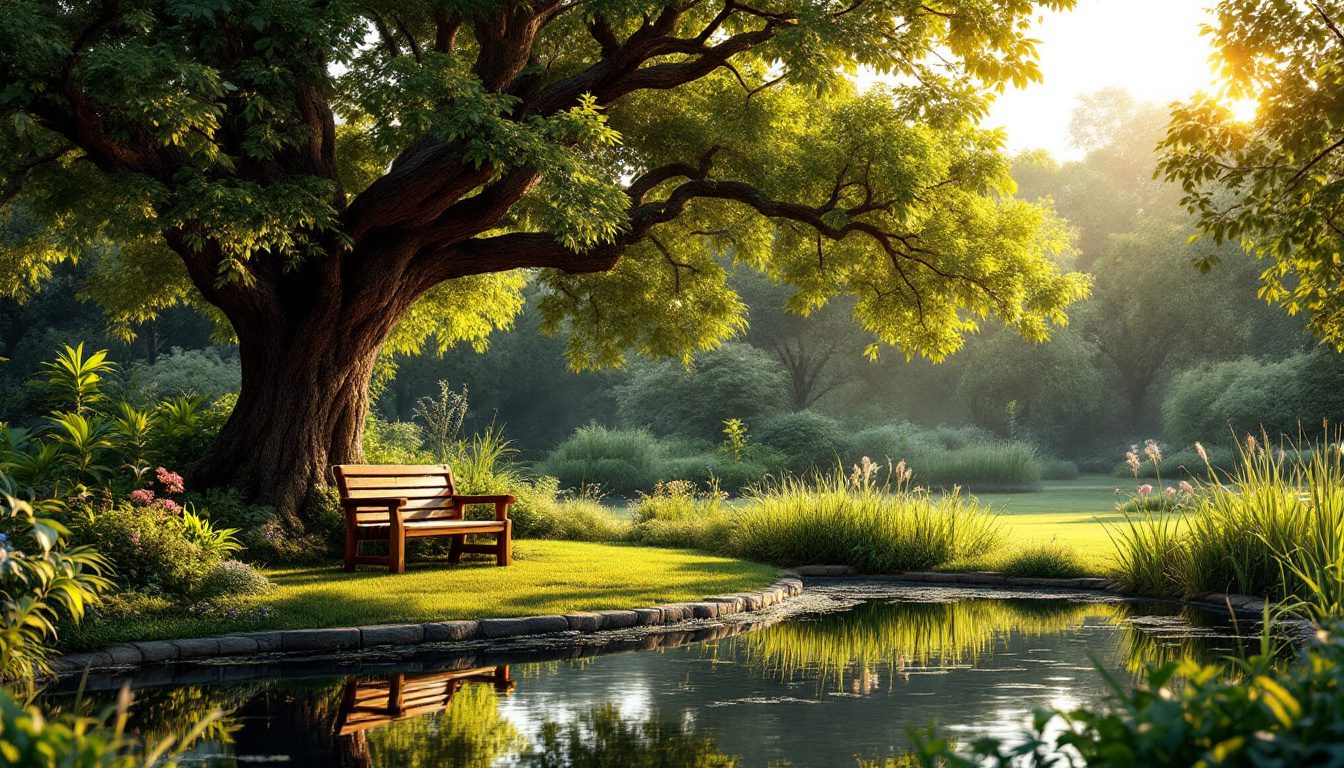
Why Some Gardens Feel Peaceful — The Science and Art of Restorative Outdoor Space
Some gardens calm the nervous system within minutes and others do nothing. Why gardens feel peaceful is measurable, in cortisol, attention and recovery time, and designable into an Indian balcony, courtyard or plot. The pillar of the Studio Matrx Landscape cluster.
Spaces for practice
Meditation, forest, senses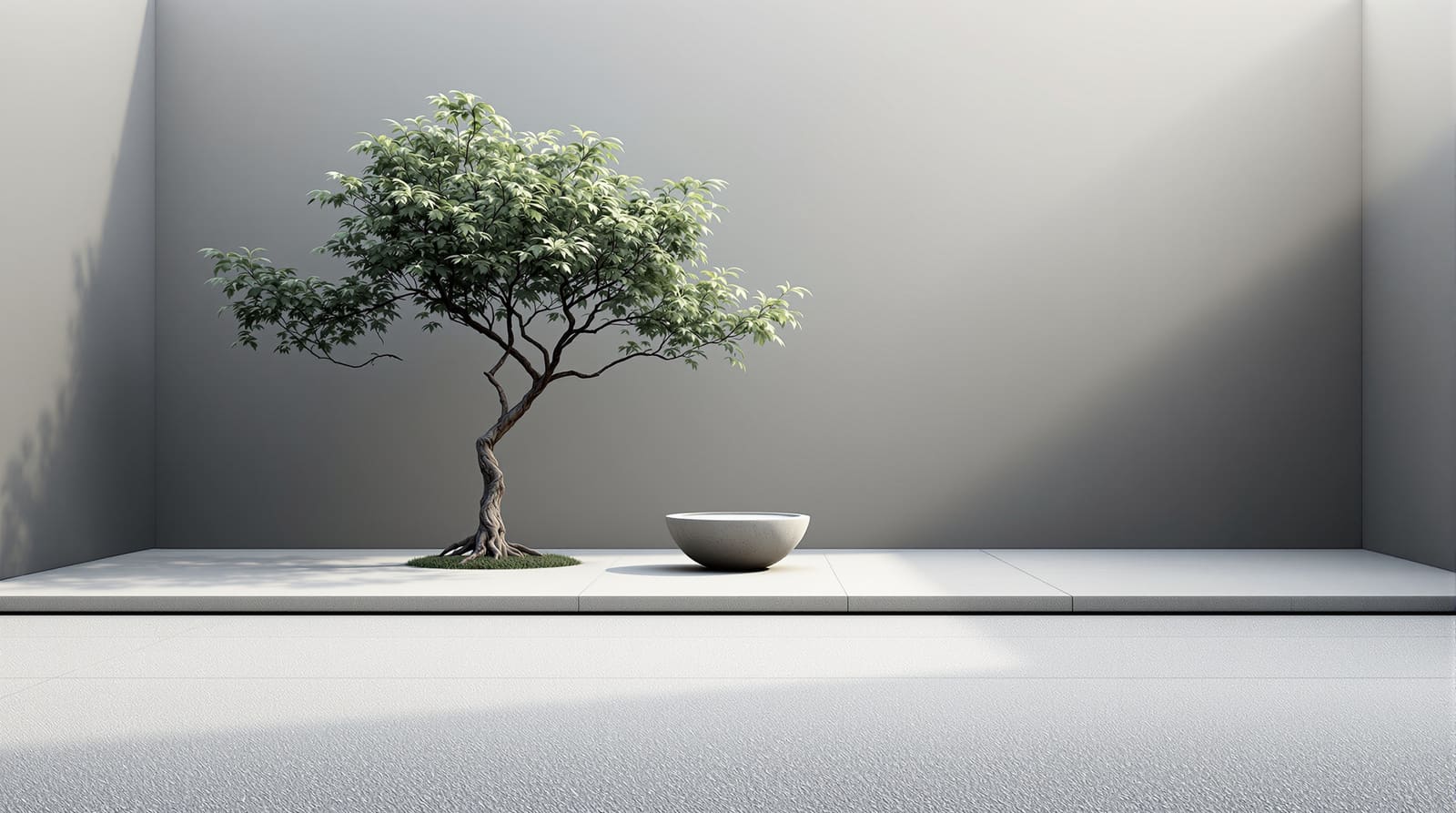 Meditation04
Meditation Garden Design
How to design a meditation garden in India — drawing on Japanese Zen and India's temple, ashram and tulsi-courtyard traditions; the anatomy of enclosure, a single focal point and a sitting place; a quiet low-stimulation plant palette; and a contemplative corner for the smallest balcony.
 Forest bathing05
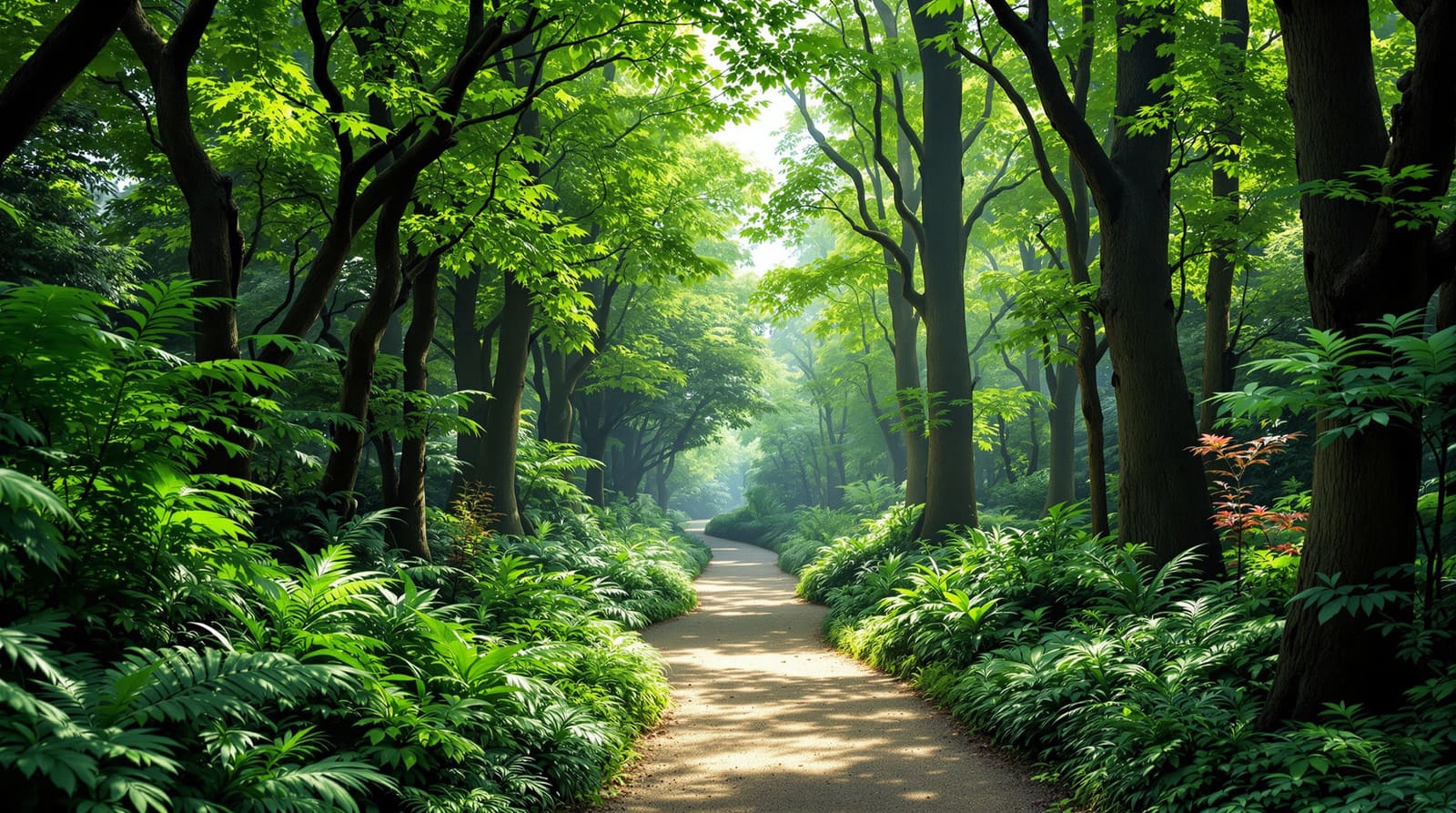
Forest Bathing and Home Landscapes
How to bring shinrin-yoku — forest bathing — home in India: the science of phytoncides and a calmer nervous system, how to build a layered native micro-forest (including the Miyawaki method) on a small plot, and the slow multi-sensory walk that turns a garden into a forest.
 Sensory06
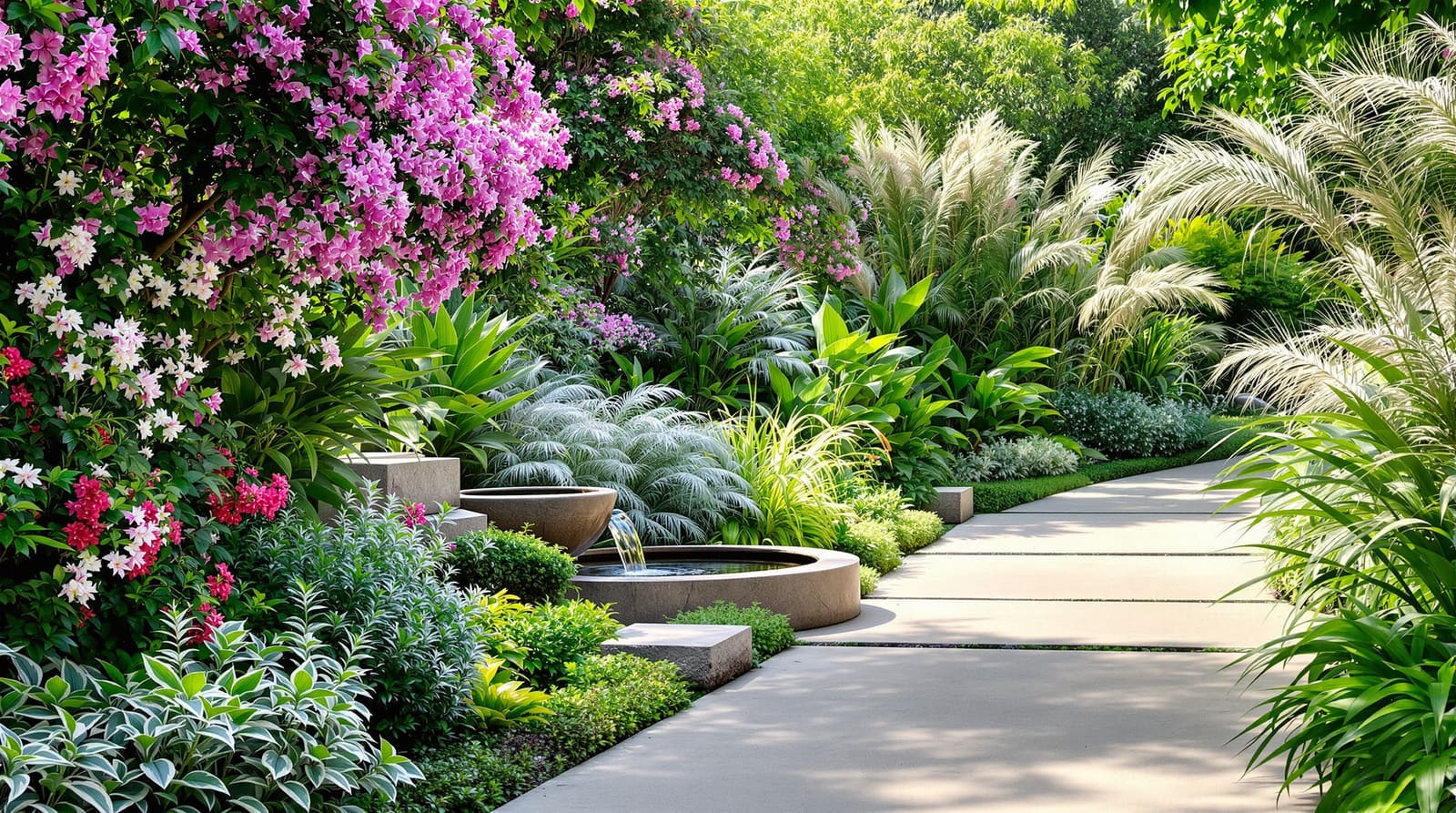
Sensory Gardens Explained
What a sensory garden is and how to design one in India — engaging sight, smell, sound, touch and taste with the right Indian plants, inclusive accessible design for children, the elderly, neurodiverse and low-vision users, the balance of stimulation and retreat, and a five-sense balcony version.
Wellbeing is not one garden — it is a daily relationship with nature
The most restorative outdoor space is the one you actually use, every day. These two guides turn the garden from something you admire into something you live — the dose of nature, the daily rituals, and the outdoor rooms that hold them.
Nature-Based Living
Nature-based living is a daily relationship with nature, not one admired garden — the dose of nature (20-5-3), and the everyday Indian home rituals of indoor-outdoor flow, growing food, inviting wildlife and seasonal living, scaled honestly from a bungalow to an apartment balcony.
16 min readDesigning Outdoor Wellness Spaces
How to design outdoor wellness spaces for movement, ritual and wellbeing: yoga and meditation decks, plunge pools and water, outdoor showers, barefoot paths, fire pits and star decks, tuned to India's heat, monsoon, privacy and three generations, with the green-exercise and blue-space evidence behind it.
19 min read