
Lift & Staircase SecurityVolume 1 · Issue 4 · September 2026
Up and Down
The lift and the staircase are how everyone moves between floors — residents, visitors, and anyone who should not be there. They are the security world’s hardest balance: they must stay open for escape, yet must not be an uncontrolled route to any floor or the terrace. This library secures both — control who reaches which floor, watch the pinch points, keep help reachable, design out the blind spots — while holding one rule above all: nothing here may ever lock a person in or block the way out.
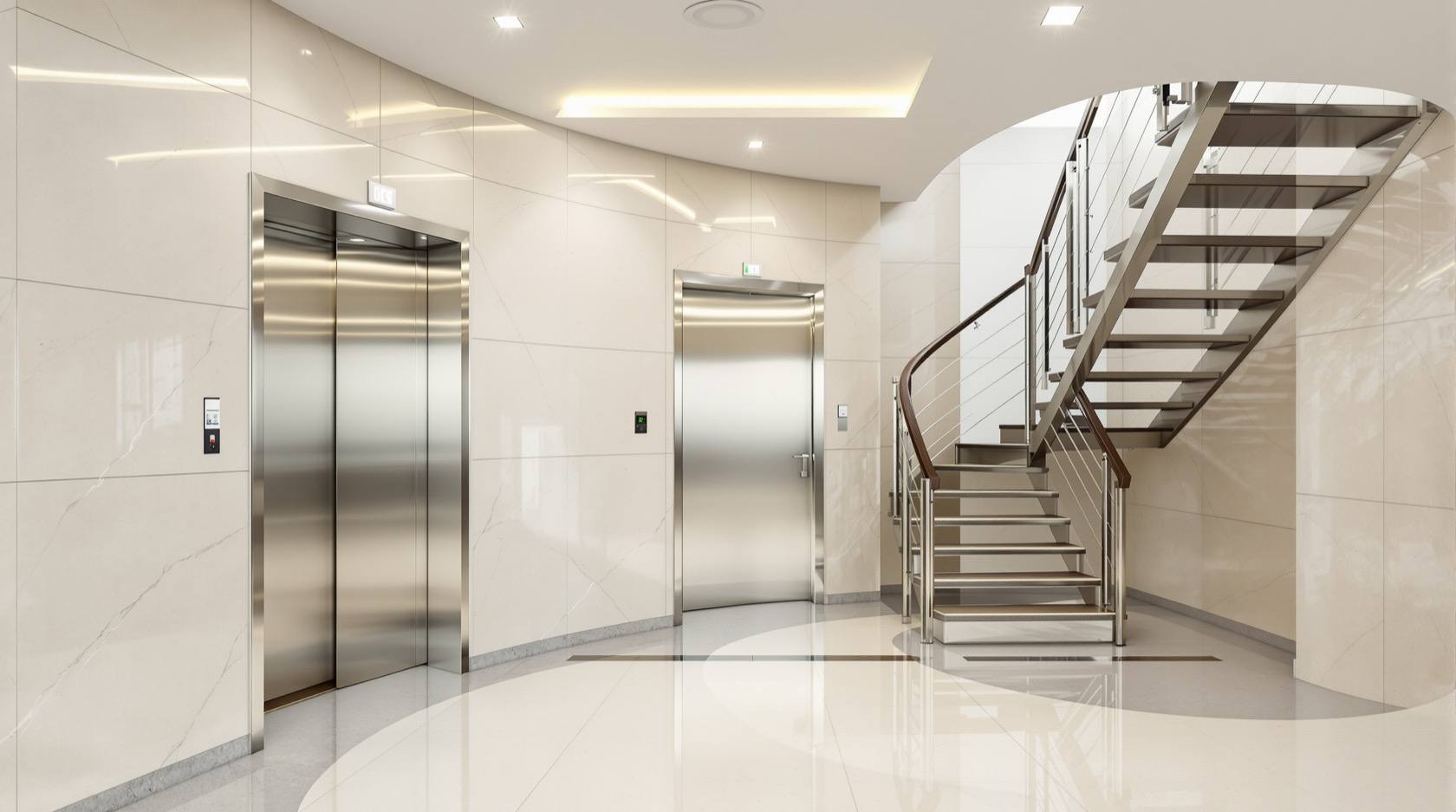
Lift and Staircase Security in India (2026): The Complete Guide to Securing Vertical Circulation
The lift and the staircase are how everyone moves between floors, and how an intruder does too. This pillar guide shows how to secure vertical circulation, controlling access, watching pinch points, keeping help reachable, without ever blocking escape.
Read itThe lift
Car, access, floor restriction, comms & lobby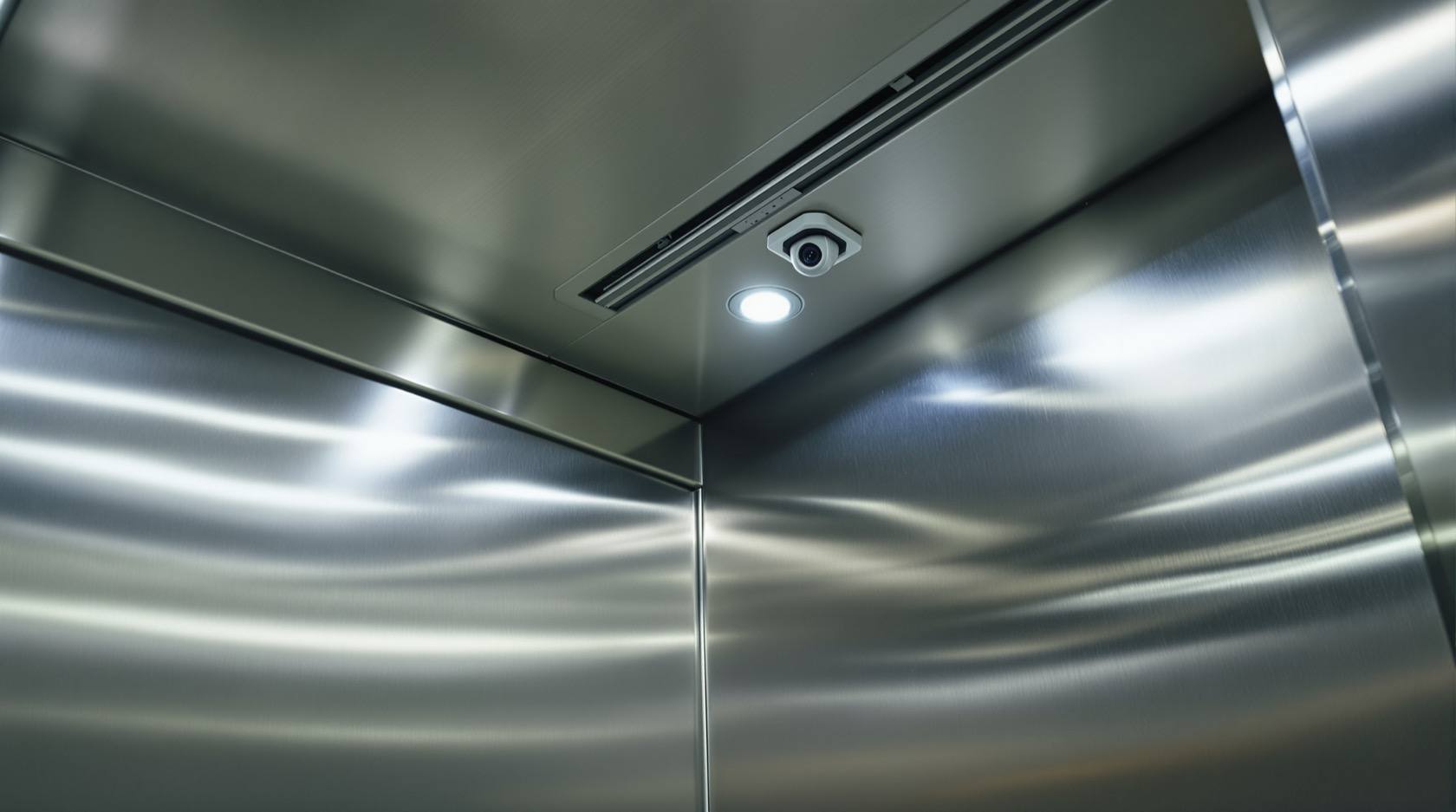 Lift CCTV01
Lift CCTV in India (2026): The Camera Inside the Car
A lift car is an enclosed, unwatched box where incidents happen with no witness. This guide explains why a lift CCTV camera matters, how the car camera differs from ordinary indoor CCTV, how its picture leaves a moving car, and how to keep it lawful and safe.
 Access control02
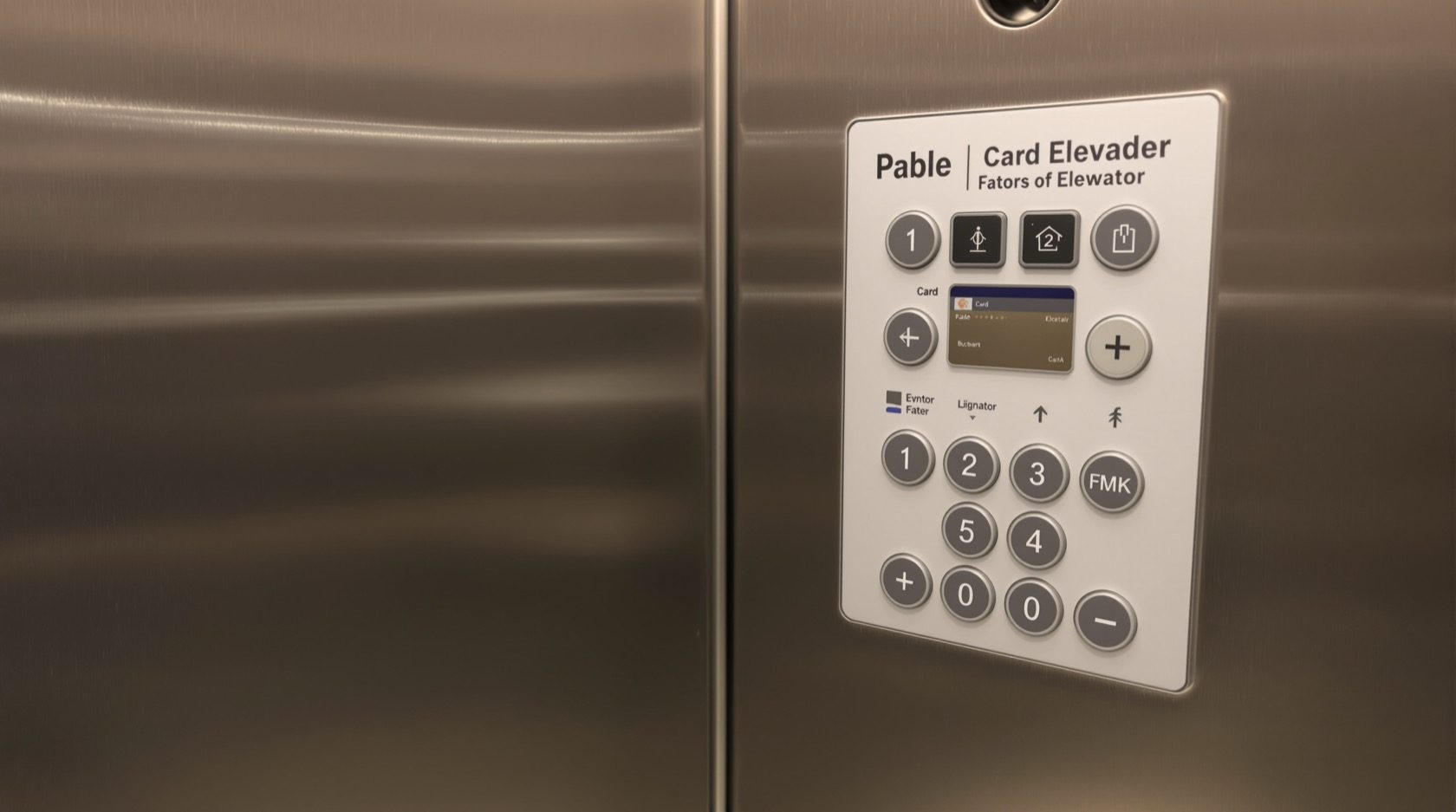
Lift Access Control in India (2026): Restricting Floors Safely
Lift access control restricts which floors a card, phone or biometric can reach, so a resident, employee or hotel guest gets only their floor plus common areas. This guide explains how it works, integration with the building system, and why fire recall and stair egress must always win.
 Floor restriction03
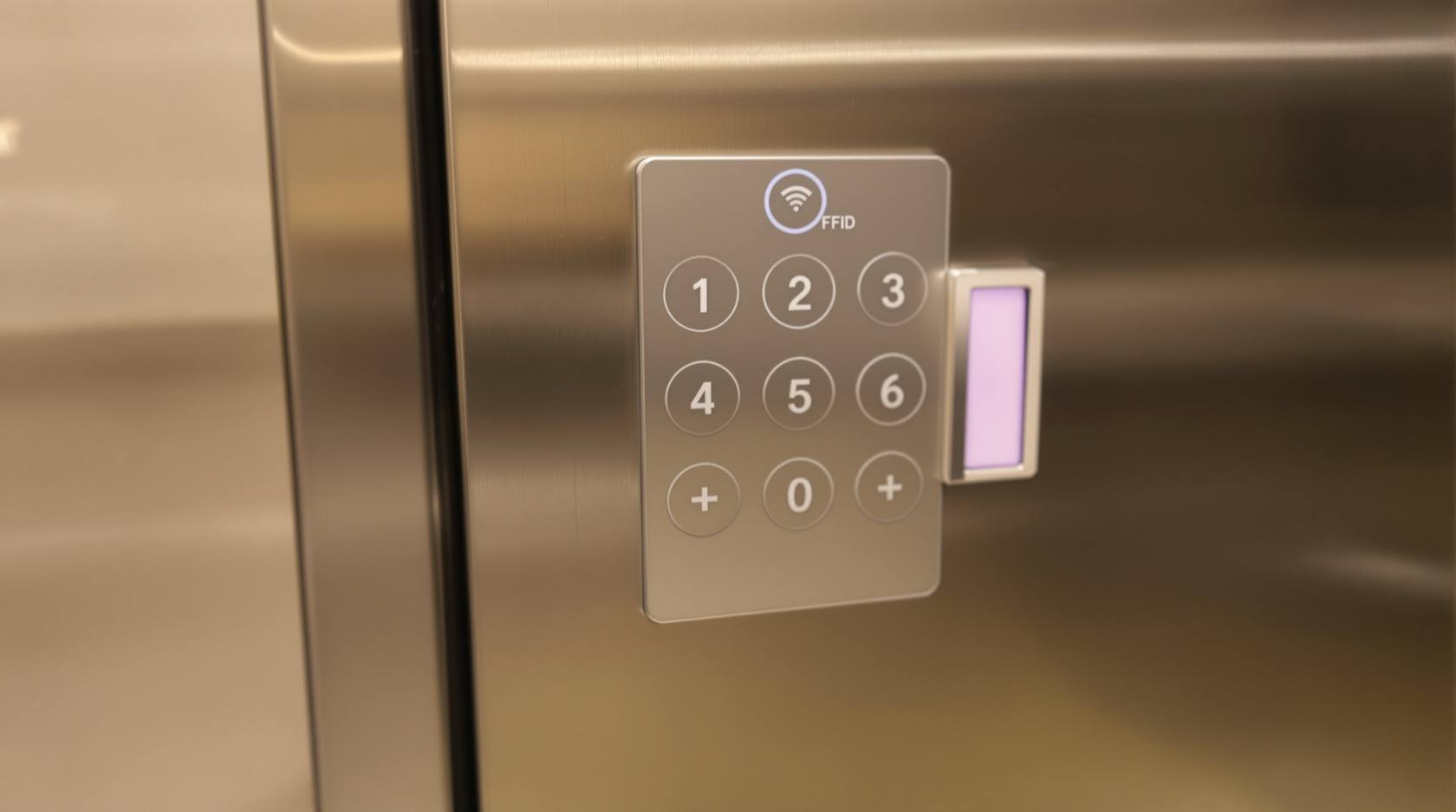
Floor-Restricted Lift Access in India (2026): Controlling Which Floors a Rider Can Reach
Floor-restricted lift access controls which floors a rider can select, so a resident reaches their own floor plus the commons and a visitor reaches only the floor they are visiting. This guide explains how it works and why fire recall and stair egress must always override it.
 Emergency comms04
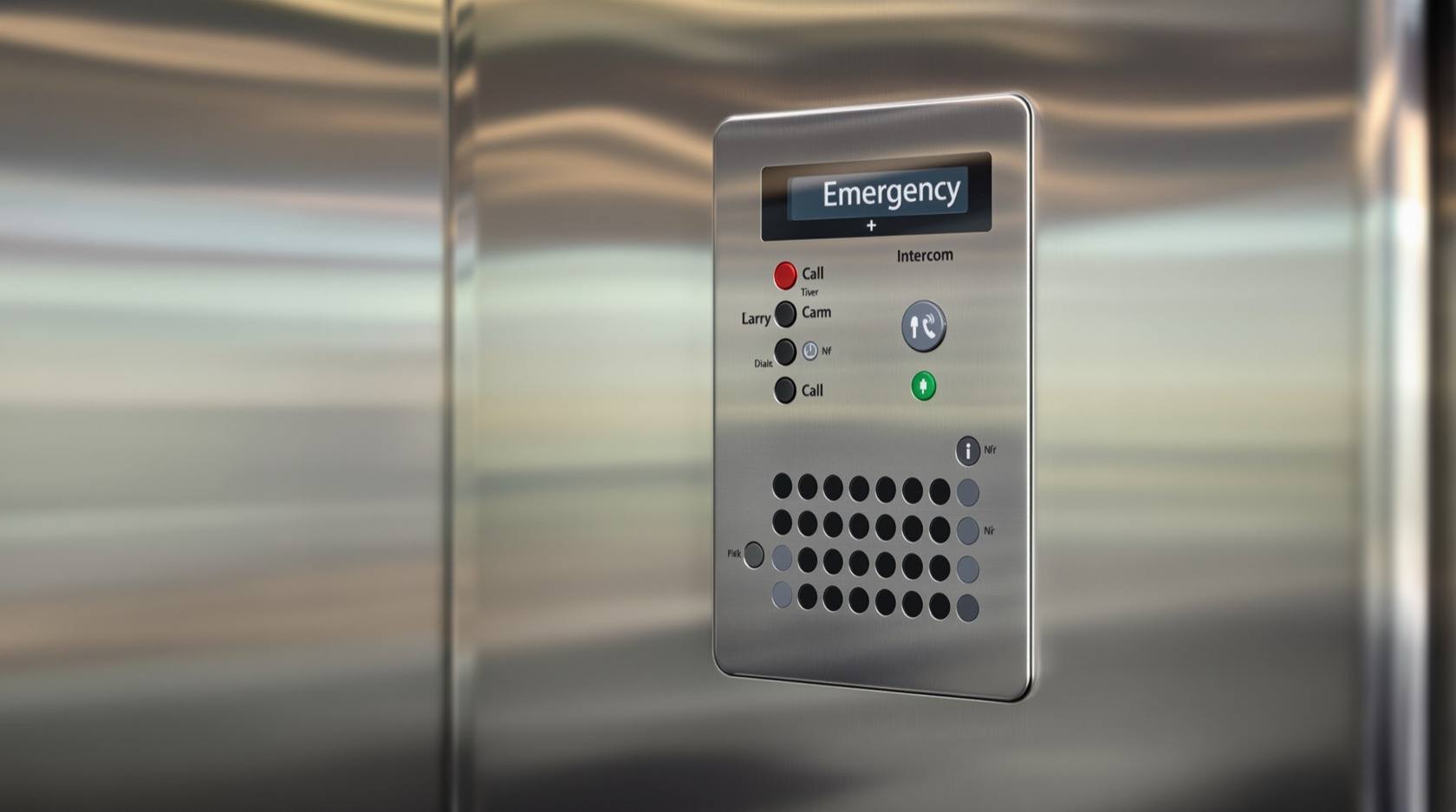
Lift Emergency Communication in India (2026): The Phone That Must Answer
Lift emergency communication is what lets a trapped person reach help: an alarm, two-way voice to a manned point that answers 24x7, and backup power for the moment the mains fails. This guide covers the components, the responder behind them, and the testing habit that keeps them alive.
 Lift lobby05
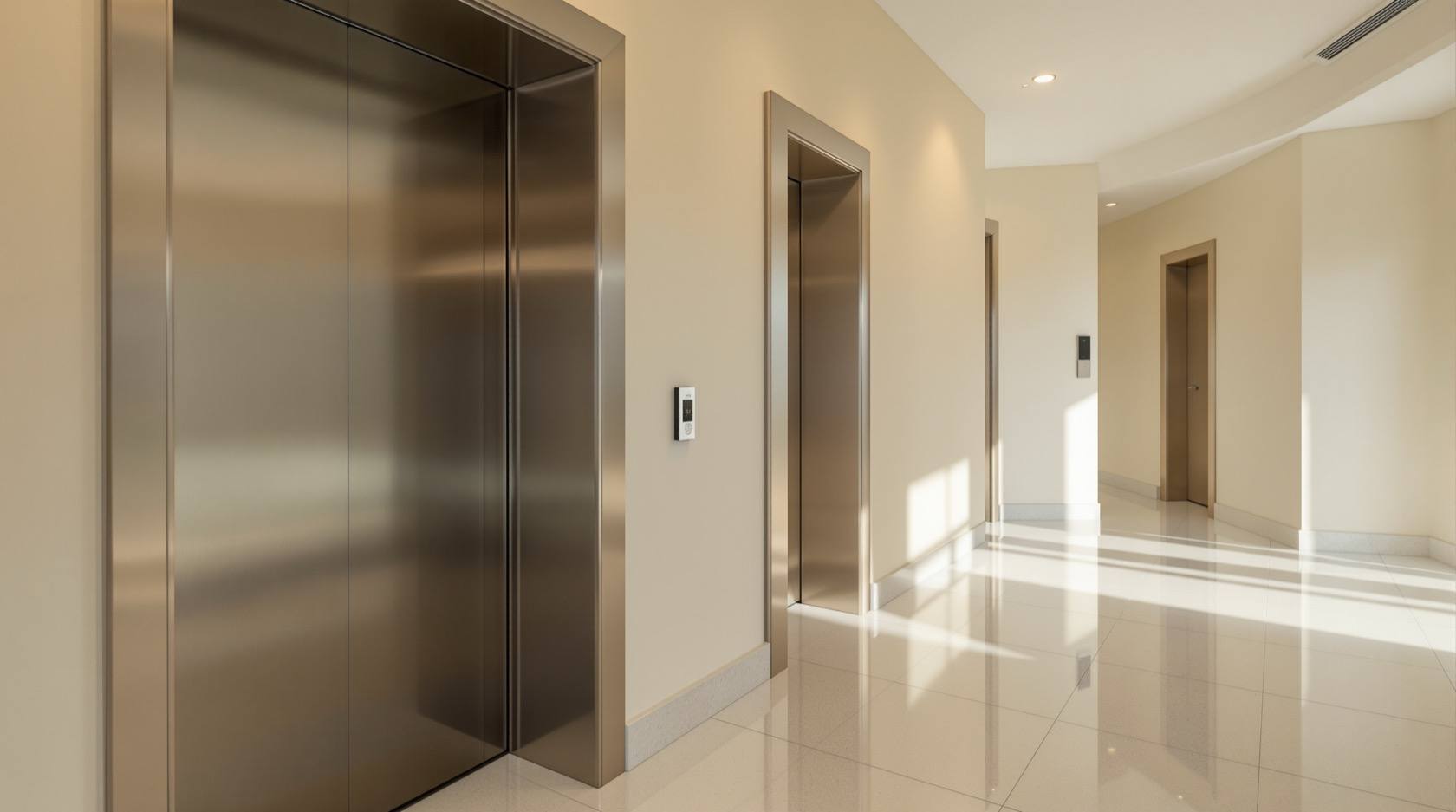
Lift Lobby Security in India (2026): The Control Point Where Public Becomes Private
The lift lobby is the control point where public becomes private, where tailgating and a waiting resident's vulnerability meet. This guide covers entrance and upper-lobby access control, VDP verification, CCTV, lighting, sightlines and fail-safe egress for Indian buildings.
The lift is an enclosed box that quietly carries anyone to any floor. Give it a camera that is actually watched, control who rides and which floors they can reach, and make sure a trapped person can always reach help — all without ever compromising fire recall or the lift’s own safety systems. Next: the stairs.
The stairs
CCTV, access, fire-stair, blind spots & terrace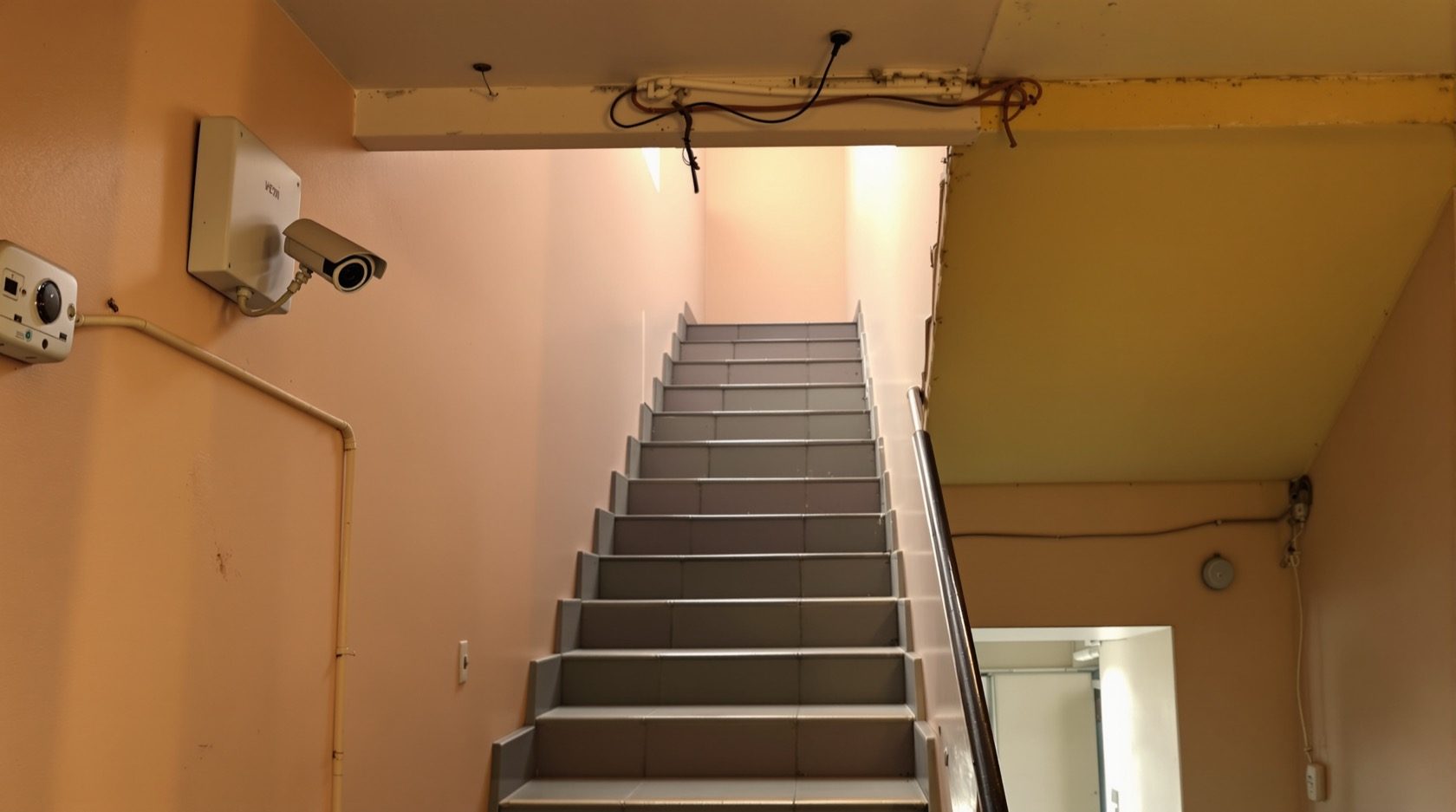 Staircase CCTV06
CCTV Placement Staircase Guide (India 2026): Watch the Flight Without Blocking the Escape
Mount a staircase camera on the landing wall so it reads faces going up and down the flight, never blocking the escape route or handrail. How to place it, beat the dim backlit stairwell, and handle society common-stair consent.
 Stair access07
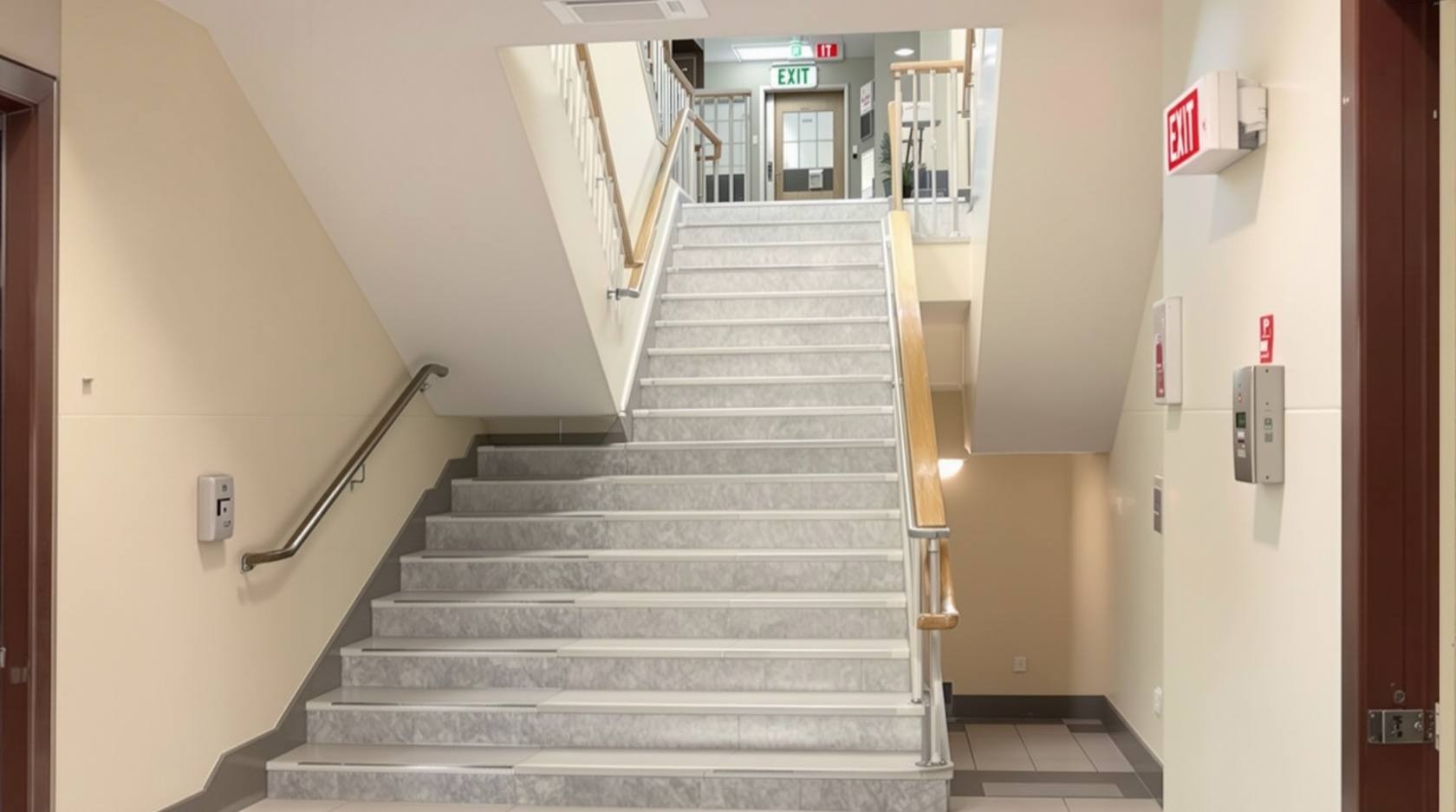
Staircase Access Control in India (2026): Securing the Stair Without Locking In Escape
You can never simply lock a stair - it is the primary means of escape. Staircase access control means controlling who can enter the stair from a floor while guaranteeing free exit for anyone inside. This guide covers free-egress hardware, fail-safe locks and fire coordination.
 Fire stair08
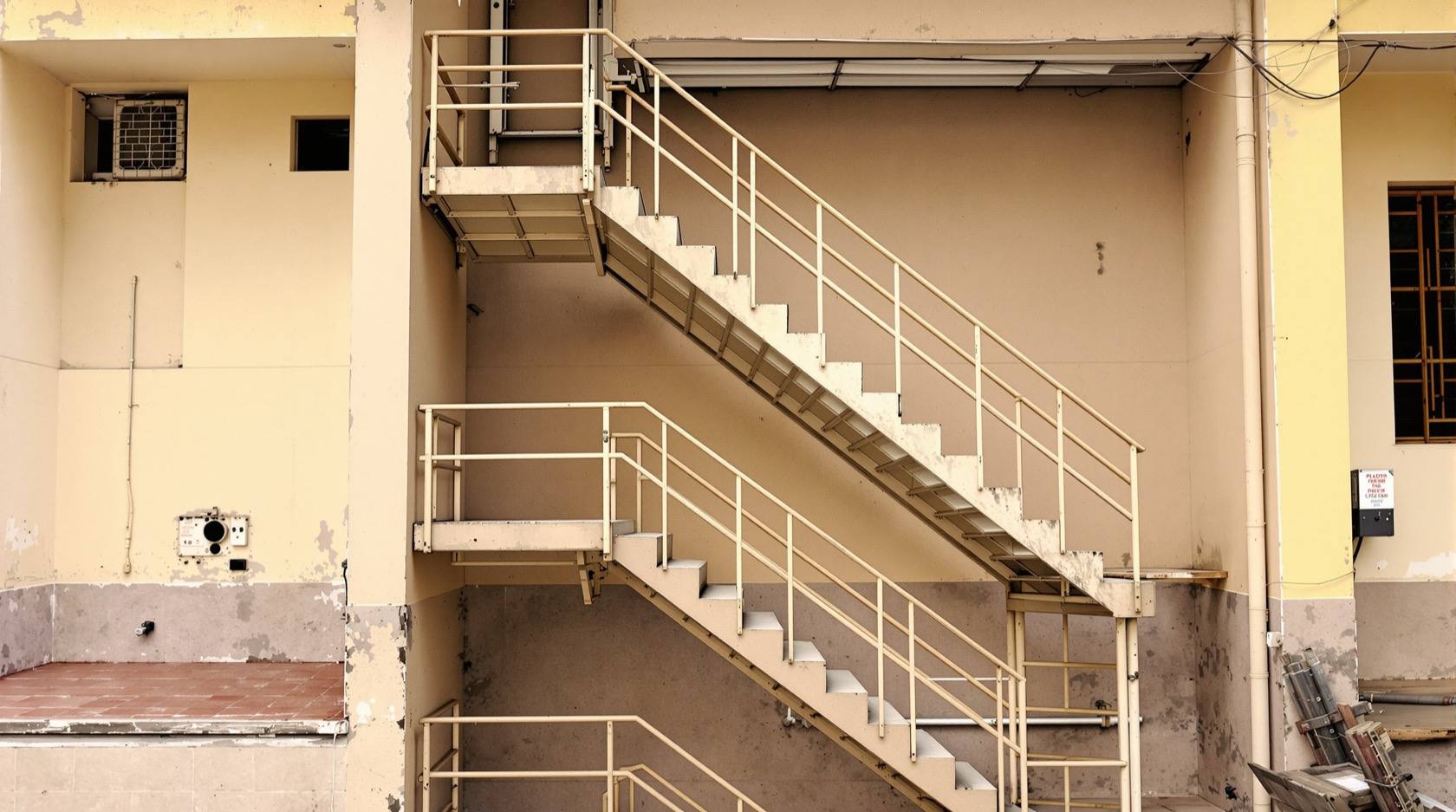
Fire-Stair Security in India (2026): Securing the Escape Stair Without Ever Locking People In
A fire-escape stair must open instantly for escape yet is abused as an intruder route, a loitering spot and a junk store. This guide sets out the lawful ways to secure it without defeating egress — and the one thing you must never do.
 Emergency release09
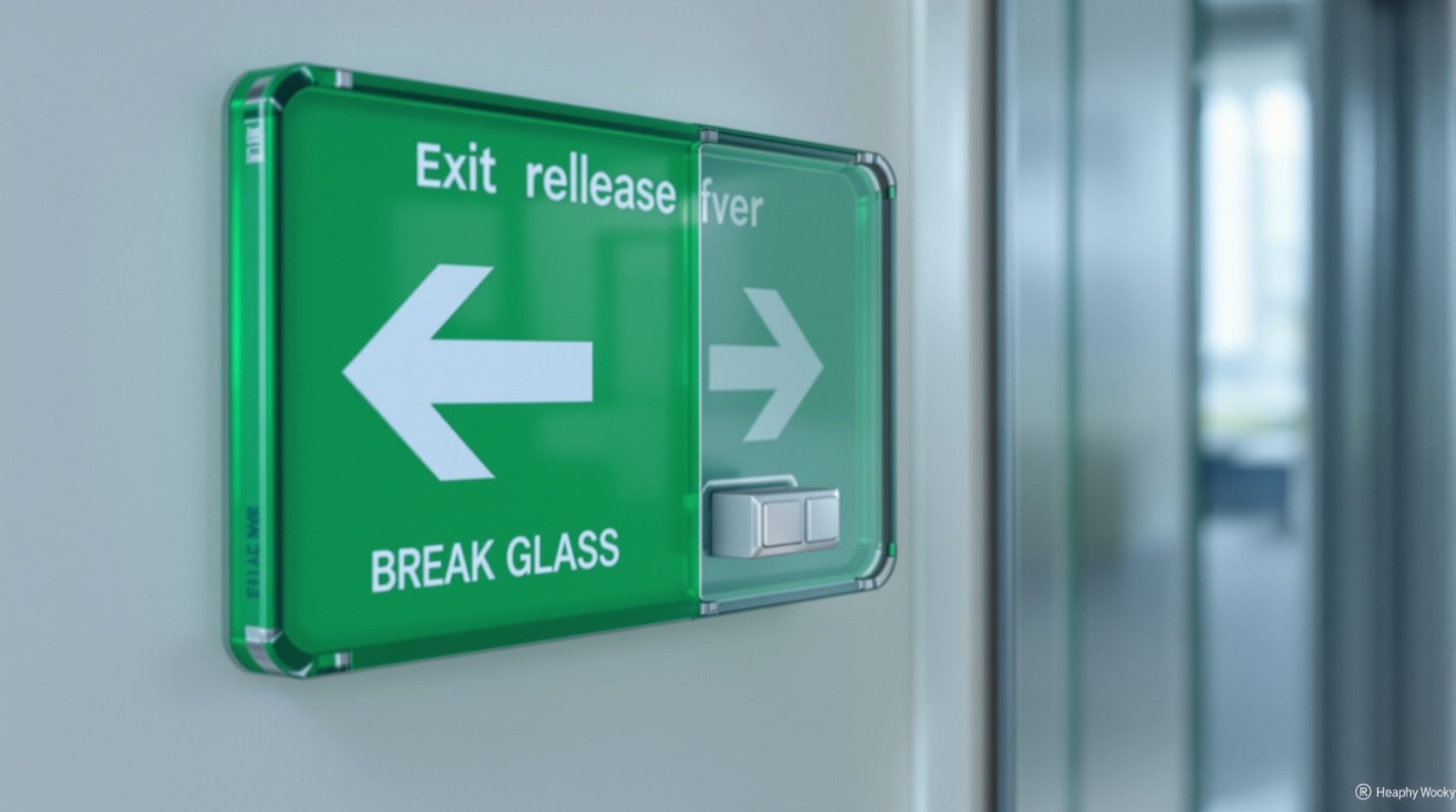
Emergency Door Release in India (2026): The One Device You Never Defeat
An emergency door release instantly unlocks an access-controlled door so people can escape, cutting lock power directly and independent of the controller. Learn what it is, why every escape-route door needs one, how it ties to the fire panel, where it goes, and the rule you never break.
 Blind spots10
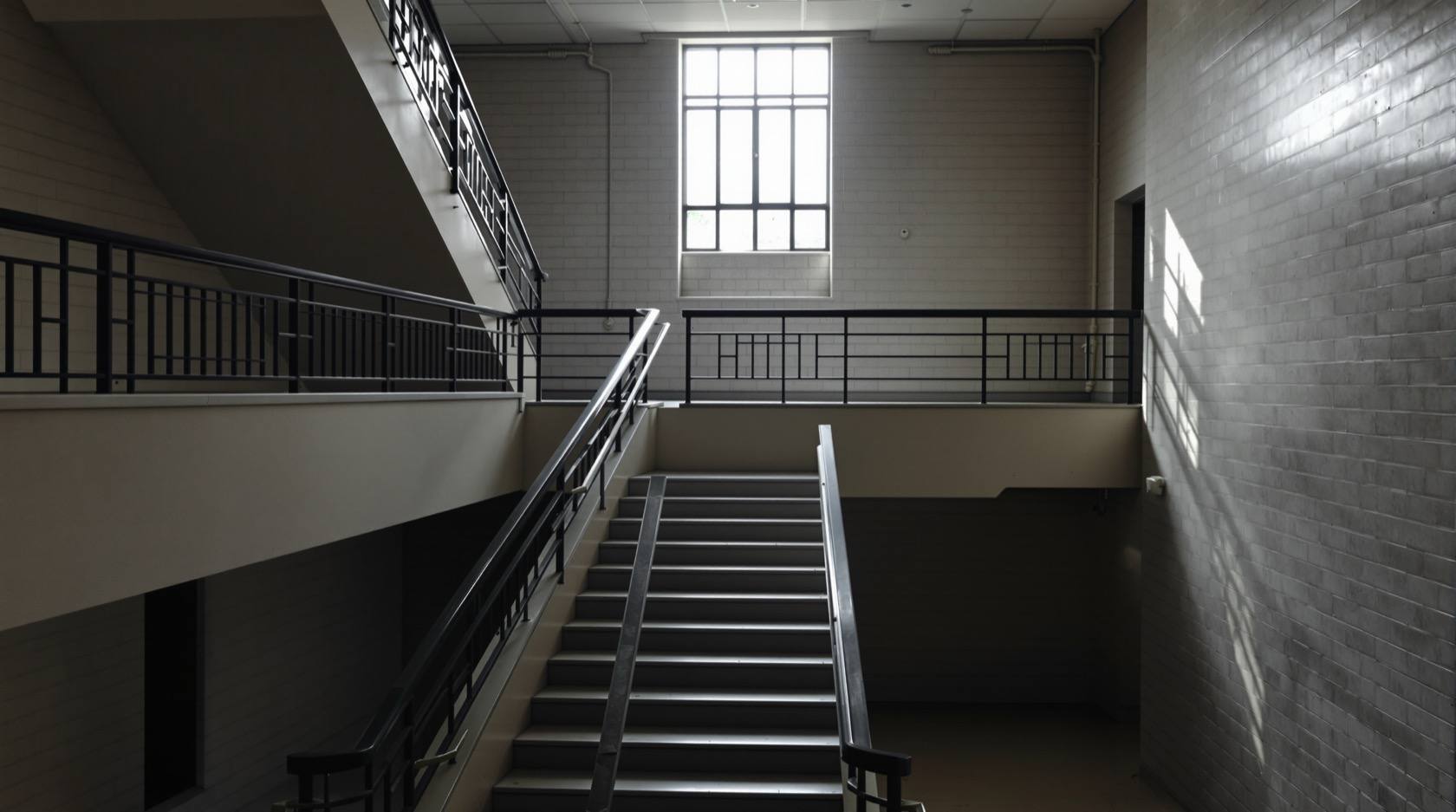
Preventing Staircase Blind Spots: CPTED Natural Surveillance for Indian Stairs
The half-landing and the turn are the classic ambush spot on an Indian stair. This CPTED guide designs out staircase blind spots so the stair is naturally overlooked - open sightlines, convex mirrors, a landing window, lighting - plus the retrofit for an existing solid stair.
 Terrace stair11
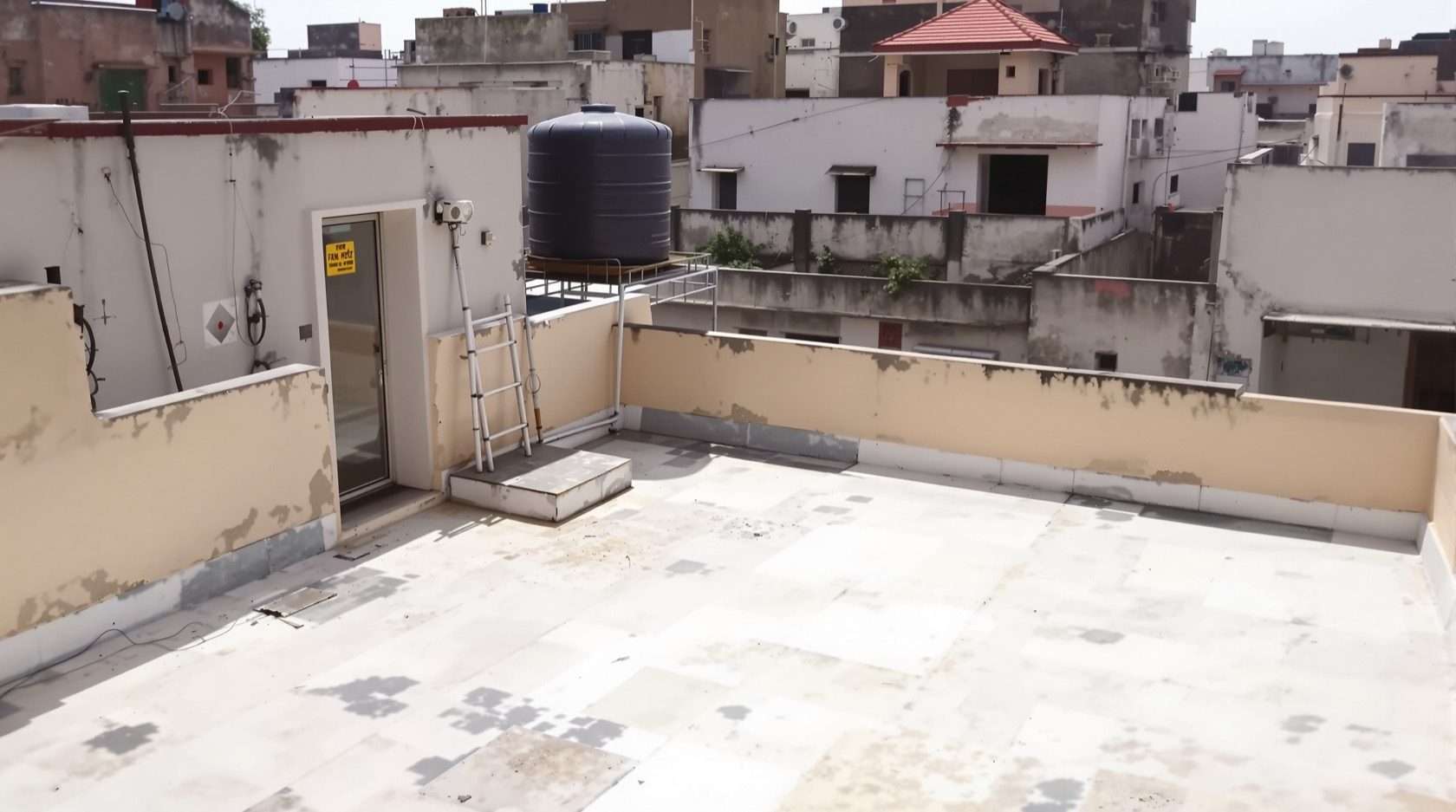
Roof and Terrace Access Assessment for Indian Homes
Most Indian homes lock the front door and leave the roof wide open. Assess every top-of-building route — terrace doors, parapet climb-overs from adjoining roofs, tank ladders, skylights and drainpipes — and secure each one without ever blocking terrace egress.
A staircase is first and always the way out in a fire — so its security is the hardest kind: cover it, watch its blind half-landings, control who uses it and reaches the terrace, yet never lock a fire-escape door against the people it is meant to save. Get that balance right and the vertical routes are secure and safe together. That completes the library — from the lift car to the terrace door.
Vertical-circulation security tools
Home Security Risk Scorecard
A whole-of-home, six-layer self-assessment that puts your lift, lobby and stairs in context with the rest of your security and returns a prioritised action plan.
AssessmentSite & Perimeter Security Assessment
Score the wider site — boundary, gate, lighting, detection and approach — the outer layers the vertical circulation sits inside, as Good, Weak or Absent.