
Rural Residential Layout PlanningVolume 1 · Issue 4 · September 2026
Planning the Indian Village
India still lives, in large part, in its villages — yet almost nothing is written on planning them well. This is the 10-guide library on the rural settlement: the principles, the agrarian homestead, clusters, streets, the commons, water, climate and decentralised infrastructure — the village-scale counterpart to urban layout design, rooted in the gram panchayat and the land.
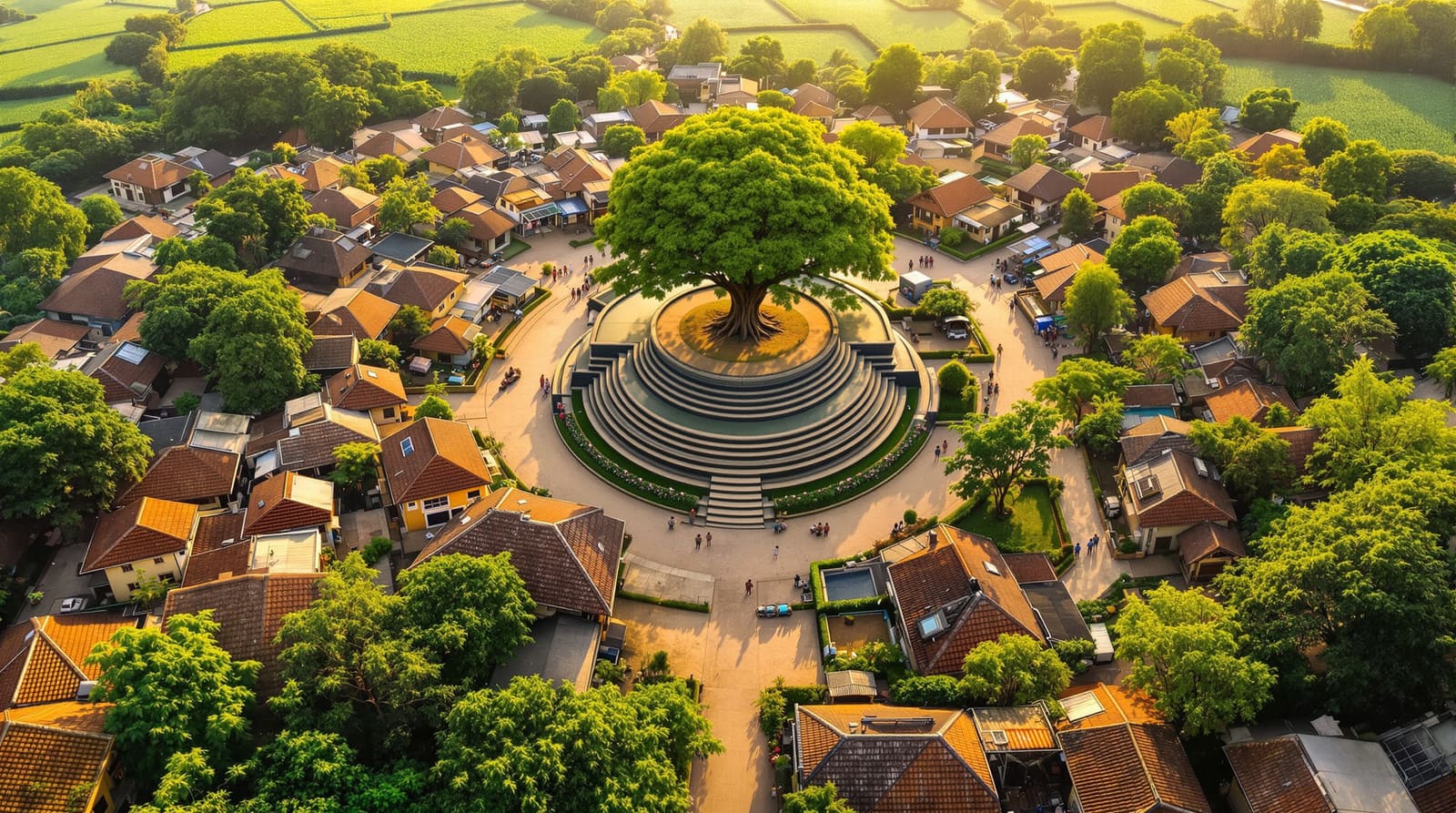
Rural Housing Layout Design
How to plan a rural village housing layout in India — reading the land and commons, the gram-sabha process and abadi land, clustering agrarian homesteads, the tank-chaupal-temple commons, cart lanes and decentralised services, funded through PMAY-G and SPMRM. The settlement-scale counterpart to urban layout design.
Read itPrinciples & the future village
The vision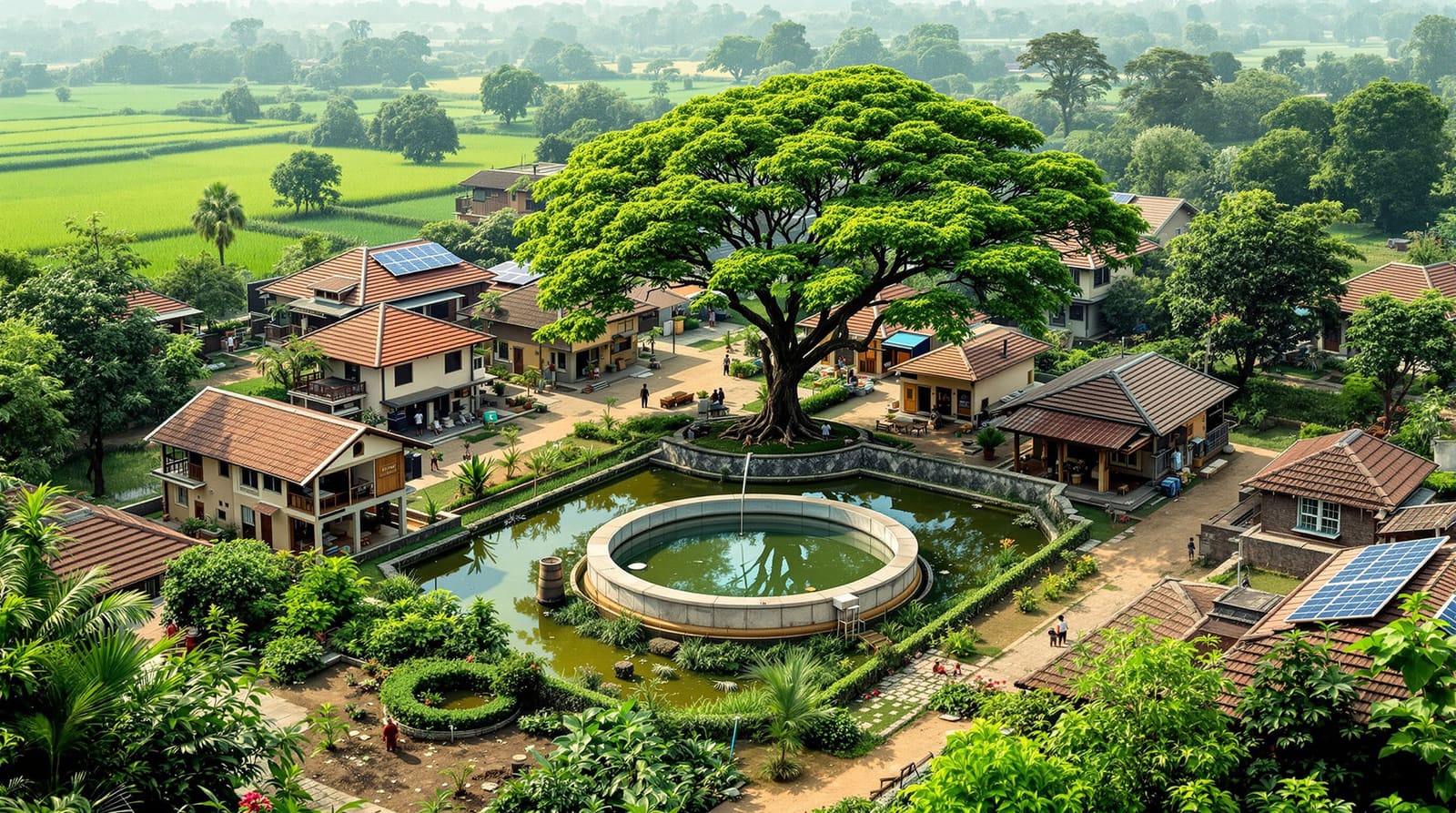 Principles01
Modern Village Planning Principles
The enduring principles of planning a good modern Indian village — building on the organic settlement's logic, putting the commons first, clustering for community, mixing livelihood, decentralised self-reliance and participatory gram-sabha planning — and why imposed grid 'model villages' so often fail.
 Housing02
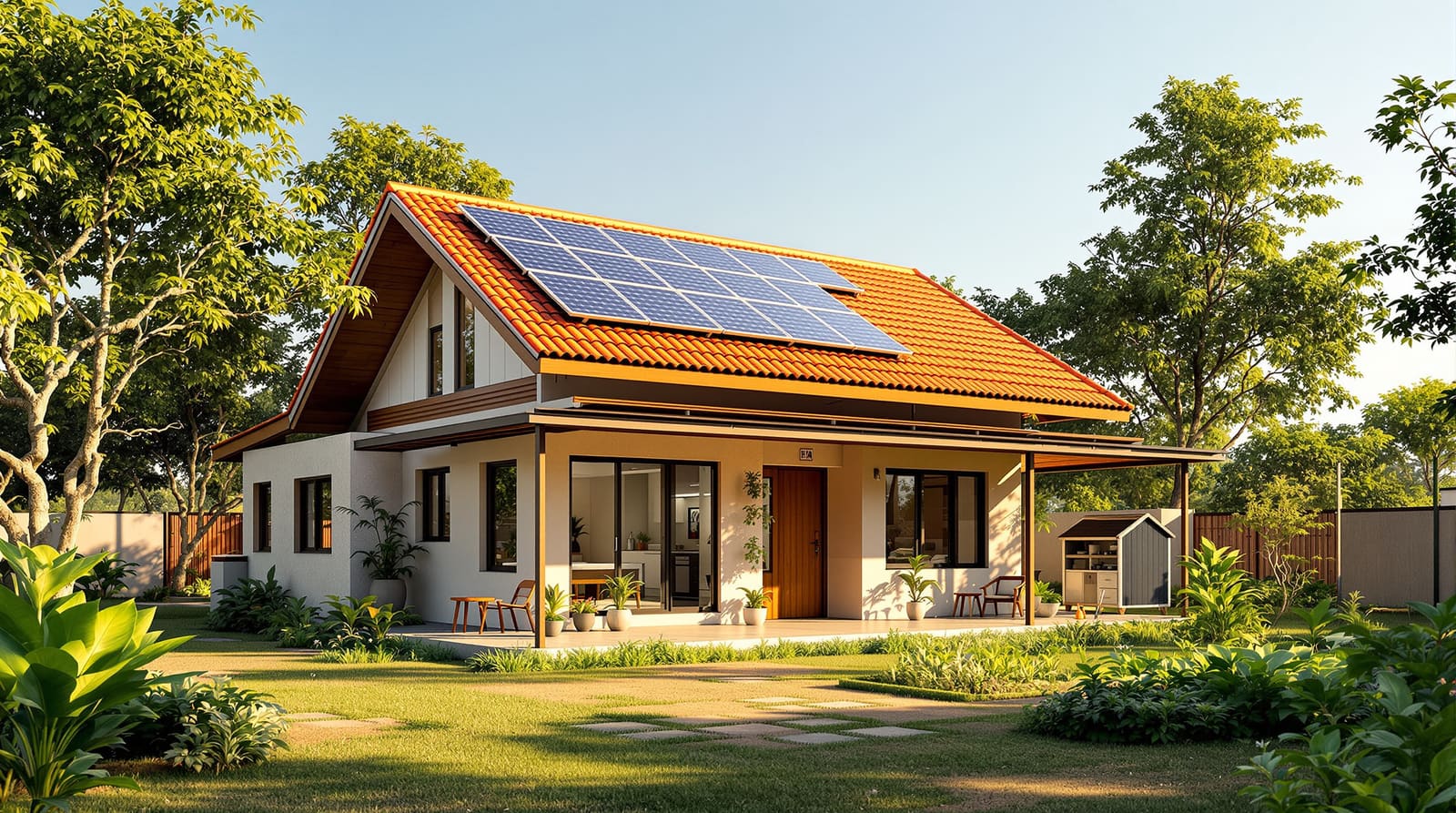
Future Rural Housing Models
What rural housing should become — beyond the one-size PMAY-G concrete box. Incremental homes that grow with the family, vernacular-modern hybrids, self-reliant solar-and-biogas homes and climate-resilient models that keep cattle, storage and a kitchen garden — matched honestly to what rural families actually need.
 Smart villages03
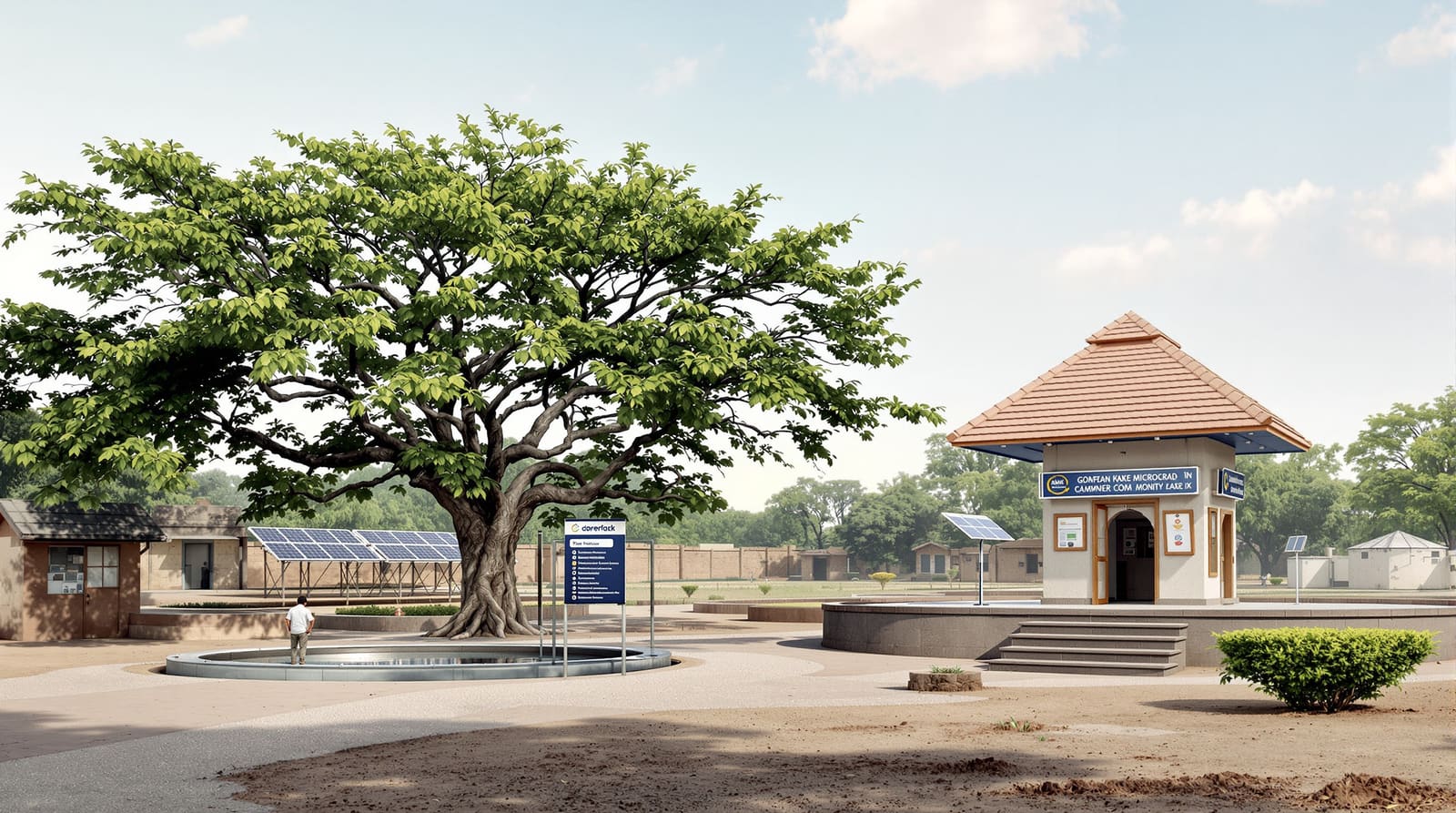
Smart Villages of India
What a genuinely smart village means in India — appropriate, maintainable technology, connectivity and good governance built on a foundation of road, water, power and sanitation. The honest version: solar microgrids, BharatNet, smart agriculture and the Rurban cluster — not a top-down mini smart-city.
The settlement structure
Clusters, streets, commons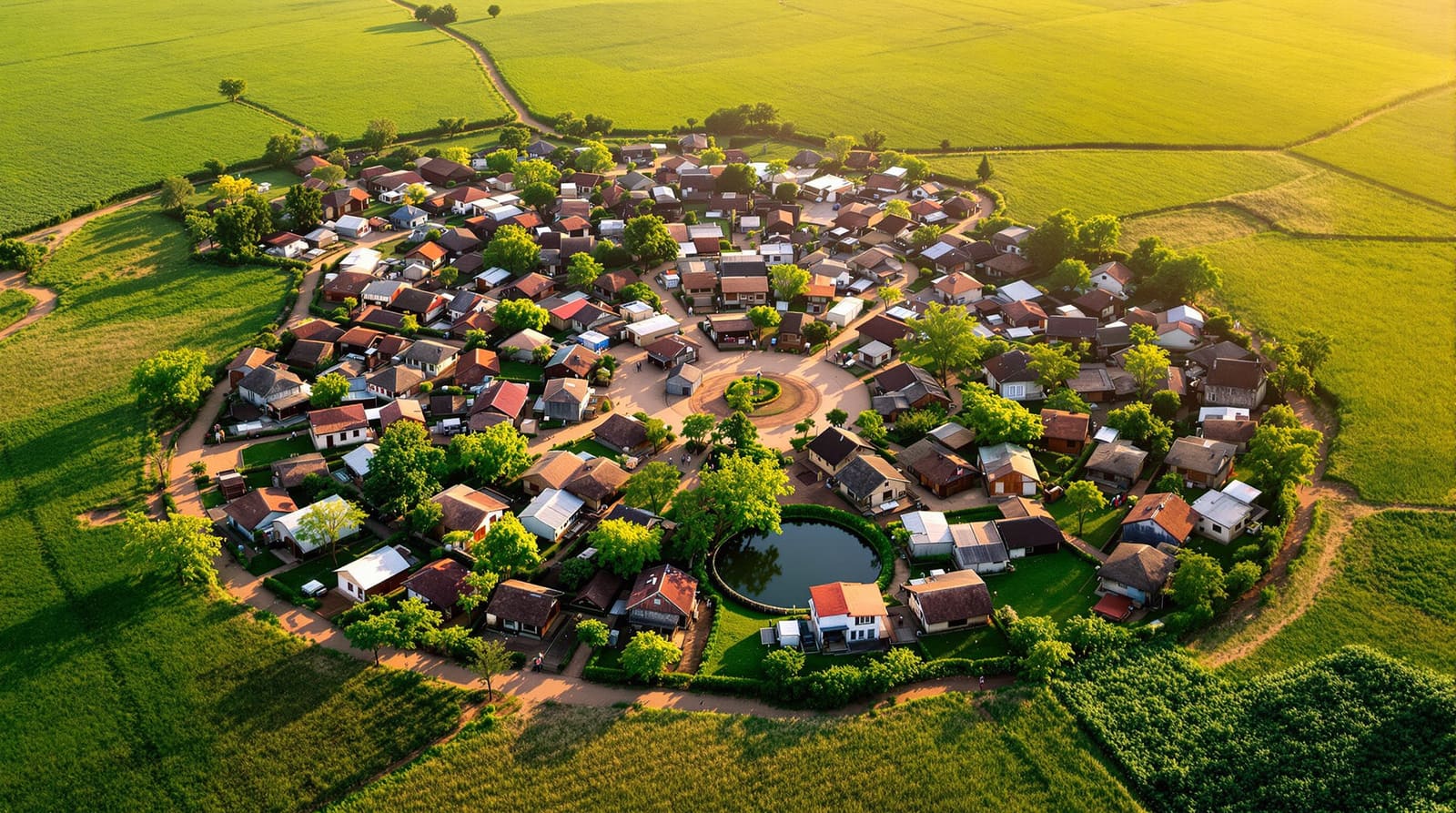 Clusters04
Cluster Village Development
The cluster approach to rural development — grouping homesteads within a village to save farmland and shorten service runs, and grouping villages so a lead village and its neighbours share a school, health centre and market none could afford alone. The economics, trade-offs and the SPMRM Rurban model.
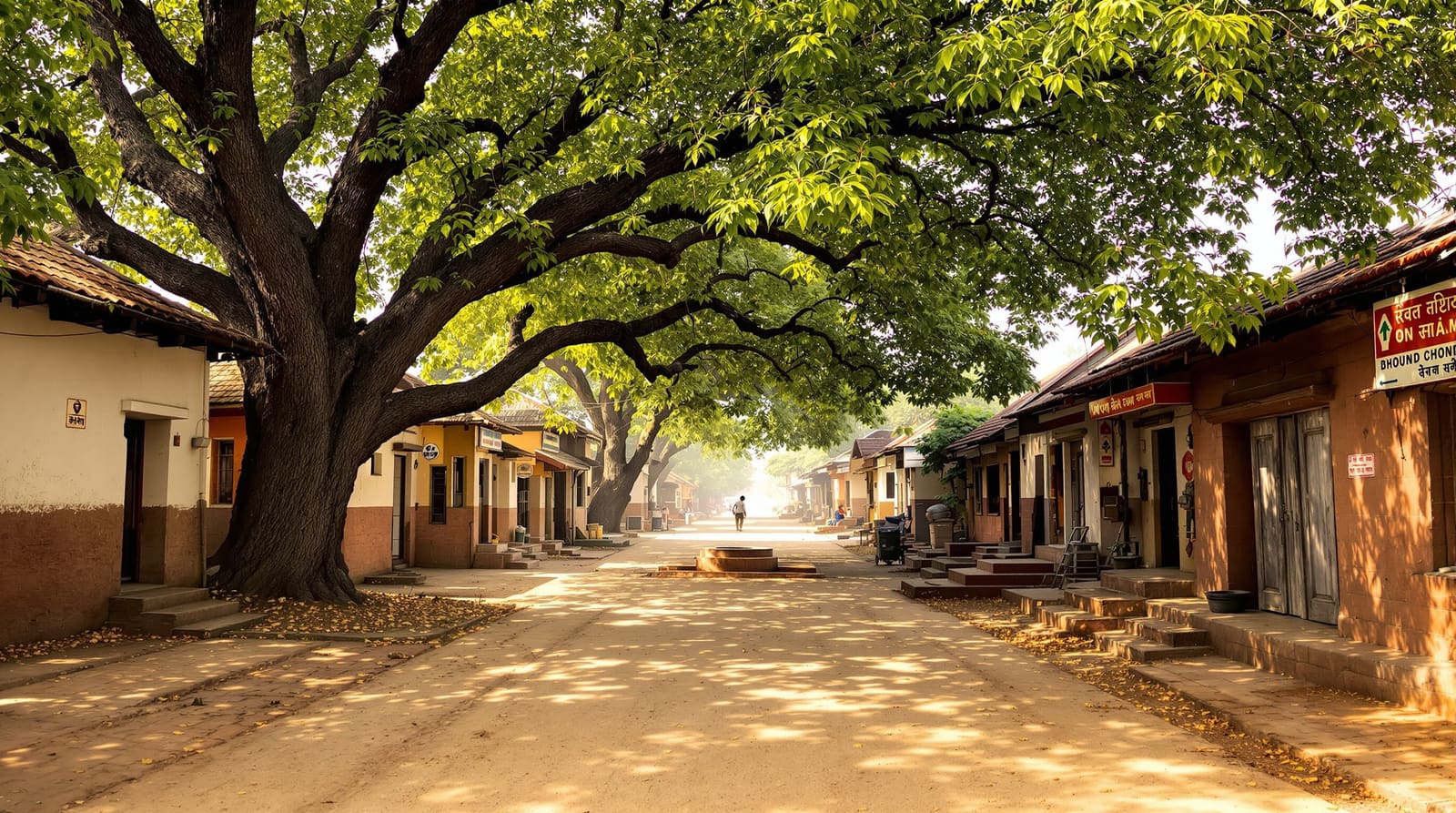 Streets05
Village Street Planning
Planning the lanes of a village — a different problem from urban roads. The cart-and-foot hierarchy from the approach road to the cattle track, sections sized for the bullock cart and tractor not the car, the gathering nodes where lanes meet, and honest choices on paving and monsoon drainage.
 Commons06
Community Open Spaces in Villages
The commons are the true structure of an Indian village — the tank and its steps, the chaupal, the grazing ground, the threshing floor, the sacred grove and the great tree-plinth. How these shared spaces work, how they are too often lost to encroachment, and how to revive them.
Land, water & resilience
Making it last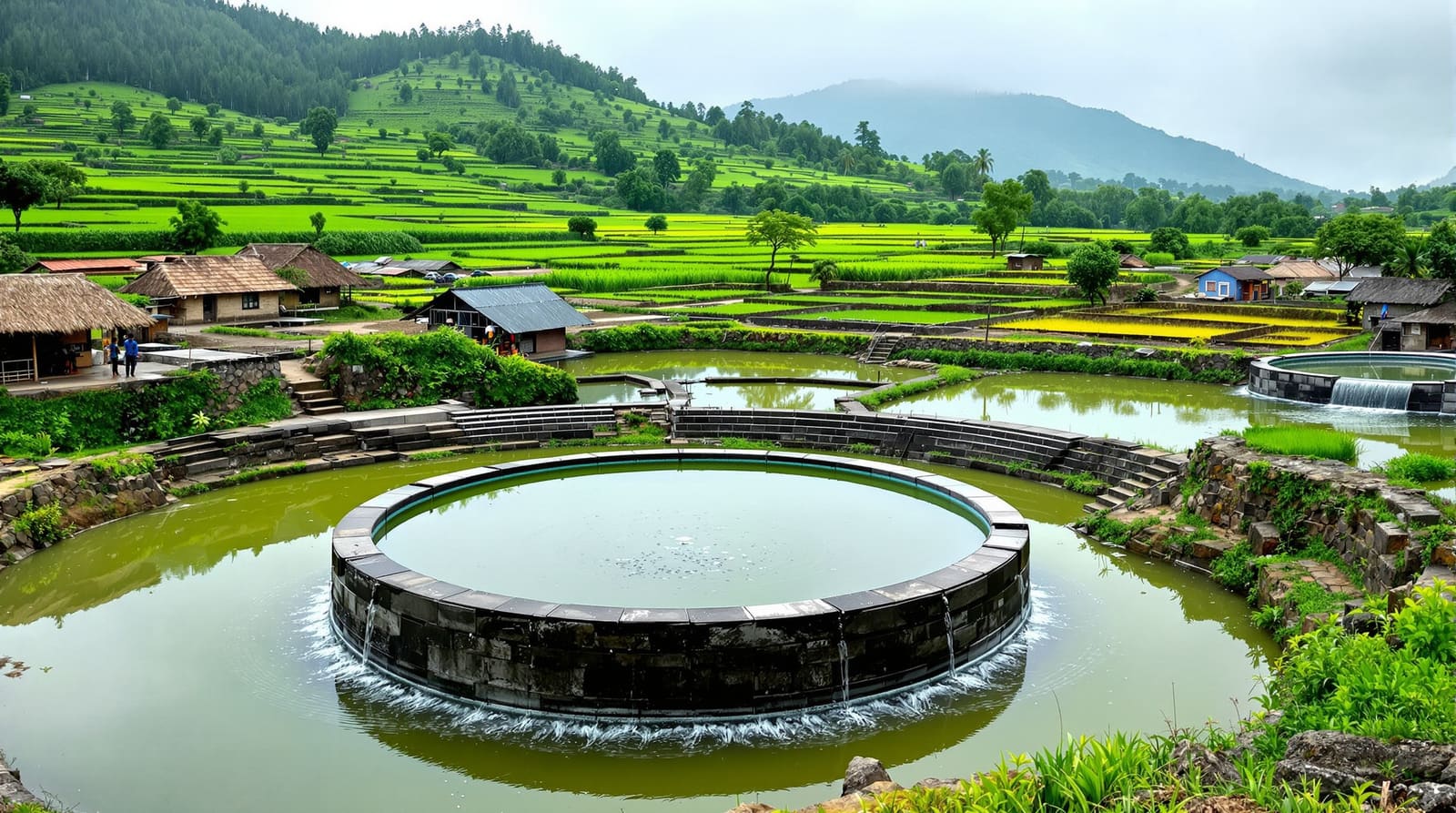 Water07
Water-Sensitive Rural Planning
How to plan a village so it works with its water — reviving the tank, johad and percolation pond, reading the watershed from ridge to valley, harvesting rain at every scale, recharging the falling groundwater and reusing greywater. Survival planning for a country of drought and violent monsoons.
 Climate08
Climate-Responsive Rural Settlements
Planning the whole village — not one house — to suit and survive its climate. How clustering, lane orientation and spacing shape shade and breeze, how the tank and tree canopy cool the settlement, and how to make villages resilient to flood, drought, heat and cyclone across India's climate zones.
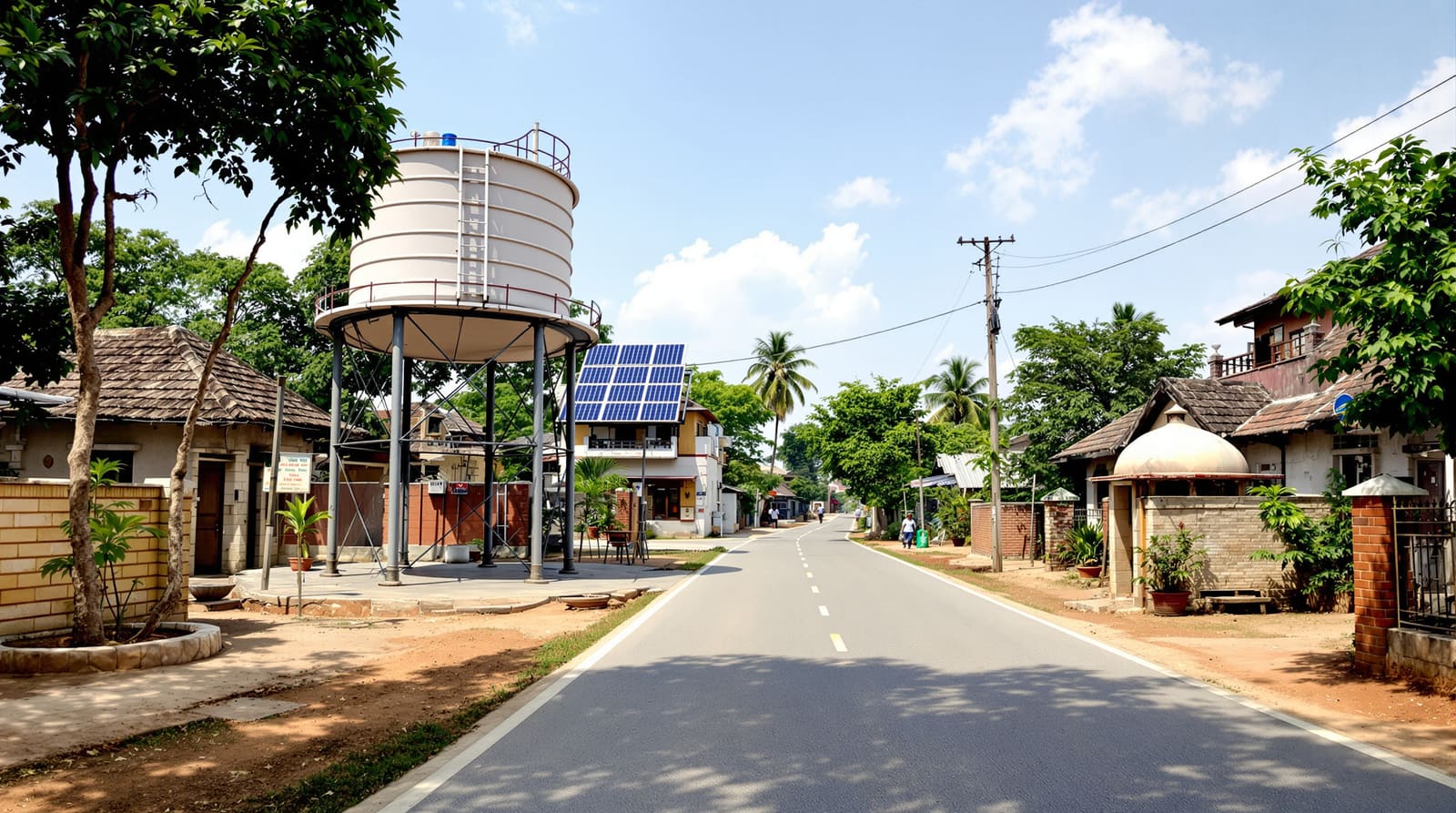 Infrastructure09
Rural Infrastructure Planning
Planning the hard services of a village — decentralised, low-cost and built to be maintained locally. Water supply, twin-pit and DEWATS sanitation, composting and biogas, solar microgrids, all-weather roads and connectivity — and the maintenance problem that decides whether rural assets last or are abandoned.