
Parking Maintenance in India: Cleaning, Line Marking and Repairs (2026)
A practical maintenance programme for Indian car parks — routine sweeping, washing and drain clearing; periodic repainting of bay lines, arrows and numbers; and annual crack, joint, waterproofing and floor-coating repairs — so parking stays safe, legible and durable over its whole life.
A car park is a working piece of infrastructure, and like any surface that takes tyres, oil, monsoon water and daily traffic, it degrades if nobody looks after it. The three neglects you see again and again in Indian societies and commercial buildings are the same three: faded line-marking so nobody knows where a bay ends, blocked drains that flood the aisle in the first heavy shower, and dead lights that turn a basement into a dim, unsafe space. None of these is expensive to prevent — they are simply not on anyone's calendar.
This guide gives you that calendar. It sits under the Parking and Garage Design hub and turns upkeep into a programme by interval: routine housekeeping, periodic refresh, and annual or major repair. It leans on the earlier design siblings — the surface you are maintaining is chosen in parking area flooring, the water you are managing is designed in parking drainage and stormwater, and a basement parking has the most to inspect. Good maintenance is mostly cheap habits done on time; the costly work is the repair you postponed.
Scope & how to read this. Every interval, task and cost cue here is typical and indicative to help a society, owner or facility manager plan and budget — it is not a code, a warranty schedule or a quote. Confirm surface-specific intervals against your flooring and coating manufacturer, get local quotes for repairs, and route all statutory and life-safety servicing (fire equipment, mechanical ventilation, lifts, waterproofing, structural repair) to licensed agencies and your building's engineer or the AHJ, who certify that work.
The idea: maintenance by interval
The simplest way to keep a car park from decaying is to sort every task into three buckets by how often it needs doing, assign each to whoever should do it, and put it on a calendar. Miss the routine work and the periodic and annual work gets bigger and dearer.
- Routine (daily to weekly). Housekeeping that keeps the park usable now: sweeping and washing, clearing drains and channels, checking bulbs and fixtures, picking up litter, wiping oil spills. Mostly in-house housekeeping or the society's own staff.
- Periodic (monthly to yearly). Refresh that keeps the park legible and functional: repainting bay lines, arrows and bay numbers when they fade, touching up floor coatings, cleaning signage, and testing emergency lighting. A mix of in-house and specialist painting contractors.
- Annual / major (yearly to multi-year). Repair that keeps the park durable and safe: crack and pothole repair, expansion-joint and waterproofing checks, re-coating epoxy or VDF floors, servicing the garage door and any mechanical parking equipment, and deep-cleaning drains and the oil interceptor. Specialist contractors, plus licensed agencies for anything statutory.
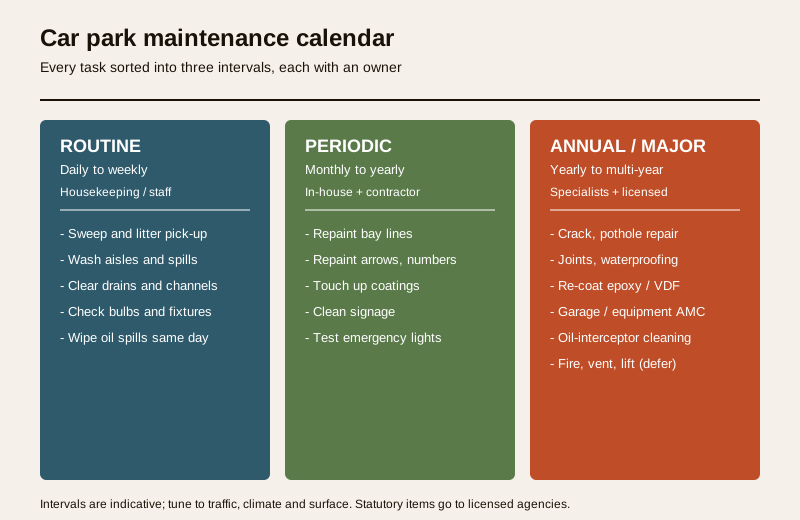
The maintenance calendar table
Put every task against an indicative interval and an owner. Treat this as a starting template and tune the intervals to your traffic, your climate and your surface — a busy commercial basement in a coastal city needs more frequent everything than a quiet villa carport.
| Task | Indicative interval | Who does it |
|---|---|---|
| Sweeping / litter pick-up | Daily to weekly | Housekeeping / society staff |
| Floor washing (aisles, spills) | Weekly | Housekeeping |
| Drain and channel clearing | Weekly, before/through monsoon | Housekeeping / plumber |
| Bulb and fixture check | Weekly to monthly | Electrician / staff |
| Oil-spill clean-up | As it happens | Housekeeping |
| Repaint bay lines, arrows, numbers | 12 to 24 months (sooner if faded) | Line-marking / painting contractor |
| Floor-coating touch-up | 12 months, or on wear | Coating specialist |
| Signage clean and check | 6 to 12 months | Staff / signage contractor |
| Emergency lighting test | Monthly to quarterly | Licensed electrical agency |
| Crack and pothole repair | Annually, or on inspection | Civil / repair contractor |
| Expansion-joint and waterproofing check | Annually | Waterproofing specialist / engineer |
| Re-coat epoxy / VDF floor | 3 to 8 years (traffic-dependent) | Flooring / coating specialist |
| Garage door and mechanical-parking service | Per AMC (6 to 12 months) | Equipment AMC agency |
| Oil-interceptor / silt-trap cleaning | 3 to 12 months | Drainage / clearing contractor |
| Fire equipment, ventilation, lift servicing | Per statute / AMC | Licensed agency (defer) |
Routine: the cheap habits that prevent everything
Routine housekeeping is the least glamorous and the most valuable. A park that is swept, washed and drained weekly rarely develops the problems the annual budget dreads.
Sweeping, washing and spills
Grit and dust act like sandpaper under tyres and wear a coated floor prematurely; oil and fuel drips stain and, on a coated slab, soften the finish. Sweep aisles and bays on a routine cycle, wash down the trafficked lanes, and deal with oil spills the day they happen — a spill kit or even sand and a stiff broom stops a stain becoming a permanent patch. This is exactly the wear the surface choice in parking area flooring is meant to resist, but no coating survives neglect.
Drains, channels and the monsoon
Blocked drains are the number-one cause of a flooded Indian car park. Leaves, silt, polythene and cement washings collect in channel gratings and gully traps; one clogged gully turns an aisle into a pond. Clear channels and gratings weekly, and intensively just before and through the monsoon. The drainage was designed in parking drainage and stormwater — maintenance is simply keeping those paths open so the design can work.
Lights and litter
A dim car park feels unsafe and is unsafe — bad lighting hides trip hazards, invites misuse and makes reversing dangerous. Walk the park weekly with a simple rule: any dead tube or fitting gets logged and replaced fast, not "next quarter". Combine the walk with a litter pick-up. Well-lit, tidy parking also underpins everything in the Parking and Garage Security library — a camera sees nothing in the dark.
Periodic: keeping the park legible
Legibility is what turns a slab of concrete into an orderly car park. When it fades, drivers improvise — and improvised parking is unsafe parking.
Repaint lines, arrows and numbers — the big one
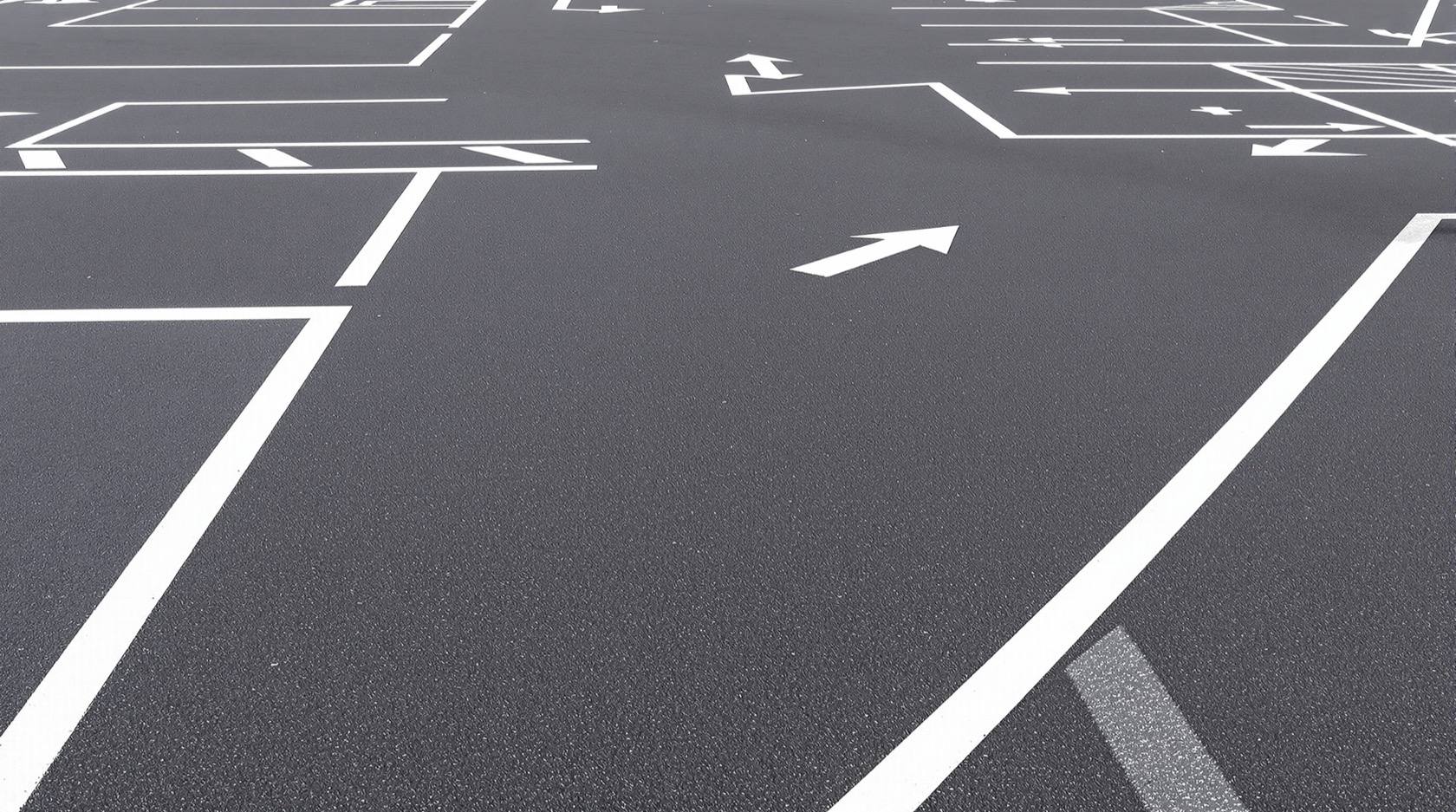
Faded bay lines are the single most common cause of parking chaos. When drivers cannot see where a bay begins and ends, they straddle two, block aisles, and lose the count of spaces the design promised. Repaint bay lines, directional arrows and bay numbers on a 12 to 24 month cycle — sooner the moment they start to disappear. Use proper floor-marking paint (or thermoplastic on heavier-traffic decks), keep the geometry true to the layout set out in parking layout and aisle design, and repaint over a clean, dry surface so the marking bonds and lasts.
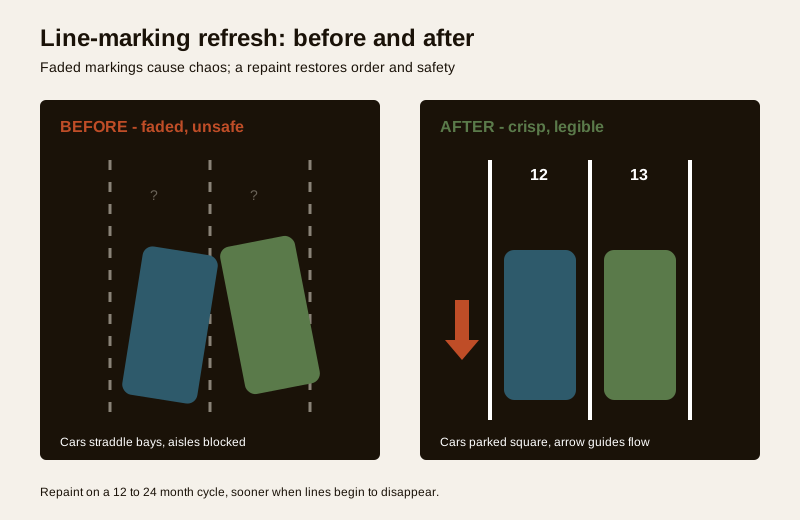
Coatings, signage and emergency lighting
While the markers are out, address the rest of the periodic list. Touch up floor coatings where traffic has worn them thin — spot repairs now save a full re-coat later. Clean signage so wayfinding, height bars, "no parking" and directional signs stay readable; a grimy sign is an ignored sign. And test the emergency lighting — the fittings that light the escape route in a power cut are useless if a battery has died unnoticed. Emergency and exit lighting is a life-safety item, so let a licensed electrical agency test and certify it rather than treating it as a bulb swap.
Annual and major: keeping it durable and safe
The yearly and multi-year work is where deferred routine maintenance comes home to roost. Budget for it, inspect for it, and use specialists.
Cracks, potholes and the structure
Surfaces crack — from settlement, thermal movement and load. Small cracks and potholes get sealed and patched annually or on inspection before water gets in and widens them. But cracking that looks structural — a spreading pattern, movement at a joint, spalling that exposes reinforcement, or damp tracking through a slab — is not a housekeeping job. Log it and call your building's structural engineer. The reader inspects and reports; the professional diagnoses and repairs.
Expansion joints, waterproofing and the basement
A basement parking is the most demanding thing to maintain because it fights groundwater and monsoon ingress every year. Check expansion joints and waterproofing annually: joint sealant perishes and pulls away, and waterproofing membranes fail at cold joints and around penetrations. The early signs are damp patches, efflorescence (white salt bloom), rust streaks and a musty smell. Waterproofing repair is a specialist, professional-led task — get a waterproofing contractor and, where the slab is involved, the structural engineer. This is precisely why basement upkeep sits close to parking ventilation: trapped damp and stale air travel together.
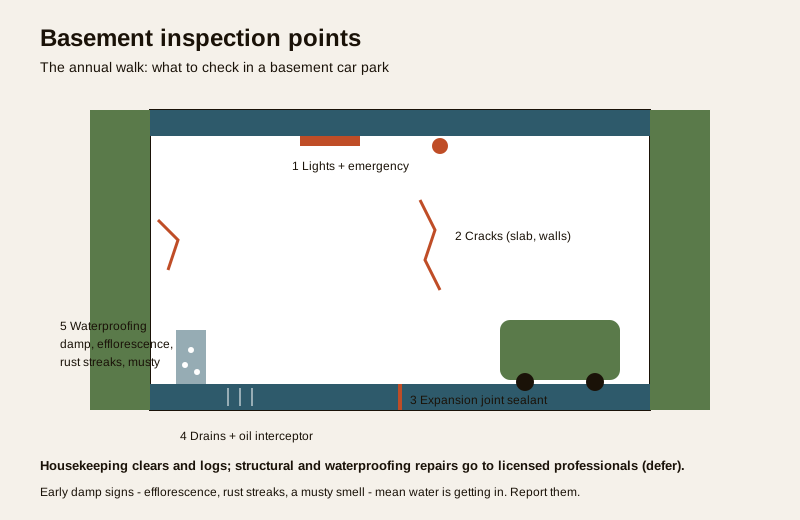
Re-coating floors, and servicing the equipment
Epoxy and VDF (vacuum-dewatered flooring) finishes wear out under traffic and need re-coating every few years — indicatively 3 to 8, sooner in a busy commercial deck, later in a quiet residential one. Plan the re-coat when spot touch-ups can no longer keep pace with the wear; the finish types and their lifespans are set out in parking area flooring.
Any moving equipment needs a servicing contract. Put the garage door on an AMC for spring, track, opener and safety-reverse checks — see the home garage design guide for the door itself — and put any mechanical or automated parking system on a manufacturer AMC, because mechanical parking systems have hydraulics, motors, chains and safety interlocks that must be professionally serviced, never left to run to failure. Deep-clean drains and desilt the oil interceptor / silt trap on its own cycle so the water leaving your park is not carrying oil and grit into the municipal drain.
The statutory items — defer to licensed agencies
Some servicing is not yours to do. Fire equipment (extinguishers, hydrants, sprinklers, alarms), mechanical ventilation and smoke extraction, and lifts are life-safety and statutory systems that must be inspected, serviced and certified by licensed agencies on their own mandated cycles. Track that these AMCs exist and are current, keep the certificates, but leave the work to the certified professionals and confirm the obligations with your building's fire and electrical consultants and the AHJ.
The inspection checklist
Turn the programme into a walk-around. Use this as a monthly or quarterly inspection sheet; anything flagged goes to the right owner — housekeeping, a contractor, or, for anything structural or statutory, a licensed professional.
| Inspect | Look for | Action if failed |
|---|---|---|
| Bay lines, arrows, numbers | Faded, worn, unreadable markings | Schedule repaint (contractor) |
| Floor surface / coating | Cracks, potholes, worn coating, stains | Patch / touch up; flag structural cracks to engineer |
| Drains and channels | Silt, leaves, blockage, standing water | Clear now (housekeeping); desilt on cycle |
| Oil interceptor / silt trap | Full, oily, overdue clean | Book clearing contractor |
| Lighting | Dead tubes, dim areas, flicker | Log and replace fast (electrician) |
| Emergency / exit lights | No test tag, failed lamp test | Licensed electrical agency test (defer) |
| Signage | Grimy, faded, damaged, missing | Clean or replace |
| Expansion joints | Perished / pulled-away sealant | Waterproofing specialist |
| Waterproofing (basement) | Damp, efflorescence, rust streaks, musty smell | Waterproofing contractor / engineer (defer) |
| Garage door | Noisy, sticking, safety-reverse fault | Door AMC service |
| Mechanical parking equipment | Leaks, alarms, overdue service | Manufacturer AMC (defer) |
| Fire equipment / ventilation / lift | No current AMC or certificate | Licensed agency (defer, statutory) |
How it connects
- Sits under the Parking and Garage Design hub; the surface you maintain is chosen in parking area flooring and the water you manage is designed in parking drainage and stormwater.
- The hardest thing to maintain is a basement parking, whose damp and air problems tie back to parking ventilation; repaint keeps the geometry of parking layout and aisle design legible.
- Equipment upkeep connects to the home garage design guide (the door) and mechanical parking systems (the AMC); well-lit, tidy parking underpins the Parking and Garage Security library.
- Budget the repair and re-coat work with the parking construction cost calculator.
Key takeaways
- Treat maintenance as a programme by interval — routine (daily/weekly), periodic (monthly/yearly) and annual/major — with every task assigned to an owner and put on a calendar.
- The three classic neglects are faded line-marking, blocked drains and dead lights; all three make parking unsafe and all three are cheap to prevent on a schedule.
- Repaint bay lines, arrows and numbers on a 12 to 24 month cycle (sooner when fading) — faded markings cause parking chaos and unsafe, straddled bays.
- Clear drains and channels weekly and intensively through the monsoon, and desilt the oil interceptor on its own cycle.
- Annual work is crack and pothole repair, expansion-joint and waterproofing checks (especially in basements), and re-coating epoxy/VDF floors every few years.
- Put the garage door and any mechanical parking equipment on AMCs, and leave fire equipment, ventilation and lifts to licensed agencies who certify that statutory work.
- Every interval and cost cue here is indicative — confirm surface intervals with your manufacturer, get local quotes, and route life-safety and structural work to licensed professionals.
References
- National Building Code of India, NBC (SP 7:2026), Bureau of Indian Standards — parking, ventilation, fire-safety and maintenance-related provisions.
- Local municipal bye-laws and development-control regulations — car-park upkeep, drainage and pollution-control (oil-interceptor) obligations, city-specific.
- Flooring and coating manufacturer data — recommended re-coat intervals, touch-up and maintenance regimes for epoxy, VDF and floor-marking systems.
- Housing-society / RWA facility-management practice — maintenance calendars, AMC scheduling and record-keeping for common-area parking.
- Licensed-agency guidance for statutory systems — fire equipment, mechanical ventilation and lift servicing and certification cycles.
All intervals, tasks and cost cues here are indicative planning aids only, not a code, warranty schedule or quote; confirm surface-specific intervals with your manufacturer, get local quotes for repairs, verify obligations against NBC (SP 7:2026) and your local bye-laws, and route all life-safety, structural and statutory servicing to licensed professionals who certify it.
Export this guide
Related Guides — Deep-dive reading
Compound Wall Repair and Maintenance in India: Cracks, Rust and Structural Fixes (2026)
A plain, India-grounded guide to keeping an existing boundary wall safe and good-looking — a routine, periodic and annual maintenance calendar, how to tell a harmless shrinkage crack from a dangerous structural one, how to treat rust on gates, railings and reinforcement, and exactly when a leaning or badly-cracked wall stops being a homeowner job and becomes an engineer's emergency.
Compound WallsSecurity Lighting Maintenance in India (2026): Keeping the Whole Scheme Alive, Because a Dark Patch Is a Security Hole
The best-designed security lighting is worthless the day the lamp fuses, the sensor clogs with cobwebs, the solar panel dusts over or the fitting fills with monsoon water. This guide gives a homeowner and a society the simple maintenance routine that keeps every part of the scheme working, so no dark patch quietly opens up on a wall nobody looks at after dark.
SecurityEmergency Lighting Testing in India (2026): The Function Test, the Duration Test and the Battery That Quietly Dies
Emergency lighting is what gets people out of a building in a power cut or a fire — and it is useless if its batteries have silently gone flat. This professional guide covers what emergency lighting is, the two tests that keep it honest (the short frequent function test and the longer periodic duration test that catches dying batteries), what to test across escape routes, stairs and exit signs, the statutory test log, and the safe split of who does what.
SecurityRelated Tools — Try Free
Monsoon-Readiness Checklist
Pre-rain home audit across 9 categories — terrace, drains, waterproofing, electrical, HVAC, pest, vehicles, documents.
Seasonal AuditCross-Ventilation Analyzer
Estimate airflow and air changes per hour (ACH) from room size, window areas, layout, and local wind — with NBC 2016 Part 8 compliance check.
Ventilation CalculatorHome Building & Interior Cost Calculator — 20 Cities
Construction + interior costs for 20 Indian cities across kitchen, wardrobes, flooring, painting, ceiling.
Cost Calculator