
Glass Elevator Design for Indian Homes: Panoramic, Tinted and Frosted
How laminated safety glass, the clear-tinted-frosted choice and panoramic PVE versus square glass cabins make a compact Indian home feel larger and turn the ride into an experience.
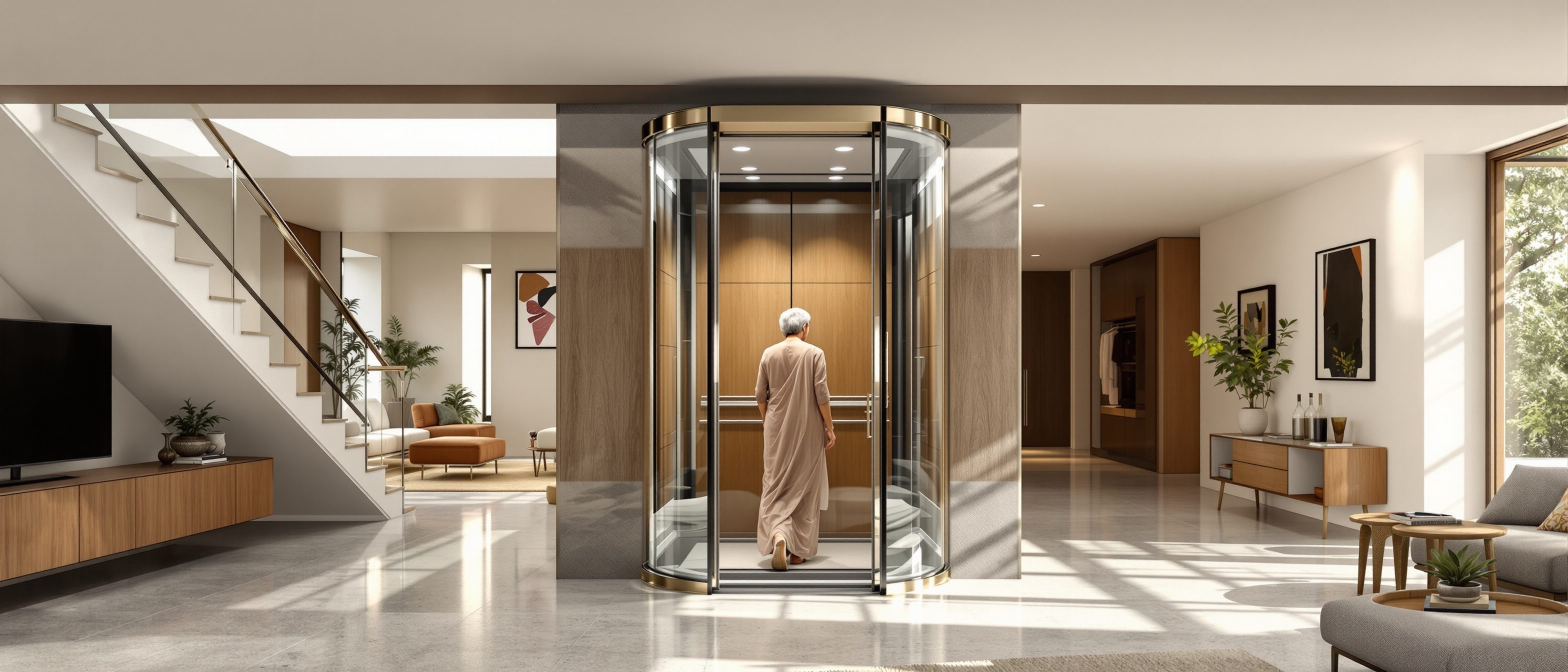
A glass elevator does something no other cabin material can: it disappears. Where a solid steel box reads as a heavy intrusion parked in your stairwell, a glass cabin lets the eye travel straight through it, so the lift stops competing with the room and starts belonging to it. In a compact Indian home — the three-storey plot in Bengaluru, the narrow Mumbai vertical, the G+2 villa in Kochi — that transparency is worth more than any finish. It keeps sightlines open, it lets daylight pass, and it turns the daily ride between floors into a small, deliberate moment of pleasure rather than a thirty-second confinement in a metal cell.
This guide is about the glass itself: the safety glass you must insist on, the difference between clear, tinted and frosted, the choice between a panoramic pneumatic-vacuum tube and a square glass traction cabin, and the two realities everyone forgets until they are living with the lift — privacy and cleaning. For how glass sits against the other cabin materials, read Lift Cabin Material Selection for Indian Homes; for the head-to-head against steel, see Stainless Steel vs Glass Lift Cabins.
Glass is the only cabin material that makes a small home feel bigger instead of smaller. Every other finish adds a surface; glass subtracts one.
Why glass works in a compact Indian home
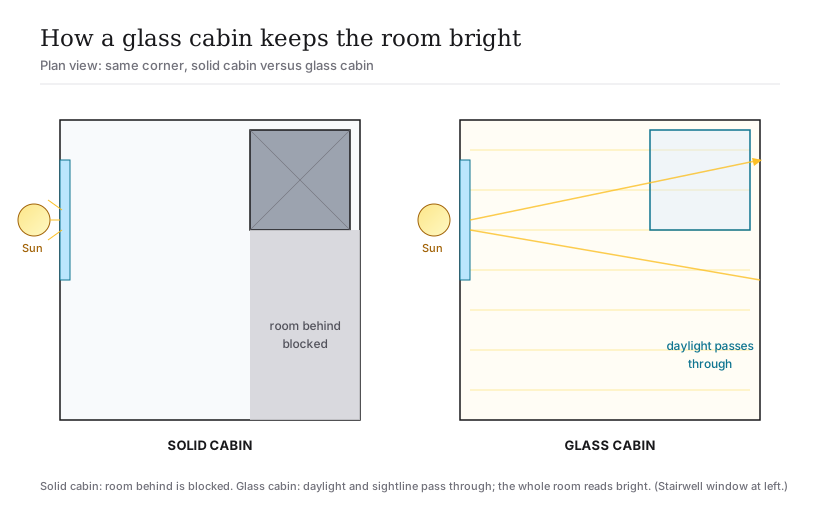
Most Indian homes that take a lift were not designed around one. The shaft is carved out of a stair void, a corner of the courtyard, a slice off the living room. Drop a solid cabin into that space and you have built a column you cannot see past — the room behind it is now visually amputated. A glass cabin reverses the logic. Light from a stairwell window or a skylight passes through the shaft and into the rooms; the floor pattern continues visually under and behind the cabin; the eye reads the full depth of the space instead of stopping at a metal wall.
There is a second, quieter benefit. Glass turns the ride into an experience. You watch the staircase, the chandelier, the garden through the panoramic curve as you rise. For older family members who use the lift daily, that connection to the house — rather than a sealed box — matters. This experiential quality is exactly why the lift earns a place as a centrepiece in Lift Design in Luxury Residences, and why glass dominates the contemporary design trends of 2026.
Safety glass is not optional — and not ordinary glass
Before any aesthetic decision, one technical rule governs everything: a lift cabin is glazed in safety glass, never plain annealed glass. There are two acceptable types, often combined:
- Tempered (toughened) glass is heat-treated so it is several times stronger than ordinary glass and, if it ever breaks, shatters into small blunt granules rather than dangerous shards.
- Laminated glass bonds two glass layers around a tough plastic interlayer. If it cracks, the fragments stay stuck to the interlayer — the pane holds together rather than falling away.
For a passenger cabin you want the security of laminated, toughened glass: the strength of tempering plus the hold-together safety of lamination. This is not a place to economise. Lift safety design in India sits under IS 14665 and its component and safety-rule parts; insist that your vendor specifies the glass grade in writing and confirm it appears on your lift specification checklist.
Clear, tinted or frosted: the three faces of glass
The glass type sets the entire mood of the cabin and decides how much of you the rest of the house sees. There are three families.
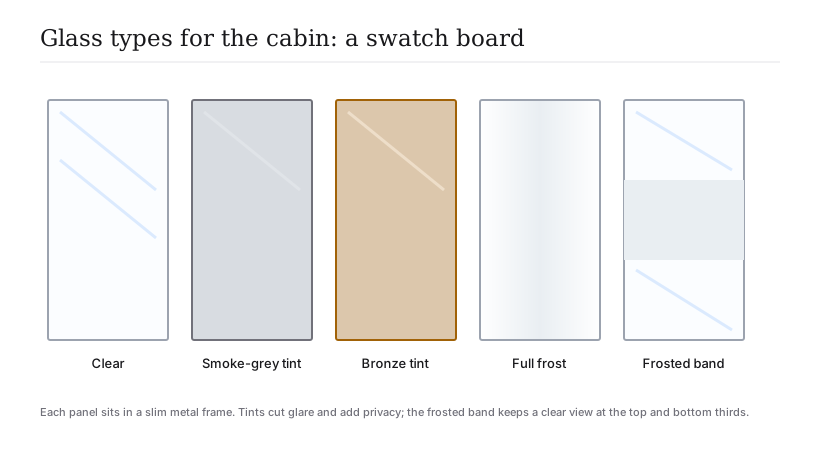
Clear glass is maximum transparency and maximum drama — the showcase choice. It makes the cabin almost vanish and is unbeatable for the panoramic experience. The trade-offs are total visibility (anyone outside sees in, anyone inside is on display) and the most demanding cleaning, because every fingerprint and water spot shows.
Tinted glass carries a colour wash — smoke grey, bronze, soft blue, green. It keeps most of the openness while softening glare from a bright stairwell window, adding a designer edge, and offering a degree of visual privacy. Grey and bronze tints read as restrained and contemporary; they pair beautifully with the brushed-metal and warm-wood palettes in Premium Lift Finishes.
Frosted (acid-etched or sandblasted) glass trades transparency for privacy. It transmits a beautiful diffused light — you get a luminous, glowing cabin without anyone seeing in or out clearly. Frosting can be full-pane or applied as a band (a frosted strip at body height with clear glass above and below is a common, elegant compromise). Decorative options extend to fluted, textured and back-painted glass, which read as luxury surfaces rather than windows.
A note on privacy
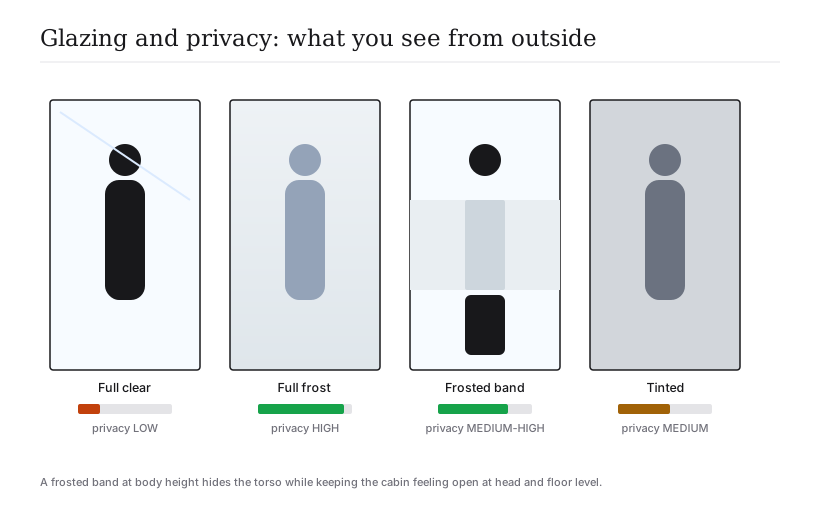
Privacy is the single most underestimated factor in a glass lift, and it is intensely personal in Indian homes where the lift often opens onto a shared family living area. Think about who sees the cabin and from where:
- If the shaft faces an external wall or garden, clear glass is glorious and the privacy cost is low.
- If it faces the living or dining room, consider tinted glass, or frosted from floor to roughly 1.5 m with clear glass above so the daylight benefit survives.
- A fully glazed clear cabin opening into a bedroom corridor is usually a mistake — choose frosted there.
You can also mix: a clear panoramic front facing the void and frosted side panels facing the rooms.
Two ways to do glass: panoramic PVE vs square glass cabin
Glass comes in two very different architectures, and the choice is structural as much as aesthetic.
The panoramic pneumatic-vacuum elevator (PVE)
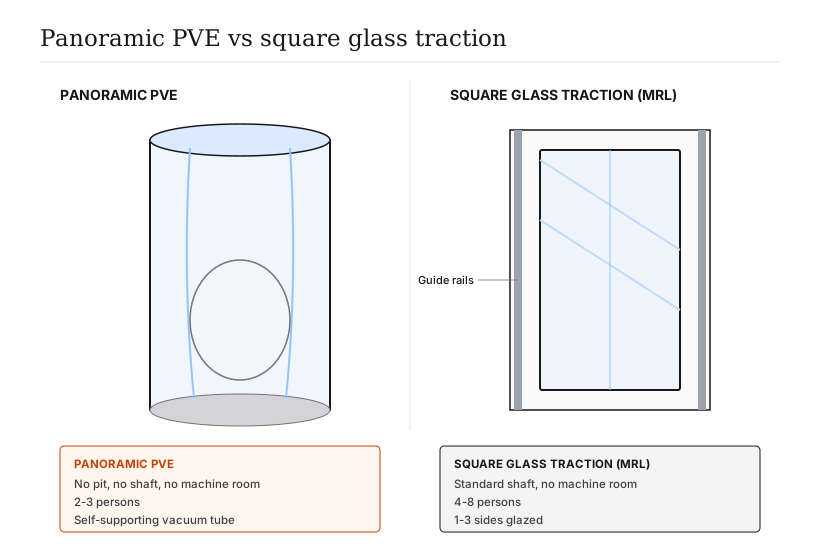
The pneumatic vacuum elevator is the purest glass experience available to Indian homes. A cylindrical, fully panoramic glass tube lifts the cabin by air-pressure difference — it needs no pit, no separate shaft and no machine room, and it is self-supporting, which makes it the easiest lift to retrofit into an already-built house. The curved 360-degree glass wall is the whole point: you ride inside a transparent column. India-grown brands such as Nibav have made this the signature look of the home-lift segment.
The trade-offs are real and you should know them upfront. PVE cabins are compact — typically two to three persons — and travel and capacity are limited. They draw more power on the ascent (the descent is by controlled gravity). Because the cabin is a sealed curved tube, the interior cannot be reconfigured the way a square cabin can. For a slim retrofit where the experience is the goal, it is hard to beat.
The square glass traction cabin
The alternative is a conventional traction (usually MRL, machine-room-less) lift with glazed cabin walls — flat glass panels set in a slim metal frame inside a normal hoistway. This gives you the openness of glass with the capacity, travel and configurability of a standard lift: more persons, more floors, the option to glaze one, two or three sides and keep one solid wall for a handrail, mirror or control panel. It is the choice when glass is the look you want but the home needs a real, full-size, multi-floor lift.
| Option | Glass form | Pit / shaft / machine room | Typical capacity | Best for | Privacy control |
|---|---|---|---|---|---|
| Panoramic PVE | Curved 360-degree clear tube | None (self-supporting) | 2–3 persons | Retrofit into a built home; the "experience" ride | Limited — curved clear glass; tint film optional |
| Square glass traction (MRL) | Flat panels, 1–3 sides glazed | Standard shaft; MRL = no machine room | 4–8 persons | New build or larger home; multi-floor | High — glaze some walls, frost or solidify others |
| Clear glazed cabin | Full clear panels | As per drive | As per drive | Showcase, garden-facing shafts | Low |
| Tinted glazed cabin | Smoke/bronze/grey panels | As per drive | As per drive | Glare control with openness | Medium |
| Frosted / banded cabin | Etched, full or band | As per drive | As per drive | Shafts facing living/sleeping areas | High |
Indicative — confirm form, capacity and travel with your vendor against your shaft and floor count.
Glass and the building: structure and daylight
A glass cabin changes how light and structure read together. Used well, it borrows daylight: a skylight over the shaft or a stairwell window will throw light through a clear or lightly tinted cabin and into the rooms it passes, making the whole core feel brighter. This daylight interplay is one of glass's strongest arguments in a deep-plan Indian home where the centre of the house is naturally dark.
Structurally, the lift is still a lift — the glass is a cladding choice, not a substitute for the carframe, guide rails and safety gear that carry and arrest the car under IS 14665. The glass simply means the supporting frame is slim and visible, so it is worth detailing the frame finish (brushed steel, champagne gold, matte black) as a deliberate design line. Pair the glass with the right cabin lighting — an LED ceiling panel or cove strips — and the cabin glows at night; see Home Lift Lighting Design.
The cleaning reality
Glass is honest to a fault. Every fingerprint, every water spot, every smudge shows — and on a clear cabin used by a family with children, that means wiping. The practical answers:
- A glass cabin needs a quick wipe far more often than a brushed-steel one. Brushed stainless hides marks; clear glass advertises them.
- Tinted and frosted surfaces are more forgiving than dead-clear glass; frosted in particular hides handprints well.
- Specify a glass that is reachable for cleaning — a curved PVE tube and the outside faces of a tall cabin need a plan for how the exterior gets cleaned.
- Keep a microfibre cloth and glass cleaner with the lift the way you would with a glass shower.
This maintenance honesty is the main reason many Indian families pair a glazed front with brushed stainless steel side or rear panels — the steel takes the daily abuse, the glass delivers the view.
What it costs — point to the cost guide
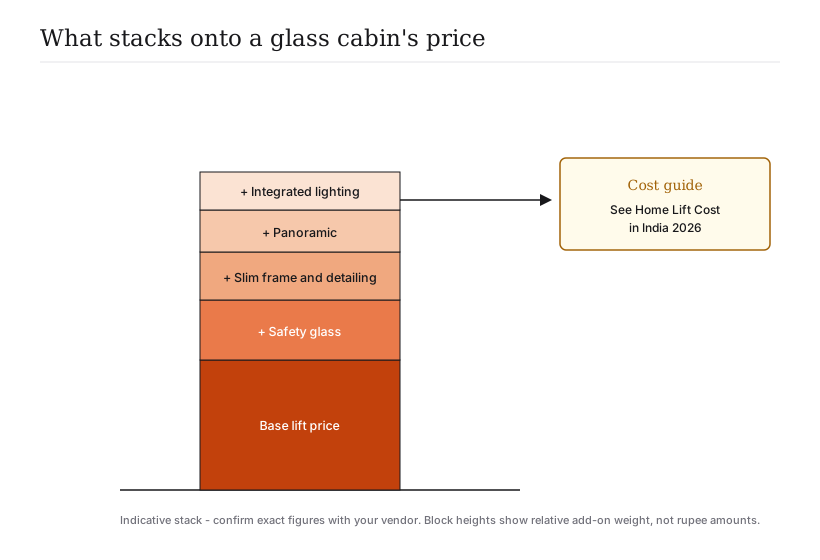
Glass cabins sit in the upper half of the home-lift range. A panoramic PVE is its own category; a glazed traction cabin adds a premium for safety glass, the slim frame and the detailing on top of the base lift price. These finish choices sit on top of the base price of the drive, so the only honest way to budget is from the type and floor count up. We do not quote glass premiums here because they vary widely by brand, glass grade and cabin size — work them out with your vendor and against the full breakdown in Home Lift Cost in India 2026. Treat every figure as indicative — confirm with your vendor.
The right way to think about glass cost: choose the lift type and capacity first, then add glass as a finish premium — never the other way round.
Bringing it together
A glass elevator is the design move that makes a small Indian home feel generous: it keeps sightlines open, borrows daylight, and turns a functional ride into something you look forward to. Get three things right and the rest is taste — insist on laminated, toughened safety glass; match the glazing to who sees the cabin (clear for garden-facing showcase shafts, tinted for glare, frosted for living and sleeping areas); and plan for the wipe-down that glass demands. Whether you choose the panoramic PVE tube for a retrofit or a square glazed traction cabin for a full-size home lift, glass is the one finish that gives the room back to you.
For the wider design vocabulary, browse the modern home-lift design ideas and the luxury home elevator interiors; and start the whole journey, if you have not yet, with the Residential Elevator Buyer's Guide.
References
- Bureau of Indian Standards — IS 14665 (Electric Traction Lifts), Part 1, Outline dimensions: https://law.resource.org/pub/in/bis/S05/is.14665.1.2000.pdf
- Bureau of Indian Standards — IS 14665 Part 2, Code of practice for installation, operation and maintenance: https://law.resource.org/pub/in/bis/S05/is.14665.2.1-2.2000.pdf
- Brio Elevators — custom elevator cabins, materials, finishes and lighting: https://brioelevators.com/blog/custom-elevator-cabins-materials,-finishes-lighting
- Elite Elevators — classic home elevator styles for Indian homes: https://www.eliteelevators.com/blog/top-classic-home-elevator-styles-for-indian-homes/
- Nibav Lifts — best home elevators in India 2026 (pneumatic vacuum / panoramic glass): https://www.nibavlifts.com/blog/best-10-home-elevators-in-india/
Export this guide
Related Guides — Deep-dive reading
Premium Lift Finishes Guide (India): Brass, Leather, Veneer and Stone
A curated catalogue of high-end home-lift cabin finishes — the look each gives, where to use it, how it ages in Indian conditions and its cost tier.
Home Lifts & AccessibilityLift Cabin Material Selection Guide (India): Steel, Glass, Wood, Laminate and Stone
A practical decision framework for choosing your home lift cabin material — compared on look, durability, maintenance, weight, cost and best-fit home style.
Home Lifts & AccessibilityLift Design for Luxury Residences (India): Panoramic Cabins, Bespoke Finishes and Statement Placement
Treating the home lift as a design statement — panoramic glass and pneumatic cabins, bespoke wood/leather/stone/mirror/light finishes, prestige-scaled cars, double-height foyer placement and smart-home integration.
Home Lifts & AccessibilityRelated Tools — Try Free
Home Lift Cost Calculator
All-in home lift cost by floors, type, capacity and city — equipment, civil, GST and AMC, with a drive-type comparison.
Lift CalculatorCross-Ventilation Analyzer
Estimate airflow and air changes per hour (ACH) from room size, window areas, layout, and local wind — with NBC 2016 Part 8 compliance check.
Ventilation CalculatorLift Safety Audit Checklist
Interactive checklist that scores your home lift on safety devices, compliance and upkeep.
Checklist