
The Best Smart Home Devices in India (2026): A Category Guide
A genuinely useful, category-by-category guide to the best smart home devices in India — what to look for, an honest value pick and a premium pick with real rupee ranges, the first five devices to buy, and the ones to skip.
Search "best smart home devices" and you will drown in affiliate lists that rank whatever pays the most commission, padded with ten devices you will never buy. This is not that. This is a category-by-category guide written to help you spend well: what actually matters in each category, an honest value pick for people who want capable-and-affordable, and a premium pick for those who want the best — with real India rupee ranges and a plain note on who each suits.
One thing up front, and it matters: specific models change fast. New versions ship, prices move, and a great pick this quarter can be discontinued the next. So this guide leans on brands and what to look for rather than a model number you will find sold out. Treat the named products as illustrations of the right tier, and always verify the current model and price before buying. If you want to plan the whole home rather than shop device-by-device, start with the ultimate guide to smart homes in India and the smart home cost guide.
The best smart home device is the cheapest one that reliably solves your problem and still works when the internet is down. Buy for reliability and ecosystem fit first, features second, and brand prestige last.
How to read this guide
For every category you get four things: what to look for (the two or three specs that actually matter), a value pick, a premium pick, and who it suits. Rupee ranges are 2026 street prices and will drift — verify before buying. Before you shop, pick your ecosystem: whether you build around Alexa, Google or Apple changes which devices play nicely together. The ecosystem selector tool and Alexa vs Google vs Apple in India will save you from buying an orphan.
The first five devices to buy
Do not start by buying a category. Start by buying a sequence. These five, in this order, give you the highest value for the least money and complexity — the backbone of a real smart home before you spend on anything fancy.
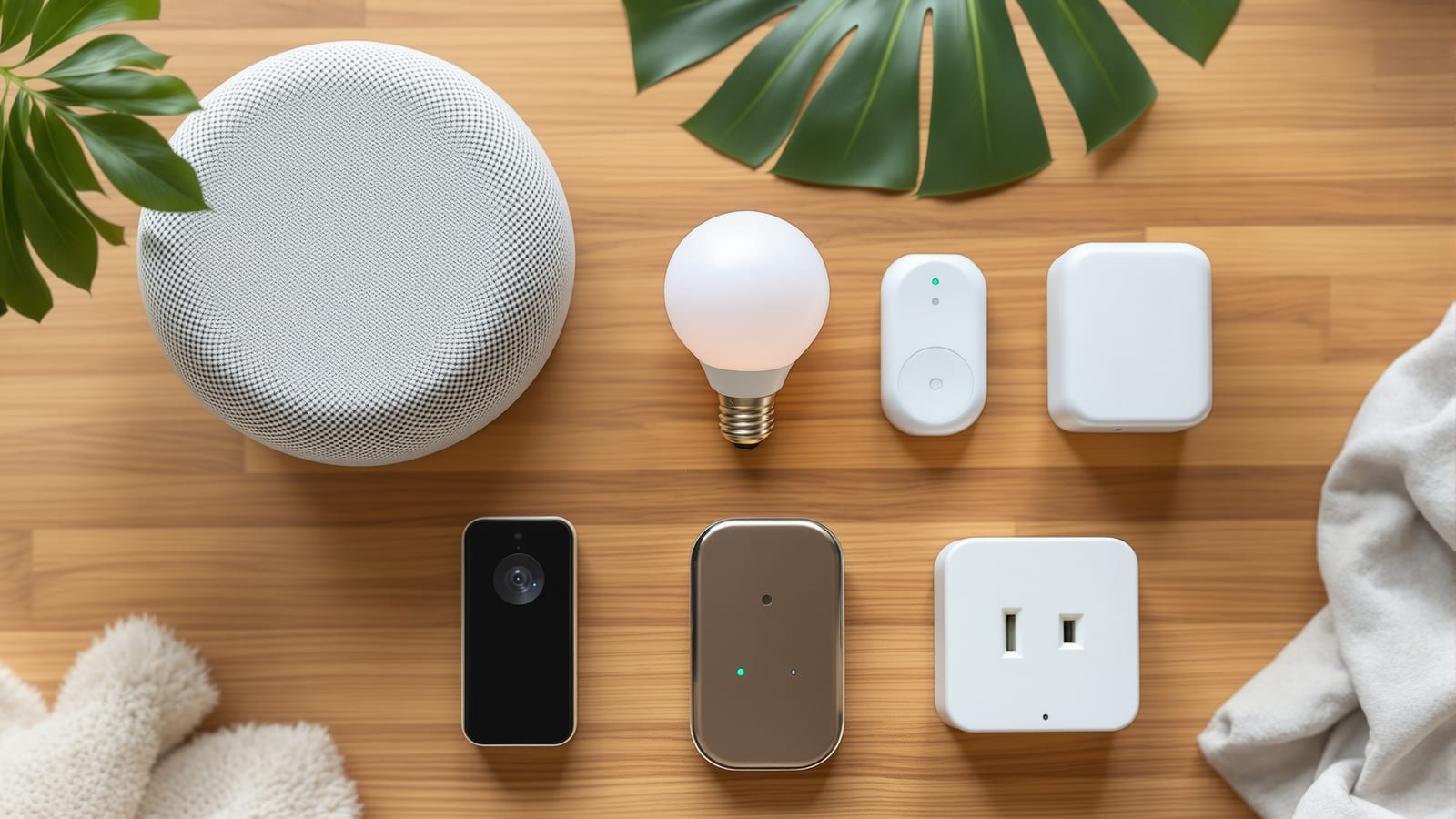
Figure 1 — A starter smart home in five devices
Voice hub / smart speaker
This is the brain and the remote control for everything else. What to look for: ecosystem (Alexa, Google or, on Apple, HomePod), whether you want a screen, and sound quality if you also want music. A screen model doubles as a photo frame and video-call station for elders. See choosing smart speakers for the full breakdown.
| Pick | Product tier | Rupee range | Best for |
|---|---|---|---|
| Value | Amazon Echo Dot / Google Nest Mini | ₹3,000–5,500 | Most homes; voice control of lights & routines |
| Premium | Echo Show 8 / Nest Hub / HomePod | ₹10,000–35,000 | Screen for elders, video calls, music, Apple homes |
Who it suits: everyone. Buy the value tier first; a screen model is worth it in a parent's room or the kitchen.
Smart lighting
The most-used automation in any home. What to look for: decide between smart bulbs and smart switches — bulbs are tenant-friendly and colour-capable; switches keep the wall switch working and control existing fixtures. Look for tunable-white or RGB if you want scenes, and Matter support for future-proofing. Full detail in the smart lighting guide.
| Pick | Product tier | Rupee range | Best for |
|---|---|---|---|
| Value | Wipro / Syska / Halonix smart bulbs | ₹500–1,200 each | Renters, single rooms, colour scenes |
| Premium | Philips Hue (bulbs + hub) / Wiser switches | ₹2,000–5,000+ | Reliability, whole-home scenes, owned homes |
Who it suits: every home. Renters buy bulbs; owners doing a fit-out should consider switches.
Smart lock
The single highest-value security device. What to look for: multiple unlock methods (fingerprint, PIN, RFID, app, and a mechanical key override), auto-lock, and time-limited PINs for staff. Check it fits your door type. Read smart door locks in India before buying — door compatibility is where people get stung.
| Pick | Product tier | Rupee range | Best for |
|---|---|---|---|
| Value | Godrej / Qubo / Yale entry models | ₹10,000–16,000 | Most flats; PIN + fingerprint + key |
| Premium | Yale / Ultraloq / August with app + remote | ₹18,000–35,000 | Remote access, logs, villa main doors |
Who it suits: almost everyone. This is the one device even sceptics should buy.
Video doorbell
Turns "who is at the gate?" into a phone notification. What to look for: clear day/night video, two-way talk, motion alerts, and how clips are stored — local (SD/base) versus a monthly cloud plan. A doorbell overlaps with CCTV; do not buy both for the same door.
| Pick | Product tier | Rupee range | Best for |
|---|---|---|---|
| Value | Qubo / Mi / TP-Link Tapo doorbell | ₹4,000–8,000 | Flats, single entrance |
| Premium | Ring / Aqara / Godrej video door phone | ₹10,000–20,000 | Independent houses, wired reliability |
Who it suits: anyone who misses deliveries or wants to screen visitors remotely.
CCTV / security cameras
For coverage beyond the door. What to look for: indoor vs outdoor (weatherproofing), Wi-Fi vs PoE (wired) for reliability, and storage cost over time. Compare CCTV versus a video door phone and read choosing CCTV before committing to a system.
| Pick | Product tier | Rupee range | Best for |
|---|---|---|---|
| Value | TP-Link Tapo / Mi / Qubo Wi-Fi cameras | ₹2,000–4,000 each | Renters, indoor monitoring, one or two rooms |
| Premium | CP Plus / Hikvision / Dahua PoE NVR kit | ₹15,000–40,000 (kit) | Villas, multi-camera wired coverage |
Who it suits: owners and anyone wanting perimeter coverage; renters can start with one Wi-Fi camera.
Smart plug
The cheapest way to make anything smart. What to look for: current rating (16A for geysers and ACs, 10A for the rest), and energy monitoring if you want usage data. Great for geysers, water pumps and "did I leave the iron on?" peace of mind. More in the smart plugs guide.
| Pick | Product tier | Rupee range | Best for |
|---|---|---|---|
| Value | Wipro / TP-Link Tapo 10A plug | ₹700–1,200 | Lamps, chargers, small appliances |
| Premium | 16A metering plug (Tapo/Wiser) | ₹1,500–2,500 | Geysers, ACs, energy tracking |
Who it suits: everyone; the easiest, lowest-risk smart purchase you can make.
Sensors (motion, door, water leak)
The quiet workhorses that make a home feel truly automated. What to look for: protocol (Zigbee/Matter sensors are cheaper to run and battery-frugal versus Wi-Fi), and battery life. Motion sensors run auto-lighting; door sensors trigger alerts; water sensors catch leaks under sinks and near the washing machine. See the smart sensors guide.
| Pick | Product tier | Rupee range | Best for |
|---|---|---|---|
| Value | Aqara / Tuya Zigbee sensors | ₹800–1,500 each | Auto-lighting, leak alerts, budget mesh |
| Premium | Aqara FP2 presence / branded kits | ₹4,000–7,000 | Accurate presence, elder-care, whole-home rules |
Who it suits: anyone building automations rather than just remote control.
Smart ceiling fan / fan control
India-specific and genuinely useful in our climate. What to look for: a BLDC motor (huge power savings) with built-in smarts, or a retrofit smart fan regulator for existing fans. Read smart ceiling fans in India.
| Pick | Product tier | Rupee range | Best for |
|---|---|---|---|
| Value | Smart fan regulator (Wipro/Tuya) | ₹1,000–2,000 | Keeping existing fans, adding voice/schedule |
| Premium | Atomberg / Orient BLDC smart fan | ₹4,000–8,000 | New fans, big power savings, quiet running |
Who it suits: every Indian home; BLDC fans pay back on the electricity bill alone.
Smart AC control
The biggest energy lever most homes have. What to look for: an IR blaster controller that learns your existing AC remote — no need to replace the AC. Scheduling and geo-based off (turn off when everyone leaves) is where the savings come from. See smart HVAC and climate control.
| Pick | Product tier | Rupee range | Best for |
|---|---|---|---|
| Value | Cielo / Tuya / Sensibo-style IR controller | ₹2,000–5,000 | Making any existing AC smart |
| Premium | Sensibo Air / built-in Wi-Fi inverter AC | ₹8,000–15,000 (controller) | Multi-AC homes, precise climate rules |
Who it suits: anyone with one or more ACs and a summer electricity bill worth trimming.
Robot vacuum
The one "luxury" device that genuinely earns its keep in dusty Indian cities. What to look for: suction power, mopping, and — the big one — LiDAR navigation with app zone mapping versus dumb random-bump models. A self-emptying base is a real quality-of-life upgrade if the budget allows.
| Pick | Product tier | Rupee range | Best for |
|---|---|---|---|
| Value | Eureka Forbes / Mi / realme robot vac | ₹12,000–20,000 | Flats, daily dusting, basic mopping |
| Premium | Roborock / Ecovacs with auto-empty base | ₹35,000–70,000 | Larger homes, pets, hands-off cleaning |
Who it suits: busy households and anyone in a high-dust city; skip if your home is small and easily swept.
Figure 2 — The best-device categories map
Skip these (for now)
Being useful means telling you where not to spend. These tend to cost more than they return for most Indian homes in 2026:
- Smart fridges and smart mirrors — big price, tiny real use. A normal fridge and a normal mirror are perfectly fine.
- Motorised curtains everywhere — lovely, but expensive per window and rarely a problem worth solving; consider them only in a bedroom or living room feature, not the whole house.
- Voice-controlling a single lamp — buy a smart bulb for the room, not a gadget to app-toggle one lamp.
- Cheap no-name cameras and locks — security is the one category where the bargain-basement brand is a false economy; buy known brands with support.
- Whole-home wired systems for a rented flat — you cannot take them with you; go wireless.
Putting it together
Buy in the order of the first-five diagram, pick your ecosystem before your second device, and prefer brands with local service and Matter support so today's purchase still works in five years. Do not chase the newest model — chase reliability and fit. Because specific products and prices shift every quarter, verify the current model and price before you buy, and use the smart home cost calculator to size your total budget and the ecosystem selector to lock your platform.
If you want the deeper decision framework on whether to automate a category at all, read smart home vs traditional home; for planning the rooms and phases, the smart home design guide and choosing a home automation system take it from here.
References
1. Bureau of Energy Efficiency (BEE) — Star Labelling programme — official energy-efficiency ratings for fans, ACs and appliances, the honest basis for BLDC-fan and AC-control savings.
2. Bureau of Indian Standards (BIS) — standards & product certification — the framework for electrical safety and quality certification of devices sold in India.
3. CERT-In — IoT and smart-device security advisories — official guidance relevant to choosing reputable, updatable cameras and locks.
4. Connectivity Standards Alliance — Matter — the interoperability standard to look for when future-proofing device purchases.
5. Consumer Reports — Smart Home reviews — independent, non-affiliate testing useful for judging device tiers.
Export this guide
Related Guides — Deep-dive reading
PoE vs Wi-Fi CCTV: Which Home Security Cameras Are Better?
One camera type runs power and video down a single Cat6 cable to an NVR and almost never drops out; the other clips to a wall in minutes and streams over your home Wi-Fi. This guide settles PoE vs Wi-Fi CCTV for Indian homes — reliability, video quality and bandwidth, cabling and power, retrofit versus new-build effort, NVR versus SD and cloud storage, hacking risk, real rupee costs, scalability and outdoor use — and gives a clear verdict for each kind of home.
Smart HomeSmart Home Security Systems in India: CCTV, Sensors, Alarms & AI
How to think in layers — perimeter, entry, interior — and build a system that actually protects an Indian home: AI cameras, video door phones, door and glass-break sensors, alarms, panic buttons, gate automation, monitoring and DPDP-aware privacy, with real brands and rupee costs.
Smart HomeSmart Lighting for Indian Homes: Switches, Scenes, Circadian & Sensors
The one honest decision that shapes your whole system (switch or bulb), plus dimming, tunable white, circadian light, motion sensors and the automations that actually earn their keep — with real Indian brands and rupee costs.
Smart HomeRelated Tools — Try Free
Smart Home Cost Calculator
13 device categories across 5 ecosystems (Apple HomeKit, Alexa, Google Home, Mi, Wipro). Live floor-plan that lights up as you add devices, per-room and per-category breakdown.
Smart Home CalculatorCCTV Camera Coverage & Count Calculator
Estimate how many CCTV cameras you need, the NVR channels, storage in TB for your retention period, and an indicative all-in cost with GST.
CCTV CalculatorSmart Curtain Compatibility Checker
Check whether a motorised curtain will work with Alexa, Google, Apple Home, SmartThings or Home Assistant — and what you need.
Checker