
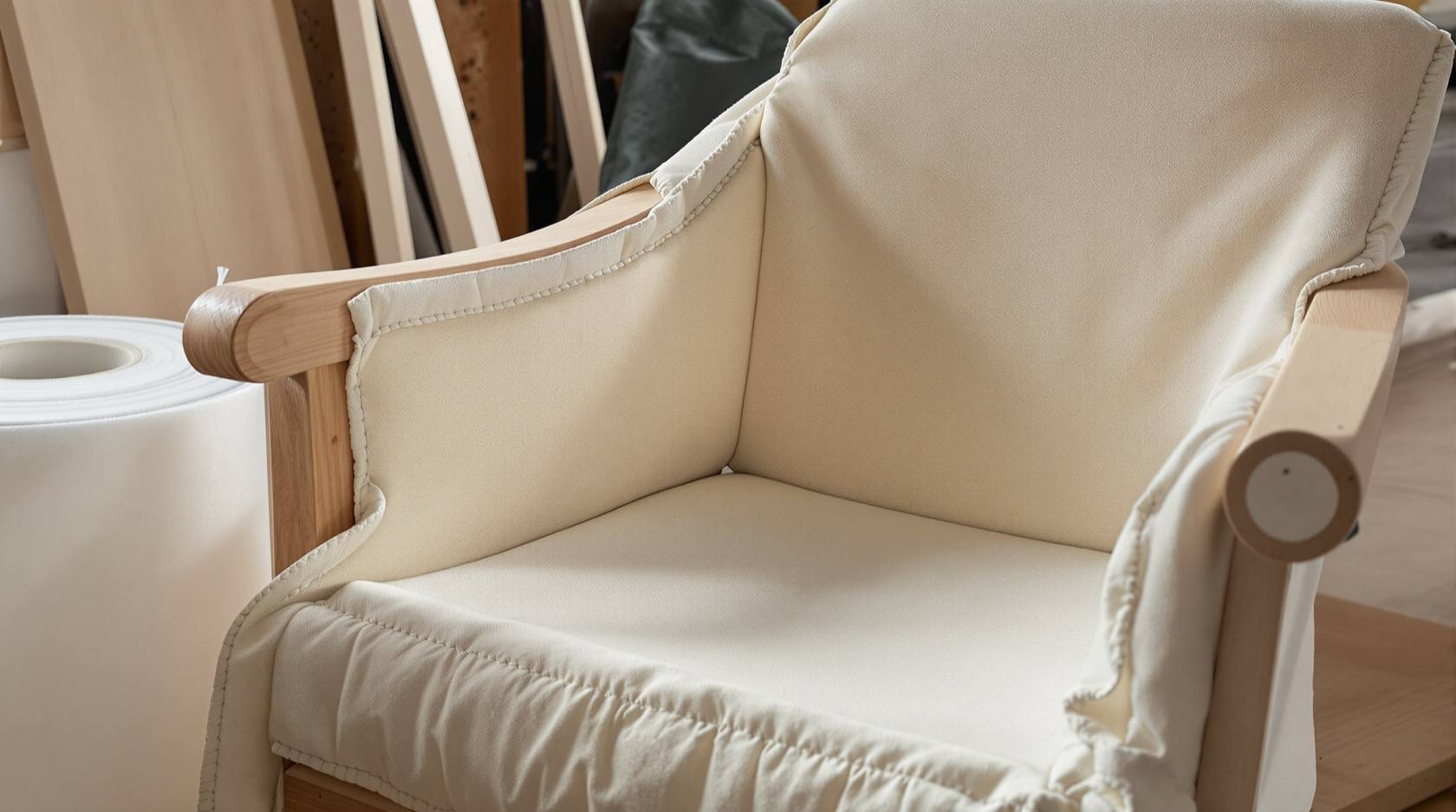
Reupholstery in India: When to Reupholster, Cost & Process (2026)
The homeowner's guide to reupholstering furniture in India — the reupholster-vs-replace decision that turns on frame quality, what a full recover really includes, choosing durable new fabric, slipcovers as a cheaper route, how upholsterers quote, timelines and how to find a good one.
A sagging sofa, a dining chair worn through at the seat, a headboard gone dull and greasy — the reflex is to throw it out and buy new. Often that is the wrong call. If the piece has a good frame, reupholstery gives you a sofa that is structurally as sound as the day it was made, in a fabric you actually chose, usually for less than a comparable new one. If the frame is cheap and already tired, recovering it is money poured into a lost cause. The whole decision turns on one thing most people never look at: what is under the fabric.
This guide walks the reupholster-vs-replace call, what a proper recover includes, how to choose the new fabric, when a slipcover will do instead, how the job is quoted and timed, and how to find an upholsterer who will not disappoint you. It is part of the Furniture hub and sits alongside the day-to-day fabric upholstery care guide and the furniture repair and restoration guide — reupholstery is where care and repair meet a full rebuild.
Scope & how to read this. Every rupee band, foam density and fabric figure here is indicative and typical, meant to help you judge whether a piece is worth recovering and to brief an upholsterer — not a quote. Costs vary hugely by city, fabric, frame condition and workshop, so get two or three local quotes on your actual piece. Upholstery frames and springs are a craft: leave the stripping, retying, foam-cutting and stitching to a skilled upholsterer — this guide helps you decide and specify, not do the job yourself.
Reupholster or replace? The frame decides
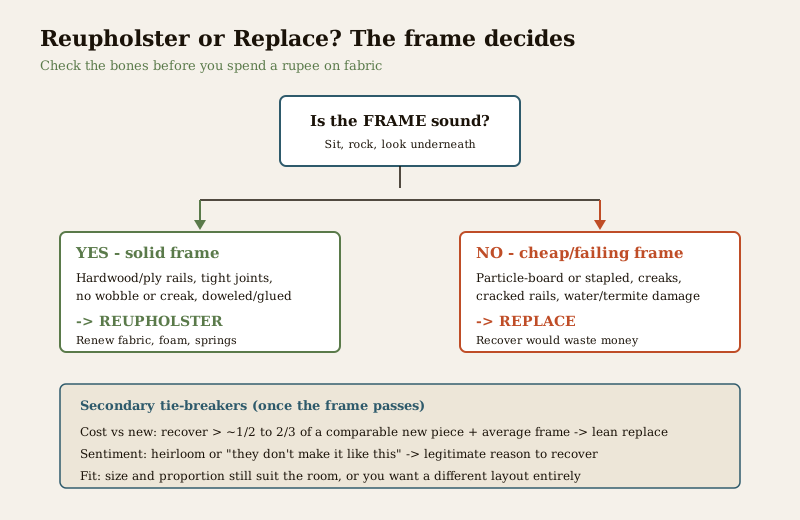
Sentiment, budget and looks all matter, but the honest starting question is structural: is the frame worth saving? A solid hardwood frame — properly jointed and glued, no wobble, no cracks — is the expensive, long-lived part of any sofa or chair. Fabric, foam, springs and webbing are all consumables that wear out and can be renewed. If the bones are good, everything else is refreshable. If the frame itself is failing, you are recovering a problem.
Use this test. Sit, lean and rock the piece hard. A good frame feels dead solid with no creak, twist or give. Then look underneath: solid wood (or good engineered-wood ply) rails, proper corner blocks, joints that are doweled or screwed and glued — not stapled particle board. Learn the difference in the solid wood furniture guide.
| Situation | Lean reupholster | Lean replace |
|---|---|---|
| Frame | Solid hardwood/ply, tight joints, no wobble | Particle-board or stapled frame, creaks, cracked rails |
| Age & make | Older, well-built, hard to buy that quality now | Cheap flat-pack piece near end of life |
| Sentiment | Family piece, heirloom, "they don't make it like this" | No attachment; happy to change style entirely |
| What's wrong | Only cover/foam/springs are tired; frame fine | Frame sagging, smells, water/termite damage in wood |
| Cost logic | Recover cost well below a like-for-like new piece | Recover approaches or exceeds a decent new sofa |
| Fit & style | Size and proportion still suit the room | You want a different size, layout or configuration |
A useful rule of thumb: if a full reupholstery is likely to cost more than about half to two-thirds of a comparable new piece, and the frame is only average, replacing is the rational choice. But when the frame is genuinely superior to anything at that price today — common with older teak and solid-frame sofas — recovering wins even at higher cost, because you cannot buy that frame new at any sensible money. Sentiment is a legitimate tie-breaker; just make sure the frame can carry the investment.
What a full reupholstery actually includes
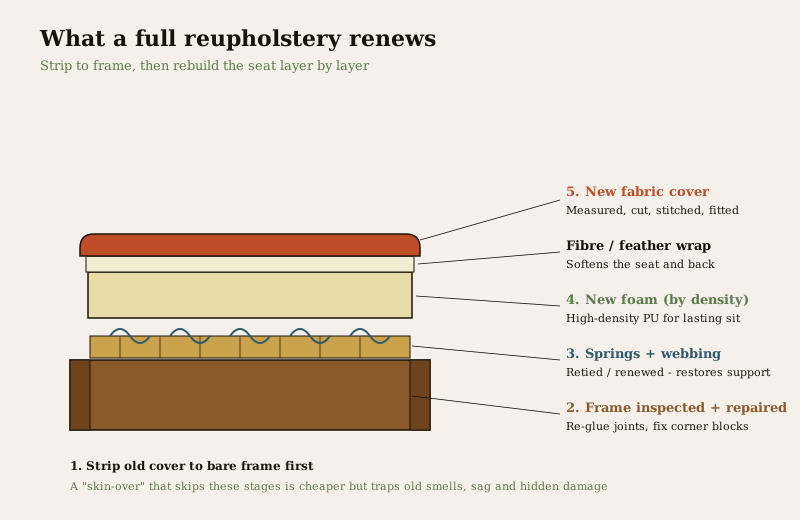
"Reupholstery" is not just a new fabric wrapped over the old. A proper full job is a strip-back-to-frame rebuild. Knowing the stages lets you read a quote and spot a shortcut.
- Strip the old cover. Every layer comes off — fabric, staples/tacks, old wadding, sometimes the foam and webbing — back to the bare frame. Half-jobs that skin new fabric over old are cheaper but trap old smells, sagging foam and hidden damage.
- Inspect and repair the frame. With the frame exposed, the upholsterer re-glues loose joints, replaces broken corner blocks, tightens or replaces rails. This structural pass is the whole reason reupholstery beats a slipcover. Deeper wood damage overlaps with the repair and restoration guide.
- Replace or retie springs and webbing. Sagging comes from stretched webbing and tired springs, not just flat foam. Coil springs are re-tied (eight-way hand tying is the gold standard); zig-zag/serpentine springs and elastic webbing are renewed as needed. This is what restores the "sit."
- Replace the foam and padding. Old foam that has gone hard, yellow or crumbly is cut fresh — usually high-density PU foam for seats, softer grades and fibre/feather wrap for backs and cushions. Density matters more than thickness for how long the sit lasts; work out sheet sizes and cushion quantities with the fabric and foam calculator.
- New fabric cover. The chosen fabric is measured, cut, stitched and fitted — piping, buttons, zips and welts as per the style. Pattern-matching across panels is where good workmanship shows.
- Finish and detail. New dust cover underneath, legs cleaned or refinished, cushions filled and closed, the whole piece checked for a taut, even, wrinkle-free result.
| Job type | What's done | When it's enough | Relative cost |
|---|---|---|---|
| New slipcover / loose cover | Tailored removable cover over existing piece | Frame and foam fine; want a fresh look or washability | Lowest |
| Foam/cushion refresh only | Replace seat/back foam and fills; keep cover | Cover fine but the sit has gone soft/flat | Low |
| Recover (fabric only) | New fabric over sound existing foam and springs | Foam and springs still good; only fabric worn | Medium |
| Full reupholstery | Strip to frame, repair, retie springs, new foam + fabric | Frame good but foam, springs and cover all tired | Highest |
If only the sit has gone soft, a foam refresh may be all you need. If only the fabric is tired but the foam and springs are sound, a recover suffices. Reserve the full strip-back for pieces where everything under the cover is due — that is where it earns its cost.
Choosing the new fabric
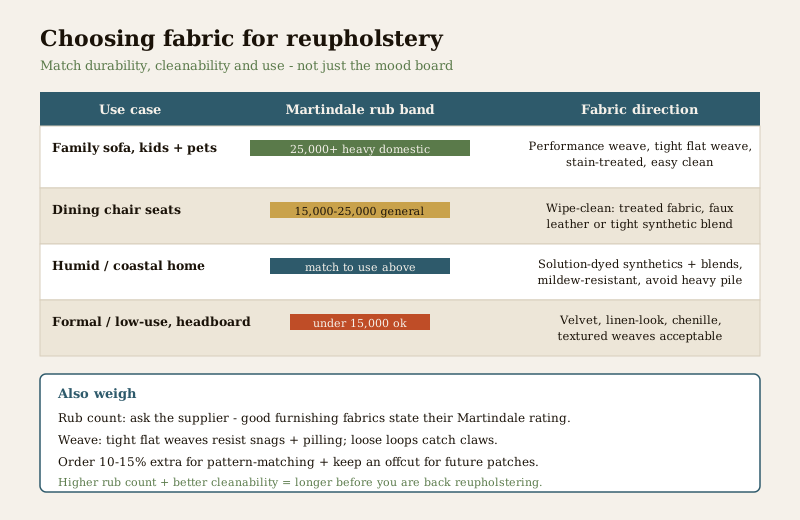
The fabric decides how the piece looks and how long the recover lasts before you are back here again. Match the fabric to how the piece is actually used, not just to the mood board. The broader material trade-offs are in the upholstered furniture guide; this is the reupholstery-specific shortlist.
- Durability (rub count). Upholstery fabric is rated by the Martindale abrasion test. As a working guide: under ~15,000 rubs suits light/occasional use; ~15,000–25,000 is general domestic; 25,000+ (heavy domestic) is what you want for a family sofa or anything with kids and pets. Ask the supplier for the rub count — good furnishing fabrics state it.
- Cleanability. Look for the cleaning code and stain resistance. Performance fabrics and solution-dyed weaves clean far better; some are water-and-stain treated. For homes with children or pets, cleanability beats a delicate hand every time. The fabric upholstery care guide covers codes and day-to-day cleaning.
- Weave and fibre. Tight, flat weaves resist snagging and pilling; loose or looped weaves catch claws. Blends with polyester or acrylic add abrasion and fade resistance; pure cotton and linen feel lovely but wear and crease faster.
- India-specific realities. Humidity and monsoon damp favour synthetics and blends that resist mildew and dry quickly; heavy velvets and thick weaves hold dust and take longer to air. In high-sun rooms, choose fade-resistant, solution-dyed fabric.
- Leather is a different track. Recovering in leather or leatherette is specialised and costlier; its care differs entirely — see the leather furniture care guide.
| Use case | Prioritise | Fabric direction |
|---|---|---|
| Family sofa, kids and pets | High rub count + easy clean | Heavy-domestic (25,000+) performance weave, tight flat weave |
| Formal / low-use seating | Look and hand | Velvet, chenille, textured weaves acceptable |
| Dining chair seats | Wipe-clean, spill resistance | Treated fabric, faux leather, or tight synthetic blend |
| Humid / coastal home | Mildew and damp resistance | Solution-dyed synthetics and blends, avoid heavy pile |
| Headboard | Look over abrasion (low contact) | Velvet, linen-look, softer fabrics fine |
Order 10–15% extra fabric for pattern-matching and future spot repairs, and keep a leftover metre for arm-cap or cushion patches later. The fabric and foam calculator turns your piece's dimensions into an indicative metreage and foam sheet count to check a quote against.
Slipcovers — the cheaper alternative
If the frame and foam are sound and you mainly want a fresh look or a washable surface, a tailored slipcover (loose cover) can do the job at a fraction of a full recover. It slides over the existing upholstery, comes off for washing, and lets you change the look seasonally. The trade-offs: it will never sit as crisp and tailored as a fitted recover, it does nothing for sagging foam or a loose frame, and a well-made custom slipcover in good fabric is not trivially cheap either. Treat it as a refresh, not a repair — when the sit has gone or the frame creaks, you still need the real job.
How reupholstery is quoted, and the timeline
Upholsterers quote from three inputs: fabric metres, foam and materials, and labour. Understanding the split helps you see where the money goes and where you can flex.
- Fabric. Metreage times price per metre. A sofa can take anywhere from a handful to well over a dozen metres depending on size, arms, cushions and pattern-matching. Fabric is the line you most control by choosing the grade.
- Foam and materials. New foam (priced by density and volume), springs/webbing if renewed, wadding, zips, buttons, piping, dust cover, staples and adhesive.
- Labour. The craft — stripping, frame repair, spring tying, cutting, stitching, fitting. Complex shapes, tufting, buttoning and piping add hours. Labour is usually the largest single share on a full job.
Because the split is so piece-specific, cost bands are only indicative — a small chair seat is minor, a large sectional with hand-tied springs and buttoned back is a major project. Always get an itemised quote separating fabric, materials and labour, and two or three quotes to calibrate. For sizing and buying context if you tip toward replacing, see the sofa buying and sizing guide.
Timeline. A dining-chair seat pad might be same-day or a few days; a full sofa reupholstery typically runs one to three weeks once fabric is in hand, longer if fabric is being sourced or ordered, the frame needs real repair, or the workshop is busy. Confirm the timeline and whether they collect and deliver before committing.
Finding a good upholsterer — and what to ask
The workmanship gap between upholsterers is wide, and it hides under the fabric. Vet before you commit:
- See finished work and references. Ask for photos or addresses of completed jobs; look at seam straightness, pattern-matching, taut even panels and neat piping.
- Ask what the quote includes. Confirm it is a strip-to-frame job if that is what you need — new foam, springs retied/renewed, frame repaired — not a skin-over. Get it itemised.
- Foam density and fabric grade. Ask what foam density they will use for seats (higher density lasts longer) and confirm your fabric's rub count. Vague answers are a warning.
- Frame repair. Ask explicitly whether they open and repair the frame, or only recover. A good upholsterer treats the frame as the point of the job.
- Warranty and timeline. A confident workshop stands behind the frame repair and stitching for a period and gives a firm timeline.
- Fabric supply. Clarify whether you supply the fabric (COM — customer's own material) or buy through them, and how surplus and offcuts are handled.
Sustainability — recover beats discard
Reupholstering keeps a sound frame out of landfill and avoids the embodied energy of a whole new piece. A well-built frame can be recovered several times across its life; each recover renews only the consumable layers. That is genuinely the greener choice, and often the more characterful one — you keep a frame and proportion you cannot buy new. Where a piece is truly beyond saving, look for workshops that salvage frames and foam. Keeping furniture in service longer is the quiet backbone of the whole furniture maintenance guide.
How it connects
- Start from the Furniture hub pillar for the full picture, and the furniture maintenance guide for keeping pieces in service so they reach reupholstery in good frame shape.
- Judge the frame with the solid wood furniture guide and plywood furniture guide; day-to-day fabric care is in the fabric upholstery care guide and leather in the leather furniture care guide.
- Reupholstery overlaps frame repair — see the furniture repair and restoration guide — and the material trade-offs of covered furniture in the upholstered furniture guide.
- If you tip toward replacing, size the new piece with the sofa buying and sizing guide.
- Work out fabric metreage and foam sheets with the fabric and foam calculator, and keep every piece on a care rhythm with the furniture maintenance scheduler.
Key takeaways
- The frame decides. A solid hardwood/ply frame with tight joints is worth recovering; a cheap, stapled, sagging particle-board frame is not — check the bones before spending.
- Cost logic: if a full recover approaches half to two-thirds of a comparable new piece and the frame is only average, replace; when the frame beats anything you can buy new, recover even at higher cost.
- A full job is a rebuild — strip to frame, repair joints, retie/renew springs and webbing, replace foam, then new fabric. Know the stages to read a quote and spot a skin-over.
- Match fabric to use — heavy-domestic Martindale (25,000+), cleanable, tight-weave performance fabric for family sofas; save delicate weaves for low-use pieces; favour damp/mildew-resistant blends in humid India.
- Slipcovers refresh, they don't repair — cheaper for a look change or washability, but do nothing for sagging foam or a loose frame.
- Quotes split into fabric, materials and labour — get itemised, two or three quotes; a full sofa typically takes one to three weeks.
- Recovering a sound frame is the greener, often better-value choice than discarding and buying new.
References
- The IS furniture strength, safety and durability standards — general provisions for seating strength and stability (named generally; confirm current parts with BIS).
- Martindale abrasion test method for upholstery fabric durability (rub-count ratings; named generally) and fabric cleaning-code conventions.
- BIFMA furniture durability testing context for higher-use/commercial seating (named generally).
- Manufacturer and upholsterer specifications for foam density grades, spring systems and fabric rub counts — confirm on your actual materials.
- Local upholstery workshops and furnishing-fabric suppliers — for itemised quotes, fabric metreage, foam grades and realistic timelines.
All rupee bands, foam densities, fabric figures and timelines here are indicative planning aids only; frame condition, fabric and workmanship vary widely, so inspect the piece, get two or three itemised local quotes, and leave the stripping, frame repair, spring work and stitching to a skilled upholsterer.
Export this guide
Related Guides — Deep-dive reading
The Complete Guide to Furniture for Indian Homes (2026)
The start-here master guide for furnishing an Indian home — what furniture actually does, the five families of pieces, the decisions in the order you face them (space and needs, loose vs modular vs built-in, materials, size and layout, budget, buy, maintain), an honest read on plywood, humidity and termites, and where every choice hands off to the carpenter, the brand or the fixer.
FurnitureUpholstered Furniture in India: Foam, Fabric, Frames & Care (2026)
The anatomy-and-buying guide to sofas, beds, dining chairs, ottomans and recliners — the four layers that decide comfort and lifespan (frame, suspension, foam and fabric), how to read foam density, which covers survive Indian heat, kids and pets, and the quality checks that tell a ten-year piece from a two-year one.
FurnitureFabric Upholstery Care in India: Cleaning Codes, Stains & Protection (2026)
How to keep a fabric sofa or chair clean, fresh and long-lasting in Indian homes — reading the W/S/WS/X cleaning code before you touch it, weekly routine care, fabric-by-fabric notes, a stain-removal quick guide (turmeric and curry included), monsoon musty-smell defence, and when to protect, re-cover or reupholster instead.
FurnitureRelated Tools — Try Free
Apartment Furniture Size Chart
Standard furniture dimensions for Indian apartments — sofas, beds, tables, dining, storage.
Reference ChartFabric & Foam Calculator
Upholstery fabric metres and cushion foam for a sofa, chair or headboard, from seats, fabric per seat, cushion area and thickness.
Furniture CalculatorMaterial Decision Framework (M-Score)
Score 30+ Indian construction materials across cost, durability, climate fit, maintenance, and sustainability.
Materials