
Leather Furniture Care in India: Clean, Condition & Protect (2026)
How to keep a leather sofa or chair alive in India's heat, AC and monsoon damp — knowing your leather type, the weekly-to-seasonal clean-condition-protect routine, the things that quietly ruin leather, and the India-specific problems (mould, sun fade, hair-oil headrests) that catch every owner out.
A good leather sofa is bought once and expected to last a decade or two, and it can — but only if you treat it as a natural skin that lives in your climate, not as a wipe-clean plastic that looks after itself. India is unusually hard on leather: months of dry AC and summer heat pull the oils out and crack the surface, then the monsoon swings the other way and grows mould on the same sofa within a week of neglect. Add hair oil on the headrest, an evening of direct western sun, and a cat that treats the arm as a scratching post, and an expensive piece ages a decade in two years. None of that is inevitable. Leather care is genuinely simple once you know which leather you own and follow a short, honest routine.
This guide is part of the Studio Matrx Furniture hub. It sits beside the general furniture maintenance guide and the fabric upholstery care guide — read this one when the seat is leather (or "leatherette"), and use those for wood and cloth.
Scope & how to read this. This is homeowner upkeep — routine cleaning, conditioning and protecting the leather you already own — not re-colouring, re-dyeing or repairing torn or split leather, which is specialist work. Product frequencies here (weekly, every 3–6 months) are typical starting points; your climate, usage and the specific leather can push them either way, and the maker's or leather-conditioner brand's own instructions always win. Any cleaner or conditioner must be patch-tested on a hidden area first — leather finishes vary, and what is safe on one hide stains another. For deep stains, extensive mould, cracking, fading or tears, stop and call a professional leather technician (see the last section). Costs are indicative bands — get local quotes.
Know your leather first — because care is not one thing
Almost every leather mistake comes from treating all leather the same. The single most important step is identifying what you own, because an untreated aniline hide and a heavily coated pigmented sofa want opposite handling — and a large share of "leather" sofas sold in India are not leather at all.
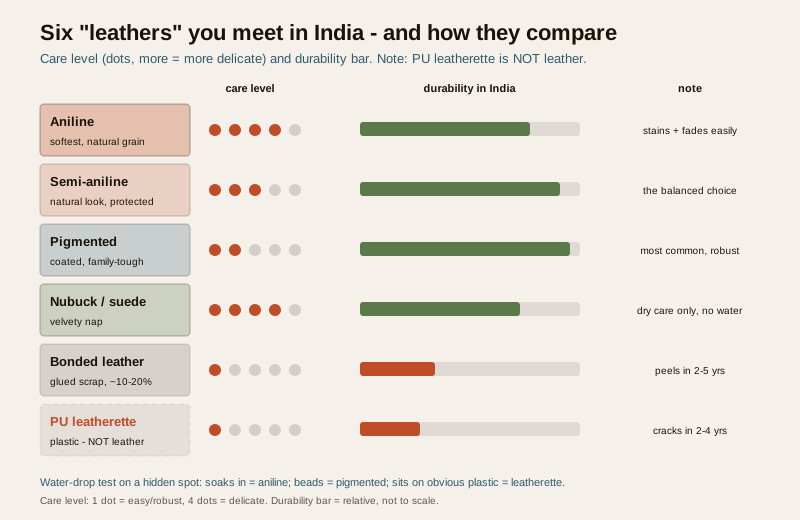
- Aniline (full-aniline) leather. The most natural, softest, most luxurious — dyed through but with little or no surface coating, so you see the real grain and it develops a patina. It is also the most delicate: it soaks up water, oils and stains readily and fades in sun. Rare and premium in India. Handle gently, condition faithfully, never soak.
- Semi-aniline leather. Aniline with a thin protective coat — keeps most of the natural look but resists stains and wear far better. A sensible premium choice for Indian homes; the middle path.
- Pigmented / protected leather. A pigment-and-polymer surface coat over the hide — the most durable, most stain-resistant and by far the most common "genuine leather" sofa in India. The one that tolerates a damp wipe and family life. Most mainstream leather sofas are this.
- Nubuck & suede. Leather buffed to a soft velvety nap — beautiful and delicate, marks with water and oil, and needs dry, brush-based, suede-specific care. Never use liquid cleaners or ordinary conditioner on nubuck or suede.
- Bonded leather. Leftover leather fibre ground up, glued and bonded onto a backing with a printed grain — sold as "leather" at a low price. It is 10–20% leather at best and, in Indian heat and humidity, the surface layer commonly peels and flakes within 2–5 years no matter how you care for it. Care can slow it, not stop it — set expectations before you buy.
- PU / PVC "leatherette" (faux leather / rexine). A fully synthetic plastic coating on a fabric backing — not leather at all. It is cheap, uniform and easy to wipe, but in India's heat it goes brittle and peels and cracks, often in 2–4 years. Wipe it clean, keep it out of the sun and off hot walls, and treat its lifespan honestly — no conditioner "feeds" plastic.
The table sets the six side by side so you can place your own sofa and follow the right column.
| Leather type | How to spot it | Care level | Typical durability in India | Care approach |
|---|---|---|---|---|
| Aniline (full) | Very soft, natural grain, absorbs a water drop | High — delicate | Long if cared for; stains/fades easily | Gentle dust; condition faithfully; never soak; keep out of sun |
| Semi-aniline | Natural look but water beads slightly | Medium | Long; good balance | Damp-wipe lightly; condition every 3–6 months |
| Pigmented / protected | Uniform colour, slight sheen, water beads | Low–medium — robust | Very long; family-friendly | Damp-wipe; mild leather cleaner; condition 2–3x/year |
| Nubuck / suede | Velvety nap, marks when rubbed | High — delicate | Long if kept dry; ruins with water | Dry brush only; suede-specific products; no liquids |
| Bonded leather | Very cheap, perfectly uniform "grain" | Low effort, poor payoff | Short — peels in 2–5 years | Gentle wipe; manage expectations; no fix for peeling |
| PU/PVC leatherette | Plastic feel, seam backing is cloth | Low | Short — cracks/peels in 2–4 years | Wipe clean; keep cool + shaded; not real leather |
Not sure which you have? A drop of water on a hidden spot tells you a lot: on aniline it darkens and soaks in; on pigmented it beads; on leatherette it sits on obvious plastic. When you buy, the honest hierarchy and price bands are covered in sofa buying and sizing and the broader upholstered furniture guide — a real leather sofa is a lifetime buy; leatherette is a short-term one, and knowing which you are choosing matters more than the showroom label.
The routine — clean, condition, protect
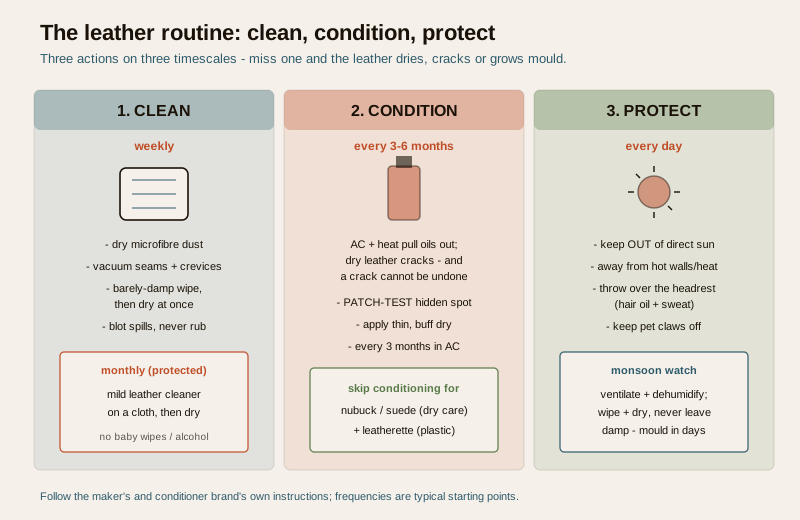
All good leather care reduces to three actions on three timescales: clean it weekly, condition it seasonally, and protect it every day by where and how you place and use it. Miss the conditioning and the leather dries and cracks; miss the cleaning and grime and oils grind in; miss the protection and sun and damp undo the other two.
Weekly — clean, gently
- Dust and vacuum. Wipe the whole sofa with a dry, soft microfibre cloth weekly, and vacuum the crevices, seams and under the cushions with a soft brush attachment — grit and dust are abrasive and work into the grain and seams.
- Wipe with a barely-damp cloth. For pigmented and semi-aniline leather, wring a soft cloth in plain water until it is only just damp, wipe the surface, then immediately dry it with a second clean cloth. Barely damp, never wet. For full aniline, keep even this minimal; for nubuck/suede, skip it entirely and brush instead.
- Deal with spills at once. Blot — never rub — a fresh spill with a dry cloth immediately. Speed matters far more than any product; a drink blotted in ten seconds usually leaves nothing.
Every 1–3 months — a gentle clean
Every month or so (more in a dusty or high-use home), give protected leather a wipe with a mild, leather-specific cleaner on a cloth, following the product's instructions, then dry. This lifts body oils and grime that plain water leaves behind. Use pH-balanced leather cleaner only — household cleaners are covered in the "what not to do" list below for good reason.
Every 3–6 months — condition
This is the step Indian owners skip and regret. Leather is skin; AC and summer heat pull the natural oils and moisture out of it, and once it dries it stiffens, loses suppleness and eventually cracks — and cracked leather cannot be un-cracked, only patched. A good leather conditioner (a cream or lotion, applied thin) replaces those oils and keeps the hide flexible.
- Frequency. Every 3–6 months for most homes; every 3 months for sofas that live in constant AC or catch afternoon heat, which dry faster.
- Patch-test first, every time. Apply a little to a hidden area (back, under a cushion), wait a few hours, and check it does not darken or mark before doing the whole sofa.
- Apply thin and buff. A small amount on a soft cloth, worked in with circular motions, left to absorb, then buffed with a dry cloth. Thin coats, not a slather — excess sits on the surface and attracts dust.
- Skip it for nubuck/suede and leatherette. Nubuck wants suede-specific products, not cream conditioner; leatherette is plastic and cannot be conditioned.
Every day — protect
- Keep it out of direct sun. UV fades and dries leather faster than almost anything — position the sofa away from a sun-struck window, or use blinds/curtains in the afternoon. Fading is covered again in the problems section.
- Keep distance from heat. Not against a wall that bakes in the sun, and away from heaters.
- Mind the headrest. Hair oil, sweat and skin oils transfer onto the top of the backrest and darken it — the single most common wear spot on an Indian leather sofa. A throw or antimacassar on the headrest, and regular cleaning there, prevents a permanent dark patch.
- Manage pets and sharp objects. Claws puncture and scratch leather permanently; keep pets off, or accept the marks as patina. Belts, buckles, keys and toys scratch too.
What NOT to do — the fast ways to ruin leather
Most ruined leather sofas were killed by well-meant cleaning, not neglect. Avoid every one of these:
- No baby wipes. They are the most common leather-killer in Indian homes — the alcohol and solvents in most wipes strip the finish and dry the leather over time. It looks convenient; it is slow poison.
- No alcohol, spirit, nail-polish remover or hand sanitiser. All dissolve the surface finish and leave dull, discoloured patches.
- No harsh or household cleaners. No dish soap, all-purpose spray, glass cleaner, bleach, ammonia, or bathroom cleaner — they strip oils and finish. Leather-specific products only.
- No soaking or excess water. Water drives into the hide, and as it dries it takes oils with it and can leave stiff, marked patches — especially on aniline. Barely damp, always dried off.
- No direct sun. Covered above — it is a "protect" rule and a "don't" rule at once.
- No hair oil, body lotion or food oil transfer. Oils darken and stain leather, and the darkening on headrests and armrests is usually permanent.
- No "quick" DIY hacks. Olive oil, coconut oil, vinegar and toothpaste do the rounds online — they can darken leather unevenly, go rancid, or strip finish. Use products made for leather.
- No parking sharp or hot objects on it. Laptops run hot; buckles and keys scratch.
The India-specific problems — and how to fix them
India throws problems at leather that temperate-climate advice never mentions. These are the ones that actually damage sofas here.
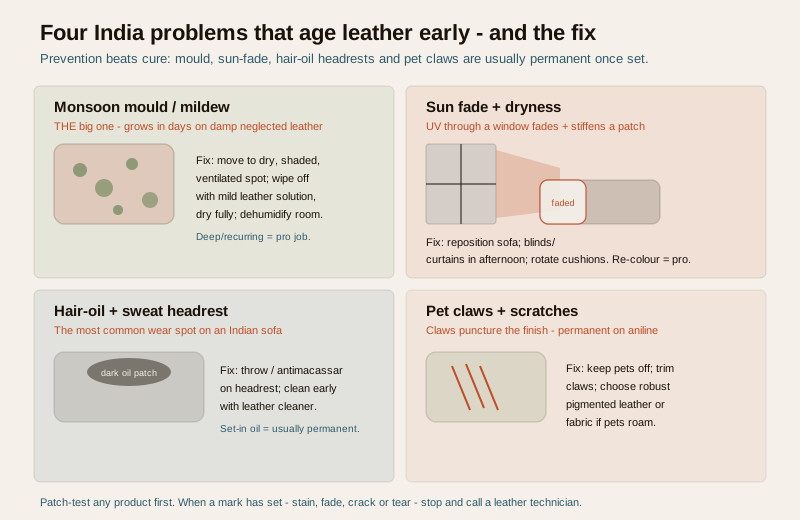
Monsoon mould and mildew — the big one. In humid coastal and monsoon-season homes, mould grows on leather within days if the air is damp and the sofa is neglected — you will see white, grey or greenish fuzzy spots and smell must. It feeds on the oils and dust on the surface. To clean it: take the sofa to a well-ventilated, dry spot (ideally outdoors in shade, not sun), and wipe the mould off with a cloth dampened in a mild solution — a little leather cleaner, or a very dilute mix used sparingly per product guidance — wiping outward so you lift rather than spread the spores, then dry thoroughly. To prevent it, which matters far more: keep the room ventilated and dry in monsoon, run a dehumidifier or AC dry-mode in badly affected rooms, keep the sofa away from damp exterior walls, wipe and dry it regularly so oils and dust do not build up, and never leave it damp. Persistent or deep mould, or a musty smell that will not clear, is a professional job.
Fading in the sun. Western and southern light through a window fades and dries the leather in the strike zone, leaving an uneven, lighter, stiffer patch. Prevention is the only real fix: reposition the sofa, use blinds or curtains in the afternoon, and rotate loose cushions so they age evenly. Faded leather is a re-colouring job for a professional, not a home fix.
Hair-oil and sweat staining on headrests. As above, the headrest and armrests darken from hair oil, sweat and skin oils — very common in India where hair oil is widely used. Clean these high-contact zones more often with leather cleaner, use a throw over the headrest, and act before the darkening sets, because once oils have driven deep the stain is usually permanent.
Pet claws and scratches. Claws puncture the finish and, on aniline especially, the mark is permanent. Keep pets off leather, trim claws, or choose a robust pigmented leather (or fabric) if pets have the run of the sofa — the trade-offs are in upholstered furniture.
Everyday heat and dryness. Even without a sunbeam, months of AC and ambient heat quietly dry the hide — which loops straight back to conditioning every 3–6 months as the defence.
Stain and problem quick-response
Blot first, act fast, patch-test any product, and know when to stop and call a pro.
| Problem | First response | Then | Stop and call a pro when |
|---|---|---|---|
| Fresh liquid spill | Blot at once with a dry cloth, do not rub | Barely-damp wipe if needed, dry | It has soaked deep into aniline |
| Grease / food oil | Blot; do NOT add water | Dab a little cornflour/talc to absorb, brush off gently, then leather cleaner | The dark oil mark has set in |
| Ink | Do not rub or spread | Try a leather-safe ink remover on a patch test only | Any hesitation — ink spreads and stains fast |
| Water mark / stiff patch | Let it dry naturally, away from heat | Condition once dry to restore suppleness | The leather has stiffened or discoloured |
| Monsoon mould | Move to dry, ventilated shade | Wipe off with mild leather solution, dry fully; dehumidify the room | It is deep, widespread, or the smell won't clear |
| Fading (sun) | Reposition; add blinds/curtains | Rotate cushions | You want the colour restored (re-colouring) |
| Headrest darkening | Clean early with leather cleaner | Throw/antimacassar to prevent recurrence | Oil has set — needs professional treatment |
| Scratch / scuff | Gently buff a light surface scuff | Condition the area | It is a puncture, deep gouge or tear |
Bonded and PU leatherette — care, and honest expectations
If your sofa is bonded leather or PU/PVC leatherette, care is simpler and the honest news is harder. Wipe it with a soft, barely-damp cloth and dry it; keep it out of direct sun and away from hot walls and heat, which is what makes the surface brittle; and do not waste money on leather conditioner, because there is no real leather to feed. What you cannot do is prevent the eventual peeling and flaking of the surface layer — it is a manufacturing limitation of glued/printed and plastic-coated materials in India's heat and humidity, and it typically shows in 2–5 years for bonded and 2–4 for cheap leatherette, whatever the care. Good care buys time and keeps it looking clean; it does not change the ending. Once it peels, the material cannot be restored at home — it is a re-upholstery decision, covered in upholstery replacement. If you are still choosing, weigh a genuine (semi-aniline or pigmented) leather or a good performance fabric against a leatherette that will not last — the material trade-offs sit in upholstered furniture and sofa buying and sizing.
When to call a professional
Home care handles cleaning, conditioning and protection. Hand it to a professional leather technician or restorer for anything structural or cosmetic-deep:
- Re-colouring or re-dyeing faded, worn or heavily patched leather.
- Tears, splits, deep gouges or seam failures — repair and re-stitching.
- Extensive or recurring mould and musty smells that home cleaning will not clear.
- Set-in stains (ink, oil, dye transfer) that resist gentle home treatment.
- Cracked or brittle leather that has dried past the point conditioning can revive.
- Structural sagging, broken frame or springs — that is upholstery/frame work: see furniture repair and restoration and, when the leather itself is past saving, upholstery replacement.
Ask for references and a patch test before any professional treats the whole sofa — the same rule you follow at home.
How it connects
- This is the leather chapter of the complete guide to furniture; pair it with the furniture maintenance guide for the whole-home routine and the fabric upholstery care guide when the seat is cloth.
- Understand the material before you buy or care for it in upholstered furniture and size and choose the sofa itself in sofa buying and sizing.
- When leather is torn, worn or past saving, move on to furniture repair and restoration and upholstery replacement.
- Put the conditioning and cleaning cadence on autopilot with the furniture maintenance scheduler.
- For a warm, characterful room to sit that sofa in, browse living-room design ideas and build a scheme in moodboards.
Key takeaways
- Identify your leather first — aniline, semi-aniline, pigmented, nubuck/suede, bonded, or PU leatherette — because their care is genuinely different, and much "leather" in India is bonded or leatherette that will peel whatever you do.
- Clean weekly, condition every 3–6 months, protect daily. The conditioning is the step Indian owners skip; AC and heat dry the hide and it cracks — condition faithfully and patch-test every time.
- Monsoon mould is the big India problem — keep the room dry and ventilated, wipe and dry the sofa regularly, dehumidify, and clean early spots in shade; deep or recurring mould is a pro job.
- Sun fade, hair-oil headrests and pet claws are the other India realities — prevent with position, blinds, a headrest throw and pet discipline, because all three are usually permanent once set.
- Never use baby wipes, alcohol, or household cleaners, and never soak it — leather-specific products only, applied thin, dried off.
- Set honest expectations for bonded/PU — care buys time, not a cure; peeling is built in.
- Call a pro for re-colouring, tears, set-in stains, cracking and heavy mould — home care stops at clean, condition and protect.
References
- IS furniture standards (the IS series for furniture strength, safety and durability) — named generally for construction and durability context, not leather chemistry.
- Leather furniture and leather-care product manufacturers' own care and conditioning instructions — the governing guidance for your specific hide and finish.
- Indian Green Building Council (IGBC) / GreenPro and BIFMA — for eco-certification and commercial furniture testing context (named generally).
- Professional leather technicians and restorers — for re-colouring, repair of tears, deep stain and mould remediation, and assessment of cracked or brittle leather.
All care frequencies, methods and durability notes here are indicative homeowner-upkeep aids only; always follow the furniture maker's and leather-conditioner brand's own instructions, patch-test any product on a hidden area first, and call a professional leather technician for re-colouring, tears, deep stains, extensive mould or cracked leather.
Export this guide
Related Guides — Deep-dive reading
Furniture Maintenance Guide: Keep Every Piece Lasting in India (2026)
The start-here routing guide to keeping furniture in good condition through Indian heat, humidity, monsoon, dust, hard water and termites — the one enemy and one habit for each material, a routine schedule you can actually follow, and where upkeep hands off to a professional.
FurnitureFabric Upholstery Care in India: Cleaning Codes, Stains & Protection (2026)
How to keep a fabric sofa or chair clean, fresh and long-lasting in Indian homes — reading the W/S/WS/X cleaning code before you touch it, weekly routine care, fabric-by-fabric notes, a stain-removal quick guide (turmeric and curry included), monsoon musty-smell defence, and when to protect, re-cover or reupholster instead.
FurnitureHow to Choose a Wash Basin in India: Mount Type, Size, Tap Holes & Budget (2026 Buyer's Guide)
A buyer's decision guide to picking the right wash basin — matching the mount type to your vanity and space, sizing it to the room, getting the tap-hole config right for your faucet, judging material and durability, checking what's in the box, good/better/best rupee tiers, the IS 2556 vitreous-china mark, and how to spot seconds, hairline cracks and warranty traps.
BathroomsRelated Tools — Try Free
Window Cleaning Cost Calculator
Estimate professional window cleaning cost per visit and per year by access and frequency.
Window CalculatorWindow Maintenance Cost Calculator
Estimate annual window upkeep by frame material — yearly, per-window and 5-year cost.
Window CalculatorCross-Ventilation Analyzer
Estimate airflow and air changes per hour (ACH) from room size, window areas, layout, and local wind — with NBC 2016 Part 8 compliance check.
Ventilation Calculator