
Home Lift Technical GuidesVolume 1 · Issue 4 · September 2026
The Home Lift, Explained
What lifts the car, how big and fast it should be, what it draws from the mains, and what keeps it safe in a power cut. This is the plain-language technical library — a 10-guide tour of how a home lift works, from drive mechanics to power, automation, rescue and noise.

How Home Lifts Work (India): Hydraulic, Traction, Screw and Vacuum Explained
How do home lifts actually work? A clear mechanical explainer of hydraulic, traction, screw and pneumatic vacuum drives, the counterweight efficiency principle, and the core components, from car and rails to governor, safety gear and ARD.
Read itHow a lift works
Mechanics, size and ride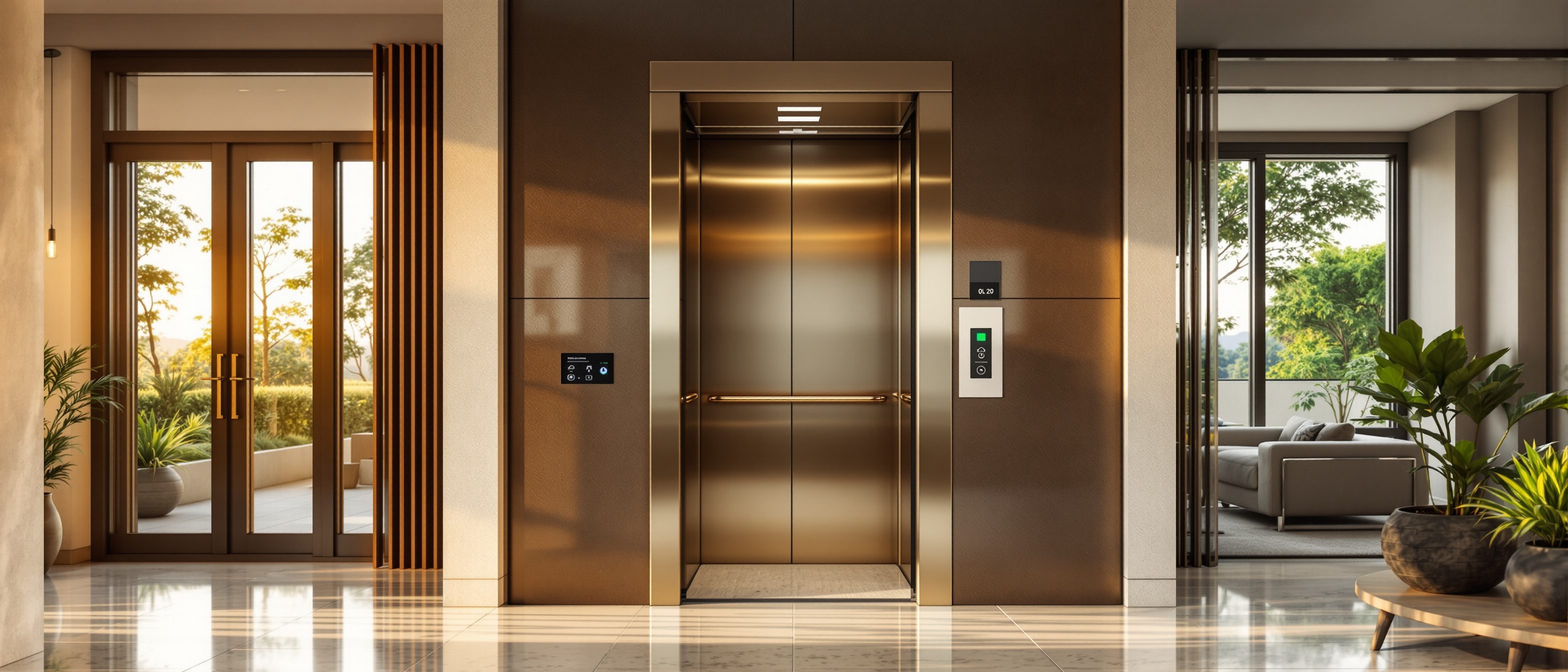 Capacity02
Lift Capacity Guide (India): Persons, Kilograms and Sizing the Car
How lift capacity works in India: the 75 kg per person convention, the 2 to 8 person home range, how IS 14665 ties load to cabin floor area, and how to size for your household and a wheelchair plus attendant.
 Speed03
Lift Speed Selection Guide (India): How Fast Does a Home Lift Need to Be?
Home lifts are slow by design — typically 0.15 to 0.5 m/s. Learn the speed range, why slow is better, PVE versus traction speed limits, how to choose by travel height with a ride-time table, and how higher speed adds cost and scrutiny.
 Noise04
Noise Reduction in Residential Lifts (India): A Quieter, Calmer Home Lift
A quiet home lift is designed, not bought. Learn where lift noise comes from, which drives run quietest, the dampening measures that work, and the single most important move — siting the shaft away from bedrooms behind a mass RCC wall.
Power and electrical
Supply, phase and backup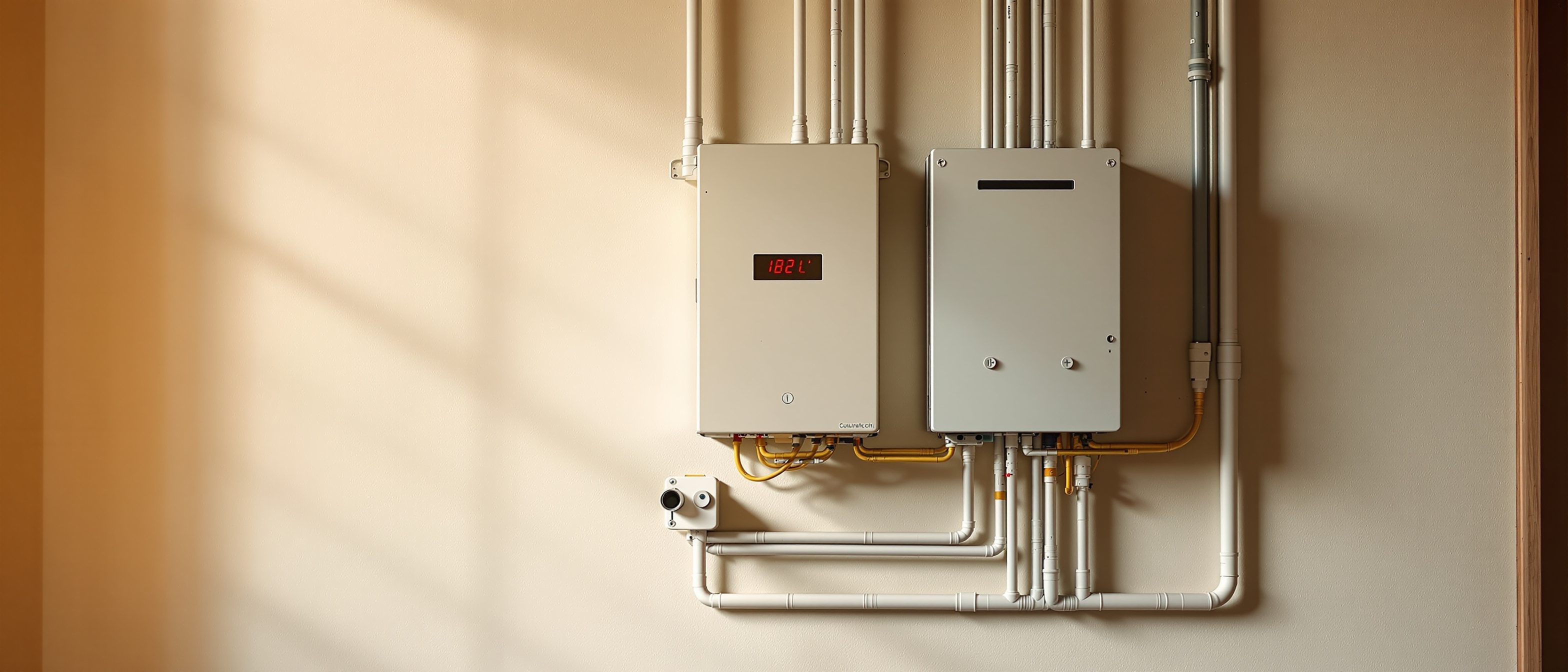 Power05
Lift Power Requirements (India): Load, Wiring, Earthing and Supply
A home lift draws only about 1.5 to 5 kW, but it needs that power delivered properly: a dedicated circuit, correct cable, MCB/RCBO protection, sound earthing and a stable supply. Plus what to provision with your electrician and vendor.
 Phase06
Single Phase vs Three Phase Lift Systems (India): Which Supply Does Your Lift Need?
Single-phase (230 V) drives compact PVE, small hydraulic and small gearless lifts; three-phase (415 V) is needed for higher capacity, speed and smoother torque. Most Indian homes are single-phase by default, so three-phase means a sanctioned DISCOM connection. A head-to-head table and decision method.
 Battery07
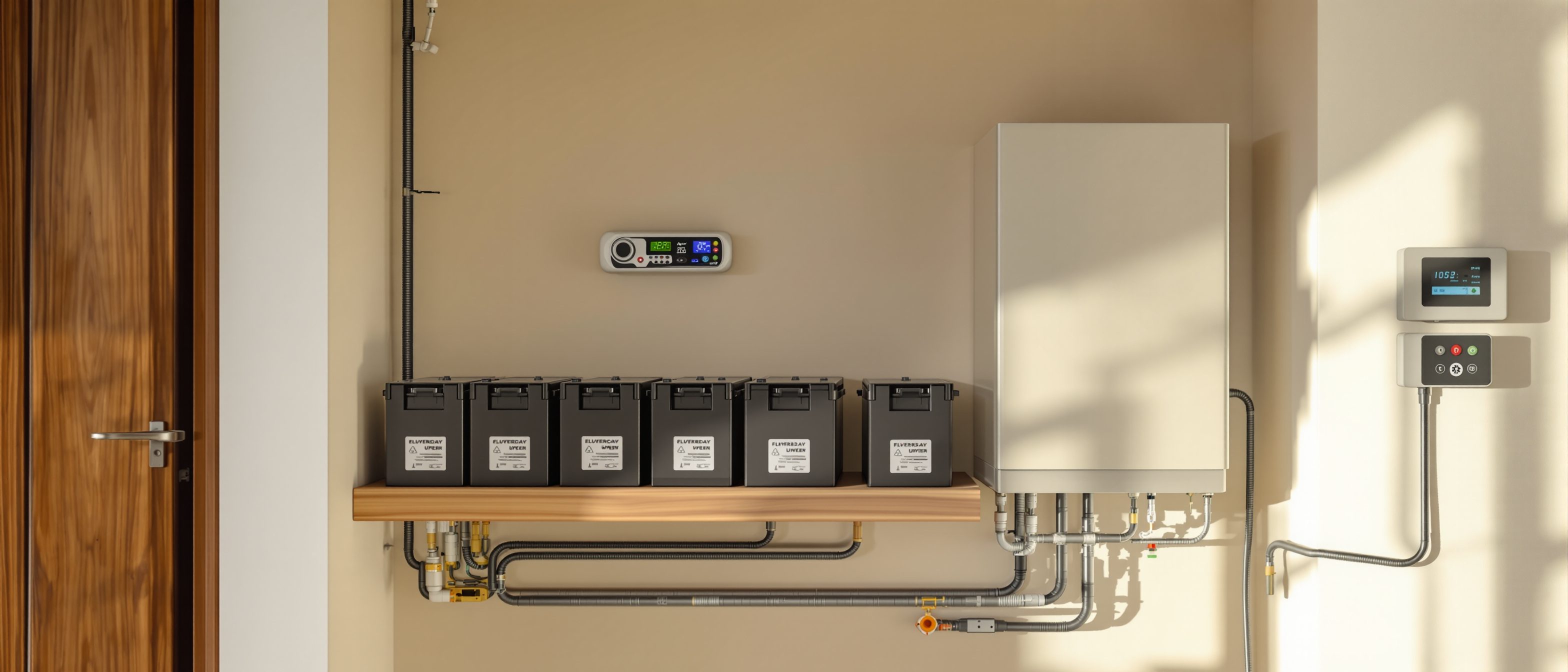
Battery Backup Systems for Elevators (India): ARD Battery vs Full Lift UPS
Two very different backups: a small ARD battery does one auto-rescue move to the nearest floor on a power cut, while a full lift UPS or inverter keeps the lift running on battery. Battery types, sizing, maintenance, and how to choose for India.
Automation, smart and safety
The lift that runs itself Automation08
Lift Automation Features Explained (India): Doors, Levelling, Control and Standby
Lift automation is the machine running itself without an attendant. This India guide explains automatic doors, auto-levelling, collective control, obstruction re-open, automatic standby and automatic rescue (ARD) — what each does, why it matters, and what to ask your vendor.
 Smart home09
Smart Home Integration for Elevators (India): Voice, App and the Connected Home
Connecting a home lift to your smart home: call it by app or voice, get arrival and fault alerts, tie in CCTV and intercom, and enable vendor predictive maintenance — while safety-critical doors, brakes and the ARD stay on the lift's certified controller.
 Rescue10
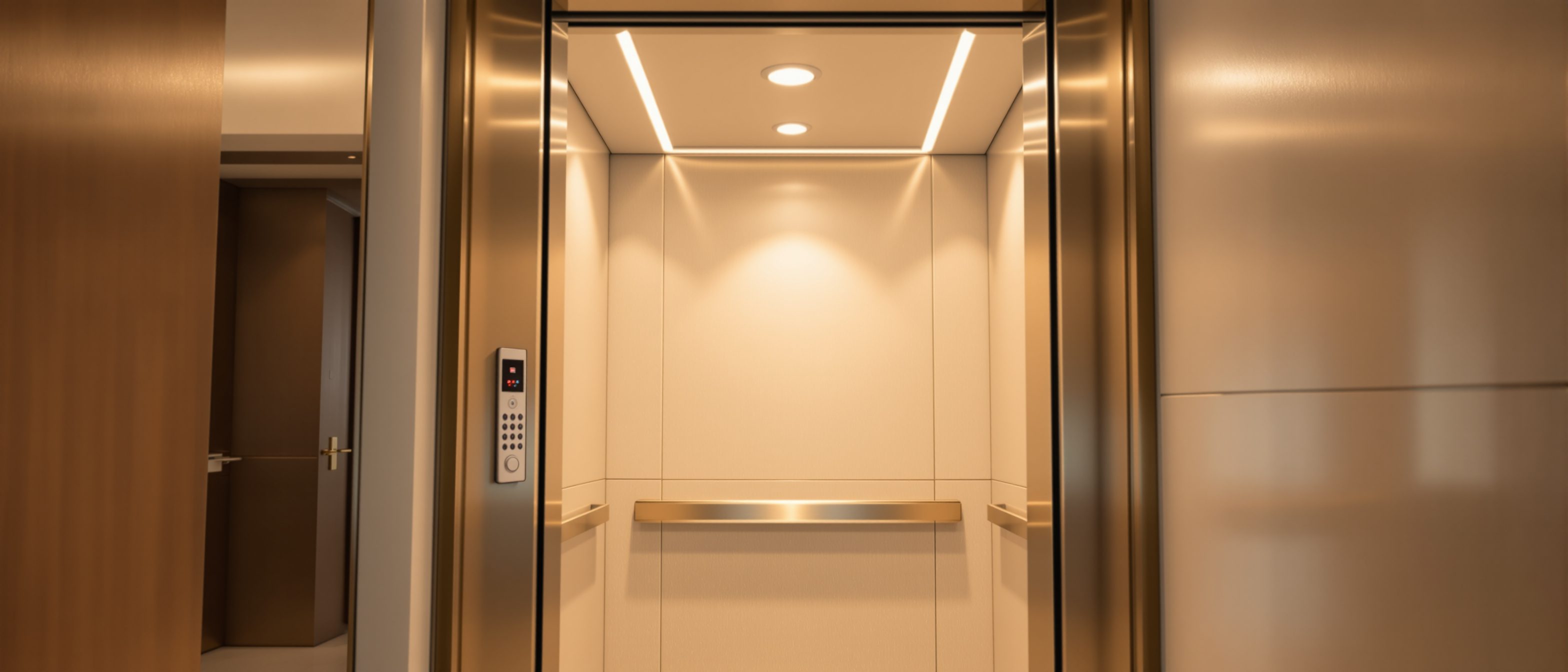
Emergency Rescue Systems in Home Lifts (India): ARD, Manual Rescue, Alarm and What to Do
What a home lift's rescue system actually does on a power cut: the Automatic Rescue Device takes you to the nearest floor and opens the doors, plus alarm, intercom, emergency light, and the calm step-by-step procedure if you are ever trapped.