
Lift Materials & ComponentsVolume 1 · Issue 4 · September 2026
The Lift, Part by Part
A reference for the curious and the careful — what the cabin, doors, floor, shaft and glass are made of, and how the motor, safety gear and controller actually work. A 8-guide technical library on the materials and components of a home lift in India.
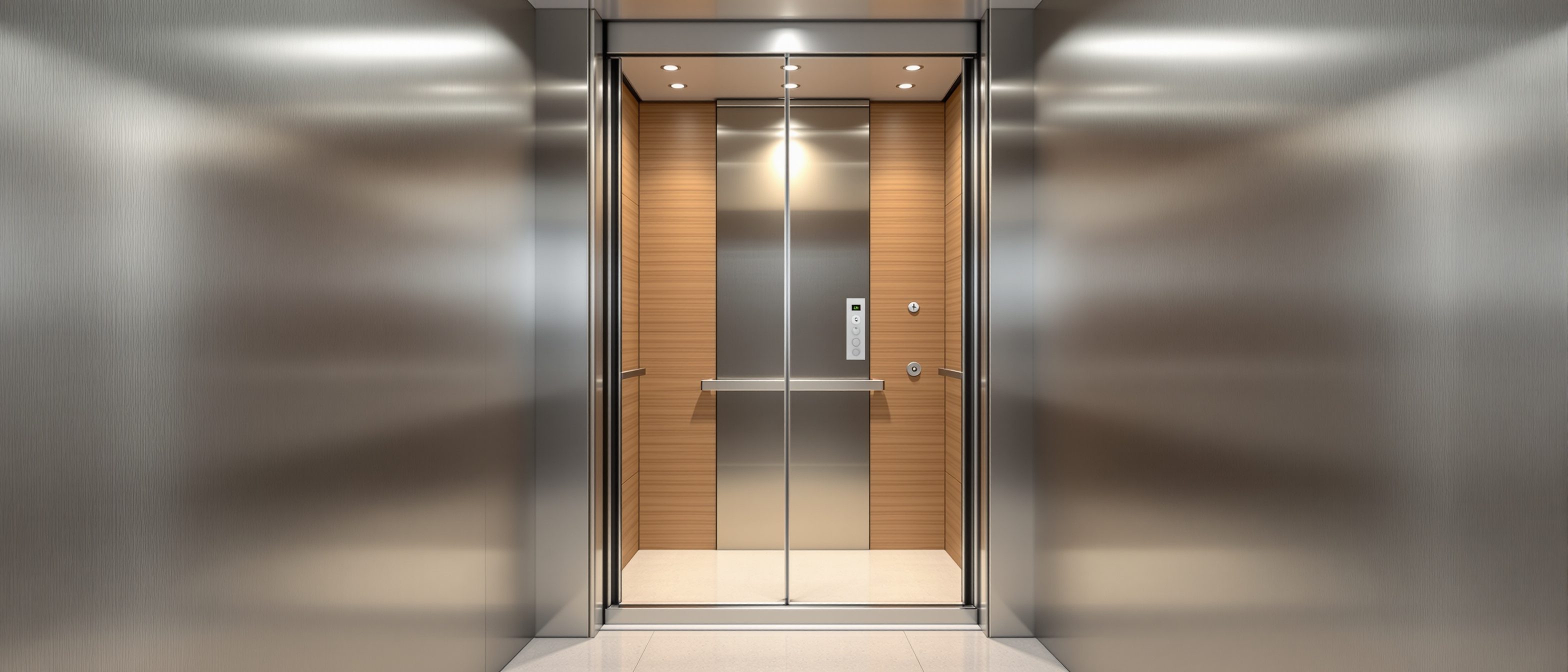
Lift Cabin Materials Guide (India): Grades, Finishes and Properties
The technical reference for what a home-lift cabin is made of: SS 304 versus SS 316, finishes from hairline to PVD, and glass, veneer, laminate, stone and solid surface scored on durability, corrosion, fire and weight.
Read itCabin materials and finishes
Walls, doors and floor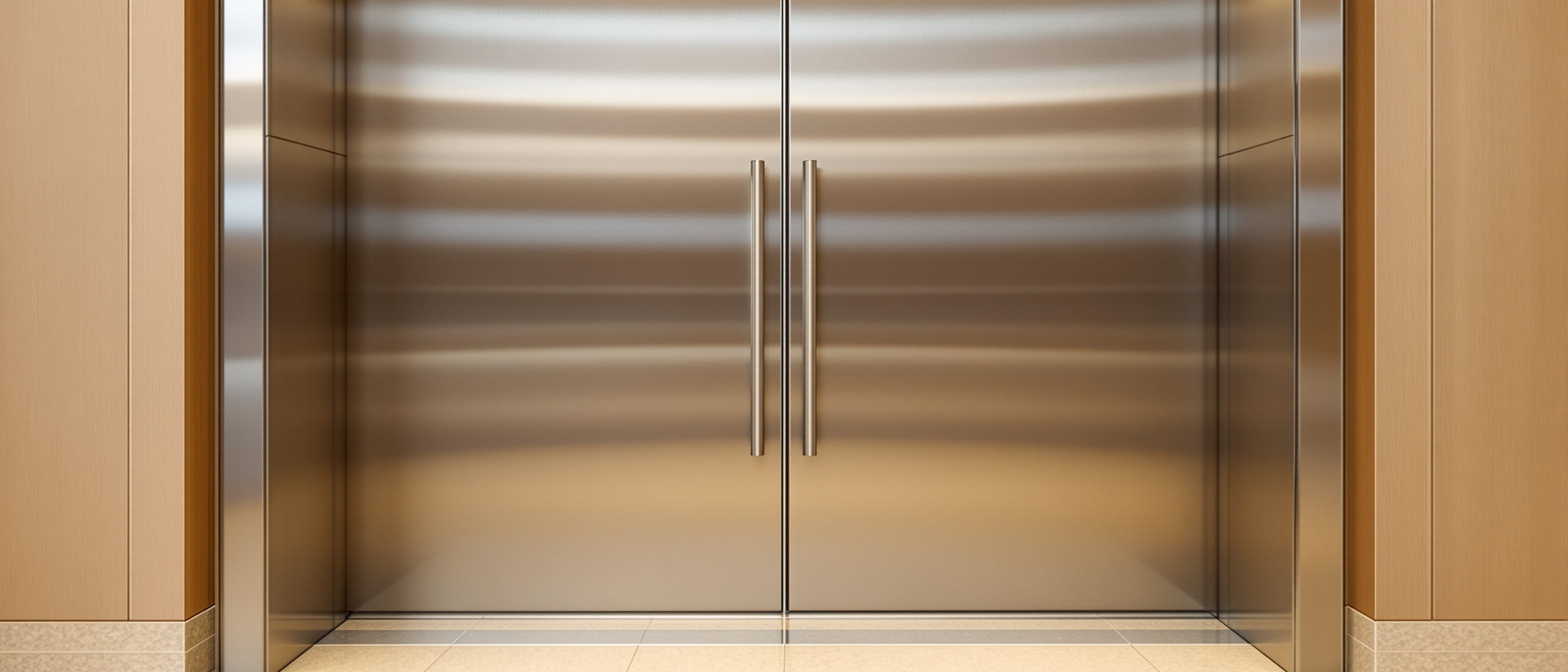 Doors02
Lift Door Types Explained (India): Manual, Telescopic, Centre-Opening and Glass
How lift doors really work: manual swing and collapsible, automatic telescopic and centre-opening, and full glass. Plus the door operator, safety edge and light curtain, the crucial door interlock, accessibility clear width and dwell, and fire-rated landing doors.
 Flooring03
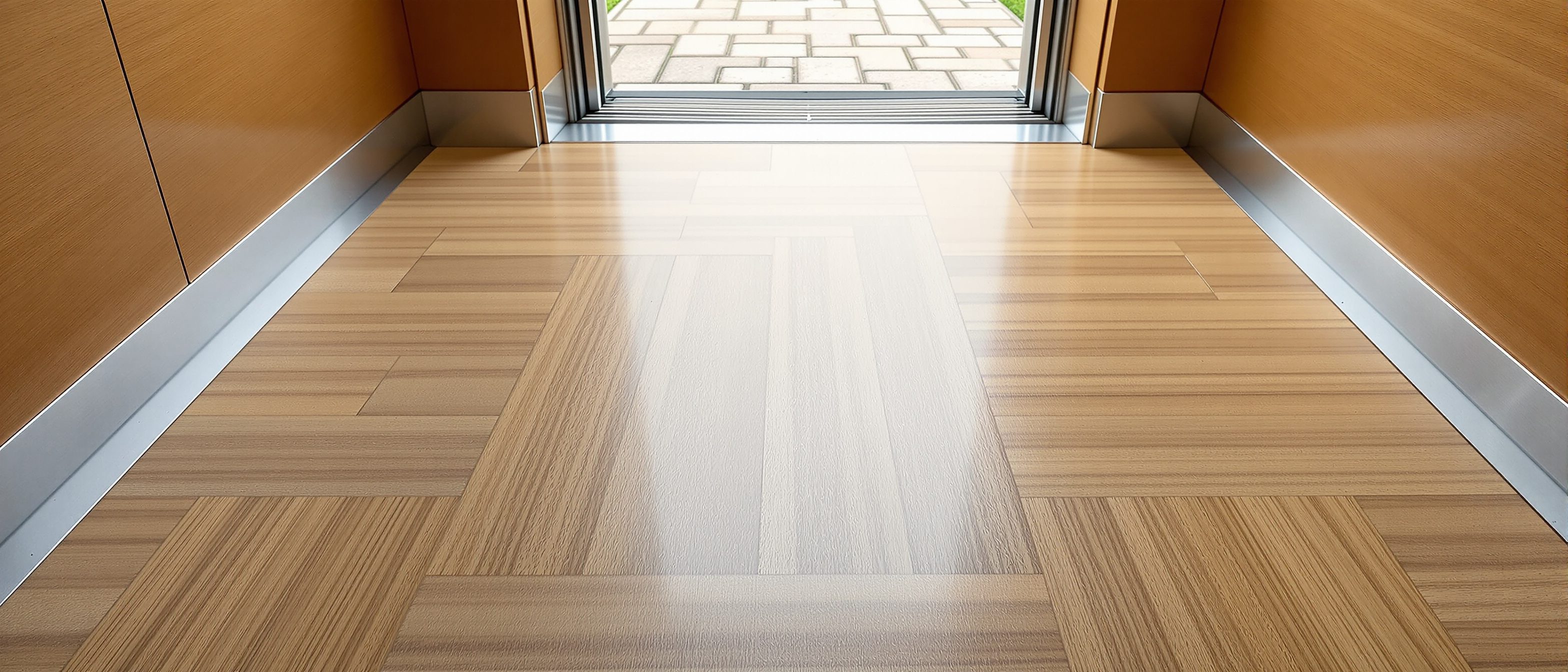
Lift Flooring Materials (India): Anti-Slip, Durable and Accessible
How to choose a home-lift cabin floor for safety and durability: textured vinyl, granite, wood-look, rubber and porcelain compared on slip resistance, weight, durability and cost — plus the anti-slip, level-threshold and contrast-nosing rules that matter most.
Glass and the shaft
The enclosure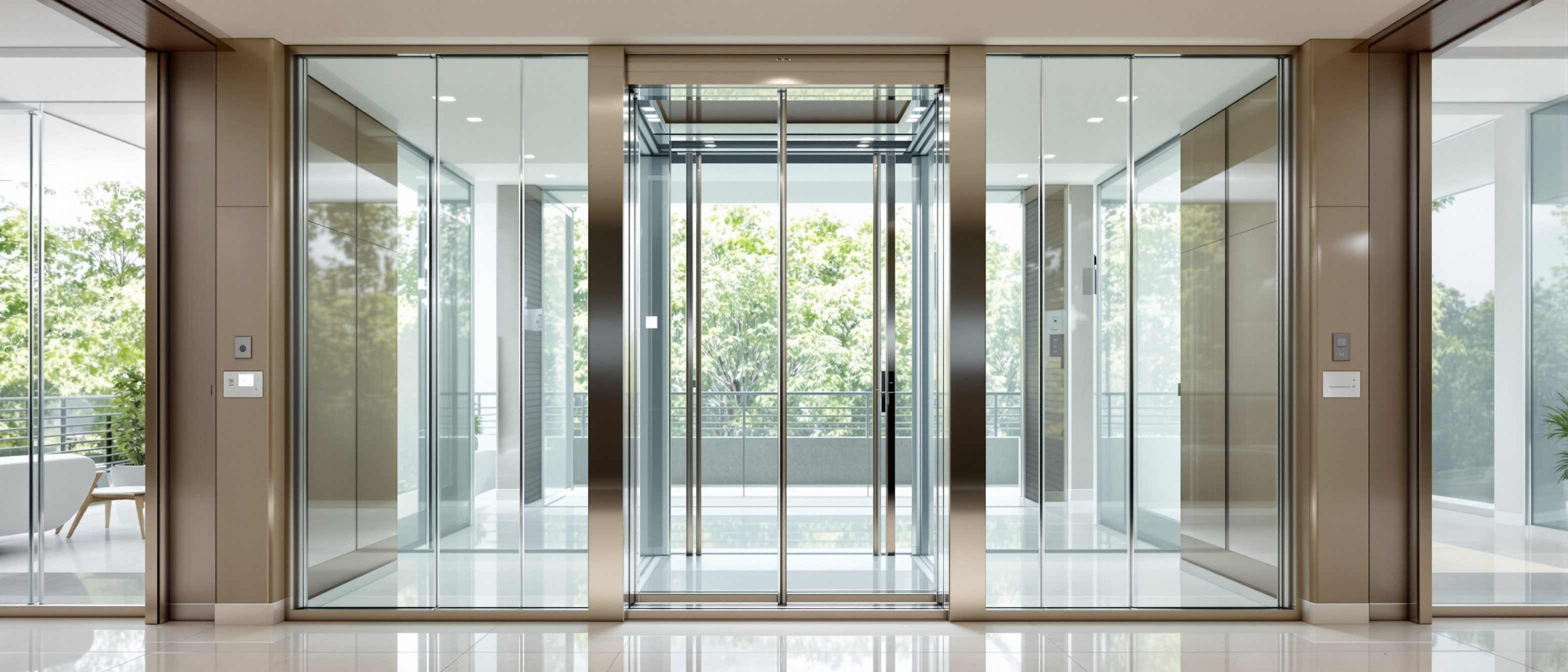 Glass tech04
Glass Elevator Technologies (India): Safety Glass, Types and Structural Engineering
The technology behind a glass home lift: laminated PVB and tempered safety glass, the glass types you can specify, curved and cylindrical panels for panoramic and vacuum cabins, structural-glass framing and fixings, and the real cleaning and maintenance demands.
 Shaft05
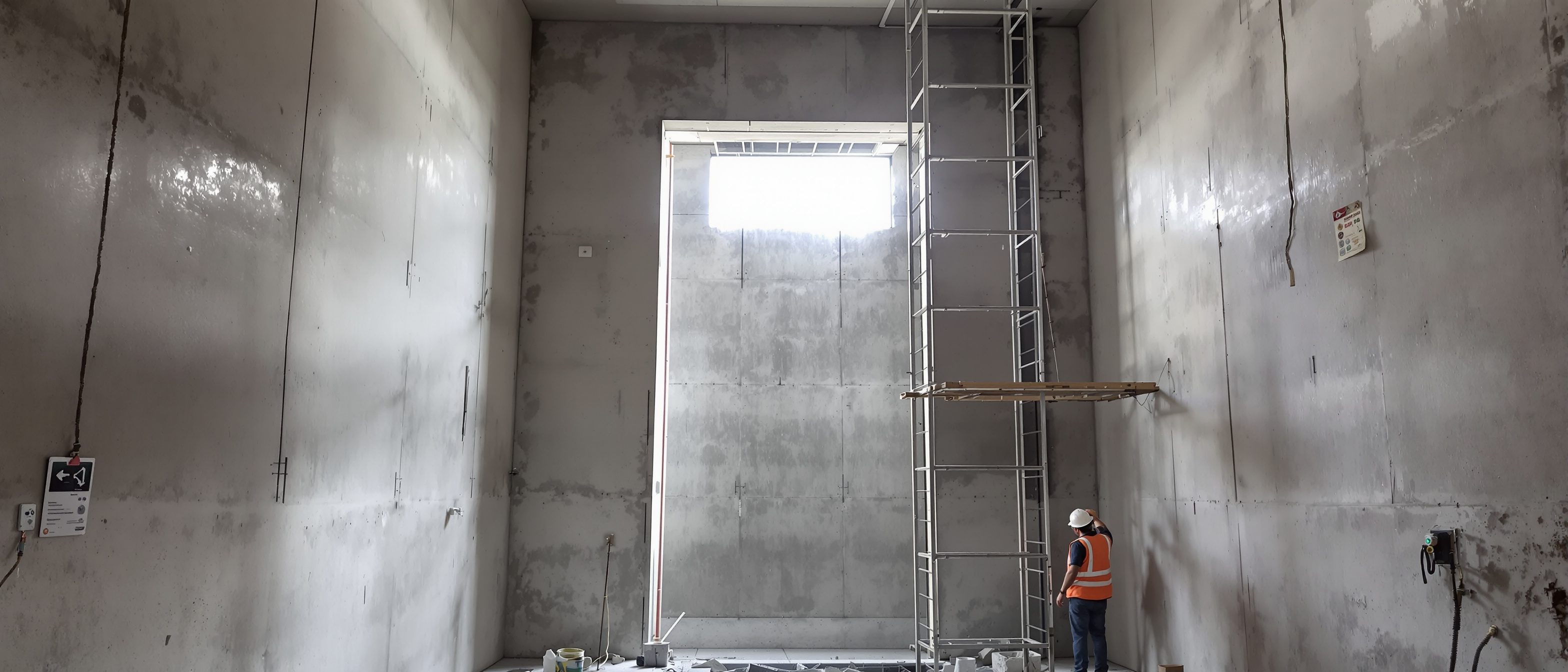
Lift Shaft Construction Materials (India): RCC, Steel and Structural Glass
A materials reference for building a home-lift hoistway in India: RCC core (the 150-200 mm unplastered standard), masonry infill on an RCC frame, self-supporting steel and aluminium structures for retrofits, and structural glass shafts, with trade-offs on load, sound, fire and the pit.
Core components
Motor, safety and brain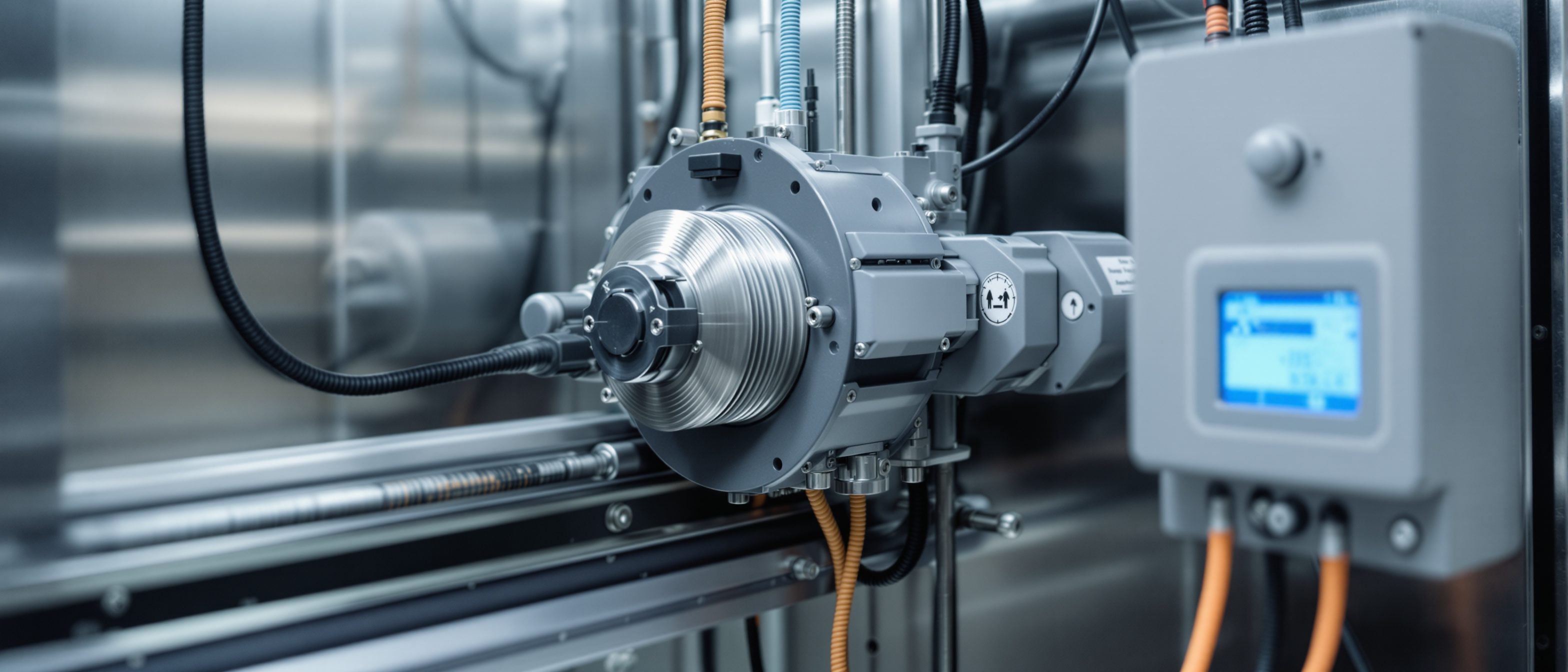 Motors06
Lift Motor Technologies Explained (India): Geared, Gearless PMSM, Hydraulic and VVVF
The motor and drive decide how quietly, smoothly and efficiently a lift moves. This reference compares geared traction, gearless PMSM and hydraulic pump motors, then VVVF and regenerative drive control, with a comparison table and standards for Indian homes.
 Safety parts07
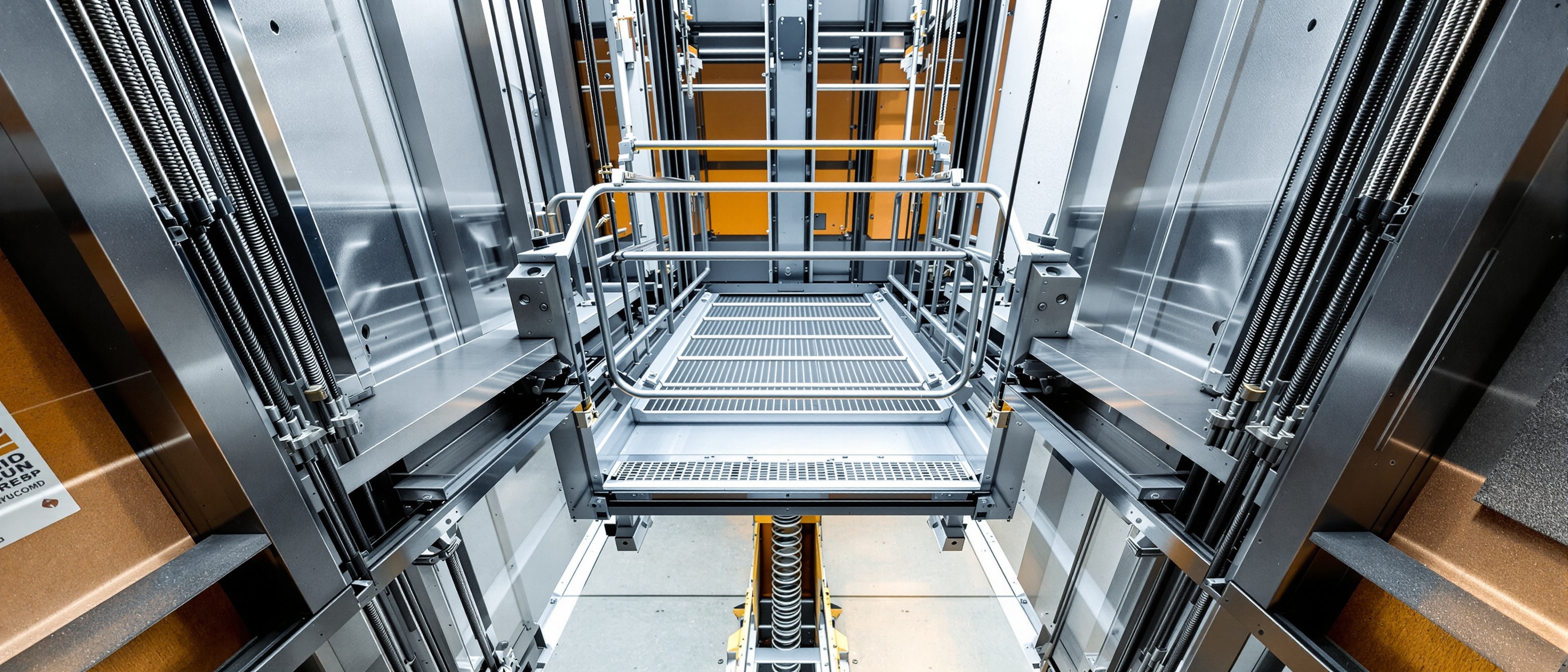
Elevator Safety Components Guide (India): Governor, Safety Gear, Buffers and Interlocks
A component-by-component reference to home-lift safety: the overspeed governor and safety gear that grip the rails at about 115 percent of rated speed, buffers, door interlocks, limit switches, UCMP, light curtains, emergency brake and ARD — why a lift cannot free-fall.
 Controller08
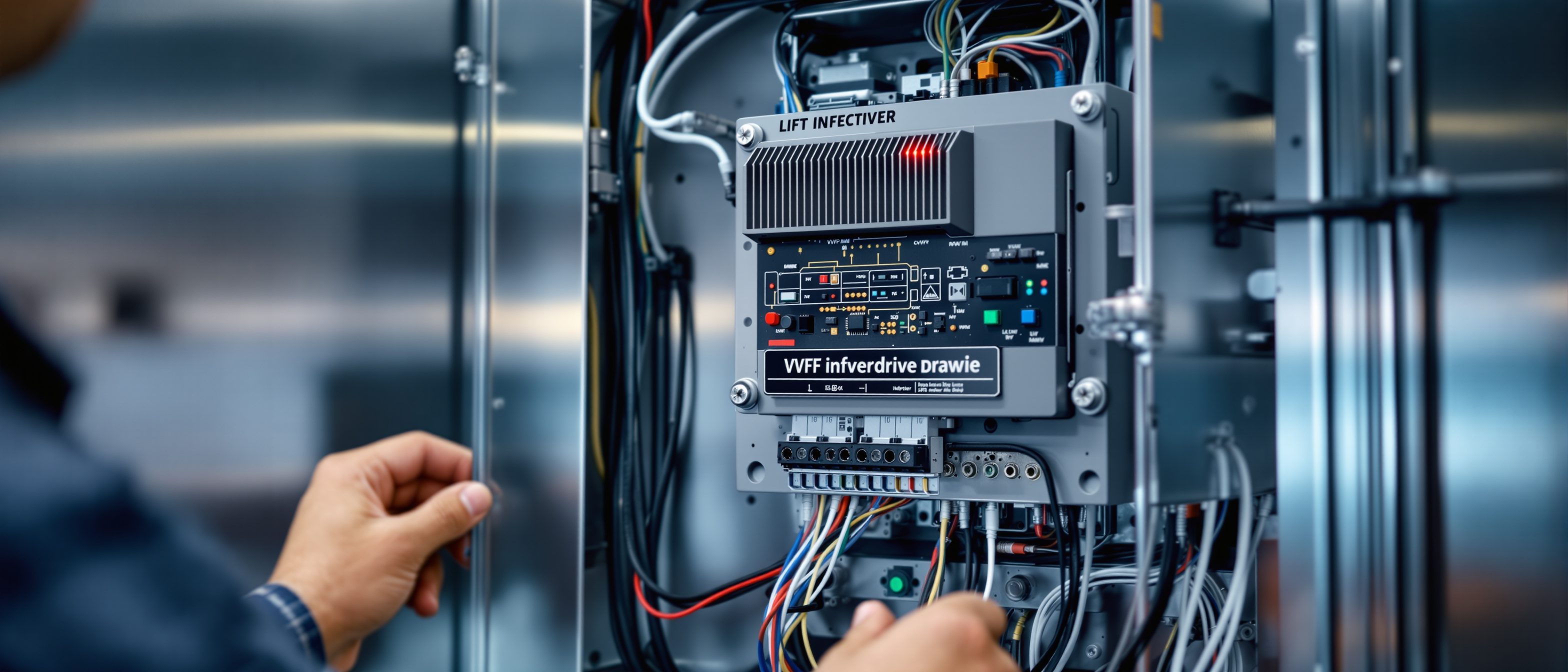
Lift Controller Systems Explained (India): The Microprocessor Brain, VVVF and Diagnostics
The controller is a lift's microprocessor brain. This technical reference explains how it commands the VVVF drive, registers and serves calls, levels the car, runs self-diagnostics, and keeps certified safety logic independent of any smart-home layer, aligned to IS 14665, IS 17900 and EN 81-20/50.