
Door Frame Gap Filling in India: Foam & Sealant (India 2026)
How to close the gap between a chowkhat and the wall with low-expansion PU foam, packers and backer rod without bowing the frame.
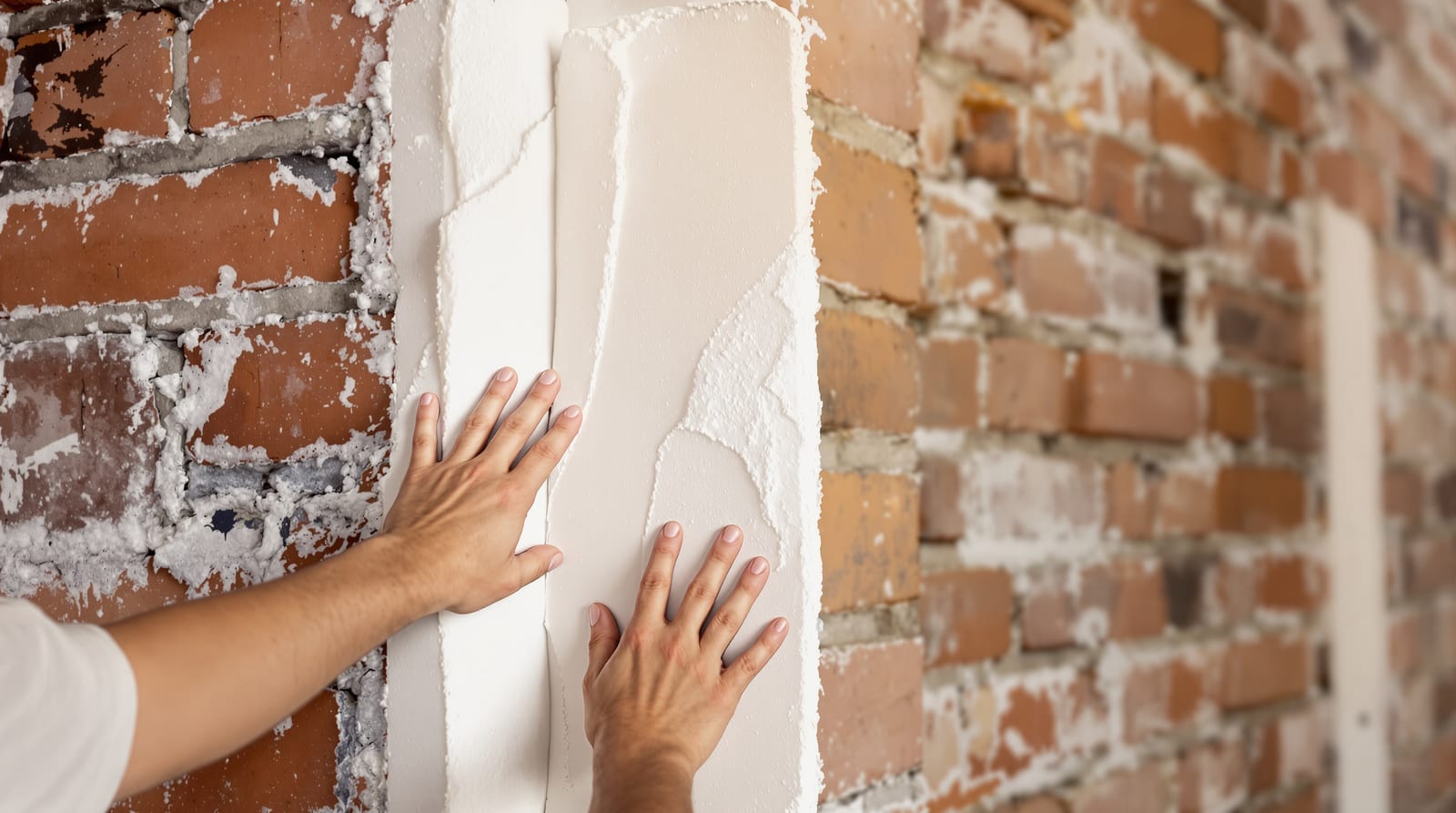
When a frame is set into an opening, it never sits tight against the masonry. A deliberate rough opening leaves roughly a 10-12mm gap on every side so the chowkhat can be wedged plumb and square. Door frame gap filling is the step that closes that void — and it is where a lot of otherwise good installs quietly go wrong. Fill it carelessly with the wrong foam and the jamb bows; the leaf rubs and the door never latches cleanly again. Fill it properly, with the frame braced and packers behind every fixing, and the door swings true for years. This guide walks an Indian homeowner through the three honest ways to close that gap — low-expansion PU foam, packers and shims, and backer rod with sealant — plus where cement mortar belongs and how to trim and finish the result.
Why the gap is there in the first place
The gap is not sloppy work; it is designed in. A frame fixed dead-tight against rough masonry can never be set plumb, and any movement in the wall would crack it. So the opening is built oversize, the frame is propped with wedges and packers until it is plumb, level and square, then fixed with holdfasts or screws. That leaves a continuous void all the way round that has to be filled to do three jobs: keep the frame from flexing between fixings, block draughts, dust and insects, and give the architrave something to sit against.
The key thing to understand before you reach for a can of foam is that the fixings carry the load, not the filler. The packers behind each screw or holdfast are what hold the frame rigid. The foam or mortar only fills the leftover space. Get the packing right and almost any sensible fill will behave; skip the packing and even the best foam will let the jamb bow.
The three ways to fill the gap
For the timber, WPC and uPVC frames in most Indian homes, you have three tools, often used together.
| Method | Best for | What it does | Watch out for |
|---|---|---|---|
| Low-expansion PU foam | Timber, WPC, uPVC interior & most exterior frames | Fills the bulk of the gap, insulates, lightly bonds | MUST be low-expansion grade or it bows the jamb |
| Packers / shims | Behind every fixing point | Carry the load, set the frame rigid and plumb | Pack at hinges & lock, not just mid-span |
| Backer rod + sealant | The visible junction, wet & external joints | Closes & weatherproofs the final line neatly | Needs a backer rod so sealant isn't three-sided |
Low-expansion PU foam
This is the workhorse. A low-expansion polyurethane (PU) foam is squirted into the gap as a thin bead, rises to fill the void, and cures into a closed-cell solid that insulates and seals. The single most important word is low-expansion. Standard "gap-filler" foam expands aggressively and can push a timber jamb inward by several millimetres — enough to make the door bind for good. Always buy a door-and-window grade can marked low-expansion.
As a rule of thumb, one 750ml can covers roughly two to three door perimeters, so a single can usually does a couple of internal doors. Apply with the frame fully braced, lay a thin bead about a third of the way into the gap, and let it rise — it is meant to grow, so under-fill rather than over-fill. Damp the surfaces lightly first in dry weather; PU foam cures with moisture and grips better on a misted surface.
Packers and shims
Packers are thin offcuts of timber, plastic or proprietary plastic shims slipped behind the frame at each fixing. They are not optional. Place a packer behind every screw or holdfast, and crucially behind each hinge and behind the lock/strike, because that is where the leaf's weight and the latch's thrust concentrate. Tighten the fixing onto a packed point and the jamb cannot bow there. Leave a fixing pulling against an unpacked gap and the jamb dishes inward the moment you drive the screw.
Backer rod and sealant
For the visible line at the frame-wall junction — and especially on external and wet-area joints — a closed-cell backer rod (a foam cord) is pushed into the gap to the right depth, then a bead of sealant is tooled over it. The backer rod stops the sealant bonding to the back of the joint, so it can stretch as a proper two-sided seal. Use paintable acrylic caulk internally and silicone for external and bathroom junctions.
Filling without bowing the frame
This is the part that separates a clean install from a lifetime of a rubbing door. The forces are simple: both expanding foam and wet mortar push outward on the jambs, and a thin jamb is easy to bend.
The defences are straightforward. First, brace the frame across the opening with timber spreaders cut to the exact rebate-to-rebate width at the head, mid-height and near the sill before any foam or mortar goes in. The spreaders hold the jambs apart against the outward push. Second, fill in stages — lay a thin bead of foam, let it rise and skin, then add more if needed rather than packing the whole void at once. Third, leave the spreaders in until the foam has fully cured (an hour or two), then check the door gaps are even before you commit to the architrave. If you used the right grade and braced properly, the jamb stays dead straight.
Steel and RCC frames: cement mortar, not foam
Pressed steel and RCC/precast cement frames are filled differently. Their gap is back-filled (grouted) with 1:3 cement mortar or fine concrete, packed in layers and rodded so no air pocket is left — this is structural, turning the hollow steel shell into a rigid composite. Foam is not a substitute for a steel frame's grout. The same bracing rule applies, because wet mortar pushes outward just as hard as foam. For the full method see door frame grouting and the steel-specific detail in steel door frames.
Trimming and finishing the foam
Cured PU foam swells proud of the gap, so it has to be cut back. Wait until it is fully hard — squeezing a half-cured bead just smears it. Then slice the excess flush with the frame and wall using a sharp utility knife or a fine handsaw, cutting cleanly so the surface is slightly recessed rather than bulging. Trimmed foam is not weatherproof or pretty on its own; it must be covered.
| Finish step | Material | Where |
|---|---|---|
| Trim flush | Utility knife / fine saw | All cured foam, both faces |
| Architrave / casing | Timber, MDF or WPC, mitred | Covers the junction, ₹40-150/rft |
| Internal seal bead | Paintable acrylic caulk | Frame-wall line, dry rooms |
| External / wet seal | Silicone over backer rod | Bathrooms, balconies, main door |
| Frame finish | Enamel paint / PU polish / laminate | To match the leaf |
Most homeowners cover the filled gap with an architrave (casing) mitred at the corners — it hides the foam line completely and gives a finished reveal. Where there is no architrave, or at external and wet junctions, run a backer rod and tool a neat sealant bead instead. Bare, untrimmed, unsealed foam degrades in sunlight and must never be left exposed on an external door.
A note on damp and termites
India's monsoon and termite realities matter here. Foam is not a damp-proof course — a timber frame foot must still sit on a DPC or stone block, and the timber foot in ground contact should be anti-termite treated. Silicone the external junction so wind-driven rain cannot track behind the frame, and slope any external sill outward. In bathrooms, prefer WPC, PVC, RCC or aluminium frames over untreated timber, and seal the junction with silicone rather than acrylic. None of this is a substitute for getting a skilled carpenter to set the frame true in the first place — gap filling makes a good install last; it cannot rescue a frame that was never plumb.
For the surrounding steps, see sealing around door frames for the caulk-and-silicone detail, architraves and door trim for covering the junction, and door frame finishing for paint and polish. The whole fixing routine is in door frame fixing methods and door frame installation. For the frame layer overall start at door frames, and for the entire topic see the complete door guide. Work out how many cans you need with the door gap foam calculator, and price the trim with the architrave trim calculator.
Frequently asked questions
Can I use ordinary expanding foam to fill a door frame gap?
No — use only a low-expansion, door-and-window grade PU foam. Standard gap-filler foam expands hard enough to bow a timber jamb inward by several millimetres, which makes the leaf bind permanently. The low-expansion grade rises gently and, with the frame braced, leaves the jamb dead straight.
How much foam do I need for one door?
As a rule of thumb, one 750ml can of low-expansion foam covers roughly two to three door perimeters, so a single can usually does a couple of internal doors. Use the door gap foam calculator to size it for your exact gap width and number of doors.
Do I still need packers if I am using foam?
Yes, always. Packers behind every fixing — and especially behind each hinge and the lock — are what carry the frame load and keep it rigid. The foam only fills the leftover void. Skip the packers and the jamb will flex at the fixings no matter how well you foam.
Should I fill a steel door frame gap with foam?
No. Pressed steel and RCC frames are grouted with 1:3 cement mortar, which is structural and stiffens the hollow shell. Foam is only for timber, WPC and uPVC frames. Brace the frame either way, because wet mortar pushes the jambs outward just like foam.
How do I finish the gap after foaming?
Let the foam cure fully, slice it flush with a sharp knife so it sits slightly recessed, then cover it. Most homes fit a mitred architrave over the junction; at external and wet joints run a backer rod and tool a silicone bead. Never leave bare foam exposed, especially outdoors.
Export this guide
Related Guides — Deep-dive reading
Door Fitting Guide: Step-by-Step Installation (India 2026)
The complete step-by-step door fitting guide for India — set the frame plumb, fix it with holdfasts, grout, hang the leaf on three hinges, fit the lock, trim and seal — with the tools and checks a homeowner needs.
Home Doors & EntrancesDoor Frame Installation: Set a Chowkhat True (India 2026)
Step by step on setting a door frame into the opening — propping, bracing, plumb, level and square, fixing and grouting — so the leaf hangs perfectly.
Home Doors & EntrancesDoor Frame Anchoring to Masonry: Holdfasts (India 2026)
How to anchor timber, steel and WPC door frames into brick, concrete block, AAC and RCC walls — fixings, edge distance, loads and India site realities.
Home Doors & EntrancesRelated Tools — Try Free
Window Material Comparison Tool
Compare uPVC, aluminium, wood, steel and composite windows on cost, life, upkeep and insulation.
CompareDoor Material Comparison Tool
Compare 2–4 door materials on cost, durability, maintenance, security and moisture resistance.
Comparison ToolWindow Cost Calculator
Estimate window price plus installation by type, frame material, size, glass and quantity.
Window Calculator