
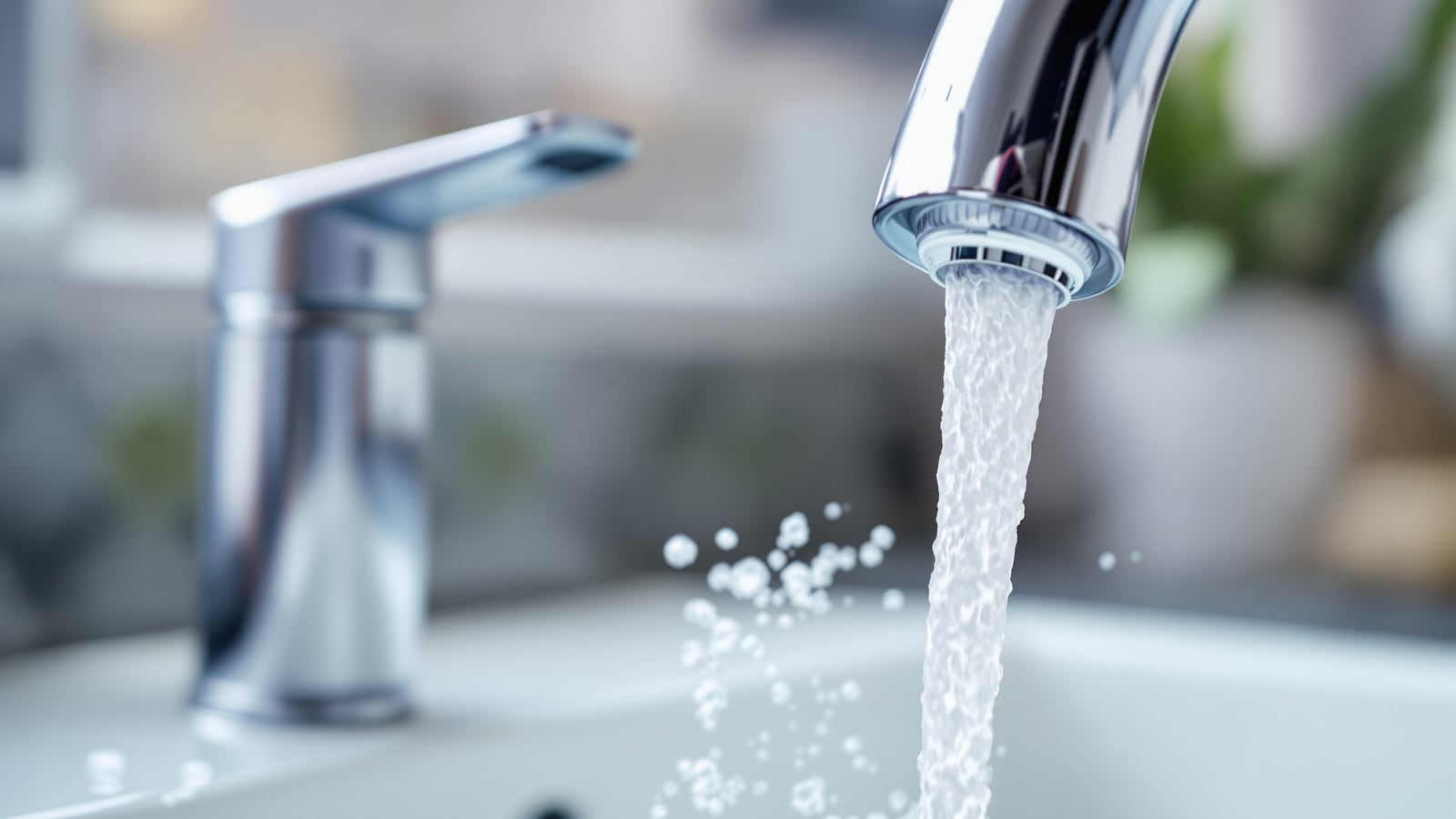
Water Efficient Plumbing for Indian Homes: Cut Water Use with Low-Flow Fixtures, PRVs & Leak Fixes
Practical, low-cost ways to use far less water without living with less comfort — aerators and low-flow taps, dual-flush WCs, efficient showerheads, pressure control to stop over-flow, chasing down leaks and drips, hot-water recirculation, and short pipe runs. A homeowner's playbook for a leaner, cheaper water bill.
The cheapest litre of water is the one you never use. Before you invest in harvesting or recycling, the biggest, fastest wins come from using less at the tap — and most of that is small hardware and small habits, not a re-plumb. This is a practical, India-first guide to water efficient plumbing for the home: what to fit, what to fix, and roughly how much each move saves.
Efficiency is the first chapter of a bigger story. Once you have squeezed demand down, reuse takes over — see the sustainable plumbing pillar guide for how efficiency, harvesting and recycling fit together. Here we focus on the demand side: getting the same comfort from fewer litres.
The order that pays best: fix leaks first (free water you are already losing), then cut flow at fixtures (aerators, low-flow heads, dual-flush), then tame pressure and waste heat runs. Only after that does reuse earn its keep.
Where a home actually spends water
Most Indian households pour the bulk of their water into a handful of places: the WC, the shower and bathroom taps, the kitchen sink, and the washing machine. That is good news, because it means a few well-chosen fixtures cover most of the consumption. The table below is the whole strategy on one page — each measure, how it saves water, and the effort to do it.
| Measure | How it saves water | Effort |
|---|---|---|
| Fix dripping taps & running WCs | Stops water you already pay for from leaking away, day and night | Low — washers, seals, a flapper |
| Fit tap aerators | Mixes air into the stream so the same "feel" uses far less flow | Very low — screw-on, minutes |
| Low-flow showerhead | Caps shower flow while keeping spray force | Low — swap the head |
| Dual-flush WC / retrofit | Small flush for liquids, full only when needed | Low–medium — cistern or WC swap |
| Pressure-reducing valve (PRV) | Cuts over-flow and splashing caused by excess mains pressure | Medium — one plumbed valve |
| Hot-water recirculation | Avoids running the tap while cold water clears the pipe | Medium — pump / loop |
| Short hot-water pipe runs | Less water and heat wasted before hot arrives | High — design/renovation only |
Read that table top-down: the highest rows are cheap and instant, the lowest are renovation-scale. You do not need all of them — start at the top and stop wherever the effort stops being worth it for your home.
Aerators and low-flow taps
A tap aerator is the single best rupee-for-litre upgrade in the house. It is a small mesh insert that screws into the tap spout and draws air into the water, so the stream feels full and soft while actually delivering much less water. For hand-washing, brushing and rinsing, you rarely notice the difference — but the meter does.
- Aerators are sold to fit most standard Indian tap threads; take your old one to the shop to match the size and thread.
- Look for a flow-restricting aerator (often labelled with a litres-per-minute figure) rather than a plain spray insert — the restrictor is what actually caps the flow.
- Clean them every few months. In hard-water areas the mesh clogs with scale, which is usually why an "old" tap feels weak — descale the aerator before blaming the pressure.
For a full kitchen or bathroom tap replacement, choose fixtures already rated for efficient flow rather than the highest-gush model on the shelf. For low-flow bathroom fixtures specifically — taps, showers and WCs chosen together for a room — browse the Bathrooms hub, which covers fixture selection in depth.
Efficient showerheads and dual-flush WCs
Showers and the WC are the two heaviest users in most homes, so they reward the most attention.
- A low-flow showerhead restricts and shapes the spray so it still feels forceful while passing far less water per minute. Modern designs keep the sensation of a strong shower — you are not trading comfort for savings the way old restrictors did.
- A dual-flush WC gives you a small flush for liquid waste and a full flush only when needed. Since most flushes are the small kind, the average water per flush drops sharply. Many existing single-flush cisterns can be retrofitted with a dual-flush conversion kit rather than replacing the whole WC.
- Even on an older single-flush cistern, a cistern displacement device (a filled bottle or bag that reduces the cistern volume) cuts a little from every flush at zero cost.
A note on numbers: older WCs commonly flushed with a large cistern volume, while newer dual-flush designs use typically around 3 to 6 litres depending on full or half flush, and efficient showerheads are often quoted at roughly 6 to 9 litres per minute versus far more for an unrestricted head. Treat these as commonly-cited typical ranges, not a binding legal figure — the exact rating is printed on the product, and it is the number to check when you buy.
Pressure management — stop paying for over-flow
Here is a hidden waster: excess mains or pump pressure. When water arrives at a fixture harder than it needs to, every open tap and shower simply passes more litres per minute than you want — and splashes, hammers and wears seals while doing it. Taming pressure is a genuine efficiency measure, not just a comfort one.
The tool for this is a pressure-reducing valve (PRV), a single valve on the incoming line set to a sensible household pressure so nothing downstream over-flows. It pays back in less wasted water, quieter pipes and longer-lived fixtures. For how a PRV works, where to fit it and how to set it, see pressure-reducing valves for Indian homes.
The opposite problem — too little pressure, where you are tempted to leave taps wide open and running — wastes water in its own way and points to a different fix. If your issue is weak flow rather than excess, start with solving low water pressure in India before adding restrictors that would only make it worse.
Fix leaks and drips — the free water you are losing
Before spending on any fixture, stop the water you are already losing. Leaks are pure waste — you paid to pump and store that water, and it drains away unused.
- A dripping tap looks trivial but a steady drip adds up to many litres a day; a worn washer or cartridge is a cheap, quick fix.
- A running WC — where you hear the cistern trickling long after a flush, or it silently refills — is often the single largest leak in a house. It is usually a failed flapper or fill valve, replaced in minutes.
- Silent leaks in buried or concealed pipes show up as damp patches, a spinning meter with everything off, or an unexplained bill. To test: turn off all fixtures and watch the water meter for a few minutes — any movement means a leak.
- Check tank overflows. An overhead tank whose float valve does not shut off spills continuously through the overflow pipe; a sticking or worn float valve is a common, unnoticed drain.
Make the "everything-off meter check" a monthly five-minute habit. It catches the expensive silent leaks long before the bill does.
Hot-water recirculation and short pipe runs
Every time you open a hot tap and wait for warm water to arrive, the cold water sitting in the pipe runs down the drain, unused. Over a year that cold-water run-off is a surprising amount of both water and the energy that heated the batch you never used.
- Short pipe runs are the design-stage fix: place the geyser close to the bathroom and kitchen it serves so hot water arrives almost immediately. This only really happens at build or renovation time, but it is the most effective and maintenance-free answer.
- Hot-water recirculation retrofits the same benefit onto an existing home: a small pump keeps hot water gently moving in a loop, so it is already warm at the tap and you do not run off a pipeful of cold. On-demand versions run the pump only when you need hot water, keeping the energy cost sensible.
- Pair either approach with pipe insulation on hot lines so the heat you paid for is not lost to the wall on the way.
If you are renovating, treat pipe layout as a water-efficiency decision, not just a plumbing one — a short, well-placed hot run saves water every single day it exists.
Where efficiency ends and reuse begins
Once demand is as low as it will sensibly go, the next lever is reuse — putting each litre to work more than once, or catching rain you would otherwise let run off. That is a whole discipline of its own: harvested rain for gardens, flushing and washing, and treated greywater for non-potable uses.
Start with reusing stored rainwater at home for the practical side of putting harvested rain to work, and see the sustainable plumbing pillar guide for how efficiency and reuse combine into a genuinely low-water home. Efficiency first, reuse second — done in that order, an Indian household can cut its fresh-water draw dramatically without ever feeling the pinch at the tap.
References
- Bureau of Indian Standards (BIS) — look for the ISI mark and water-efficiency ratings when buying taps, showerheads and WCs.
- CPHEEO Manual on Water Supply and Treatment — household water demand figures and conservation practice.
- Central Ground Water Board (CGWB) — guidance on demand management and reuse.
- Local municipal water bye-laws — confirm any city-specific fixture or dual-flush requirements before you buy.
Export this guide
Related Guides — Deep-dive reading
Smart Water Monitoring India: Track Bathroom Usage, Catch a Running Toilet, Cut the Bill (2026)
A clamp-on or inline flow sensor turns your water line into a dashboard — litres per shower, a toilet that never stops filling, a hidden drip you would never hear. This is the honest India-first guide to smart water monitoring: how sensors meter each fixture, the apps and alerts, tie-ins with auto shut-off valves, and the real rupee cost against the bill it saves.
BathroomsLow Water Pressure at Home in India: Causes, Room-by-Room Diagnosis and Fixes
Why your taps trickle and your shower dribbles — how to tell low flow from low pressure, the India-specific causes from an empty overhead tank and clogged aerators to scaled-up GI pipes and half-shut valves, a symptom-to-cause-to-fix table, cheap DIY checks versus a booster pump or re-pipe, and when to call a plumber.
PlumbingBathroom Leak Repair in India: Find & Fix Common Leaks (2026)
A practical, India-first guide to finding and fixing the everyday bathroom leaks — dripping taps, weeping traps and angle valves, a running cistern, failed silicone seals — plus how to tell a simple fixture leak from a waterproofing failure that needs a professional.
BathroomsRelated Tools — Try Free
Rainwater Tank Sizer
How big should your rainwater tank be? Computes annual harvest, recommended tank capacity in litres, water-bill savings, and payback — for 10 Indian cities.
RWH CalculatorShower Water Flow Calculator
Shower water use per shower, day and month by head type, plus a pressure-adequacy check for your tank height or pump and low-flow savings.
Bathroom CalculatorShower Pump Calculator
Check whether your shower needs a pressure-boost pump and what size — available vs required pressure from your tank height or supply.
Bathroom Calculator