
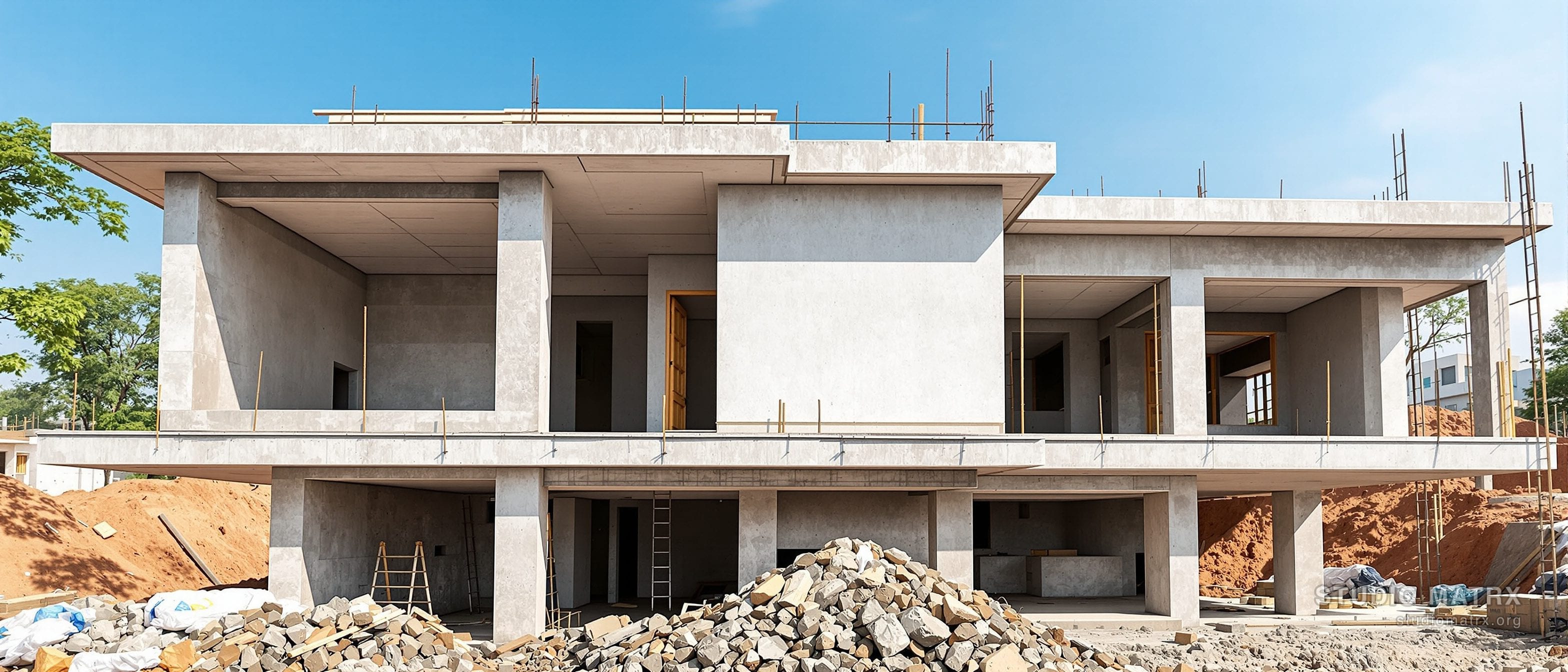
Plinth Area Explained — The Raised Base and the Number Your Cost Is Quoted On
Two meanings of one word: the damp-proofed base your home stands on, and the IS 3861 covered-area measure contractors use to price the build.
"Plinth" is one word doing two jobs, and confusing them costs people money. The plinth is the raised masonry base your house sits on, between the ground and your floor. The plinth area is a way of measuring the covered floor area of a building — and it is the number most contractors use to quote a construction cost. This guide untangles both.
Part 1 — The plinth: your home's raised base
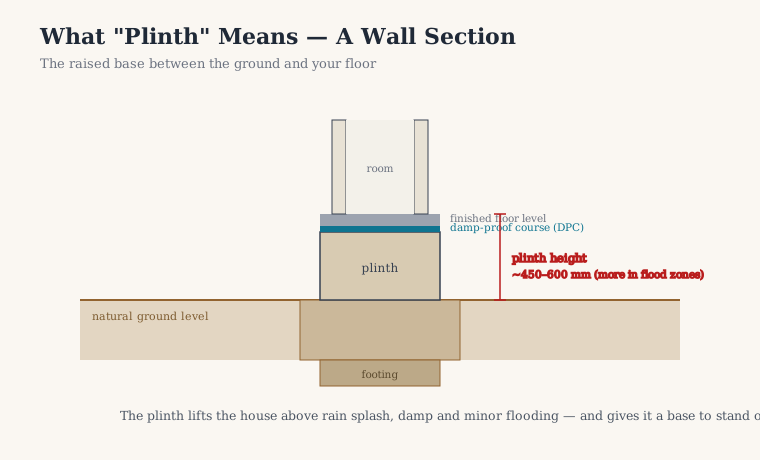
The plinth is the portion of the structure between the natural ground level and the finished floor level of the ground storey. It is built up in masonry or concrete on top of the foundation, capped with a damp-proof course (DPC) — a waterproof layer that stops ground moisture from wicking up into your walls.
A plinth earns its keep in three ways:
- Keeps water out. It lifts the floor above rain splash, surface run-off and minor flooding.
- Stops rising damp. The DPC on top of the plinth breaks the capillary path for ground moisture.
- Gives the house a base. A well-proportioned plinth makes a building sit on the land with poise rather than looking half-sunk into it.
Plinth height — the distance from ground level to floor level — is typically 450–600 mm (1.5–2 ft) for an ordinary home. In flood-prone or low-lying sites it is raised much higher, sometimes a metre or more, which is a deliberate flood-resilience move. Get the foundation and plinth right and you avoid a long tail of damp problems later; the foundation drawings explained guide shows how this is documented, and foundation problems for homeowners shows what goes wrong when it isn't.
Part 2 — Plinth area: how covered floor is measured
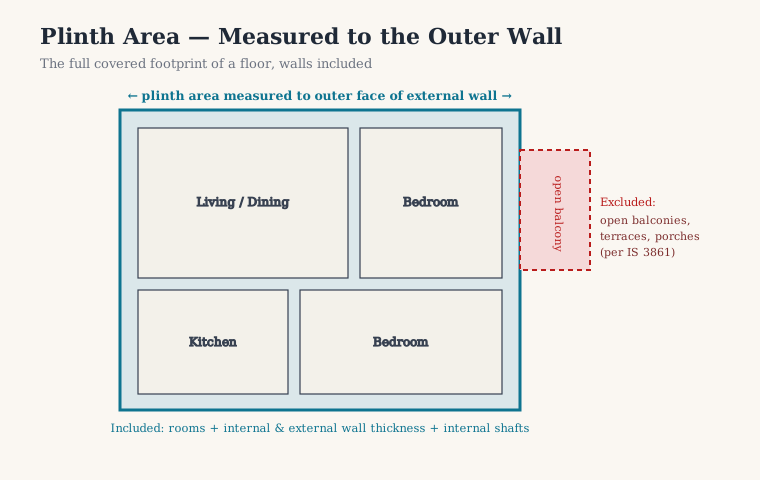
Plinth area is the built-up covered area of a floor, measured to the outer face of the external walls. India's standard method of measurement, IS 3861, defines what is in and what is out:
| Counted in plinth area | Not counted |
|---|---|
| Floor area of all rooms | Open balconies and open terraces |
| Internal and external wall thickness | Open porches and verandahs |
| Internal shafts, staircase area | Cantilevered open ledges |
| Lofts and mezzanines (as specified) | Courtyards and open-to-sky areas |
In short, plinth area is the area you would cover if you laid a roof over the floor and measured the whole thing wall-to-wall on the outside. It is measured per floor and added up across storeys for a total.
Part 3 — How it relates to carpet and built-up area
People mix up plinth area with carpet and built-up area, but the relationship is simple:
- Carpet area — the usable floor inside the walls. The smallest number.
- Plinth area ≈ built-up area for one floor — the covered footprint measured to the outer face of the external walls. Larger than carpet, because it includes the wall thickness.
- Super built-up area — built-up plus a share of common areas. (That whole comparison is unpacked in carpet vs built-up vs super built-up area.)
So plinth area sits above carpet area and is essentially the per-floor built-up area, with the IS 3861 rules deciding the edge cases (balconies, porches, lofts).
Part 4 — Why it matters: estimating cost
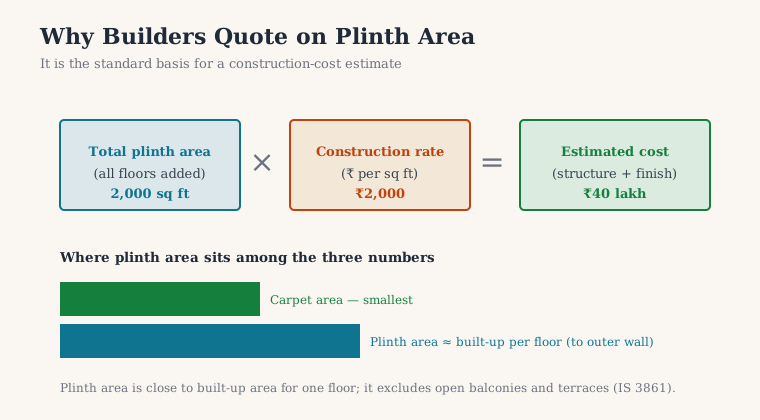
The reason a homeowner needs this word at all is costing. Contractors and engineers estimate the cost of building a house on a plinth-area basis:
Estimated cost = Total plinth area (all floors) × construction rate per sq ft
A 2,000 sq ft total plinth area at ₹2,000/sq ft gives a ₹40 lakh ballpark for structure plus standard finishes. Because plinth area includes the walls, it is a fairer basis for construction cost than carpet area — you are, after all, paying to build those walls. When you compare two contractor quotes, make sure both are quoting on the same area basis (plinth area) and the same finish specification, or you are comparing apples to oranges. Put your own numbers through the cost calculator, and see the regional rate ranges in construction cost in India.
Part 5 — One thing to verify on site
The plinth is also a statutory checkpoint. In many municipalities you need a plinth-level inspection — the authority verifies that the building's footprint and plinth match the sanctioned plan before you build above it. Skipping or fudging this is a common source of later trouble; the OC / CC and plinth verification guide explains where it fits in the approval chain.
The takeaway
Two ideas, one word. The plinth is the raised, damp-proofed base that keeps your house dry and dignified — build it 450–600 mm above ground, higher if you flood. The plinth area is the wall-to-wall covered area of each floor (IS 3861), it sits just above carpet area, and it is the basis on which your construction cost is estimated. Know both, and neither a contractor's quote nor a damp wall will catch you out.
Disclaimer: Measurement conventions follow IS 3861 and common Indian practice; municipal bye-laws and individual contracts may define inclusions differently. Confirm the measurement basis in writing in your construction agreement, and follow your local authority's plinth-inspection process.
Export this guide
Related Guides — Deep-dive reading
The Truth About Cost Per Square Foot
Why a ₹/sqft interior quote is the most misleading number in Indian home costing — and how to convert it into a real BOQ
Cost & MoneyCarpet Area vs Built-Up vs Super Built-Up Area — What You Actually Pay For
The three numbers that describe the same flat — and the loading factor that decides how much usable space your rupees really buy.
Home Buying BasicsBuilding By-laws & Your Roof: Height, Setbacks, Terrace & Mumty Rules (India)
The municipal layer that shapes what you can build on top of your home — how local by-laws treat building height, setbacks and roof projections, open versus enclosed terraces and FSI, the mumty, lift machine-room and overhead tank above the height line, and parapet height for a usable roof. India-grounded, and always “confirm with your local authority.”
RoofingRelated Tools — Try Free
AI Measurement Tool
Measure your room using voice, photos, or video sweep — no tape measure needed.
DesignAIBefore & After Studio
Generate AI before-and-after renders to preview how your redesign could look.
DesignAIBuilding Plan Approval Roadmap
Step-by-step building plan approval process by city with documents, timelines, and fees.
ArchitectAI