
Studio Matrx — ArchitectAI Tools
Building Plan Approval Roadmap
Step-by-step guide to getting your building plan approved — which offices to visit, documents needed, timelines, fees, and practical tips. City-specific.
Bengaluru — BBMP / BDA
8 steps · Estimated 45-90 days
Revenue Department
Obtain property documents
Available if up to date
Nil (if already available)
Documents Required
Get a recent EC (last 30 years) — banks and BBMP both require it.
Licensed Surveyor
Site survey & demarcation
3-5 days
₹5,000-15,000
Documents Required
Use a BBMP-empanelled surveyor — their reports are accepted without question.
Architect (COA Registered)
Prepare building plan
7-15 days
Part of architect fees
Documents Required
Ensure plans comply with BBMP bye-laws before submission — rejections cost time.
Structural Engineer
Structural design & certificate
7-10 days
₹15,000-50,000
Documents Required
Mandatory for buildings above G+1. Get the soil test done before structural design.
BBMP Town Planning
Building plan sanction application
30-45 days
₹50-100 per sq.m (plan sanction fee)
Documents Required
Submit online via BBMP Sakala portal. Track application status with Sakala number.
Fire Department
Fire NOC (if building > 15m)
15-20 days
₹5,000-25,000
Documents Required
Required only for buildings above 15m. Submit simultaneously with BBMP application to save time.
BESCOM
Electrical connection sanction
7-15 days
Per load basis
Documents Required
Apply after plan sanction is received. Temporary construction power available sooner.
BWSSB
Water & sewerage connection
15-30 days
Per connection basis
Documents Required
Apply early — BWSSB connections can take longer than expected.
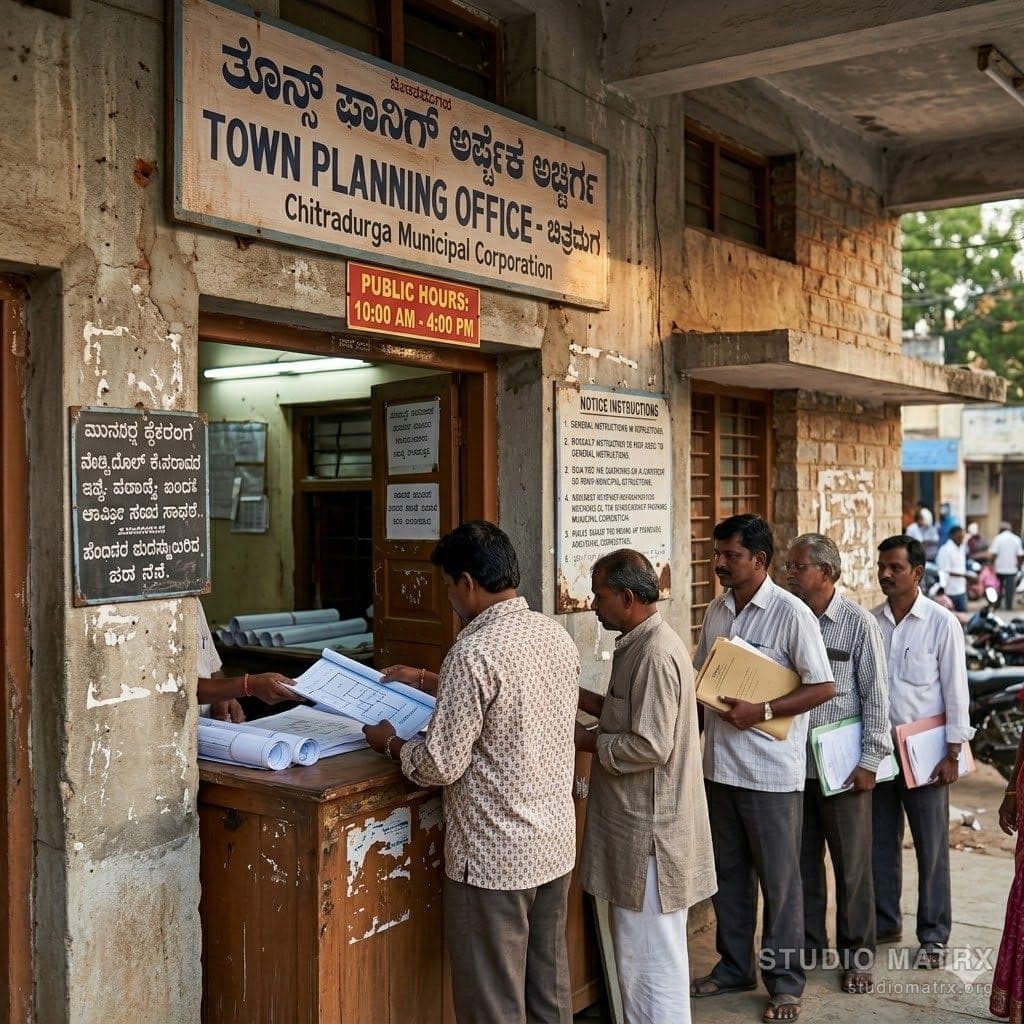
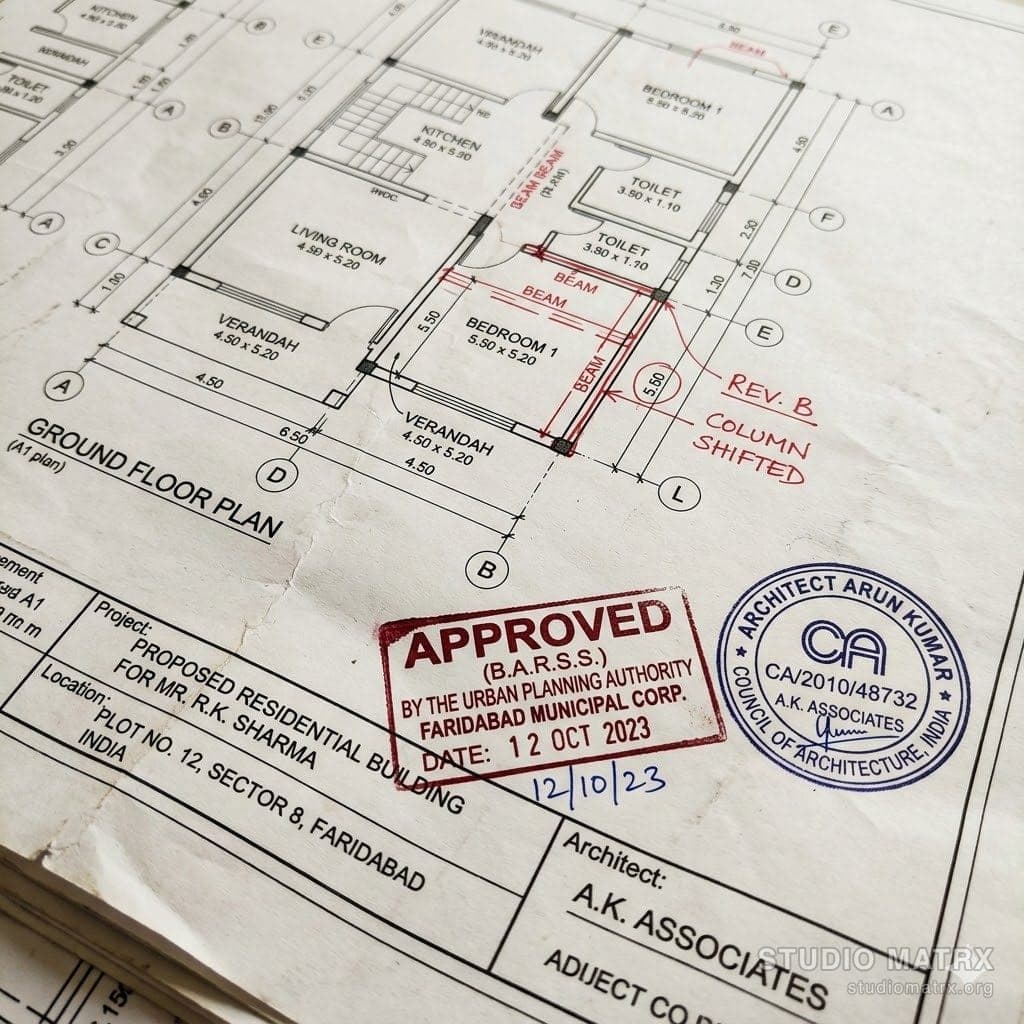
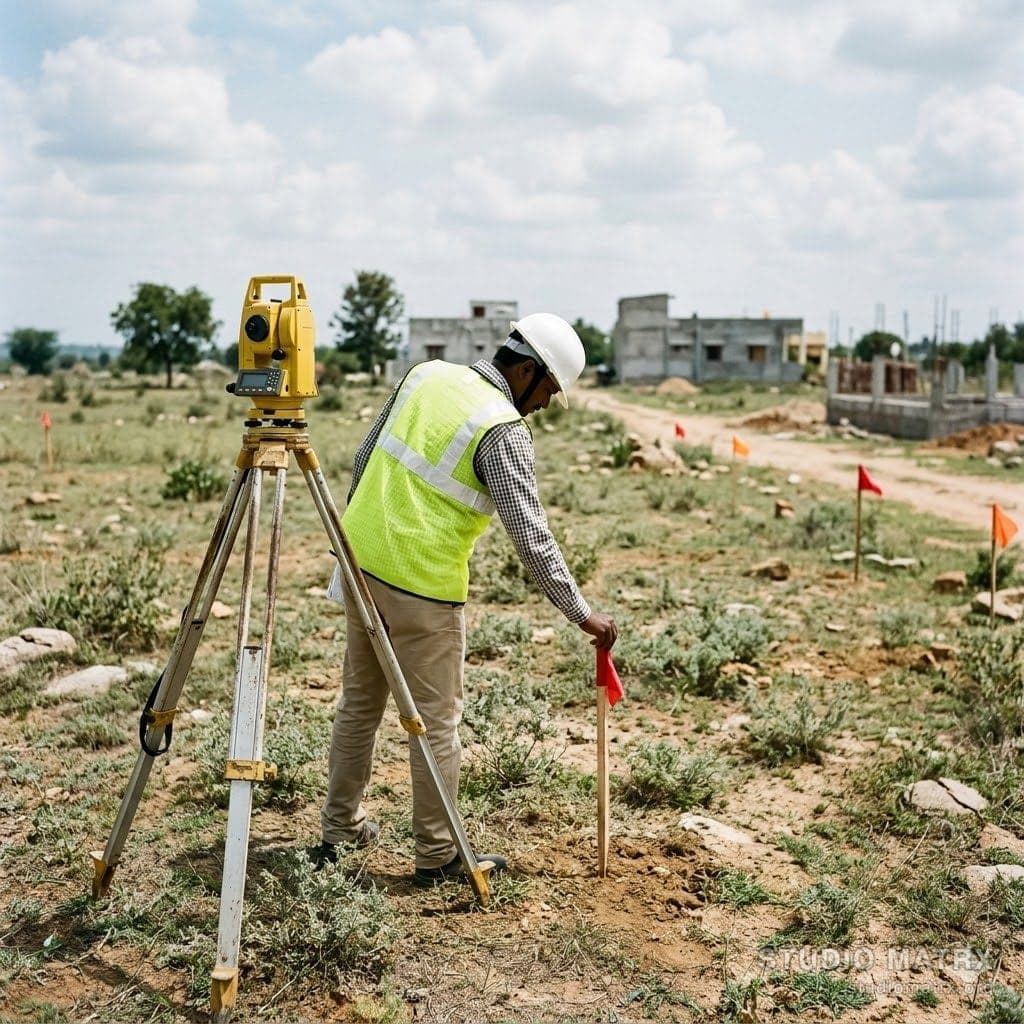
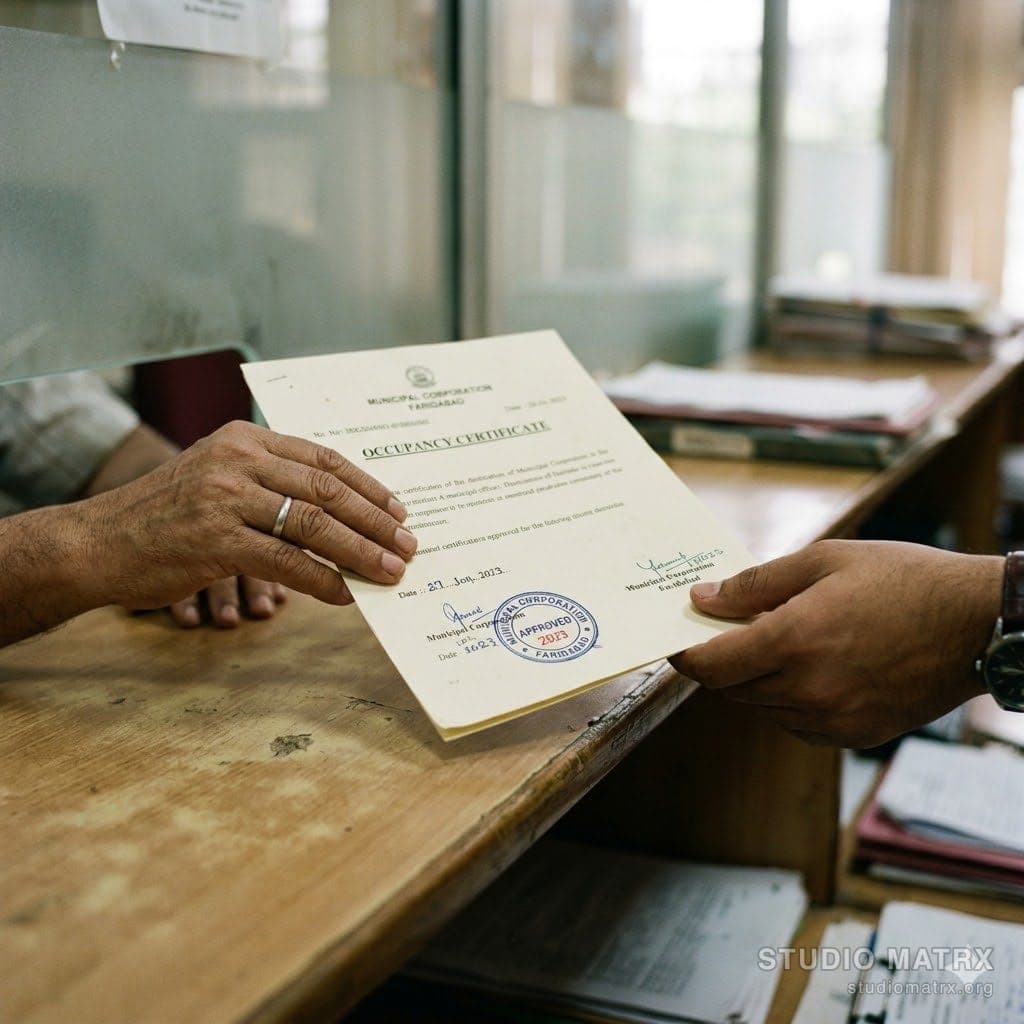
Approval journey moments in real Indian projects

Plans approved? Now design the interiors with DesignAI
Generate room layouts, 3D renders and a Vastu-aligned BOQ from your approved floor plan — start with the carpet area, get interiors in minutes.
Try DesignAI free →Building Plan Approval in India — A Working Roadmap by City
Building plan approval is the regulatory gateway for any Indian construction project. Without it, the work is unauthorised — exposing the owner to demolition orders, withheld utility connections, denial of occupancy certificate, and complications at resale. The approval is granted by the local municipal corporation or development authority, after verification that the proposed building complies with the sanctioned land use, FAR (Floor Area Ratio), setback requirements, height limits, parking provisions, fire safety, and other applicable regulations under the National Building Code 2016 and state bye-laws.
India does not have a single building approval framework — it is genuinely city-by-city. The authority structure, document checklist, fees, and timelines differ across Bengaluru (BBMP under Karnataka Town and Country Planning Act 1961), Mumbai (MCGM under DCPR 2034), Delhi (multiple authorities — DDA, SDMC, NDMC, EDMC under DDA Act 1957 and MCD Act 1957), Chennai (CMDA + GCC), Hyderabad (HMDA / GHMC under TS-bPASS framework), and others.
City-by-City Comparison
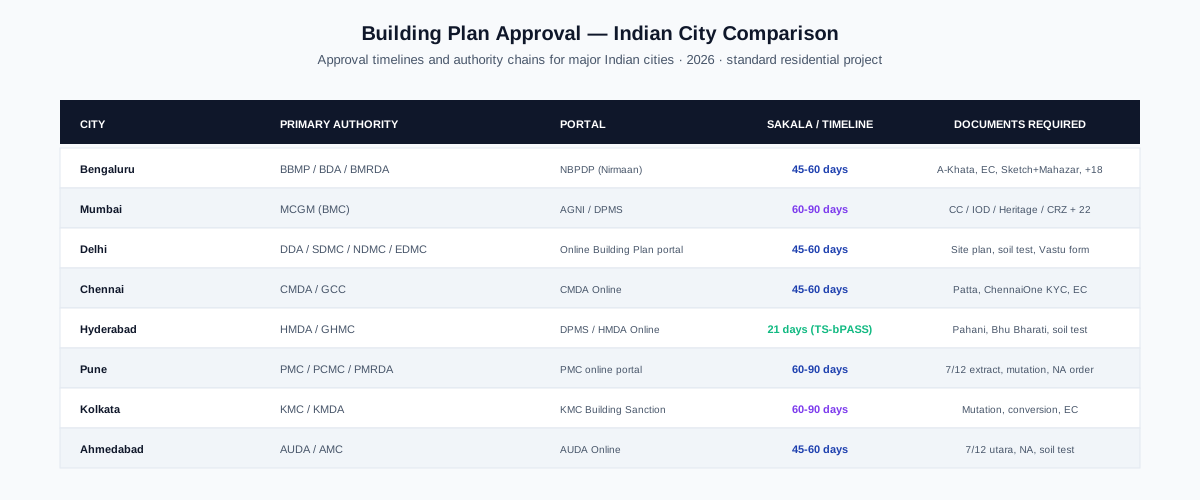
The Standard Approval Process — Eight Universal Steps
- Title and tax verification — Sale deed, encumbrance certificate, Khata/Patta/7-12 extract, tax-paid receipts, mutation up to date.
- Land-use verification — Confirm plot is in residential / commercial zone per master plan; not in revenue / agricultural / forest / eco-sensitive zone.
- Architect engagement — Engage COA-registered architect (mandatory under Architects Act 1972 §37). Architect prepares plans, sections, elevations, and FAR / setback compliance certificate.
- Soil investigation — Required for buildings above ground floor in most states. SBC (Safe Bearing Capacity) report from a NABL-accredited lab.
- Structural engineer engagement — Licensed structural engineer signs structural drawings and design.
- Application submission — Online via municipal portal (BBMP NBPDP, MCGM AGNI, HMDA DPMS, etc.) with full document set + fee payment.
- Query response and revision — Most submissions enter a query loop; respond promptly and resubmit. Sakala framework caps the timeline.
- Sanction issuance — Plan is approved; construction can begin. Plinth verification follows after foundation work.
Common Pitfalls That Delay Approvals
- B-Khata in Bengaluru — applies to ~30% of Bengaluru plots; cannot get standard sanction without A-Khata conversion (6-18 months).
- Conflicting authorities in BMRDA / BDA / BBMP boundary zones — verify exact authority before applying.
- Missing or expired documents — encumbrance certificate older than 6 months, tax receipts for prior years, mutation not updated post-purchase.
- Plan-versus-bye-laws non-compliance — exceeding FAR, encroaching setbacks, parking shortfall, height-limit violation. The architect's job; verify with the [Bylaw Checker](/utilities/bylaw-checker) and [Far/FSI Calculator](/utilities/far-fsi-calculator) before plan finalisation.
- Heritage or coastal overlays — additional NOC requirements that add 60-90 days; verify zone before applying.
- Tree-cutting permission missing — required wherever trees on plot, often skipped, blocks plan sanction in eco-conscious cities.
Fees and Charges — A Working Range
Building plan sanction fees vary widely. As a rough range for a typical 2,500-4,000 sqft residential project: ₹50,000-3,00,000 in plan-sanction fees, scrutiny fees, and infrastructure charges. Mumbai is the most expensive (premium FSI + fungible FSI charges can add lakhs to crores for high-FAR projects). Hyderabad and Bengaluru are mid-range. Delhi varies by zone. Tier-2 cities are typically 30-50% lower than Tier-1.
Companion References at Studio Matrx
- Bylaw Checker — FAR / setback / height verification before submission
- FAR / FSI Calculator — buildable area calculation
- Construction Approval Checklist — 24-stage tracker from land to OC
- Bengaluru Compliance Map (Guide) — deep dive on BBMP / BDA / BMRDA
- Mumbai Compliance Map (Guide) — deep dive on MCGM / DCPR 2034 / SRA
- OC / CC / Plinth Verification (Guide) — post-sanction process
Disclaimer: Building approval frameworks are city-specific and revised periodically. The roadmap above reflects 2026 frameworks for major Indian cities. Always verify current state and city-specific rules with the relevant municipal corporation or development authority before any specific filing. Engage a COA-registered architect for any project requiring sanction. This page is for informational purposes only.
Related Guides — Deep-dive reading
Building Plan Sanction Process, Step by Step (India) (2026)
Before a single brick is laid, your house plan must be approved by the local authority. Here is who prepares it, what documents it needs, how it is submitted and scrutinised, and what a sanctioned plan actually buys you.
Building RegulationsWater Connection Approval in India: Building Plan Sanction, Municipal Water and Sewer Connections, and the Occupancy Certificate
The plumbing-related permissions a homeowner needs when building or renovating in India — getting the building plan sanctioned with its drainage layout, applying for a municipal water connection, a sewer connection or septic/STP approval where no sewer exists, and closing out with the completion and occupancy certificate. The general process, with the reminder that forms, fees and steps vary entirely by local body.
PlumbingPlot Development Checklist
The complete plot-to-home checklist — a phase-by-phase action list from due diligence and feasibility through reading, design, approvals, pre-construction and build, each linked to its deeper guide
Site PlanningRelated Tools — You may also find these useful
Construction Approval Checklist — 24-Stage Tracker
Track every approval, permit, and NOC from land title to occupancy certificate across 24 stages.
ApprovalsAccessibility Compliance Calculator
Check a planned lift against the CPWD and RPwD accessible-lift benchmarks for a score.
Lift CheckerAccessible Door Checker
Check a door against wheelchair-accessibility guidance — clear width, threshold, handle and closer force per RPwD 2021.
Compliance Tool