
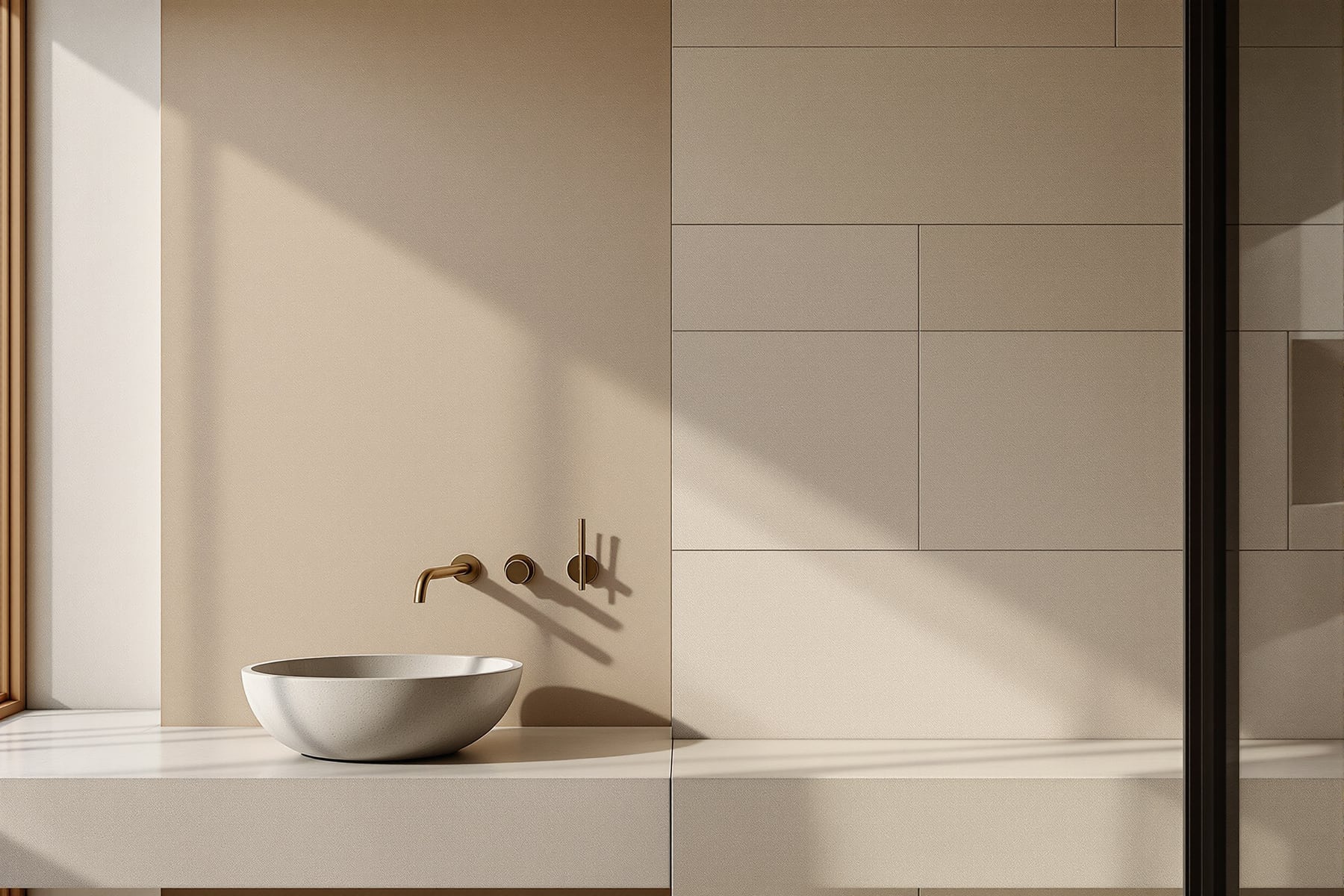
Microcement vs Tile: Which Should You Choose?
Seamless modern skin against the versatile classic — a head-to-head on seams, cost, going over old surfaces, repair and durability, the grout question, where each wins, and a decision flow.
For a bathroom or kitchen wall, the modern dilemma is microcement versus tile. Microcement is the seamless, grout-free skin that has become the designer default, able to go straight over your existing tile with no demolition; tile is the affordable, tough, endlessly varied classic that has clad wet walls for generations. Both waterproof a wet room properly, so the real decision comes down to a few honest trade-offs — chiefly, whether you want to erase grout or keep the ability to swap a single damaged piece.
This is a focused comparison; for the full picture see the microcement walls guide and the wall tiles guide, under the master wall-finishes guide.
Meet the contenders
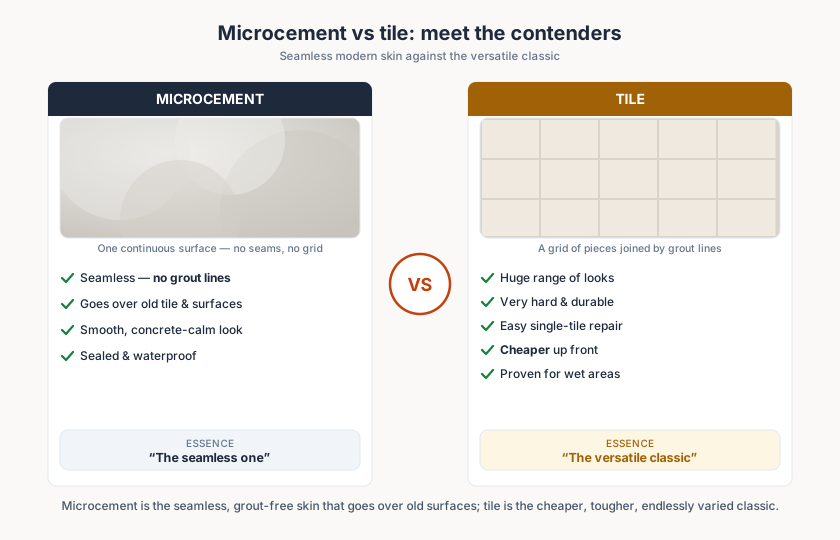
Microcement is the seamless one: no grout lines, it bonds over old tile, gives a smooth concrete-calm look, and is waterproof once sealed. Tile is the versatile classic: a huge range of looks, very hard and durable, easy single-tile repair, cheaper, and proven for wet areas over decades. The choice is seamless-and-modern versus affordable-and-repairable.
Head to head
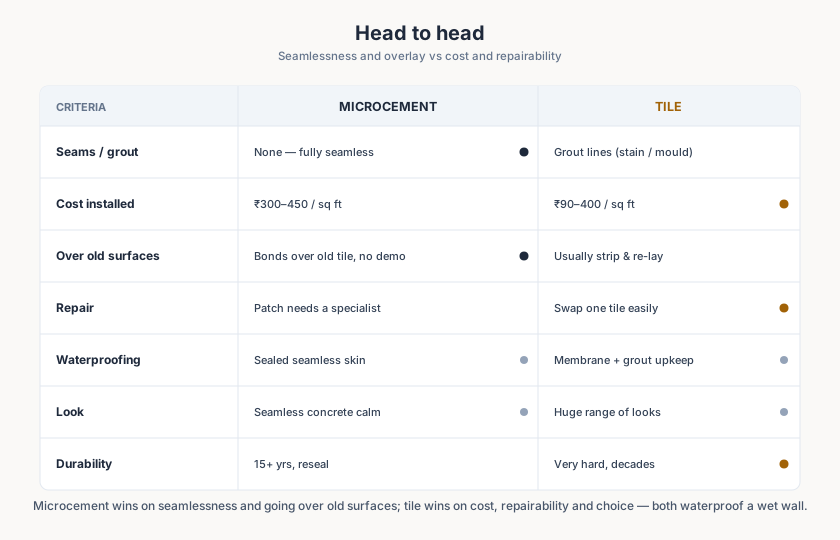
Round by round: seams and grout go to microcement (none at all); cost to tile (₹90–400/sq ft versus ₹300–450); going over old surfaces to microcement (it bonds on top, no demolition); repair to tile (swap one tile versus a specialist patch); waterproofing is roughly even (a sealed seamless skin versus a membrane plus grout upkeep); look is a wash (seamless calm versus endless variety); and durability edges to tile (very hard for decades, while microcement wants periodic re-sealing).
The grout question
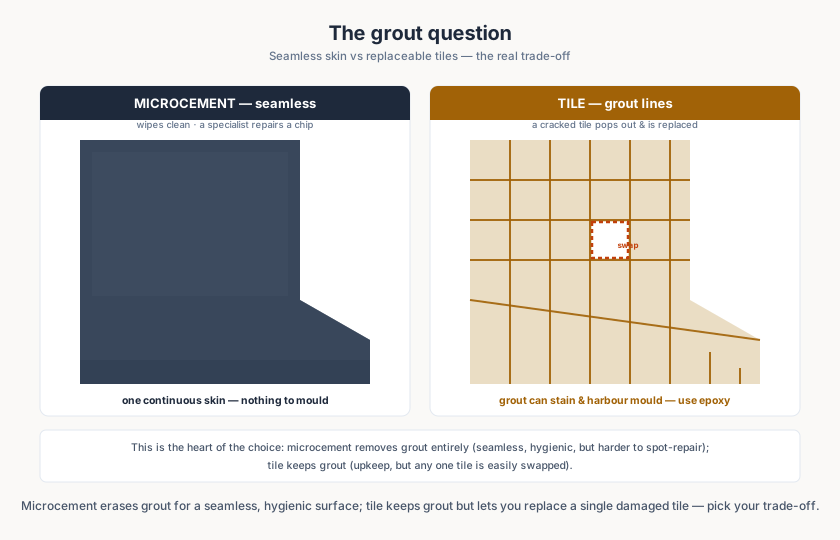
This is the heart of the decision. Microcement removes grout entirely — one continuous skin, nothing to mould, wipes clean — but a chip needs a specialist to blend. Tile keeps grout — which can stain and harbour mould (use epoxy) — but any single cracked tile pops out and is replaced in minutes. Erase grout for seamless hygiene, or keep it for easy spot-repair: that is the trade-off in one line.
Where each wins
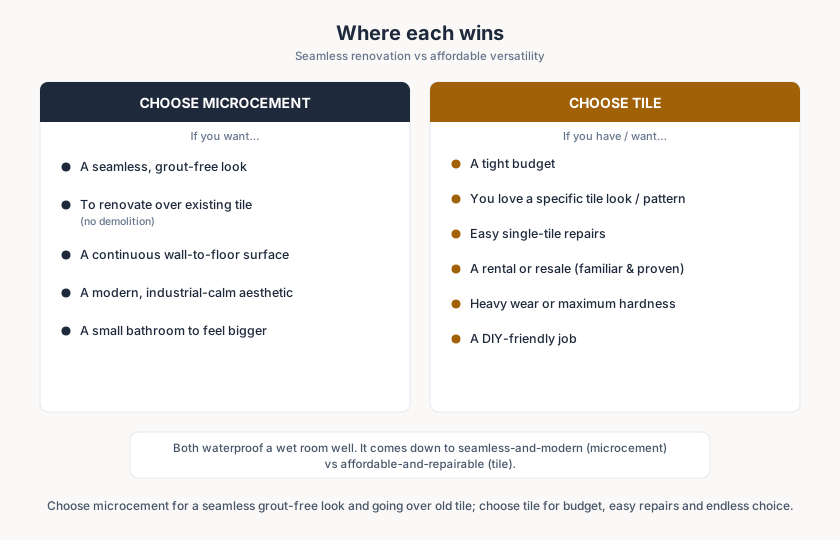
Choose microcement when you want a seamless, grout-free look, are renovating over existing tile (no demolition), want a continuous wall-to-floor surface, love the modern industrial-calm aesthetic, or want a small bathroom to feel bigger. Choose tile for a tight budget, a specific tile look or pattern, easy single-tile repairs, a rental or resale (familiar and proven), heavy wear, or a DIY-friendly job. Both waterproof well — it comes down to seamless-and-modern versus affordable-and-repairable.
The verdict
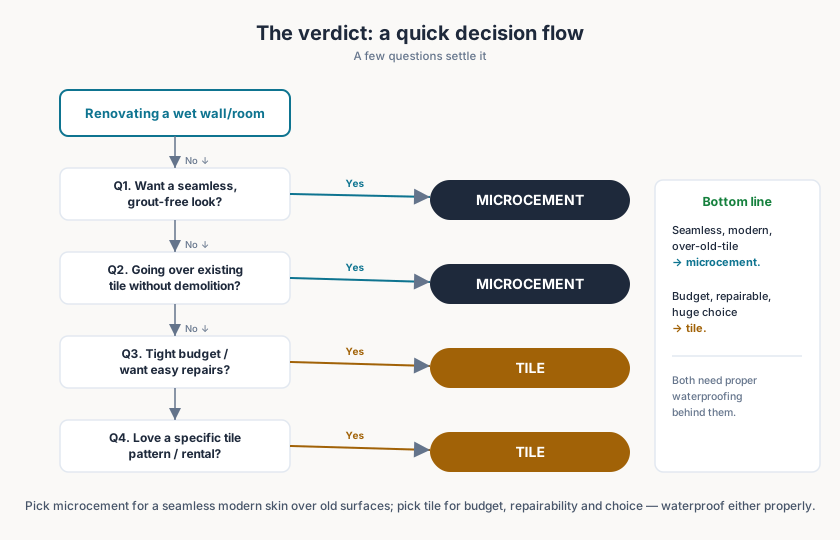
The shortcut: if you want a seamless, grout-free surface or are renovating over old tile, choose microcement; if you are on a budget, want easy repairs or love a specific tile, choose tile. Both need proper waterproofing behind them, and both last. It is genuinely a matter of which trade-off suits your wall — and if a seamless natural look for a wet room tempts you, also weigh tadelakt. For the full detail, see the microcement and tile guides.
Export this guide
Related Guides — Deep-dive reading
Microcement Flooring in India: The Seamless 2-3 mm Concrete Look
A thin, hand-applied cement-polymer coating that gives a jointless concrete or stone surface over your existing floors, tiles and walls — no demolition.
Flooring & SurfacesConcealed vs Exposed Plumbing India: Which Bathroom Fittings Are Better?
A fair head-to-head on concealed (in-wall) versus exposed bathroom plumbing and fittings for Indian homes — how each looks, what each costs to fit, and the one trade-off that decides it: a hidden concealed leak means breaking tiles, while exposed stays reachable.
BathroomsStore Room Flooring in India: Cheap, Tough, Dust-Free Floors for a Box Room
How to floor a home store room, box room or loft store on a tight budget: durable, dust- and moisture-resistant, easy to sweep and able to take heavy shelving.
Flooring & SurfacesRelated Tools — Try Free
Bathroom Renovation Cost Calculator
Cost to renovate an existing bathroom with a replace-vs-keep model — demolition, re-waterproofing, tiles, fittings and the money saved by keeping items.
Bathroom CalculatorBathroom Waterproofing Calculator
Work out waterproofing material (kg/L) and cost for a bathroom by area, wall band, system type and coats — cementitious, acrylic, PU or SBR.
Bathroom CalculatorBathroom Floor Slope Calculator
Work out the floor fall to the drain and screed depth from the run and slope ratio — with a drains-properly verdict.
Bathroom Calculator