
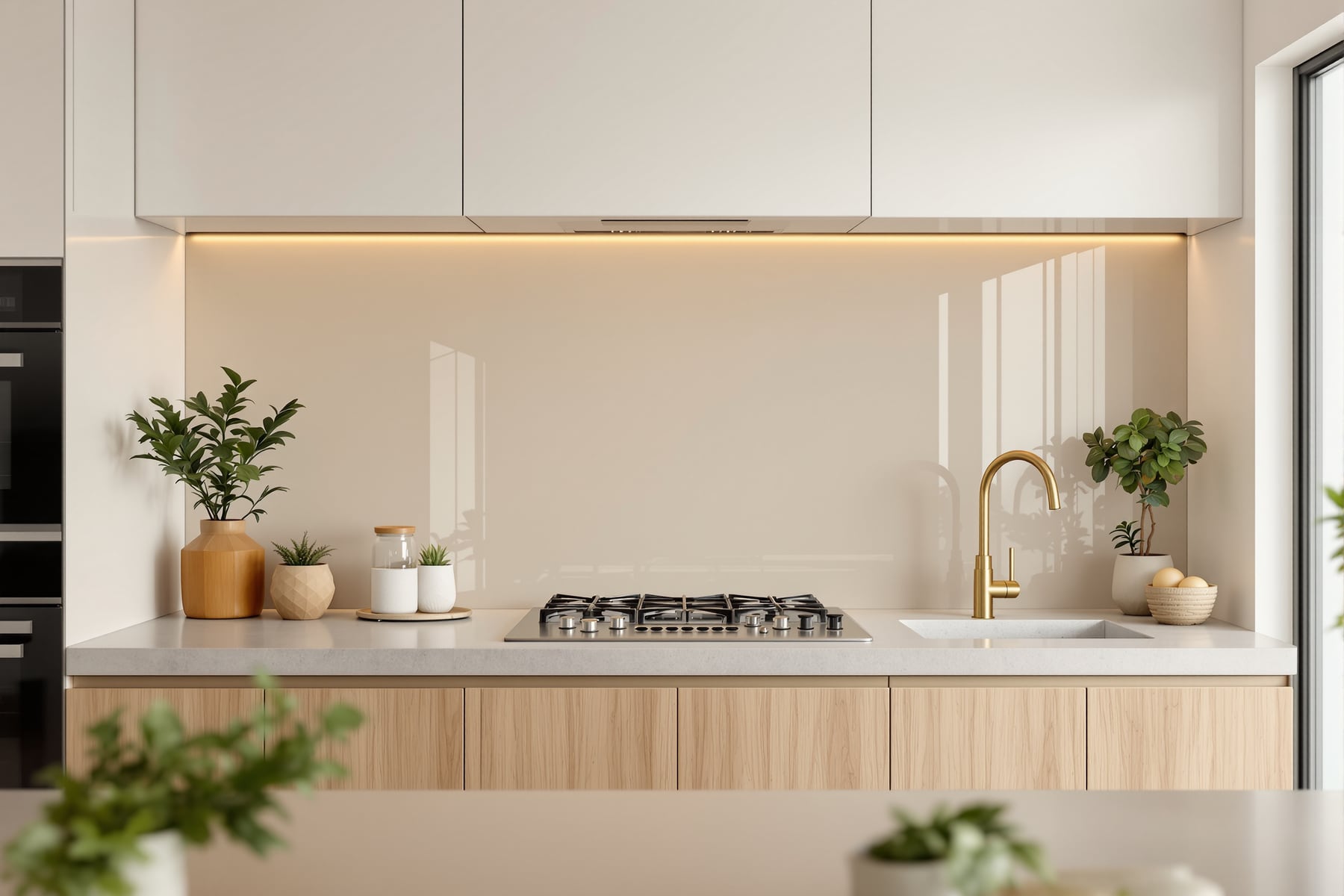
Kitchen Wall Finishes: The Complete Guide for Indian Homes
Grease, heat and steam every day — the kitchen's wall zones, the best backsplash options, what to use on the other walls, the five hygiene-and-heat rules, and three budget combinations.
The kitchen is the hardest-working room in the house for a wall finish, and the least forgiving. Its walls face a daily assault of grease spatter, cooking steam, water at the sink and real heat behind the hob — and a finish chosen for looks alone will stain, warp or grow grimy within months. Here, more than anywhere, the order of priorities flips: hygiene and heat-safety come first, and looks come after. Get that right, zone by zone, and a kitchen stays clean-looking and safe for years; get it wrong and you will be scrubbing, or repainting, far too often.
This is the complete guide to kitchen wall finishes for Indian homes — the room-specific companion to the master wall-finishes guide. We will map the kitchen's wall zones, run through the best backsplash options, cover what to use on the other kitchen walls, lay out the five hygiene-and-heat rules, and give three budget combinations. (For the whole kitchen, see the modular kitchen guide.)
The kitchen's walls, zone by zone
Not every kitchen wall takes the same punishment, and matching the finish to the zone is the whole game.
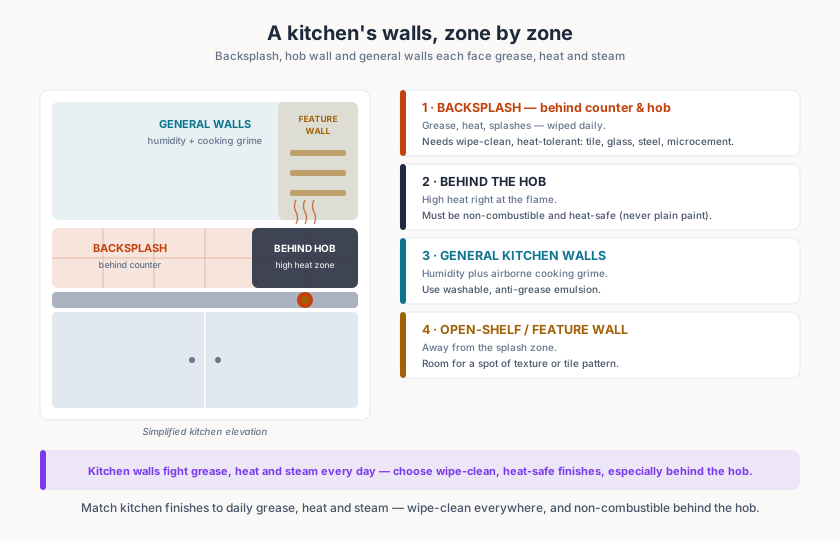
The zones: the backsplash (behind the counter and hob) takes grease, heat and splashes and is wiped daily, so it must be wipe-clean and heat-tolerant — tile, glass, steel or microcement; the wall directly behind the hob takes high heat and needs a non-combustible, heat-safe material; the general kitchen walls face humidity and cooking grime, wanting washable, anti-grease emulsion; and an open-shelf or feature wall can carry a spot of texture or tile pattern. Match the finish to how wet, greasy and hot each wall gets — especially behind the hob.
Backsplash finish options
The backsplash is the kitchen's signature wall — the most-seen and hardest-worked surface — so it deserves the closest look.
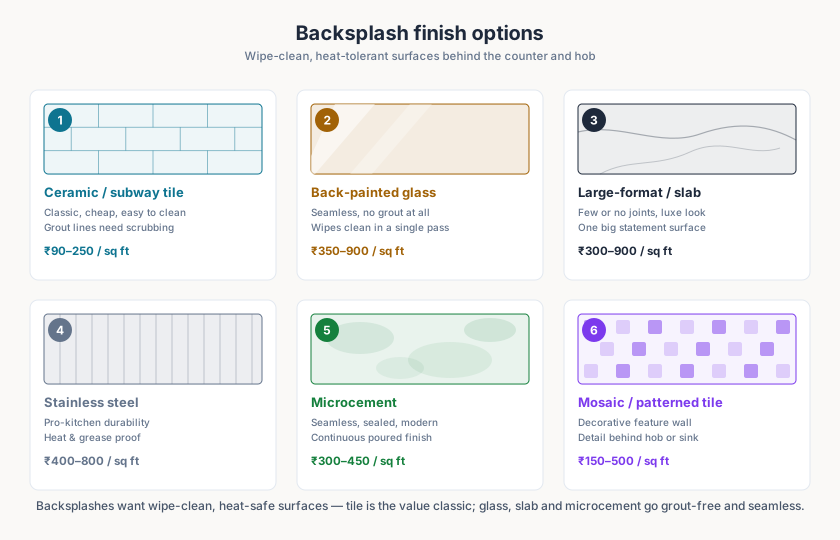
The main options: ceramic or subway tile (a classic, cheap and easy to clean at ₹90–250/sq ft, though there is grout to scrub), back-painted glass (seamless, grout-free and wipes in a single stroke, ₹350–900), large-format tile or slab (few or no joints, luxe, ₹300–900), stainless steel (pro-kitchen, heat- and grease-proof, ₹400–800), microcement (seamless, sealed and modern, ₹300–450), and mosaic or patterned tile (decorative, ₹150–500). Tile is the value classic; glass, slab and microcement all go grout-free and seamless.
The kitchen's other walls
Beyond the backsplash, the general kitchen walls still take more abuse than any room outside the bathroom, and they need a step up in durability.
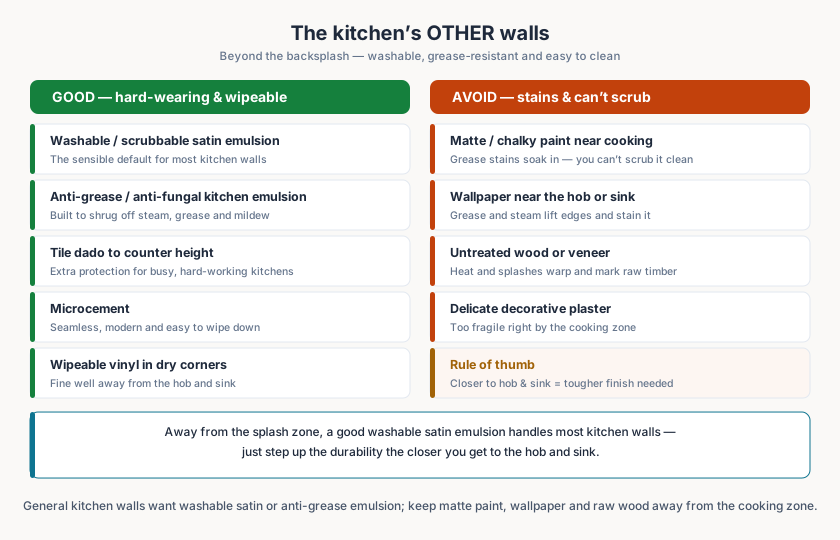
Good choices for the general walls: washable or scrubbable satin emulsion (the default), anti-grease/anti-fungal kitchen emulsion, a tile dado to counter height in busy kitchens, microcement for a seamless modern look, and wipeable vinyl in dry corners. Avoid matte or chalky paint near cooking (grease stains and cannot be scrubbed), wallpaper near the hob or sink, untreated wood or veneer by heat and splashes, and delicate decorative plaster right by the cooking zone. Away from the splash zone, a good washable satin emulsion handles most kitchen walls — just step up the durability the closer you get to the hob and sink.
Five rules for kitchen wall finishes
Distil it all down and five rules govern every kitchen wall decision.
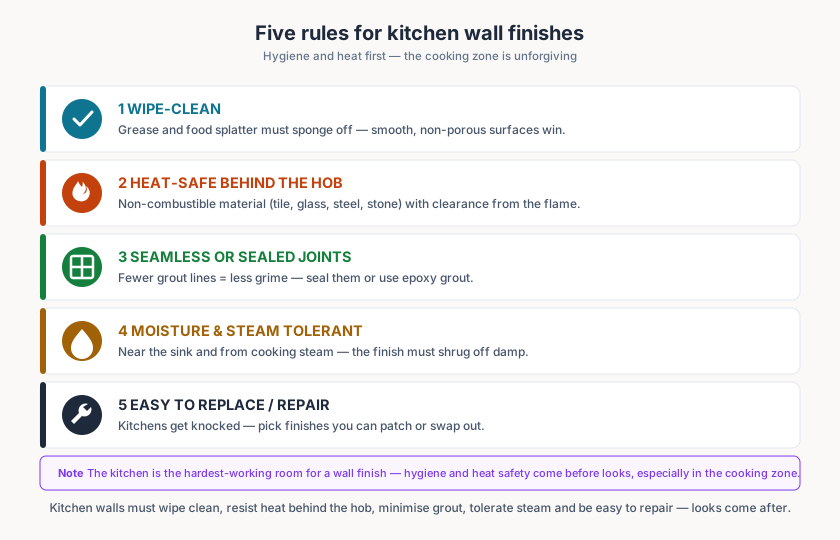
They are: wipe-clean (grease and food must sponge off, so smooth non-porous surfaces win); heat-safe behind the hob (a non-combustible material — tile, glass, steel or stone — with clearance from the flame); seamless or sealed joints (fewer grout lines mean less trapped grime, so seal them or use epoxy grout); moisture- and steam-tolerant (near the sink and from cooking steam); and easy to replace or repair (kitchens get knocked, so pick finishes you can patch or swap). In the kitchen, hygiene and heat-safety come before looks, especially in the cooking zone.
Three budgets for kitchen walls
Kitchen walls scale cleanly across budgets, and the smart split is always the same.
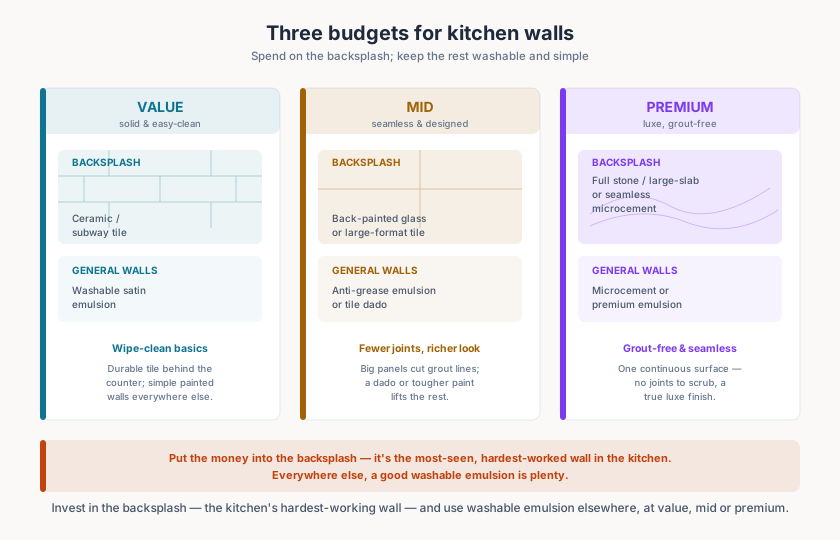
Value: ceramic or subway tile backsplash with washable satin emulsion elsewhere — solid and easy to clean. Mid: a back-painted glass or large-format tile backsplash with anti-grease emulsion or a tile dado — seamless and designed. Premium: a full stone/large-slab or seamless microcement backsplash with microcement or premium emulsion on the general walls — luxe and grout-free. The rule at every level: put the money into the backsplash — the most-seen, hardest-worked wall in the kitchen — and keep everything else a good washable emulsion.
The kitchen rewards practicality over prettiness: divide it into zones, make the backsplash and hob wall wipe-clean and heat-safe, keep the general walls washable, and spend where the grease and eyes both land — the backsplash. For each finish in depth, follow the deeper guides; for the wider decision, return to the master wall-finishes guide.
Export this guide
Related Guides — Deep-dive reading
Bathroom Wall Finishes: The Complete Guide for Indian Homes
Wet, splash and dry walls each need a different finish — the bathroom's zones, the best finish for each, why waterproofing comes first, tricks to enlarge a small bath, and three budget combinations.
Wall FinishesGlass Wall Finishes: The Complete Guide for Indian Homes
The seamless, wipe-clean, light-reflecting wall — back-painted and mirror to frosted and glass block. The whole family, where glass shines, how it's fixed and the safety spec, the back-painted splashback in detail, and glass versus tile.
Wall FinishesWall Tiles: The Complete Guide for Indian Homes
The champion of wet and hard-worked walls — the whole tile family, where each belongs, the waterproofing and adhesive that actually matter, how many boxes to buy, and how layout, size and grout change the whole look.
Wall FinishesRelated Tools — Try Free
Modular Kitchen Budget Calculator
Live breakdown by running feet, countertop area, material tier and city — with wastage, design fee, GST.
Kitchen CalculatorMaterial Decision Framework (M-Score)
Score 30+ Indian construction materials across cost, durability, climate fit, maintenance, and sustainability.
MaterialsBefore & After Studio
Generate AI before-and-after renders to preview how your redesign could look.
DesignAI