
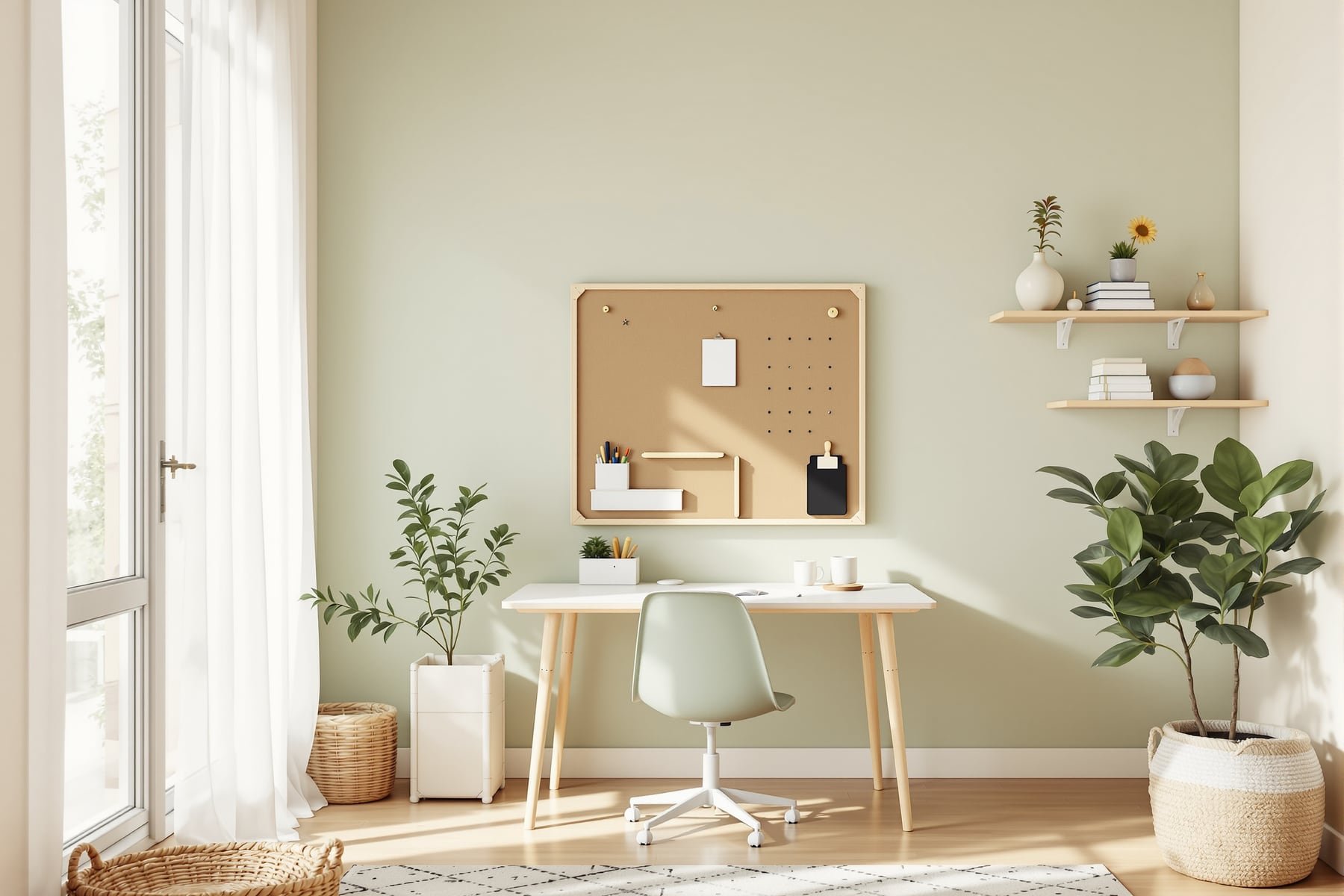
Kids' & Study Wall Finishes: The Complete Guide for Indian Homes
Tough, safe, interactive and easy to update — what these walls need, creative and interactive ideas, durable low-VOC finishes, designing walls that grow with the child, and the study focus wall.
Children's and study walls have a job description no other room's walls do: survive crayon, scuffs and sticky hands; invite drawing, pinning and planning; keep the air safe for developing lungs; and — because a five-year-old and a fifteen-year-old want very different rooms — change easily without a full renovation. The mistake most parents make is a lovely fixed theme that is outgrown in two years and marked up in two months. The better approach is tougher, safer and more flexible: a durable, low-VOC, scrubbable base with one interactive wall, designed from the start to be updated as the child grows.
This is the complete guide to kids' and study wall finishes for Indian homes — the room-specific companion to the master wall-finishes guide and the specialty & functional walls guide. We will cover what these walls really need, creative and interactive ideas, durable and safe finishes, designing walls that grow with the child, and the study focus wall.
What kids' and study walls really need
Before any colour or theme, four practical demands should shape every decision.
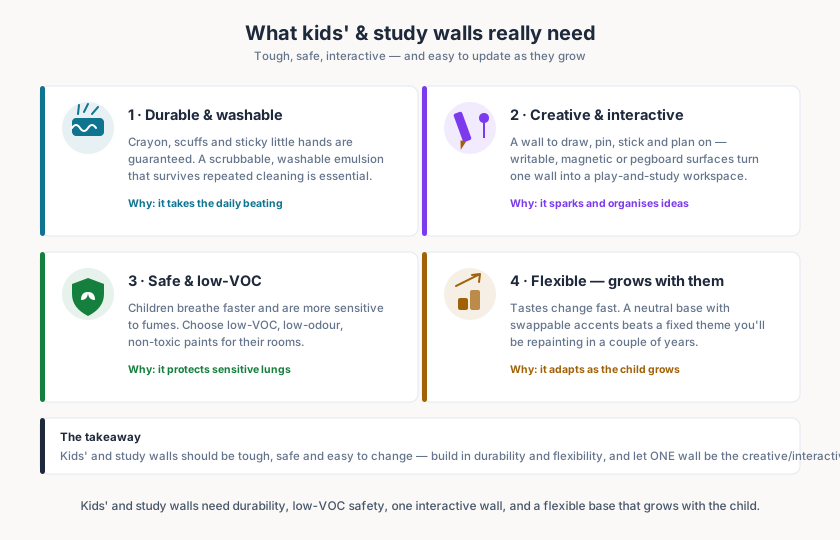
They are: durable and washable (crayon, scuffs and sticky hands mean scrubbable washable emulsion is essential), creative and interactive (a wall to draw, pin, stick and plan on — writable, magnetic or pegboard), safe and low-VOC (children are sensitive, so use low-VOC, low-odour, non-toxic paints), and flexible (tastes change fast, so a neutral base with swappable accents beats a fixed theme). In short, tough, safe, interactive and easy to update — with just one wall as the creative one.
Creative and interactive wall ideas
The single best thing you can give a child's room is one wall they are allowed to use — and there are several ways to make one.
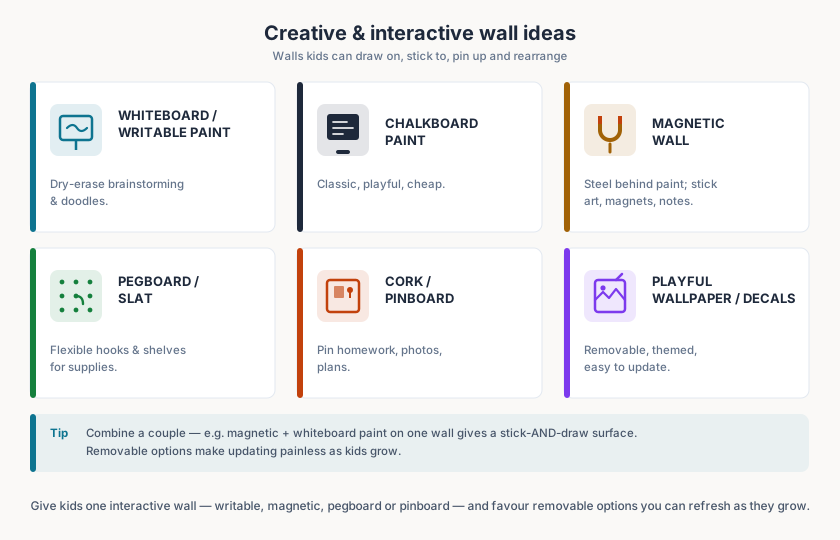
Six that work: whiteboard/writable paint (dry-erase brainstorming and doodles), chalkboard paint (classic, playful and cheap), a magnetic wall (steel behind the paint, so art and magnets stick), pegboard or slat (flexible hooks and shelves for supplies), cork or pinboard (homework, photos and plans), and removable playful wallpaper or decals (themed and easy to update). Combining a couple is powerful — magnetic plus whiteboard paint on one wall gives a stick-and-draw surface — and removable options make updating painless as kids grow.
Durable and safe finishes
For the rest of the walls, the priorities are simple: they must survive childhood and keep the air clean.
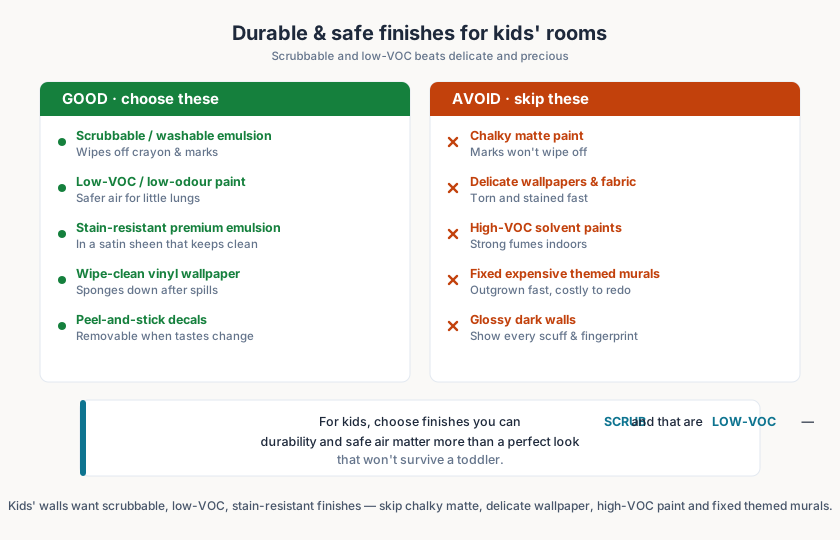
Good choices: scrubbable or washable emulsion (wipes off crayon and marks), low-VOC, low-odour paint (safer air), stain-resistant premium emulsion in satin, wipe-clean vinyl wallpaper, and peel-and-stick decals (removable). Avoid chalky matte paint (marks will not wipe off), delicate wallpapers and fabric (torn and stained), high-VOC solvent paints (fumes), fixed expensive themed murals (outgrown fast), and glossy dark walls (they show every scuff and fingerprint). For kids, choose finishes you can scrub and that are low-VOC — durability and safe air matter more than a perfect look that will not survive a toddler.
Design walls that grow with the child
The secret to a kids' room that lasts is to separate the permanent from the changeable.
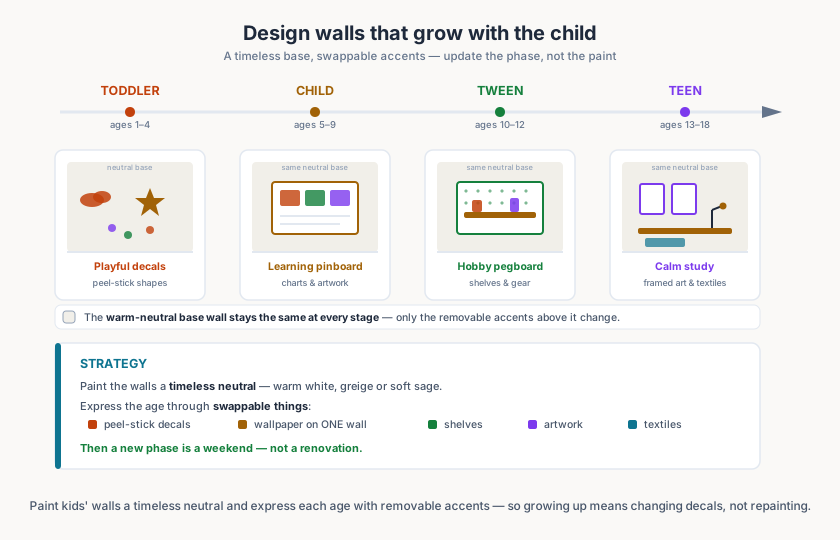
The strategy: paint the walls a timeless neutral (warm white, greige or soft sage) and express the age through swappable things — peel-and-stick decals, wallpaper on one wall, shelves, artwork and textiles. A toddler's playful decals become a child's pinboard, a tween's hobby pegboard, then a teen's calm study wall — all over the same base. Do it this way and a new phase is a weekend of changing accents, not a renovation.
The study / focus wall
Where a child studies, the wall can actively help concentration — or quietly undermine it.
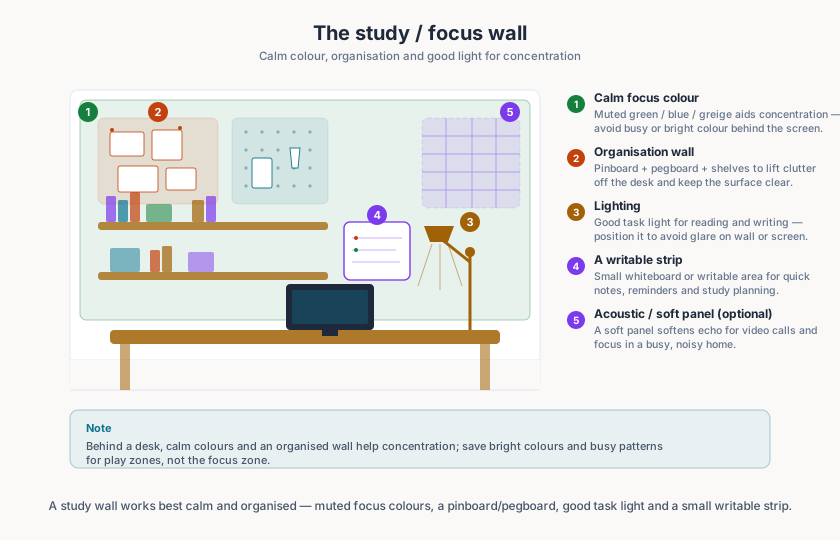
Behind a desk, aim for: a calm focus colour (muted green, blue or greige aids concentration — avoid busy or bright behind the screen), an organisation wall (pinboard, pegboard and shelves to clear the desk), good lighting (task light without glare on the wall or screen), a small writable strip (a whiteboard area for notes and planning), and, in a noisy home, an optional acoustic or soft panel for focus and video calls. The principle: calm colours and an organised wall help concentration — save bright colours and busy patterns for the play zone, not the focus zone.
Kids' and study walls are the one place where practicality and play meet: tough, scrubbable, low-VOC surfaces; one wall they can use; a timeless base dressed with swappable accents; and a calm, organised wall where they study. Build in the durability and flexibility, and the room grows with the child instead of being redone every few years. For the interactive finishes in depth, see the functional walls guide; for the wider decision, return to the master wall-finishes guide.
Export this guide
Related Guides — Deep-dive reading
Home Office & Study Lighting: Bright, Glare-Free & Focused (2026)
The design guide to lighting a home office or study for long-hour focus and eye comfort in an Indian home — a good ambient base, a proper task lamp, no screen glare or reflections, the right colour temperature through the day, and flattering light for the video call.
LightingInterior Wall Paint: The Complete Guide for Indian Homes
Everything under the colour — the layers beneath the paint, the five types to choose from, why sheen matters more than you think, how much you actually need, and the order of work that separates a job that lasts from one that peels.
Wall FinishesKids Room Door in India: Safe, Non-Toxic and Cheerful Door Picks (2026)
How to choose a children's bedroom door for an Indian home - finger-pinch-guard hinges and soft-close first, then non-toxic low-VOC finishes, easy lever handles, fun colours and abuse-proof durability - with picks ranked and indicative rupee costs.
Home Doors & EntrancesRelated Tools — Try Free
Home Colour Studio
Colour every room — living, bedroom, dining, kitchen, bathroom — surface by surface in any HEX/RGB/CMYK colour, or from 80+ curated Indian shades.
Colour StudioBrise-Soleil Visualizer
Interactive horizontal-louvre cut-off angle calculator — sun altitude, louvre depth, and spacing inputs with a live shadow preview. Computes θ = arctan(spacing/depth) for façade shading, ECBC envelope compliance, hospital daylight design, and tropical sun-control detailing.
Sun Shading ToolAcoustic Privacy (STC) Visualizer
Indian healthcare acoustic visualizer — compare wall assemblies and noise sources, see received SPL after STC attenuation, and check FGI 2018 / IS 1950 / NABH speech-privacy compliance with live dual-canvas waveform.
Acoustic Tool