
Glazed Vitrified Tiles (GVT) for Indian Homes: HD Designs, Finishes & Cost (2026)
How GVT puts an HD printed glaze on a vitrified body to deliver marble, wood, stone and concrete looks double-charged tiles can't — with matte vs glossy, the wear-layer limit, sizes and ₹/sq ft.
If you have ever stood in a tile showroom and wondered how one box can look like Statuario marble, the next like weathered oak, and the next like raw concrete — all at roughly the same price — the answer is almost always glazed vitrified tiles. GVT is the family that turned the printer loose on the floor: a dense, fully vitrified body with a thin printed glaze layer on top, capable of photographic "HD" designs that the older double-charged process simply cannot produce. That design freedom is GVT's superpower, and the printed surface is also its one real limitation. This guide explains exactly how GVT is built, where it shines, where to be careful, and what it costs in India in 2026.
What "glazed vitrified" actually means
A vitrified tile is fired so hot that its body fuses into a glass-hard, near-zero-porosity slab — water absorption below 0.5% under IS 15622 (BIa group), which is why vitrified tiles resist stains and water far better than ordinary ceramic. "Glazed" describes what sits on top of that body: a digitally printed design protected by a fired glaze coat.
So GVT is two things at once — a tough vitrified body for strength and water resistance, plus a printed glaze that carries the looks. The design is screen-resolution digital printing (often called HD), which is why GVT can mimic the veining of marble, the grain of timber, the texture of stone or the cloudiness of microcement with a realism flat colour pigments can't reach.
The trade-off is structural. In GVT the colour and pattern live in that thin glaze, not all the way through the tile. That is the opposite of a double-charged vitrified tile, where two layers of pigmented powder are pressed together so the design penetrates 3-4 mm into the body. The practical meaning: a deep scratch or chip on double-charged still shows the same colour underneath, whereas the same damage on GVT can expose the plain body below the print. We will come back to this when we talk about traffic and care.
The GVT layer build-up
Matte vs glossy: the GVT finish you actually choose
Because the surface is glaze, GVT comes in a range of finishes — and the finish you pick matters more than the brand name. The two anchors are matte and glossy, with several useful points in between.
| GVT finish | Look & feel | Best rooms / use | Indicative ₹/sq ft (material) |
|---|---|---|---|
| Glossy GVT | Bright, reflective, "wet" sheen; makes rooms feel larger and lighter | Living/dining, formal areas, low-traffic showpiece floors, feature walls | 50-110 |
| Satin / soft-matte GVT | Gentle sheen, hides smudges, calmer light | Living, bedrooms, passages, modern homes | 55-120 |
| Matte GVT | No reflection, contemporary, better underfoot grip | Bedrooms, balconies (covered), kitchens, family rooms | 55-130 |
| Carving / structured (textured) GVT | 3D relief matching the print (wood grain, stone) | Accent walls, low-slip zones, character floors | 70-150 |
| Sugar / lappato GVT | Semi-polished, partly matte and partly glossy in one tile | Living rooms wanting glow without full gloss | 70-150 |
| Anti-skid / R-rated GVT | Grippy textured matte for wet feet | Bathrooms, open balconies, utility, outdoor-adjacent | 60-140 |
Two practical rules from Indian homes: glossy floors look stunning in photos but show every footprint, water spot and scratch under harsh daylight, so reserve them for lower-traffic formal spaces; and for anywhere that gets wet — bathrooms, open balconies, utility areas — pick a matte, anti-skid or R10-plus rated GVT rather than a glossy one. Slip resistance is graded by DIN 51130 R-ratings (R9-R13), and R10 or higher is the sensible floor for wet and outdoor-adjacent zones under NBC 2016 and the RPwD accessibility guidance.
Where GVT genuinely shines
The single best reason to choose GVT is design, and specifically marble-look at tile cost. A convincing Italian-marble-look GVT can land at ₹70-150/sq ft, while the genuine Italian slab it imitates runs ₹250 to well over ₹1,500/sq ft, needs sealing, etches with lemon or acid, and demands periodic polishing. The GVT version never needs sealing, shrugs off stains, and arrives in calibrated boxes ready to lay. For most Indian living and dining rooms that want a luxury marble look without the upkeep, this is the value sweet spot.
GVT also unlocks looks no other vitrified process can: realistic wood-plank floors (warm, no termites, no monsoon swelling unlike real timber), industrial concrete and microcement effects, travertine, slate and rustic stone, and bold patterned or terrazzo-style designs. Because the design is printed, you get true pattern variation across tiles, so a marble-look floor reads naturally rather than as one repeated photo.
And remember the body underneath is fully vitrified — so even though it is "glazed", GVT keeps the core vitrified strengths: very low water absorption, strong stain resistance, low maintenance (just mop), and compatibility with large formats. That combination of HD looks plus a tough, water-resistant body is exactly why GVT now dominates new Indian flooring alongside granite. If you want the broader vitrified context, see the vitrified tile flooring guide.
The wear-layer limitation — and how to live with it
GVT's design lives in a thin glaze, so the honest caveat is abrasion and scratch resistance over years of hard, gritty traffic. Once the printed glaze wears or chips through, the plain body shows. This is why double-charged and full-body tiles, where the colour goes through the thickness, are preferred for showrooms, lobbies, shops and ultra-high-traffic commercial floors. For India's flagship comparison on the through-body alternative, read double-charged vitrified tiles.
For a normal home, though, GVT is perfectly durable when you respect three habits: keep grit out (doormats at entries — fine sand is what actually abrades glaze), choose a textured matte rather than thin glossy glaze for the hardest-working rooms, and look at the abrasion rating. Glazed tiles carry a PEI rating (Class I to V) for surface wear; for residential floors choose PEI III or higher, and PEI IV for entries, kitchens and joint-family passages. A good PEI IV matte GVT in a family home will outlast most other finishes you could have chosen.
| Tile type | Where the design lives | Scratch/chip behaviour | Design range | Typical home verdict |
|---|---|---|---|---|
| Glazed vitrified (GVT) | Thin printed glaze on top | Damage can expose body | Widest — HD marble/wood/stone/concrete | Best for looks; great in normal homes |
| Double-charged | 3-4 mm through pressed layer | Wears to same colour | Limited — solids, salt-pepper, basic patterns | Best for heavy traffic, plainer looks |
| Full-body | Right through the tile | Colour consistent throughout | Most limited | Industrial/commercial, edge details |
| Ceramic (glazed) | Thin glaze, higher porosity | Chips show body; absorbs more water | Wide | Walls and light-traffic only |
GVT vs PGVT — don't confuse them
This trips up most buyers. PGVT — polished glazed vitrified tile — is simply a GVT that has been mechanically polished to a high mirror gloss after glazing. Same HD-design idea, but PGVT is glossier, more reflective and a touch more slippery, while plain GVT is usually offered in matte and textured finishes that grip better and hide marks. Neither is "better"; PGVT suits glamorous formal living rooms, while matte GVT suits everyday family floors, bedrooms and anywhere underfoot grip matters. The dedicated guides — polished glazed vitrified tiles (PGVT) and the head-to-head GVT vs PGVT — cover this fully; pick PGVT for shine, GVT for grip and easy living.
Sizes, large format and laying in India
GVT comes in the full vitrified size ladder: 600x600 mm and 800x800 mm are the everyday workhorses, while large-format 600x1200, 800x1600 and 1200x1200 mm give that seamless, fewer-joints look that makes marble-effect floors read as real slabs. Larger tiles mean fewer grout lines, but they demand a dead-flat screed and skilled labour.
A few India-specific laying notes. Large-format GVT must be laid on tile adhesive (₹12-30/sq ft, roughly 30-40 sq ft per 20 kg bag at 3-4 mm) over a level screed — not a thick traditional cement-sand bed, which risks hollow spots and cracking under big thin tiles. Budget laying labour at ₹15-60/sq ft (toward the higher end for large format and patterns), plus grout, skirting and edge-finishing. Order 5-10% extra for wastage (more for diagonal or patterned layouts), and all prices are material only and attract 18% GST. To size a real order, the tile quantity calculator and tile adhesive calculator do the maths for you, and the flooring cost calculator builds a full per-room budget.
GVT design x use x cost, at a glance
| GVT design (look) | Typical finish | Best Indian use | Indicative ₹/sq ft (material) |
|---|---|---|---|
| Statuario / Carrara marble look | Glossy or sugar | Living, dining, formal areas | 70-150 |
| Indian-marble / travertine look | Satin / matte | Living, passages, pooja area | 55-120 |
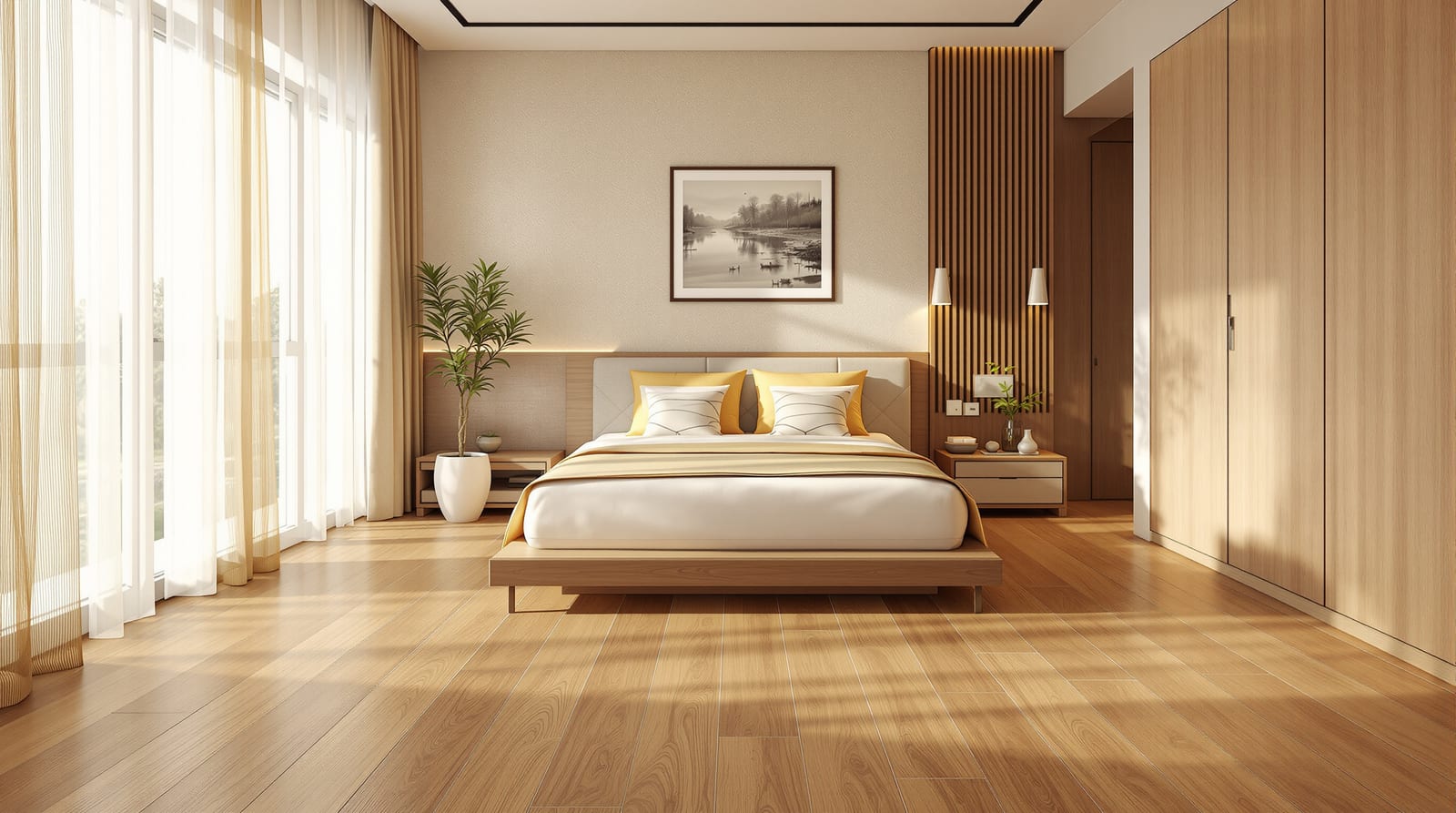
| Wood-plank look | Matte / textured | Bedrooms, study, family room | 60-140 |
| Concrete / microcement look | Matte | Modern living, balconies (covered) | 55-130 |
| Stone / slate look (textured) | Structured / anti-skid | Balcony, utility, bathroom | 60-140 |
| Terrazzo / patterned | Matte / satin | Accent floors, kitchens | 60-150 |
Frequently asked questions
Is GVT good enough for a busy family home in India?
Yes — for residential use GVT is an excellent choice. Pick a matte or textured finish with a PEI III-IV abrasion rating, keep entry doormats to stop grit, and it will handle joint-family traffic for many years. Reserve thin glossy GVT for lower-traffic formal rooms, and use double-charged only if you genuinely have shop-level footfall.
What is the difference between GVT and PGVT?
PGVT is a GVT that has been polished to a high mirror gloss after glazing. PGVT is shinier and slightly more slippery; plain GVT is typically matte or textured, hides marks better and grips better underfoot. Same HD design technology — different surface. See the GVT vs PGVT comparison for which suits your room.
Can GVT really replace marble?
For looks and budget, yes — a quality marble-look GVT at ₹70-150/sq ft mimics premium marble that costs several times more, never needs sealing, resists stains and acid, and is far lower maintenance. What it cannot replicate is the depth, coolness and resale prestige of genuine natural marble; that is a values choice, not a performance one. See the marble flooring guide to weigh the trade-off.
Is glossy or matte GVT better for Indian homes?
Matte and satin are the safer everyday pick — they hide footprints, water spots and fine scratches, and they grip better in our dusty, occasionally wet conditions. Glossy and PGVT look spectacular and enlarge a room but show every mark and are slippery when wet, so keep them to formal, lower-traffic spaces and never in bathrooms or open balconies.
What sizes and budget should I plan for?
The common GVT sizes are 600x600 and 800x800 mm, with large-format 600x1200, 800x1600 and 1200x1200 mm for a seamless marble look. Budget ₹50-150/sq ft for the tile (material), plus ₹12-30/sq ft adhesive and ₹15-60/sq ft laying, all before 18% GST, and add 5-10% for wastage.
Export this guide
Related Guides — Deep-dive reading
Anti Slip Flooring for Bathroom and Wet Areas in India: R-Ratings, Finishes and Genuinely Safe Tile Choices
How to choose genuinely safe flooring for bathrooms, kitchens, balconies, pools, entrances and elderly- or child-friendly homes — the R-rating system, finishes that grip wet feet, anti-skid natural stone, slope to drains and the tiles to avoid.
Flooring & SurfacesNatural Stone vs Tiles for Bathrooms: Which Is Better? (India)
A fair, India-first head-to-head between natural stone (granite, marble, kota) and ceramic/vitrified tiles for bathroom floors and walls — porosity, hard-water and stain resistance, slip, luxury, ₹ cost and real maintenance effort — with a verdict by budget.
BathroomsPorcelain, Ceramic & Sintered-Stone Facade Cladding in India: A Practical Guide
Thin large-format porcelain and sintered-stone slabs can clad a building with the look of marble, concrete or weathered steel at a fraction of stone's weight — but on a facade, the fixing system is a life-safety decision, not a finish choice.
Building FacadesRelated Tools — Try Free
Flooring Cost Calculator
Estimate the all-in cost of a floor — material, laying, wastage, skirting and GST — by area and material.
Flooring CalculatorFull-Room BOQ — Living, Bedroom, Kitchen, Bath
Room-wise BOQ across living, bedrooms, kitchen, utility, and bathrooms with line-item pricing.
Full-Room BOQTile Adhesive Calculator
Estimate tile adhesive bags and cost by area and bed thickness, for floor or wall tiling jobs.
Flooring Calculator