
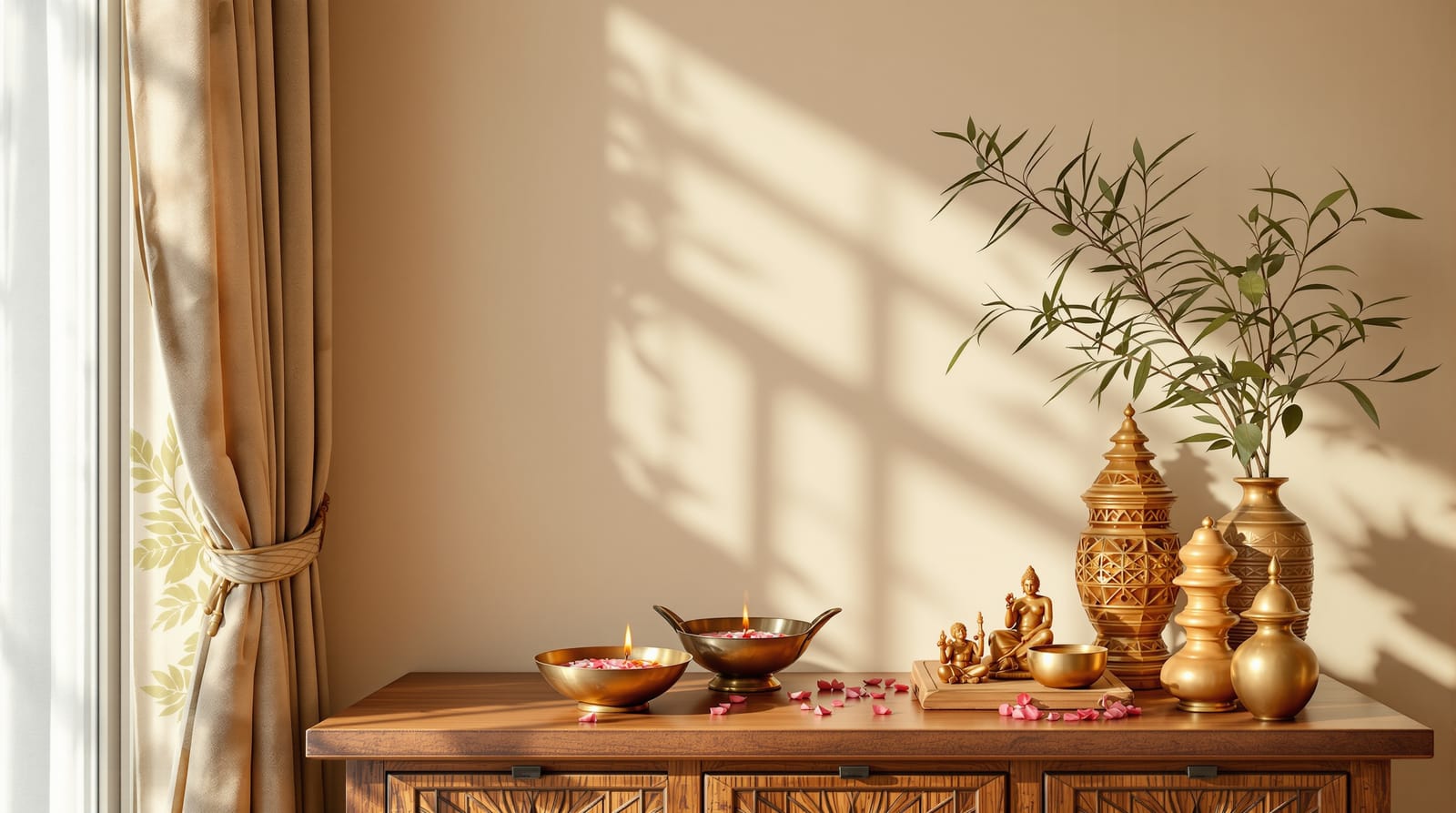
Cultural & Heritage Decor for Indian Homes — A 2026 Guide
Brass lamps, urli, Bidriware, Channapatna & more · Real craft that roots a modern home
One genuine piece of Indian craft does more for a home than a roomful of mass-produced decor. A brass lamp catching the evening light, an urli of floating marigolds by the door, a single Bidriware vase on a console - these objects carry centuries of skill and story, and they root a modern Indian home in something real. Heritage decor is also the most meaningful way to spend a decor budget: you are not just buying an object, you are supporting a living craft tradition and the artisan family behind it. This guide covers nine heritage pieces worth knowing, where they come from, and how to use them without turning your home into a museum.
Why Heritage Decor Belongs in a Modern Indian Home
It is easy to fill a home with the same global-catalogue furniture as everyone else. Heritage pieces do the opposite - they give a room a point of view and a sense of place. A few reasons they are worth it:
- Rootedness and story. A handcrafted object connects your home to a region, a technique and a lineage - a conversation in every piece.
- Patina over perfection. Unlike factory goods, brass, wood and lacquer age beautifully, gaining character rather than looking worn.
- Supporting living crafts. Many of these are GI-tagged crafts kept alive by a shrinking number of artisans. Buying genuine helps the craft survive.
- They suit any style. One heritage accent grounds even the most minimal, modern room - you do not need a fully traditional home.
Nine Heritage Pieces to Know
Brass lamps
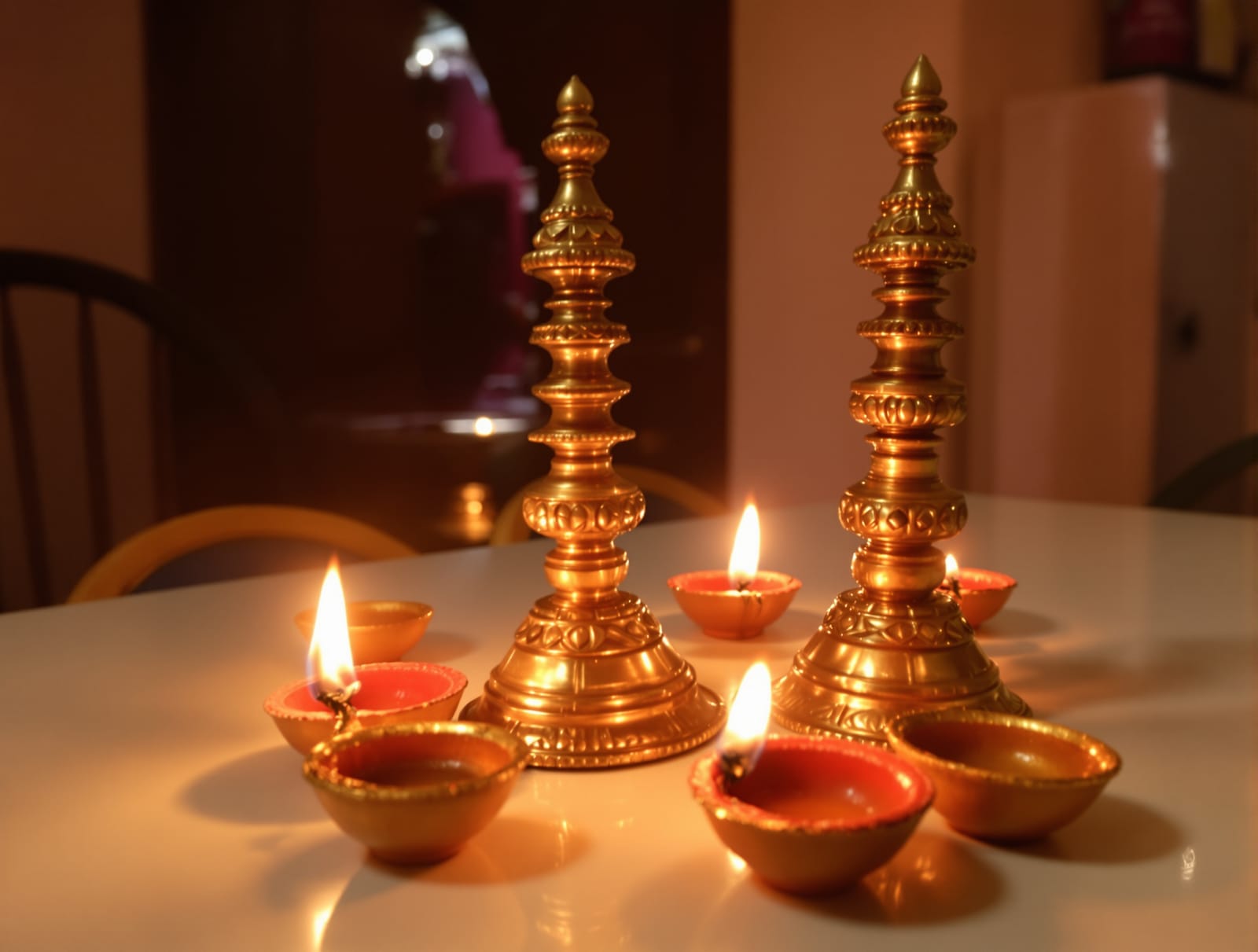
From the tall South Indian Nilavilakku standing lamp to small diyas and hanging lamps, brass oil lamps are perhaps the most quintessentially Indian object of all. They bring warmth, ritual and a golden glow. Use a pair to flank an entryway or pooja space, or a single tall lamp as a sculptural floor piece. They look beautiful lit for occasions and equally good unlit by day.
Temple bells
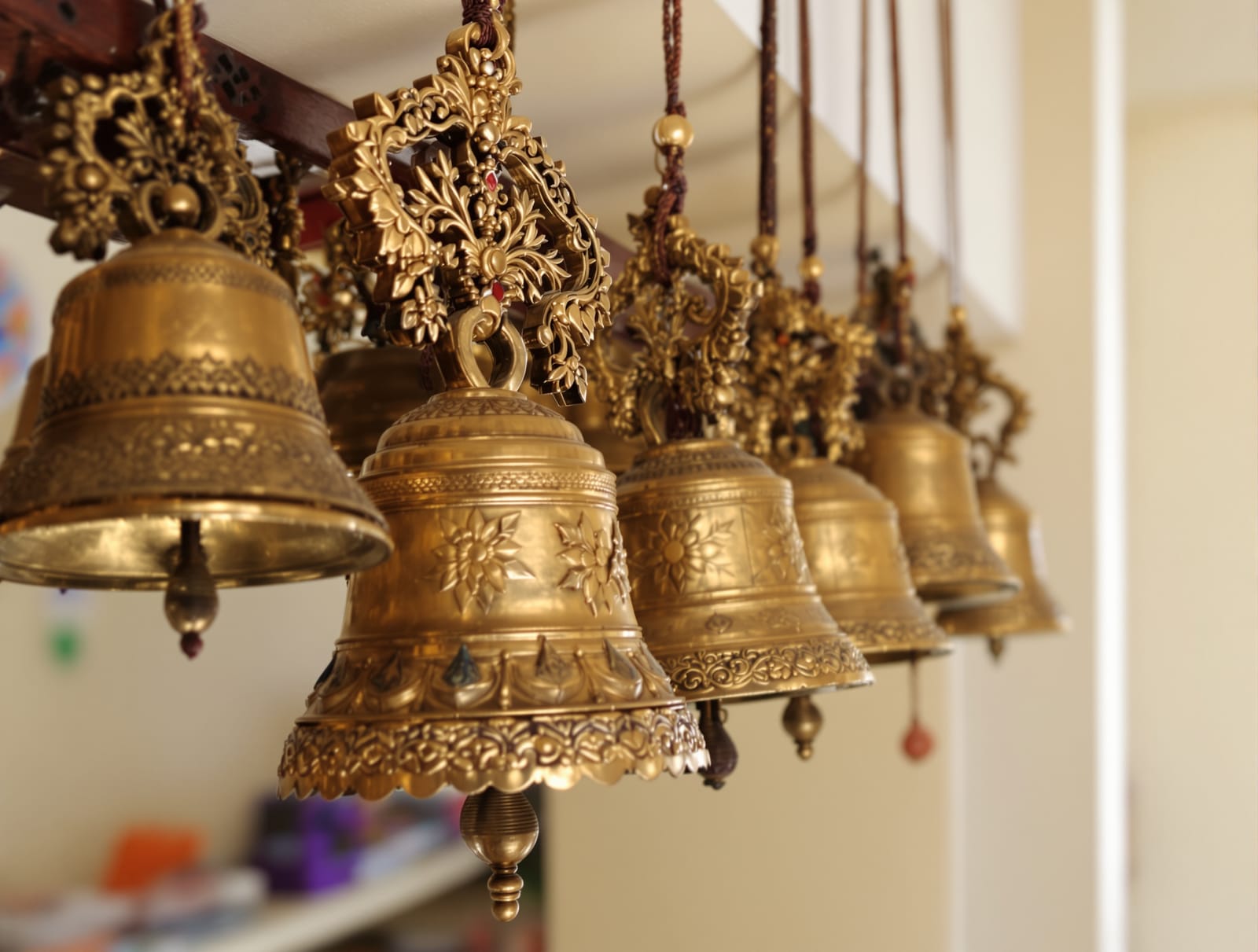
Antique brass temple bells (ghanti), with their ornate handles and deep resonance, work wonderfully as decor - hung in a doorway or balcony, clustered on a wall, or resting on a console. Old, reclaimed bells from temple-town markets carry the loveliest patina. Their sound and weight make them a tactile, characterful piece beyond pure visual decor.
Urli bowls
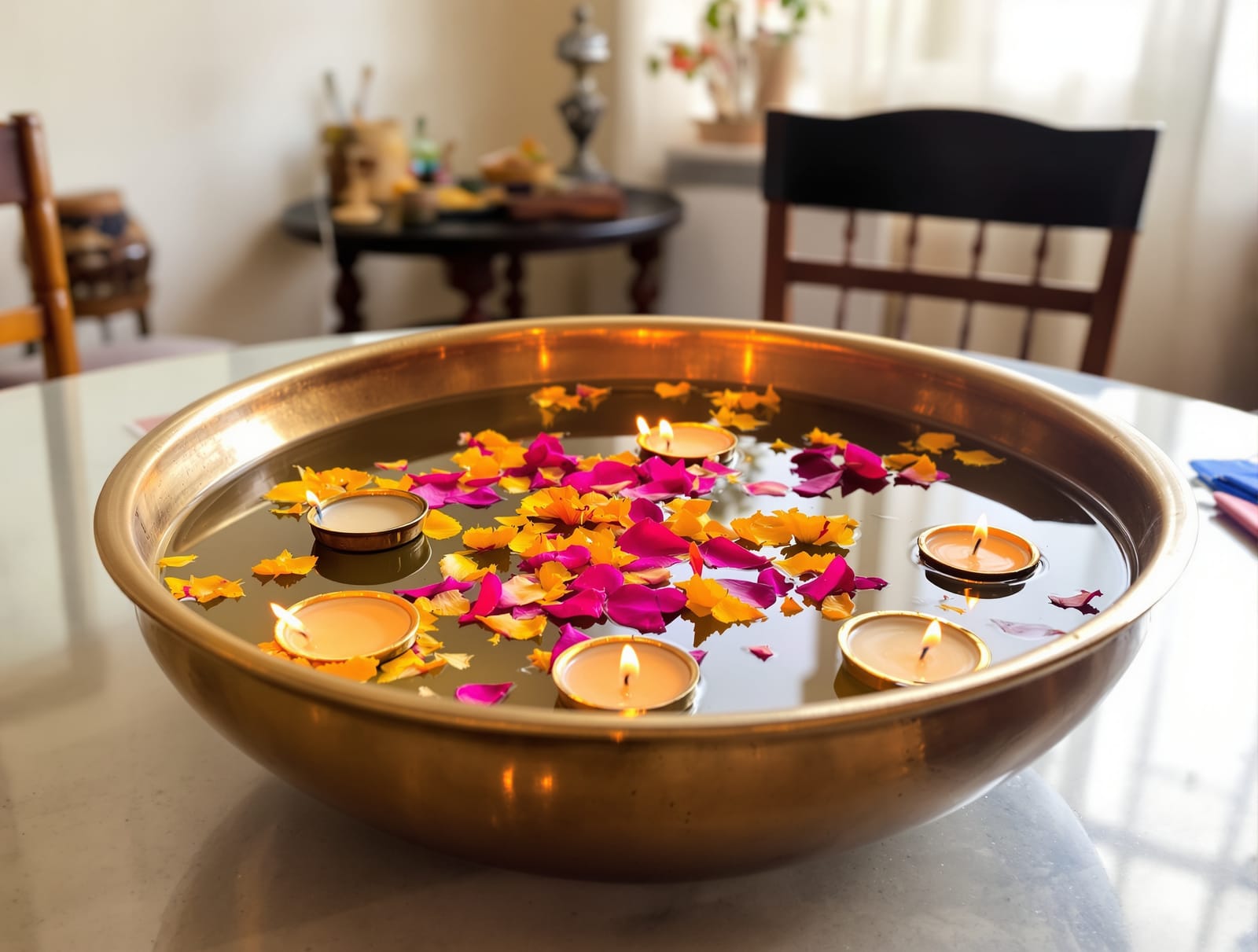
The wide, shallow brass or bronze urli is one of the most versatile heritage pieces. Fill it with water and float marigold and rose petals with a few tealights, and you have an instant centrepiece for an entryway, dining or coffee table - especially during festivals. It is the single most useful heritage object to own, beautiful every day and effortless to dress up for Diwali.
Antique wooden carvings
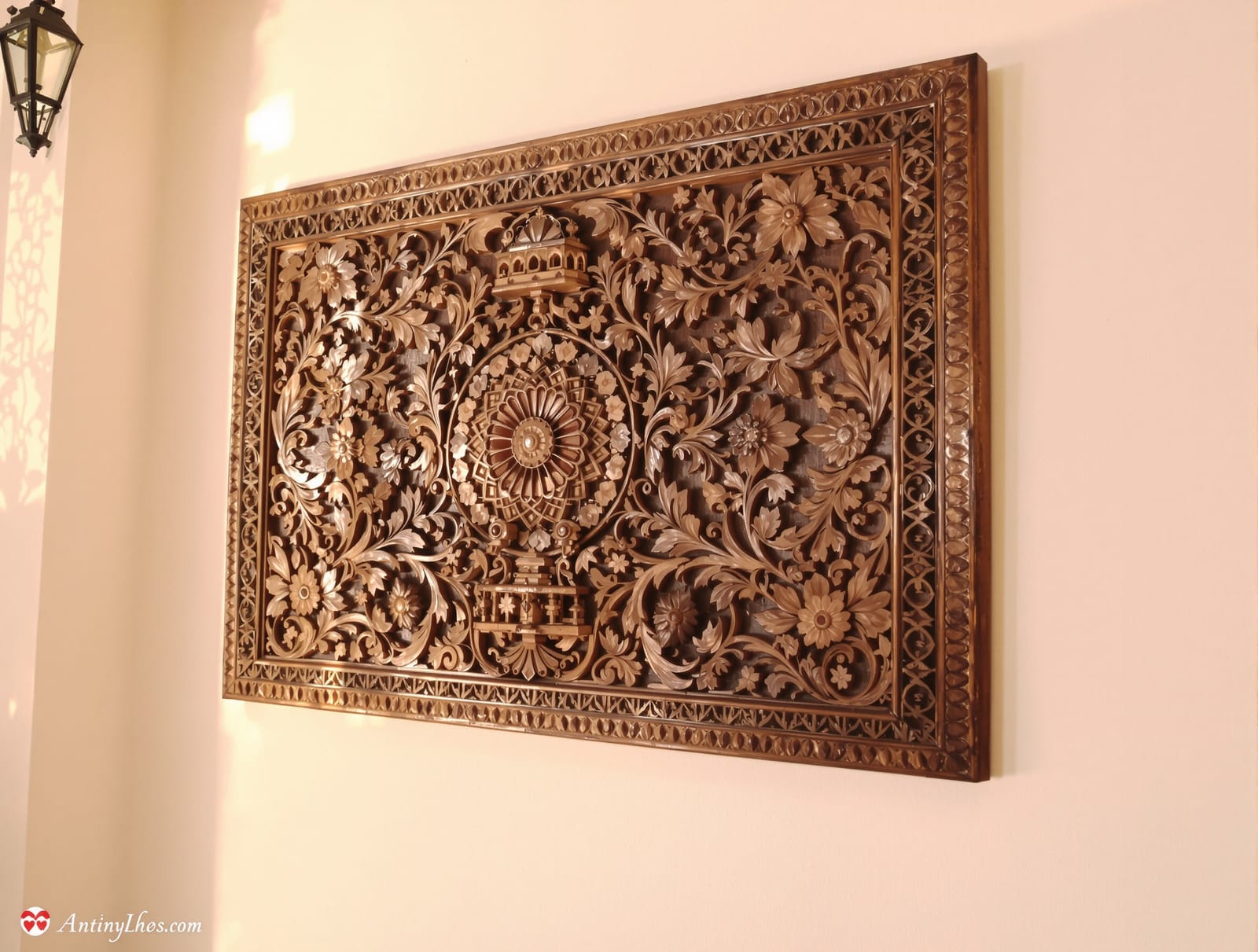
Hand-carved wooden panels, old jharokha window frames, brackets and door fragments make striking wall art and headboards. Reclaimed from old havelis and homes, each carries genuine age and craft. Mount a single carved panel as a focal point above a console or bed - one good piece has far more impact than several small ones, and its intricacy reads best against a plain wall.
Bidriware
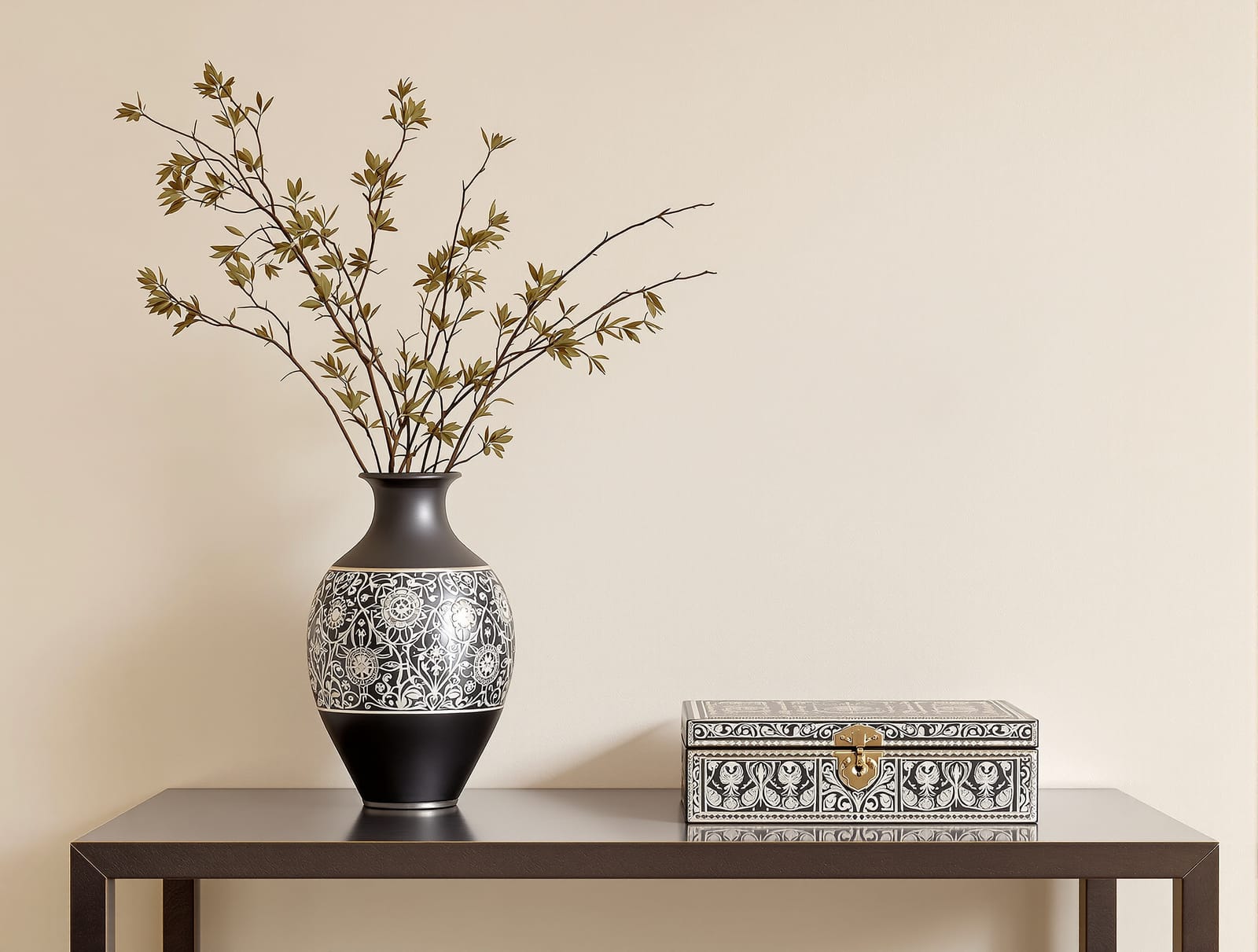
A GI-tagged craft from Bidar, Karnataka, Bidriware is a striking blackened gunmetal alloy inlaid with fine silver in floral and geometric patterns. Vases, boxes, bowls and goblets in Bidriware are quietly dramatic - the matte black and bright silver suit modern and luxury interiors beautifully. A single Bidriware piece on a console or shelf is a sophisticated, collectible accent.
Channapatna toys
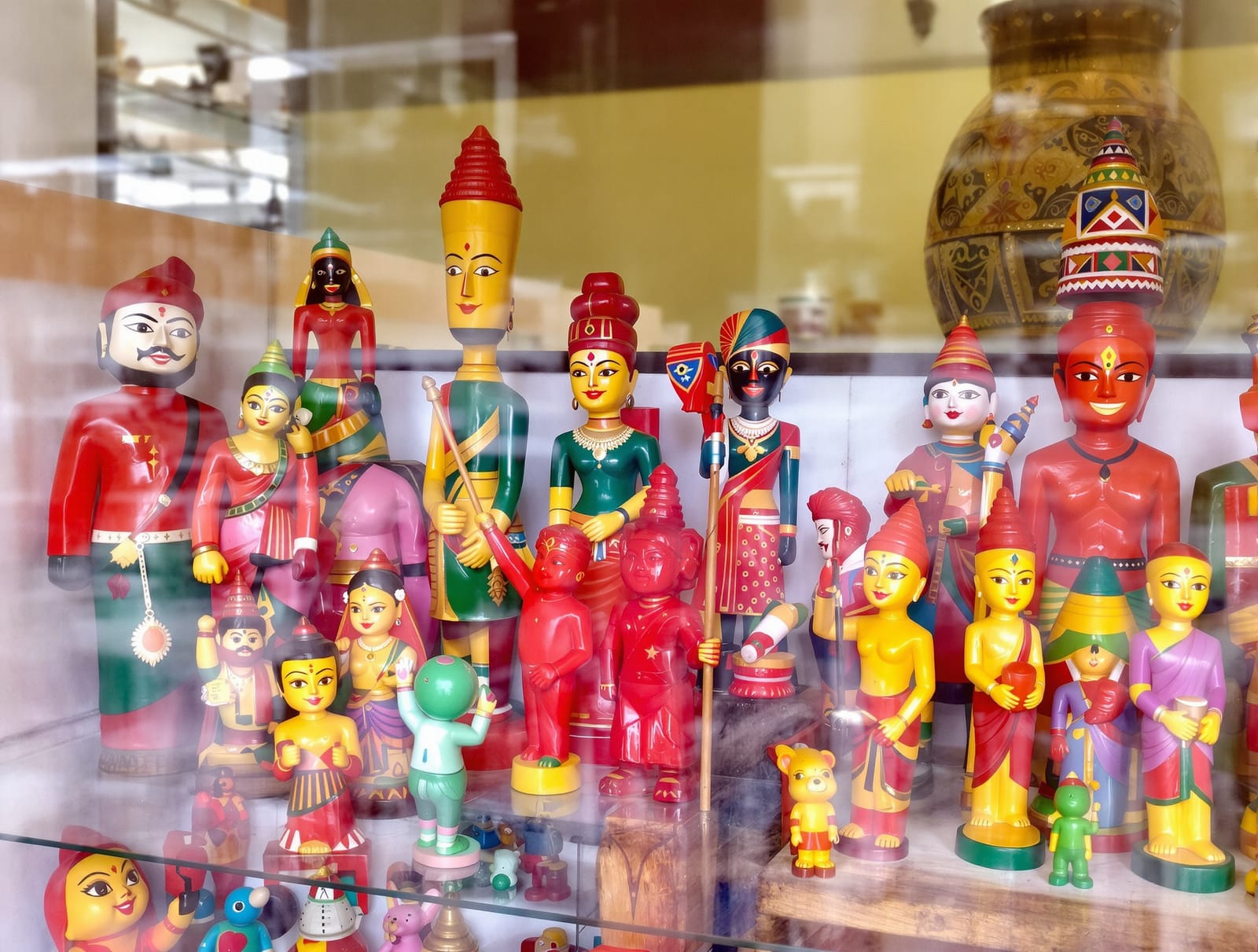
The cheerful, glossy lacquered wooden toys and figurines of Channapatna, Karnataka - another GI craft - are turned from ivory wood and coloured with safe vegetable-dye lac. Their bright, rounded forms add playful colour to a shelf, a child's room or a styling vignette. A small grouping brings instant warmth and a distinctly Indian, handmade cheer.
Tribal masks
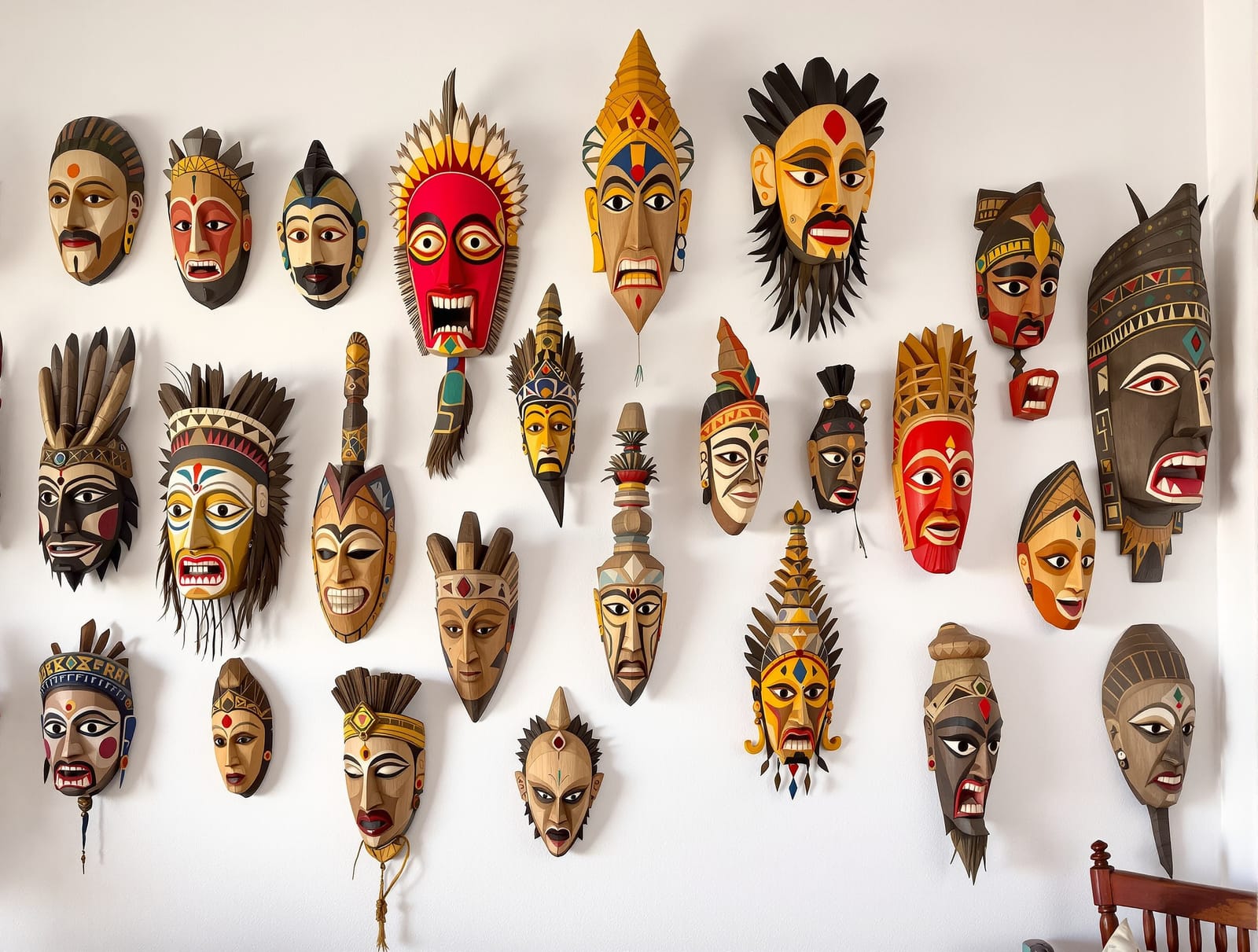
Carved and painted tribal masks - from the Gonds, the North-East, Kerala's ritual traditions and beyond - make powerful, graphic wall decor. Grouped as a gallery on a plain wall, they add texture, history and a strong focal point. Buy from fair sources, and treat them with the respect their ritual origins deserve rather than as mere curios.
Traditional handicrafts
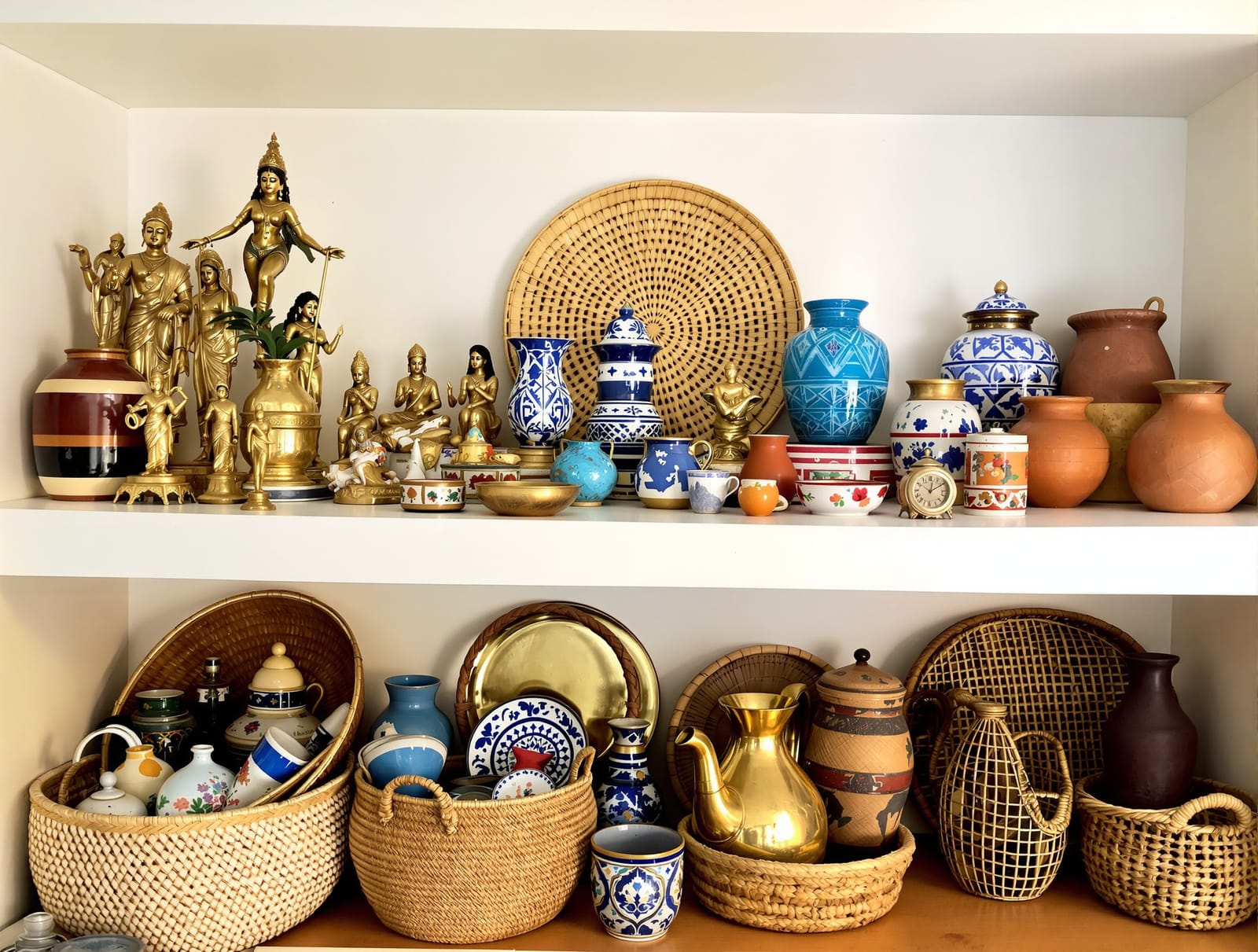
Beyond the named crafts lies a vast world of regional handicraft - Jaipur blue pottery, terracotta from Bengal and the south, dhokra metal figurines, cane and bamboo, marble inlay, Kondapalli figures. Mix a few on an open shelf, varying material and height, for a collected, well-travelled look. The key is to edit: a curated handful reads as considered, a crowd reads as clutter.
Pooja room artifacts
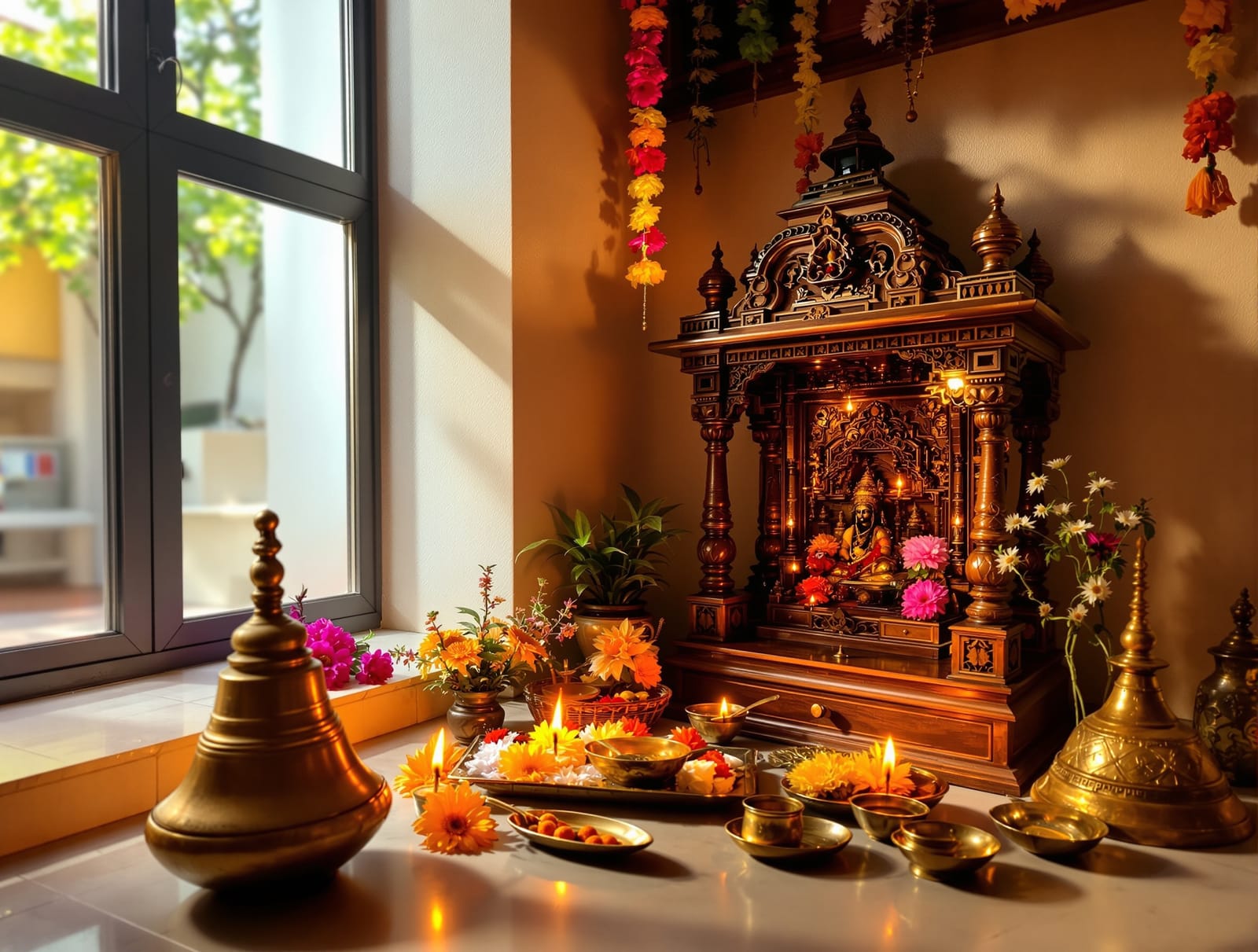
The pooja space is where heritage decor and daily devotion meet - a carved wooden mandir, brass lamps, a bell, an urli of flowers and fine brass objects. Treat it with care: keep it uncluttered, well-lit and serene, and follow the placement traditions your family observes. For laying out the space itself, see our guide to Pooja Room Design.
How to Use Heritage Decor Without Looking Like a Museum
The biggest risk with heritage decor is overdoing it until a home feels like a curio shop. The fix is restraint:
- One hero per room. Let a single strong piece - an urli, a carved panel, a Bidriware vase - lead, and keep the rest quiet.
- Mix old with modern. A carved antique against a clean modern wall, or a brass lamp beside minimal furniture, makes both look better.
- Give it space. Intricate craft needs breathing room and a plain backdrop to be read and admired.
- Group, do not scatter. Cluster a few small pieces on one shelf rather than dotting them around the whole house.
Match Heritage Decor to Your Style
These pieces are not only for traditional homes - see the same home across styles on our Moodboards:
- Traditional and Indo-contemporary - brass lamps, urli, carved wood and temple bells feel completely at home. See Traditional Indian Interiors.
- Minimal and Contemporary - one Bidriware piece or a single carved panel as a deliberate accent against clean lines.
- Bohemian and eclectic - layer Channapatna, tribal masks and mixed handicrafts freely.
Pair them with handloom Indian Textiles, or preview your own room restyled with DesignAI.
Authenticity, GI Tags & Supporting Artisans
Several of these crafts - Bidriware, Channapatna, blue pottery and others - carry a Geographical Indication (GI) tag, which certifies genuine regional origin. To buy authentically: prefer government emporiums and known craft platforms, look for the Handloom or GI marks, expect slight handmade irregularities (a sign of real craft, not a flaw), and be wary of suspiciously cheap "antiques". Buying genuine costs a little more and keeps the craft and its artisans alive.
Caring for Heritage Pieces
- Brass: polish for shine, or let it develop a natural patina - both are valid; just keep it dry.
- Wood: dust gently, keep out of direct sun and damp, and oil antique carvings occasionally.
- Lacquerware (Channapatna): wipe with a dry or barely-damp cloth; keep away from water and heat.
- Bidriware: handle gently and keep dry to protect the silver inlay.
Where to Buy in India
- Government emporiums: Central Cottage Industries Emporium and state emporiums (Poompuhar, Cauvery, Kairali, Gurjari) for vetted, authentic craft.
- Online craft platforms: Jaypore, iTokri, GoCoop, Okhai, Amazon Karigar.
- At the source: craft clusters and melas - Bidar for Bidriware, Channapatna for toys, Moradabad for brass, Jaipur for blue pottery.
Ten Common Mistakes
1. Overcrowding until the home feels like a curio shop.
2. Buying cheap reproductions sold as genuine antiques.
3. Scattering small pieces everywhere instead of grouping them.
4. Placing intricate craft on a busy background where it gets lost.
5. Mixing too many loud crafts in one space with no edit.
6. Ignoring scale - a tiny piece lost on a large wall, or vice versa.
7. Neglecting care - tarnished, dusty pieces lose their magic.
8. Treating ritual objects like masks or idols without due respect.
9. Skipping provenance - not knowing where or how a piece was made.
10. Forcing a fully traditional look when one accent would do more.
FAQ
How do I add Indian heritage decor to a modern home?
Start with one strong piece - a brass urli, a carved wooden panel or a Bidriware vase - and let it stand out against clean, modern surroundings. Mixing a single antique with contemporary furniture looks more sophisticated than filling a room with traditional objects.
What is Bidriware?
Bidriware is a GI-tagged metal craft from Bidar, Karnataka, where a blackened gunmetal (zinc-copper) alloy is inlaid with fine silver in floral and geometric patterns. The dramatic matte-black-and-silver contrast makes vases, boxes and bowls that suit modern and luxury interiors.
What is an urli and how do I use it?
An urli is a wide, shallow brass or bronze bowl. Fill it with water and float flower petals - marigold and rose - with a few tealights to make an instant centrepiece for an entryway, dining or coffee table, especially during festivals like Diwali.
How do I know if a craft piece is authentic?
Look for the GI or Handloom mark, buy from government emporiums or trusted craft platforms, and expect small handmade irregularities. Genuine pieces are rarely suspiciously cheap, and a reputable seller can tell you the craft's region and maker.
Are Channapatna toys safe and only for children?
Channapatna toys are turned from ivory wood and coloured with safe vegetable-dye lac, so they are child-safe - but their bright, glossy forms also make charming decor on a shelf or in a styling vignette for any room.
How do I care for brass heritage pieces?
You can polish brass for a bright shine or allow it to develop a warm natural patina - both are valid choices. Either way, keep the pieces dry, dust them regularly, and avoid harsh abrasives that can scratch the surface.
Buy one genuine piece you love, give it room to be seen, and let it root your home in real Indian craft - that is the whole art of heritage decor.
Last verified: June 2026 · Next verify: June 2027.
Export this guide
Related Guides — Deep-dive reading
Bohemian Interiors — A 2026 Eclectic Style Guide for Indian Homes
Collected, layered, alive · Rust and jewel tones · Curated eclecticism, never clutter
Design StylesDecorative Mirrors — A 2026 Guide for Indian Homes
Space, light and a focal point in one move · Full-height to Venetian · Where to place them and why
Design StylesDecorative Objects: Crystal, Glass, Ceramic & Collectible Art for the Home
Crystal, glass, handcrafted, ceramic, tribal and antique objects - styling, authenticity, budget and care for Indian homes.
Design StylesRelated Tools — Try Free
Cross-Ventilation Analyzer
Estimate airflow and air changes per hour (ACH) from room size, window areas, layout, and local wind — with NBC 2016 Part 8 compliance check.
Ventilation CalculatorDesign Style Finder Quiz
Answer 10 visual questions to discover your Indian interior style profile with materials and colours.
Interactive QuizApartment Furniture Size Chart
Standard furniture dimensions for Indian apartments — sofas, beds, tables, dining, storage.
Reference Chart