
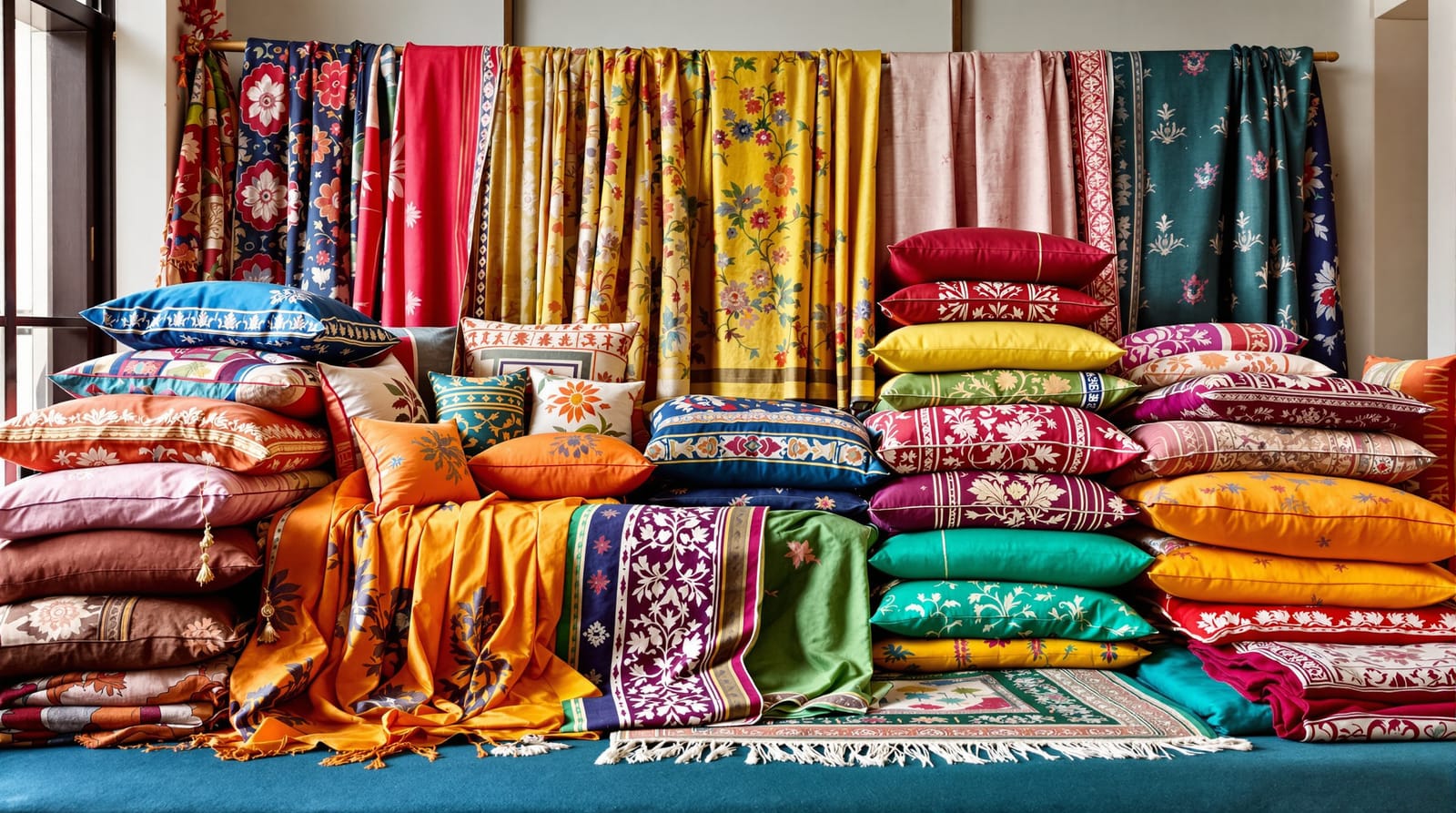
Indian Textiles for the Home — Ikat, Kalamkari, Banarasi & More
Handloom heritage as decor · Ikat, Kalamkari, block print, Banarasi, Kashmiri · How to use each at home
India's handloom heritage is the soul of an Indian home, and the easiest way to root a modern interior in real craft. Long before "decor" was a category, Indian households dressed their rooms in cloth: an ikat throw folded over a wooden swing, a Kalamkari panel above a doorway, a Banarasi runner brought out for festivals. These are not props. They are living traditions, often woven or painted by families who have practised the same craft for generations, with a depth of colour and meaning no printed import can fake. The good news is that you do not need a heritage haveli to use them. A single honest textile can warm up the most minimal apartment and give it a sense of place that feels unmistakably yours, and unmistakably Indian.
This guide walks through five of India's great textile traditions, where each comes from, how it is made, and exactly how to bring it home, followed by practical notes on styling, care, authenticity and where to buy. For a broader look at fabric in the home, pair this with our overview of Decorative Textiles.
Five Living Textile Traditions
Each of the crafts below is a distinct discipline with its own region, technique and visual language. Several carry a Geographical Indication (GI) tag, a legal mark that ties a craft to its place of origin and protects it from imitation. Treat that tag as a quiet sign of authenticity when you shop.
Ikat fabrics
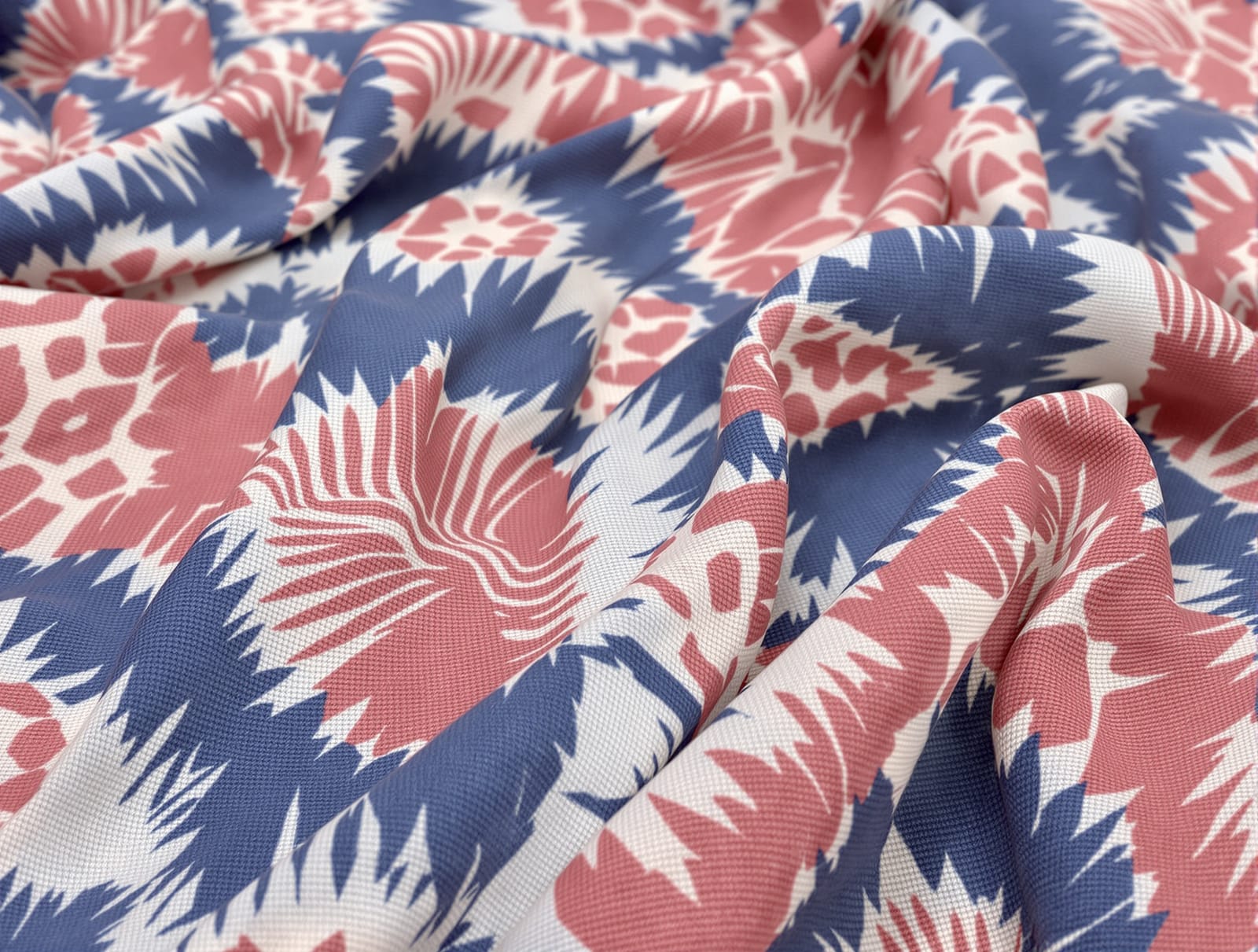
Ikat is one of the most technically demanding textiles in the world. Its defining feature is that the yarn is resist-dyed before it is woven, the pattern bound and dyed onto the threads themselves, so the design literally exists in the yarn before a single line is woven. Because the dyed threads can never be aligned with perfect precision on the loom, ikat carries a characteristic soft, feathered, slightly blurred edge to every motif. That gentle haziness is the signature of true ikat, and it is the easiest way to tell it apart from a printed copy.
India has three major ikat clusters, each with its own personality. Pochampally in Telangana is famous for crisp geometric ikat in cotton and silk and holds a GI tag. Odisha produces the softer, curvilinear sambalpuri ikat, often featuring stylised conch, fish and flower motifs. Gujarat is home to the rarest and most painstaking form of all, the double ikat patola of Patan, where both warp and weft are resist-dyed so the pattern matches from both directions, a process so labour-intensive that a single sari can take months.
At home, ikat is wonderfully versatile because its graphic patterning reads as almost contemporary. Use it for cushion covers and bolsters, as upholstery on an accent chair or a bench, or as light curtains where the weave lets the sun through. A folded ikat throw at the foot of a bed or over a sofa arm adds instant texture. Cotton ikat handles daily use well; reserve silk ikat for cushions and decorative throws rather than high-traffic seating.
Care note: hand-wash cotton ikat in cold water with a mild detergent, and expect a little colour to release in the first wash or two, as natural and reactive dyes settle. Dry in shade to protect the colours, and dry-clean silk ikat.
Kalamkari textiles
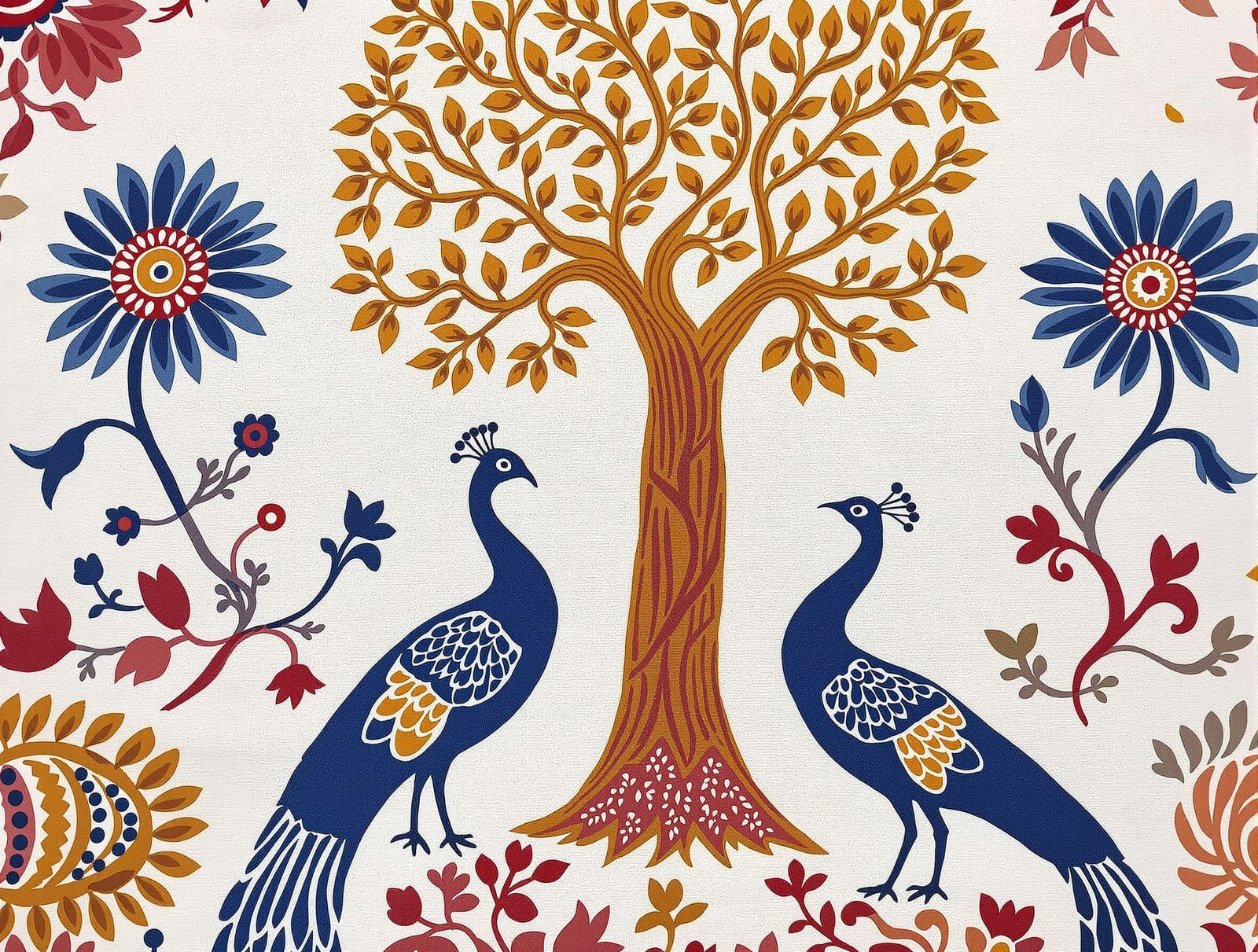
Kalamkari is narrative cloth. The name comes from kalam (pen) and kari (work), and in its purest form the cloth is hand-painted with a bamboo or date-palm pen using natural dyes derived from plants, roots and fermented iron. There are two main schools. Srikalahasti in Andhra Pradesh is the temple tradition, free-hand painted with mythological and religious narratives, scenes from the epics, and intricate detail. Machilipatnam, also in Andhra Pradesh, leans more on block-printing combined with hand-painting and is known for Persian-influenced floral and tree-of-life designs. The iconic tree-of-life motif, a flowering tree spreading across the cloth, comes from this tradition.
The process is slow: the cotton is treated with myrobalan and buffalo milk, then drawn, painted, and repeatedly washed and sun-dried to fix each natural colour, giving an earthy palette of mustard, indigo, rust-red and black that ages beautifully.
For the home, a large Kalamkari panel makes a superb wall hanging, and a tree-of-life piece behind a bed reads almost like a tapestry. Smaller pieces become storytelling cushion covers, table runners and bed runners. Kalamkari also works beautifully framed, turning a section of narrative cloth into art. Because the imagery is detailed, let one Kalamkari piece be the focal point and keep the surrounding textiles plain.
Care note: Kalamkari uses natural dyes that are sensitive to harsh chemicals and strong light. Gentle cold hand-wash separately, never bleach, dry in shade, and keep framed or hung pieces out of direct sun to prevent fading.
Block-printed fabrics
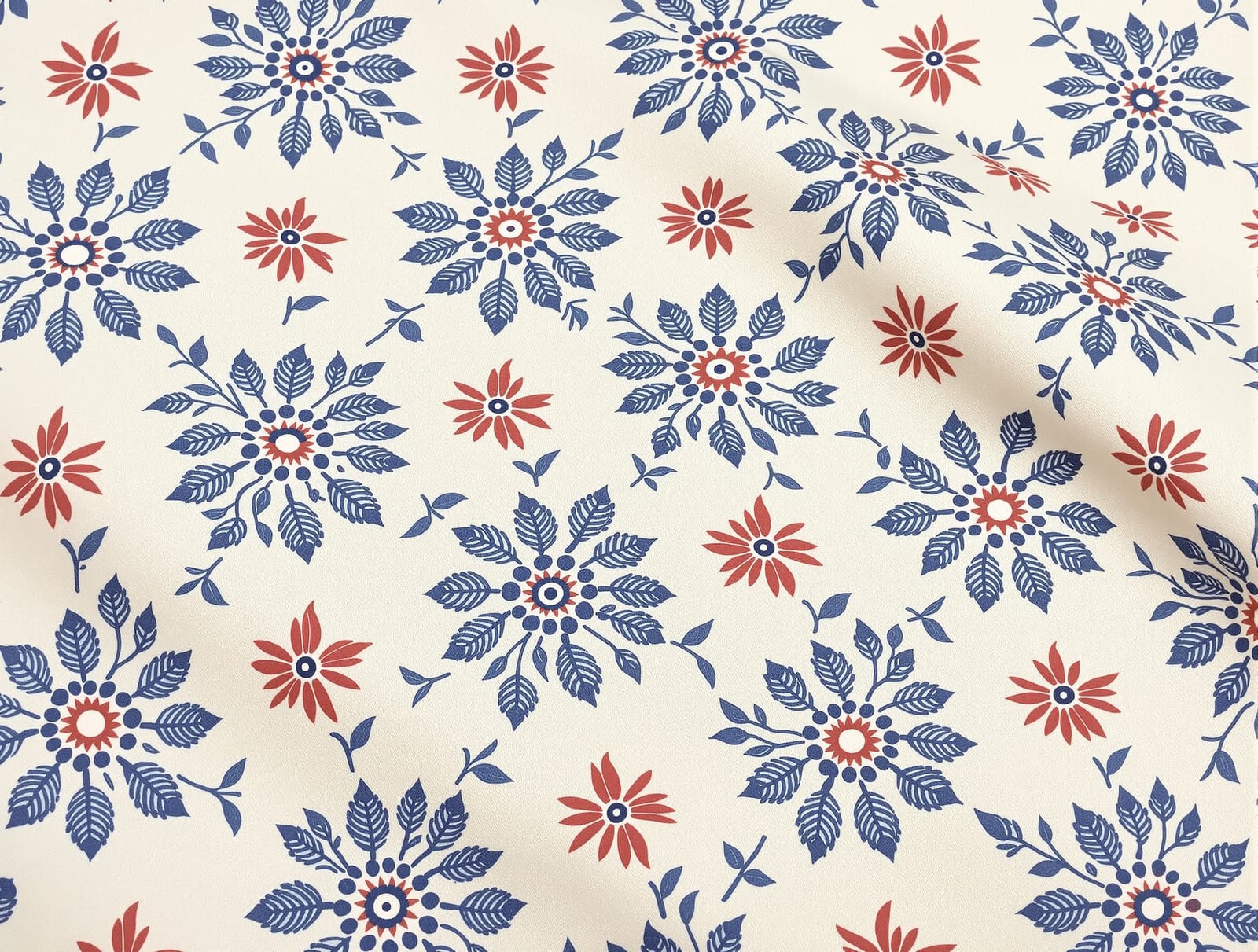
Hand block-printing is India's most accessible heritage craft and, for many homes, the easiest place to start. Artisans carve a motif into a wooden block, dip it in dye, and stamp it across the cloth by hand, repeating the block thousands of times to build a repeating pattern. The tiny variations between impressions, a slightly heavier print here, a faint overlap there, are the hallmark of genuine hand block-printing.
Rajasthan is the heartland. Bagru is known for earthy, mud-resist and natural-dye prints in indigo, madder-red and black, often with dabu (mud-resist) work. Sanganer, near Jaipur, is famous for fine, delicate floral prints on a white or cream ground. In Kutch and the Sindh borderlands, the Ajrakh tradition produces deeply geometric, resist-printed cloth in rich indigo and madder, built up through many laborious stages of printing, resisting and dyeing. Indigo (blue) and madder (red) are the classic natural-dye colours across all of these.
Block print is the workhorse of Indian home textiles. Use it generously yet thoughtfully for cushion covers, quilts and razais, bed linen and bed runners, light curtains, tablecloths and napkins. Because cotton block print is hard-wearing and washable, it suits everyday use far better than silk. A stack of block-print quilts or a set of indigo cushions can carry an entire room.
Care note: gentle cold hand-wash, especially for the first few washes, as natural-dye block prints (and indigo in particular) will bleed initially. Wash separately, use mild detergent, avoid wringing hard, and dry in shade.
Banarasi textiles
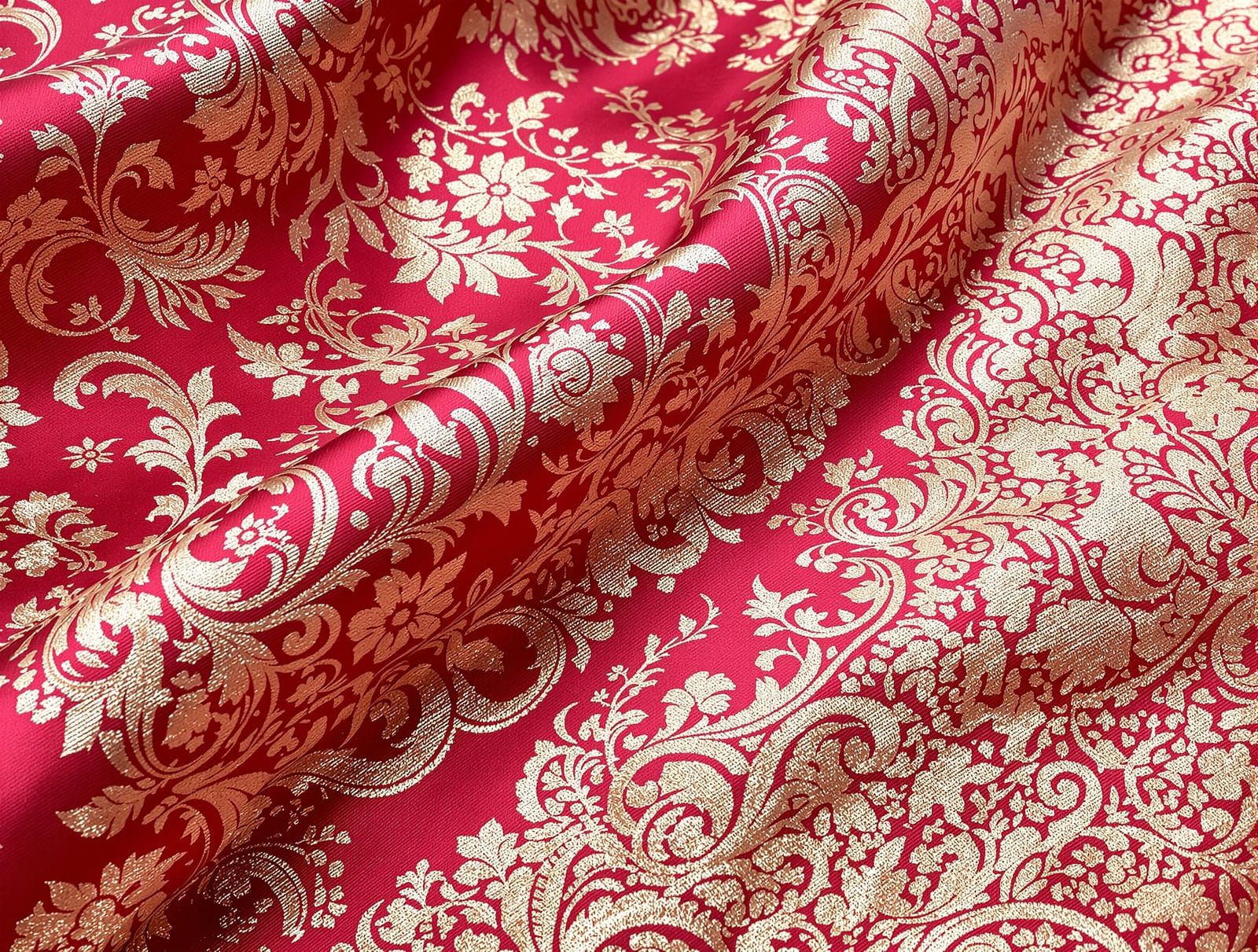
Banarasi is opulence woven into cloth. Made in Varanasi (which holds a GI tag for its handloom brocades), Banarasi textiles are silk brocades woven with gold and silver zari, the metallic thread that gives the fabric its shimmer and weight. The motifs draw on centuries of Mughal influence: dense florals, the curving paisley (buta), jangla vines, and the kalga-and-bel border patterns. A true Banarasi handloom piece can take days or weeks to weave, with the figured zari work built up thread by thread on the loom.
While Banarasi is best known for bridal saris, the same brocade makes extraordinary home accents, used in restraint. A pair of Banarasi cushion covers, a single bolster, a brocade table runner, or a length used as a decorative throw can bring festive richness to a sofa or bed. Because the fabric is precious and heavy, it belongs on decorative, low-contact pieces rather than everyday upholstery. One Banarasi accent against plain linen or cotton reads as luxurious; a whole room of it reads as a costume.
Care note: Banarasi silk should be dry-cleaned only, never machine-washed. Store it folded in a cotton or muslin cloth (not plastic), refold along different lines occasionally so the zari does not crease and crack, and keep it away from direct sun, which can dull both silk and metallic thread.
Kashmiri embroidery
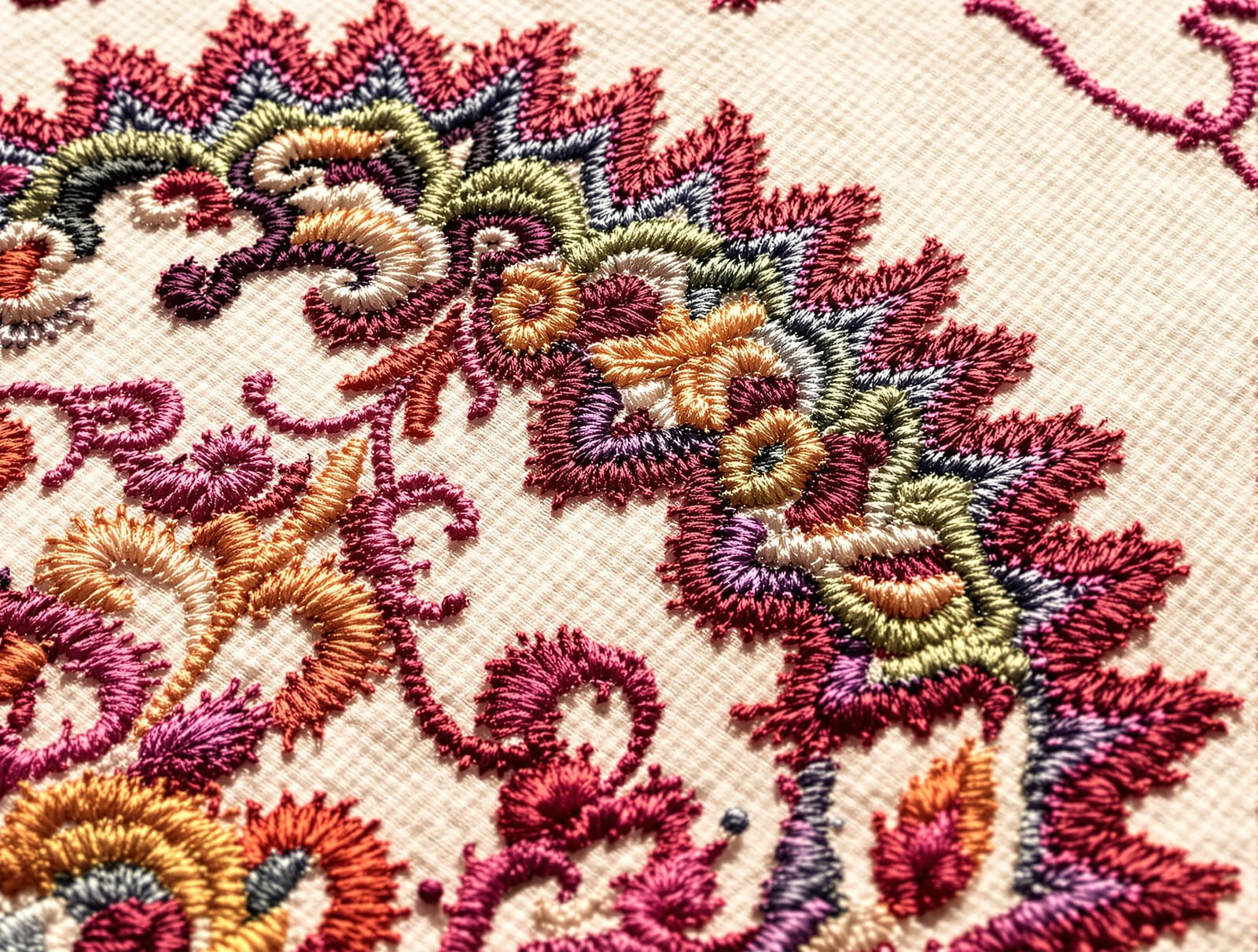
Kashmir's embroidery traditions turn plain wool and silk grounds into richly worked surfaces. Two styles dominate. Crewel, often called aari work, is a hooked chain-stitch worked in wool onto cotton or linen, producing bold, slightly raised floral and vine designs, the staple of Kashmiri upholstery and curtains. Sozni is the far finer needle-embroidery worked in delicate silk thread, prized on pashmina shawls and finished pieces. Across both, the recurring motifs are the paisley (buta) and the chinar leaf, the maple-like leaf of Kashmir's iconic tree, along with flowering creepers and the bird-and-blossom imagery of the valley's gardens.
At home, crewel-embroidered fabric is the practical hero: it upholsters beautifully and makes substantial curtains, cushion covers and ottoman tops, bringing texture and a cool, garden-like palette to a room. Finer sozni-worked pieces and embroidered shawls work as throws, bed runners and folded accents, or framed. Because the embroidery is wool and silk, treat it as you would any fine textile rather than a casual cotton.
Care note: Kashmiri wool embroidery should ideally be dry-cleaned, and because it is wool, it needs moth protection in storage, kept clean, aired periodically, and stored with natural moth repellents such as cedar or dried neem rather than in a damp cupboard.
How to Use Indian Textiles Without Looking Like a Museum
The single biggest mistake people make with heritage textiles is treating a room like a gallery, where every surface competes for attention. The fix is restraint. Edit ruthlessly: choose one hero textile per room and let everything else stay quiet. If your sofa wears bold ikat cushions, keep the curtains plain.
The reason heritage textiles look so good against modern interiors is contrast. Hand-crafted, irregular, colour-saturated cloth comes alive next to clean, simple furniture, a low teak sofa, a plain linen bed, a pale wall. The craft reads as the jewel because the setting is calm. Resist the urge to layer maximalism on maximalism. A few well-chosen pieces, given room to breathe, will always feel more sophisticated and more intentional than a room crammed with everything you love at once. Restraint, not abundance, is what makes the Indian touch look designed rather than dated.
Match Textiles to Your Style
Different crafts suit different design languages, and the easiest way to plan a scheme is to build a Moodboards collection before you buy. As a rough guide:
- Block print and ikat suit Bohemian and relaxed, casual rooms. Their graphic, earthy, washable character layers happily and forgives a lived-in mix.
- Banarasi and Kashmiri suit Traditional Indian and luxury rooms. Their silk, zari and fine embroidery bring formal richness and festive depth.
- Any of the five works in a contemporary home when used as a single accent: one ikat chair, one Banarasi bolster, one Kalamkari panel, set against plain modern surfaces.
If you are unsure how a particular textile will sit with your existing furniture and wall colour, our DesignAI tool can help you visualise a room scheme before you commit.
Caring for Handloom & Silk
Heritage textiles reward a little care and punish neglect. The rules are simple once you sort fabrics by type:
- Banarasi and other silk brocades: dry-clean only. Never machine-wash; water and agitation damage both silk and zari.
- Block print and ikat cottons: gentle cold hand-wash with mild detergent, separately for the first few washes because natural and reactive dyes bleed. Avoid hard wringing; dry in shade.
- Natural-dye pieces (Kalamkari, indigo block print, Ajrakh): keep them out of harsh direct sun, which fades plant-based colours far faster than synthetic ones. This applies to hung and framed pieces too.
- Kashmiri wool embroidery: dry-clean, and protect against moths in storage with cedar, neem or other natural repellents, airing the pieces periodically.
A shared principle runs through all of it: shade, gentleness and the right cleaning method preserve handmade colour for decades.
Authenticity & Budget
The market is full of power-loom and screen-printed fabrics sold as "handloom," so it pays to know the tells. Look for the Handloom Mark, a government label certifying genuine handwoven cloth, and for GI tags tied to specific clusters (Pochampally, Banaras, Patan patola and others). Genuine handwork shows slight irregularities: ikat has its feathered blur, block print has tiny shifts between impressions, hand-painted Kalamkari has visible brushwork. Check the reverse side too. On real woven brocade or ikat the pattern carries through to the back; a print sits only on the surface and the reverse looks pale or blank.
As an indicative guide to Indian prices (these vary widely by fibre, size and cluster), expect roughly:
- Cushion covers: around ₹400–₹1,500 for cotton block print and ikat; ₹1,500–₹4,000 and up for Banarasi silk or fine Kashmiri embroidery.
- Throws, bed runners and table runners: around ₹1,500–₹6,000 depending on craft and fibre.
- A statement piece (a hand-painted Kalamkari panel, a double-ikat patola length, a richly embroidered Kashmiri throw): from around ₹8,000 to well over ₹50,000 for the rarest work.
Treat these as starting points, not fixed rates; the rarest crafts command far more, and that price reflects months of skilled human labour.
Where to Buy in India
You can buy heritage textiles trustworthily both online and in person:
- Fabindia, for accessible, everyday block print, ikat and handloom home textiles.
- Jaypore, for curated, design-forward craft pieces from across India.
- Good Earth, for premium, design-led home textiles and a more luxurious aesthetic.
- Anokhi, particularly strong on Rajasthani hand block-print.
- iTokri, an online marketplace that works directly with artisan clusters across crafts.
- Cottage Emporium and the various state emporiums, government-run stores that are a reliable source of authentic regional crafts at fair prices.
- The craft clusters themselves, for the most direct and rewarding buying: Pochampally (ikat), Varanasi (Banarasi), Bagru and Sanganer (block print), Srikalahasti and Machilipatnam (Kalamkari), and Kashmir (crewel and sozni embroidery).
Buying close to the source keeps more of your money with the people who actually make the cloth.
Common Mistakes
1. Overdoing every surface. Covering cushions, curtains, walls and the bed in heritage prints at once turns craft into clutter. Choose one hero per room.
2. Buying fake prints as "handloom." Screen-printed power-loom cloth is sold as authentic constantly; without checking the Handloom Mark, GI tag, irregularities and reverse side, you overpay for an imitation.
3. Wrong washing ruining silk. Machine-washing or soaking a Banarasi piece destroys the zari and the silk. Silk brocade is dry-clean only.
4. Clashing too many crafts at once. Ikat, Kalamkari, block print and Banarasi in a single room fight each other. Limit how many distinct traditions share one space.
5. Using fragile silk where it gets daily wear. Banarasi and fine embroidery on a sofa that takes daily use will fray and dull fast. Reserve precious cloth for low-contact, decorative pieces.
FAQ
How do I use Indian textiles in a modern home?
Use one heritage textile as a single accent against plain, simple furniture. A single ikat cushion set, one Banarasi bolster or one Kalamkari wall panel reads as a deliberate jewel when the rest of the room stays calm and contemporary.
What is the difference between ikat and block print?
Ikat is a weaving craft: the yarn is resist-dyed before weaving, so the pattern is in the threads and has a soft, feathered edge. Block print is a surface craft: a carved wooden block stamps dye onto already-woven cloth, with small variations between impressions.
Is Banarasi only for saris?
No. Banarasi is best known for bridal saris, but the same silk brocade makes beautiful cushion covers, bolsters, table runners and decorative throws. Used sparingly as an accent, it brings festive richness to a sofa or bed.
How can I tell real handloom from a print?
Look for the Handloom Mark and GI tags, check for the natural irregularities of handwork (ikat's blur, block print's slight shifts, visible brushwork in Kalamkari), and turn the fabric over. Woven patterns carry through to the reverse; surface prints look pale or blank on the back.
How do I care for Kalamkari fabric?
Kalamkari uses natural dyes that are sensitive to chemicals and light. Hand-wash gently in cold water, never bleach, dry in shade, and keep hung or framed pieces out of direct sun to prevent the plant-based colours from fading.
Which Indian textile is best for everyday use?
Cotton block print and cotton ikat are the most practical for daily wear, since they are hard-wearing and washable. Reserve silk Banarasi and fine Kashmiri embroidery for decorative, low-contact pieces that are not handled or washed often.
The Indian touch is not about filling a room with pattern; it is about choosing one honest, handmade piece and giving it room to speak. Start with a single block-print cushion or an ikat throw, learn how it lives in your home, and build from there.
Last verified: June 2026 · Next verify: June 2027.
Export this guide
Related Guides — Deep-dive reading
Decorative Mirrors — A 2026 Guide for Indian Homes
Space, light and a focal point in one move · Full-height to Venetian · Where to place them and why
Design StylesBohemian Interiors — A 2026 Eclectic Style Guide for Indian Homes
Collected, layered, alive · Rust and jewel tones · Curated eclecticism, never clutter
Design StylesEarthy Interior Palette — A 2026 Style Guide for Indian Homes
Rooted · Regional · Biophilic · Indian craft-anchored
Design StylesRelated Tools — Try Free
Apartment Furniture Size Chart
Standard furniture dimensions for Indian apartments — sofas, beds, tables, dining, storage.
Reference ChartCurtain Fabric Comparison
Compare curtain fabrics side by side — drape, opacity, care, durability and cost — and get a quick recommendation.
Comparison ToolCross-Ventilation Analyzer
Estimate airflow and air changes per hour (ACH) from room size, window areas, layout, and local wind — with NBC 2016 Part 8 compliance check.
Ventilation Calculator