
Interactive Calculator · India 2026
Lift Headroom Calculator
Find the overhead clearance you need above the top landing for a home lift — and check it against the slab height you actually have. Required headroom changes with the drive type.
Floor-to-floor height sizes the shaft; the slab height above the top landing is the overhead you have to fit the required headroom into.
Quick scenarios — lift type
Ropes + counterweight, machine in the hoistway (MRL is the 2026 norm). Energy-efficient, smooth, faster.
Headroom check
TIGHTRequired (min)
0 mm
Required (max)
0 mm
You have
0 mm
Your overhead meets the minimum but is below the top of the band — fine for many MRL units, but confirm the exact model overhead with the vendor.
Required headroom by drive type
Minimum overhead band per drive type. The dashed line is the slab height you entered. Your choice is highlighted.
Pneumatic vacuum (PVE) and screw drives need slightly less overhead than rope-based lifts. Hydraulic and traction sit in the 2600-3000 mm band. Wherever your slab line crosses below a bar, that drive type will not fit without raising the overhead.
Bands are indicative; the exact overhead is set by the manufacturer for the chosen model, speed and car height.
Why MRL needs less overhead
Older lifts put the hoisting machine in a separate machine room above the shaft, which forced a tall overhead plus the room itself. A machine-room-less (MRL) traction lift mounts the gearless machine inside the hoistway at the top, so the old machine-room overhead is no longer needed.
The 2026 norm for home traction lifts is MRL, which is why the required headroom here sits in the 2600-3000 mm band rather than the much taller machine-room era figures. Pneumatic and screw drives have no separate machine and trim the overhead a little further.
Indicative June 2026 figures derived from India market benchmarks and IS 17900 / NBC 2016. Confirm the overhead for your exact model with the vendor.
Top-of-shaft and overhead
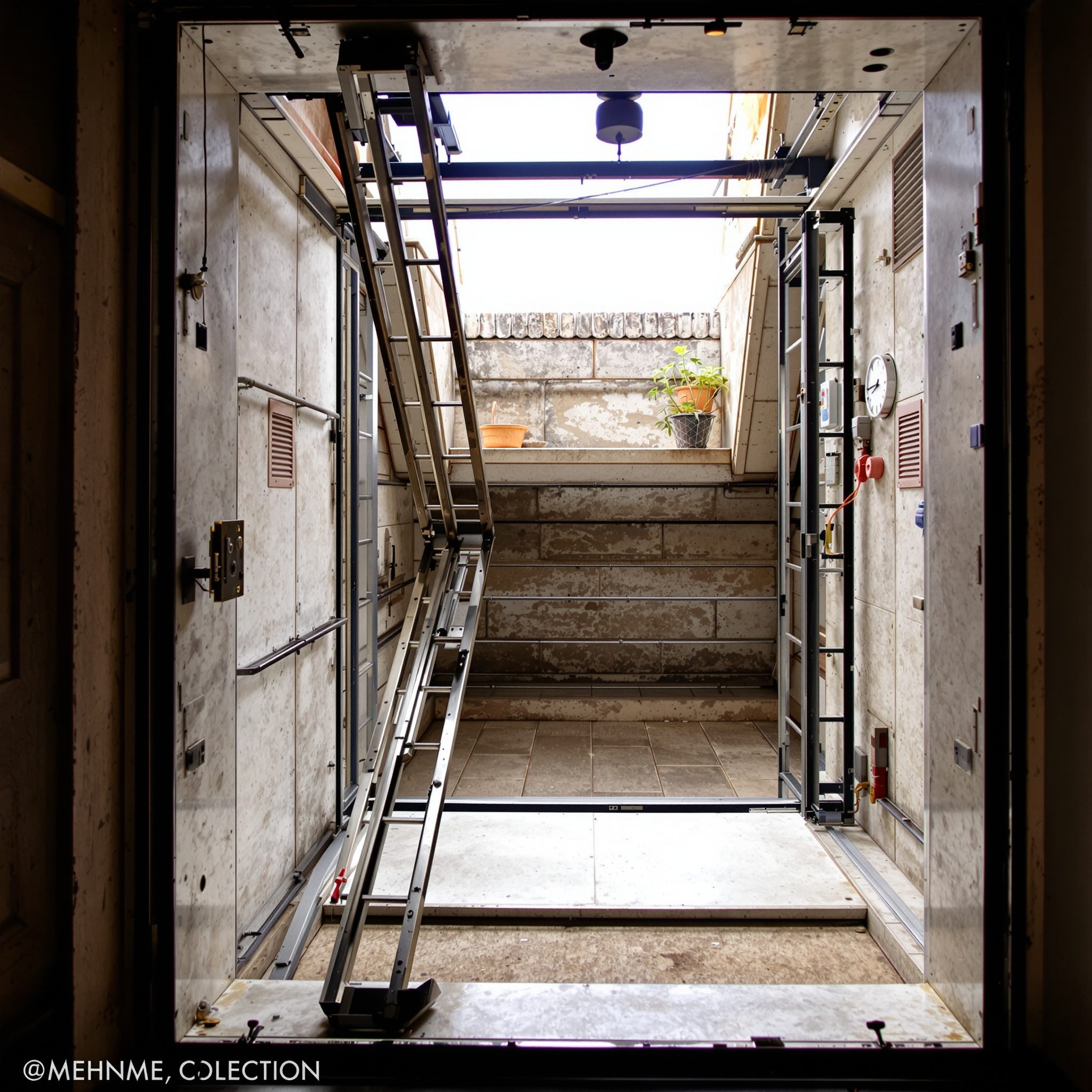
Top of shaft
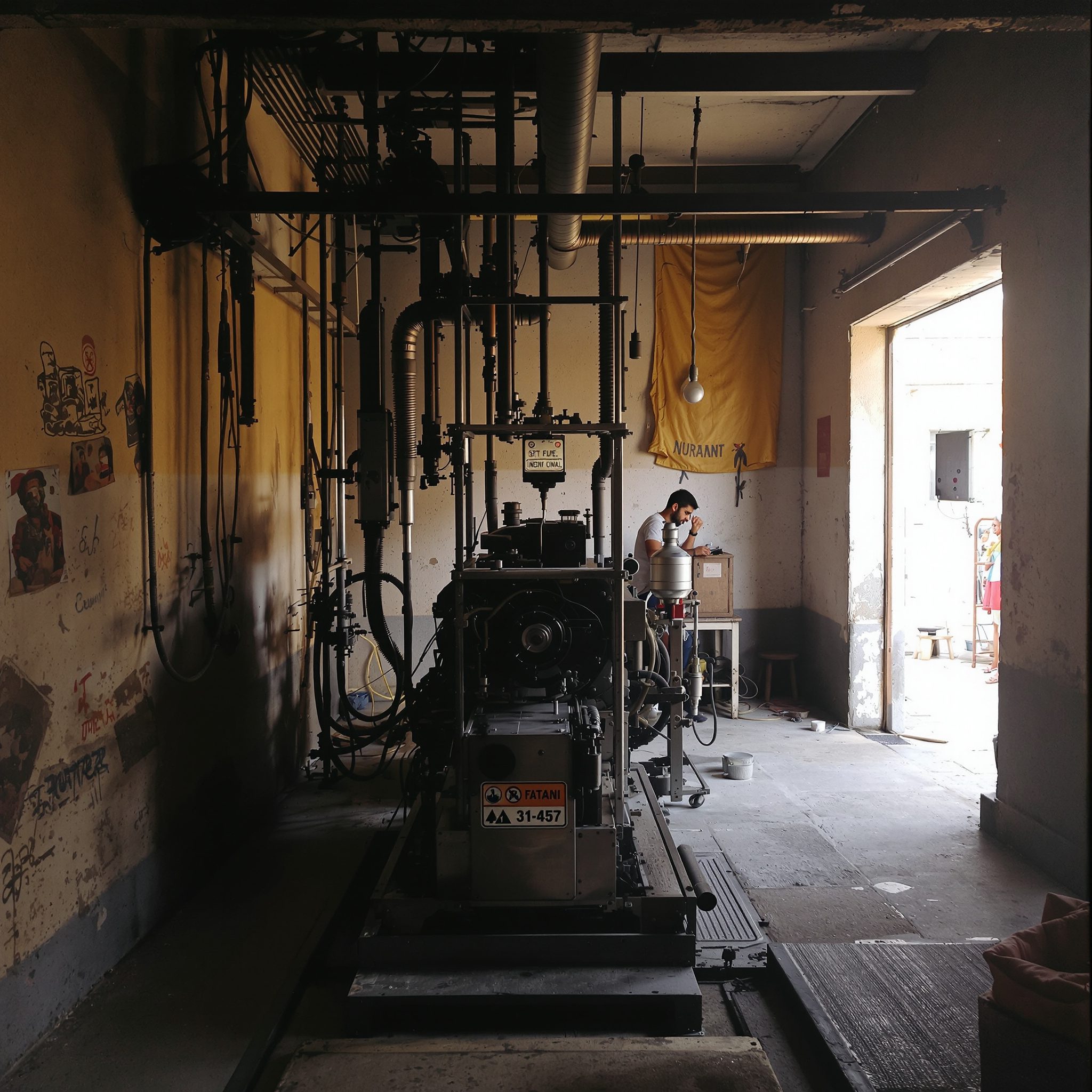
MRL · in hoistway
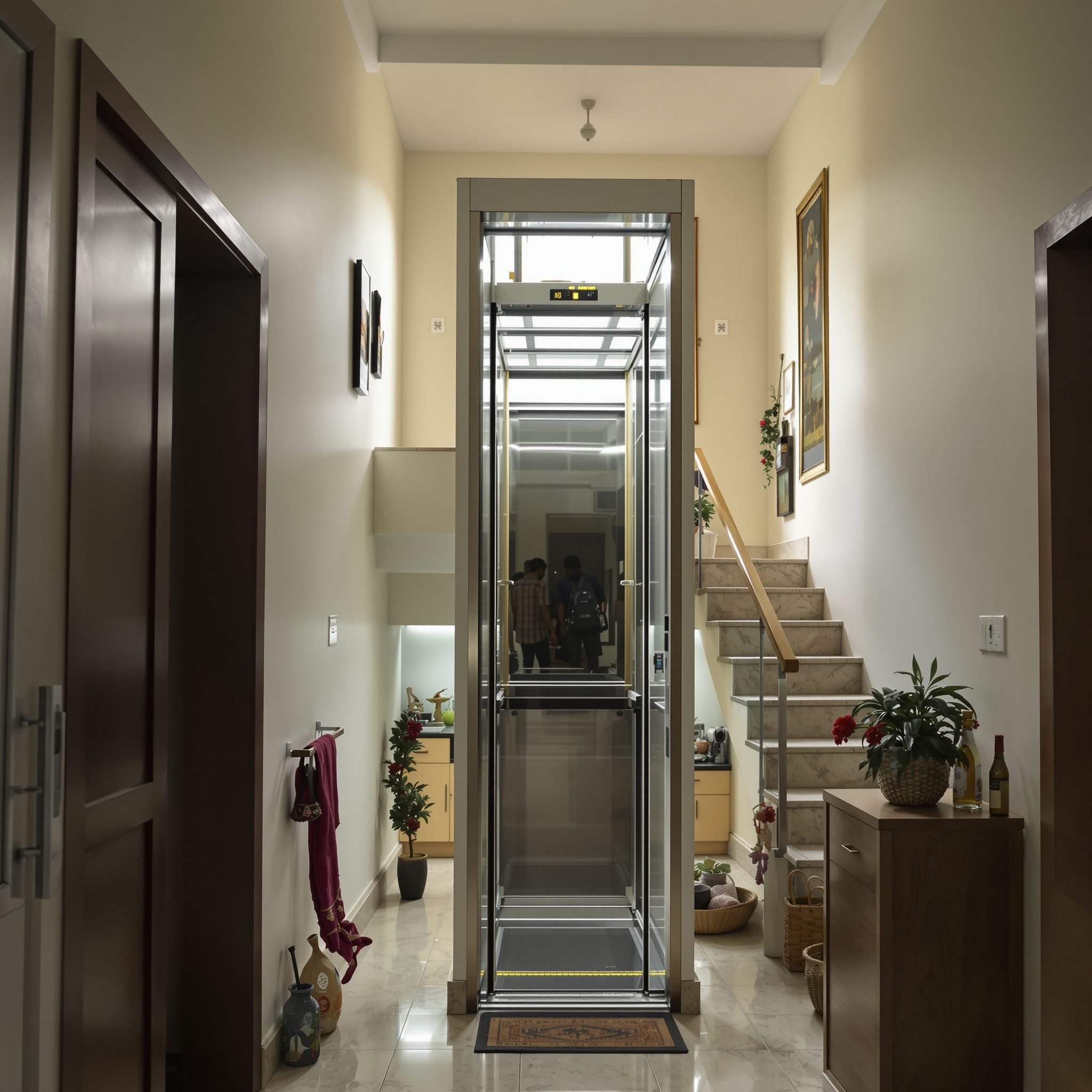
Top landing
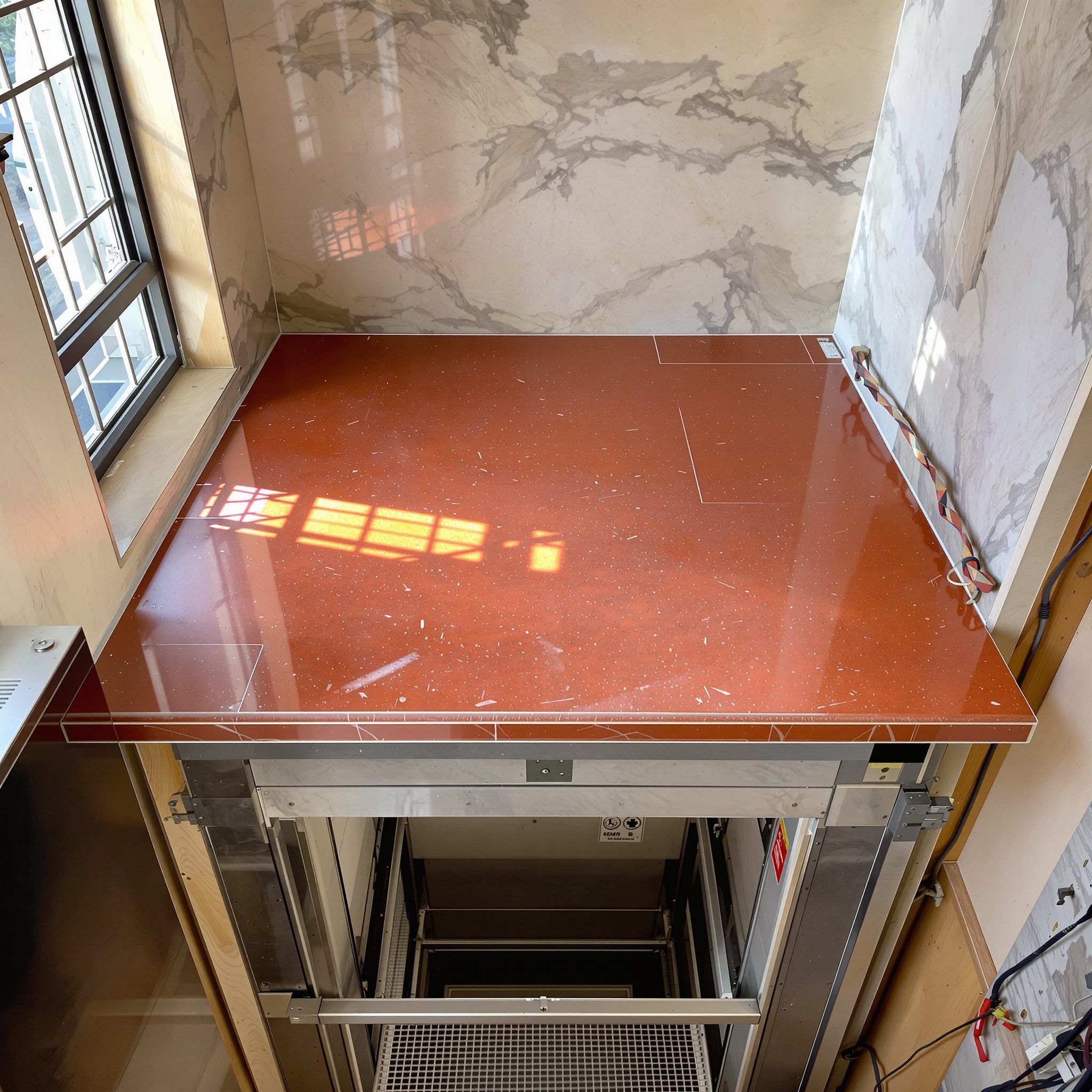
Slab · overhead
Plan the shaft and machine
Read how MRL changes the old machine-room and overhead requirements in our lift machine-room guide.
Related Guides — Deep-dive reading
Building Codes for Residential Elevators (India): NBC 2016 and Local Bye-Laws
How NBC 2016 Part 8 Section 5 and your municipal building bye-laws decide when a home lift is required, where its shaft goes, and how it must be built and fire-protected.
Home Lifts & AccessibilityArchitect's Residential Elevator Planning Handbook (India): Shaft, Loads, Code & Coordination
The plan-stage reference for carrying a home lift through the drawing board — shaft, structure, pit, code, licensing and accessibility.
Home Lifts & AccessibilityHome Lift Space Requirements (India): How Much Room a Home Elevator Really Needs
Footprint, clear shaft, pit and headroom by capacity (2/3/4/6 person), plus where to fit a lift in an Indian home plan.
Home Lifts & AccessibilityRelated Tools — You may also find these useful
Lift Shaft Size Calculator
Required hoistway, pit and headroom dimensions for a home lift by capacity and drive type.
Lift CalculatorAccessibility Compliance Calculator
Check a planned lift against the CPWD and RPwD accessible-lift benchmarks for a score.
Lift CheckerLift Pit Depth Calculator
The pit depth a home lift needs by drive type — or the pitless and shaftless options.
Lift Calculator