
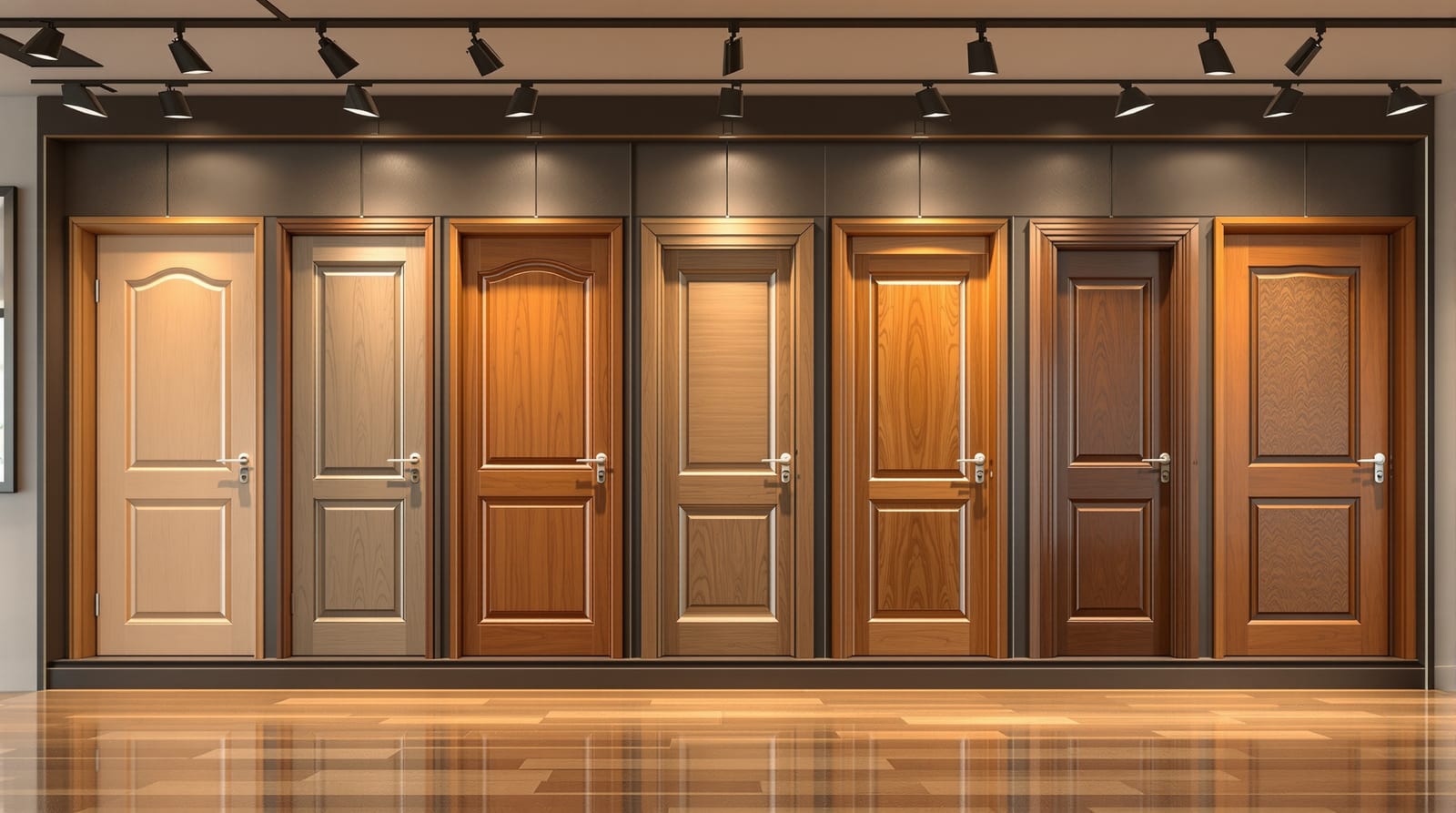
Best Door Brands in India: Complete Buyer's Guide 2026
A balanced guide to India's leading flush, WPC and uPVC door brands — who makes what, warranty norms, dealer reach and how to pick for your budget.
Choosing the best door brands in India is less about chasing a single "winner" and more about matching the right brand tier to the right opening and your budget. A branded flush door from an organised manufacturer typically gives you a written warranty, consistent core quality and a dealer who will answer the phone if something delaminates — things a no-name local door rarely guarantees. But brand premiums are real, and for some interior openings a reputable mid-tier door is the smarter spend. This guide maps the whole landscape — flush and ply, WPC, and uPVC — so you can buy with eyes open. Pair it with the master 2026 door cost guide for benchmark pricing.
How to read "brand" in the Indian door market
India's door market is split between organised brands (national manufacturers with warranties, BIS-grade boards and dealer networks) and the vast unorganised segment (local carpenters, regional flush-door units and unbranded WPC imports). Branded doors usually cost 15–40% more for an equivalent size, and what you are paying for is traceable material grade, glue-line quality, after-sales support and resale credibility.
Within the branded space, think in three tiers:
- Premium — strongest warranties, best finishes, widest service, highest price.
- Mid — the value sweet spot for most homes; solid quality, decent warranty.
- Value / mass — budget-friendly, thinner warranty, best for low-traffic interior or rental use.
No single brand is best for every door. A common pattern is a premium main door, mid-tier bedroom doors, and a value bathroom door. See the trade-offs in premium vs budget door brands.
Brand-tier landscape (flush / ply, WPC, uPVC)
The table below positions widely available Indian brands by category and tier. Positioning is general buyer's-comparison guidance, not a ranking — strengths overlap and product lines change.
| Category | Premium tier | Mid tier | Value / mass tier |
|---|---|---|---|
| Flush & laminated (ply-based) | CenturyPly / Century Doors, Greenpanel | Greenply, Action Tesa, Merino (laminates) | Kitply, Duroply, Sarda Ply |
| WPC doors | Alstone | Bright Doors, Action Tesa (WPC range) | Regional / unbranded WPC |
| uPVC doors | Fenesta (DCM Shriram), Aparna Venster, LG Hausys | Weatherseal (Asian Paints), Prominance, Encraft | Simta Astrix, regional fabricators |
A few honest caveats: many "brands" sell the board or profile and rely on local fabricators to cut, edge-band and hang the door — so installation quality still matters enormously. And brand lines move between tiers depending on the specific product (a brand's entry flush door and its premium laminated door are very different buys).
What each major brand is broadly known for
The notes below are general market positioning to help you shortlist — verify current specs and warranties with the dealer before buying.
Flush, ply and laminate
- CenturyPly / Century Doors — one of the most recognised plywood and flush-door names; broad range from commercial flush to premium laminated and designer doors; strong pan-India distribution. See best flush door brands.
- Greenpanel — known for MDF and engineered wood doors; consistent factory finishing.
- Greenply — long-established plywood and flush-door brand; wide dealer reach at mid pricing.
- Action Tesa — popular for HDHMR-based and pre-laminated doors; positioned as value-to-mid.
- Merino — primarily a laminate brand whose surfaces appear on many premium laminated doors.
- Kitply, Duroply, Sarda Ply — established regional/legacy ply names, often value-positioned.
WPC (water-resistant, termite-proof)
- Alstone — among the more visible branded WPC door names; positioned premium within WPC.
- Bright Doors — branded WPC range aimed at bathroom and wet-area use.
WPC suits bathrooms, utility and balcony doors. Read WPC door brands and the WPC doors explainer.
uPVC (best for weather sealing and coastal homes)
- Fenesta (DCM Shriram) — one of the most established branded uPVC window-and-door makers; strong on engineered systems and service.
- Aparna Venster — South-India-strong branded uPVC with own profiles.
- Weatherseal (Asian Paints) — newer, paint-major-backed entrant building a dealer network.
- LG Hausys, Prominance, Encraft, Simta Astrix — profile suppliers and fabricator-led brands.
uPVC is a system buy — the profile, reinforcement, glass and fabrication all matter. See uPVC door brands and uPVC doors.
Warranty norms by category
Warranties are a key reason to buy branded. The ranges below are typical market norms — read the actual warranty card, since coverage and exclusions vary by brand and product line.
| Category | Typical branded warranty | Commonly covered | Commonly excluded |
|---|---|---|---|
| Solid-core flush (BWR) | 5–10 years | Delamination, manufacturing defects | Water-logging, poor installation |
| Laminate / membrane flush | 1–7 years | Surface defects, bonding | Sunlight fading, scratches |
| WPC door | 5–10 years (anti-termite) | Termite, water damage, warping | Impact damage, paint |
| uPVC door | 7–10 years (profile) | Profile, warping, discolouration | Hardware wear, glass breakage |
A written warranty is only as good as the dealer who honours it — which is why after-sales service and the door warranty guide matter as much as the headline years.
Dealer reach and where you'll actually find them
Premium brands sell mostly through branded showrooms and authorised dealers in metros and large tier-1 cities, and increasingly via brand-owned websites with a measure-and-install service. Mid-tier brands have the widest plywood-and-hardware-shop distribution — you will find Greenply, Action Tesa or a CenturyPly board in almost any timber market. Value names cluster in local timber mandis and regional wholesale hubs.
For the buying-channel decision, see where to buy doors in India, door dealers and distributors, and door showroom vs online.
Choosing the best door brands in India for your budget
Rather than buying one brand for the whole house, allocate by opening. Indicative supply-only prices below (one standard 7×3 ft leaf, before 18% GST and before your city multiplier from the door cost by city guide):
| Opening | Sensible tier | Typical supply price (₹) |
|---|---|---|
| Bathroom / utility | WPC or PVC, value-mid | 1,800–7,500 |
| Bedroom interior | Solid-core flush, mid | 3,000–5,500 |
| Laminated showpiece interior | Laminate flush, mid-premium | 4,000–7,000 |
| Balcony / weather-exposed | uPVC, mid-premium | 8,000–16,000 |
| Main / entrance door | Premium flush, hardwood or designer | 9,000–80,000+ |
Rules of thumb:
1. Spend up on the doors you touch and see most — the main door and frequently used interior doors. Save on low-traffic and rental openings.
2. Match the material to the environment — WPC/uPVC for wet and weather-exposed, branded flush for dry interiors. The best door material guide helps.
3. Buy the board and a good installer — a premium door hung badly will still bind and sag.
4. Get the warranty in writing and keep the invoice; GST-paid branded invoices also help at resale.
To price a specific house, the door budget planner and the door brand comparison tool let you weigh options side by side. For city-adjusted totals, use the door cost by city calculator.
Branded vs local: when each makes sense
Go branded when you want a warranty, predictable quality, weather-exposed or wet-area doors, or you plan to resell the home. Go local/unbranded only for very low-budget, low-traffic interior openings where you trust the carpenter's material and can inspect the door before it is hung. Even then, insist on a BWR-grade core for any door near moisture. For the full decision framework, see custom vs readymade doors.
Frequently asked questions
Which is the best door brand in India?
There is no single best brand — it depends on the door. For flush and laminated interior doors, established names like CenturyPly / Century Doors, Greenpanel and Greenply are widely trusted; for WPC, Alstone and Bright Doors are visible; for uPVC, Fenesta, Aparna Venster and Weatherseal are common choices. Match the brand tier to the opening and your budget rather than buying one brand throughout.
Are branded doors worth the extra cost?
Usually yes for main doors, wet areas and weather-exposed openings, where warranty, consistent core quality and after-sales service justify the 15–40% premium. For low-traffic interior doors, a reputable mid-tier brand or a well-made local door can be the smarter spend.
What warranty do branded doors typically carry?
Broadly, solid-core flush doors carry 5–10 years, laminate flush 1–7 years, WPC around 5–10 years (often with an anti-termite clause), and uPVC profiles 7–10 years. Always read the actual warranty card for exclusions — water-logging, poor installation and surface scratches are commonly excluded.
Do door brands include installation?
Many brands sell the board or profile and leave cutting, edge-banding and hanging to a local fabricator or carpenter; some premium uPVC and showroom brands offer a measure-and-install service. Always confirm whether the quote is supply-only or installed, and add roughly ₹1,000–2,500 per door for fitting if it is not included.
Is GST charged on branded doors?
Yes — doors attract 18% GST (wooden and flush doors under HSN 4418; uPVC and PVC under HSN 3925). A branded, GST-paid invoice is also useful for warranty claims and resale. See the door GST and HSN guide.
How many doors does a typical home need?
A typical 3BHK has about 10–14 doors, putting whole-home door budgets in the ₹1.2 lakh–₹4 lakh+ range depending on spec and brand mix. Use the door budget planner to estimate yours.
Export this guide
Related Guides — Deep-dive reading
Best uPVC Door Brands in India: 2026 Buyer's Comparison
Comparing Fenesta, Weatherseal, Aparna Venster, LG Hausys and more — profile quality, hardware, warranty and the truth about fabrication.
Home Doors & EntrancesPremium vs Budget Door Brands: Worth It? India 2026
Where a premium door brand actually pays off in core quality, warranty and service — and where budget or unbranded is genuinely fine.
Home Doors & EntrancesBest Door Material in India (2026): The Right Choice for Every Room & Climate
A situation-by-situation verdict on the best door material for Indian homes - teak or steel for the main entrance, WPC or uPVC for bathrooms and coasts, engineered flush for bedrooms - with a by-location decision table and budget-vs-premium picks.
Home Doors & EntrancesRelated Tools — Try Free
Door Cost Calculator
Estimate the all-in cost of a door — leaf, frame, hardware, fitting and GST — by type, material and size.
Door CalculatorDoor Material Comparison Tool
Compare 2–4 door materials on cost, durability, maintenance, security and moisture resistance.
Comparison ToolInterior Budget Planner
Live room-wise and component-wise cost breakdown in ₹ with contingency, GST, and PDF summary.
Budget Calculator