
B.Arch CurriculumFree, forever
A tribute to Amogh N P
Interior Design
The room as a designed thing. From a history of interior spaces and furniture — Egypt to the Eames, the Mughal divan to the Chettinad mansion — through the profession and language of design (the elements and principles), to the components that make an interior: floors, ceilings, walls and windows, the layers of light, the green of interior landscaping, and the ergonomics of furniture. A theory course that teaches you to read, plan and judge interior space.
Course byAmogh N P· Architect & interior designer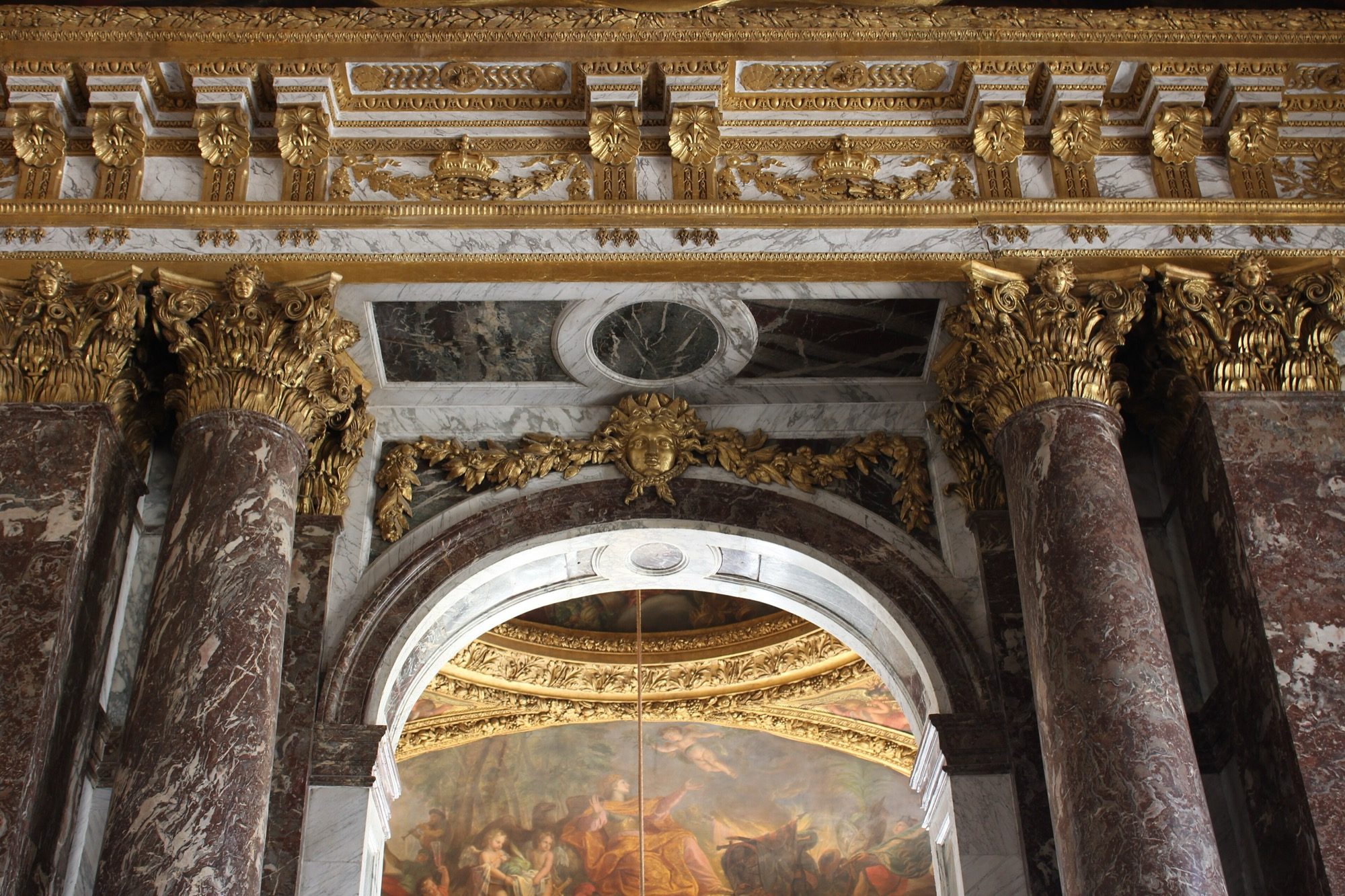
Five units, from a history of the room to the ergonomics of a chair.
5 units · 5 liveTranscribed from the official B.Arch syllabus. All 5 units are live as full interactive lessons, each with original diagrams, a self-assessment quiz and a study task.
Unit 1 — Interiors Across History
LiveRepresentative interior spaces, decoration and furniture in the Western world from the beginnings to the twentieth century, and in India across the ages — Mughal, Rajput, Chettinad and the living folk traditions of wall and floor art.
Unit 2 — Introduction to Interior Design
LiveThe professions of interior decoration, interior design and furniture design — their origin, evolution and scope; the definition and process of interior design; and the vocabulary of design — the elements (point, line, shape, form, space, colour, light, pattern, texture) and the principles (balance, proportion, scale, rhythm, hierarchy, unity, contrast, emphasis, movement).
Unit 3 — Components of Interior Space
LiveThe role of interior treatment and finishes — the design of floors, ceilings, walls, partitions, window treatments and accessories, by context, function, ambience, materials, properties, methods of construction, colour and texture.
Unit 4 — Lighting & Interior Landscaping
LiveThe role of lighting in the experience of interior space — the layers of light, fixture types and metrics — and the role of interior landscaping: plants, rocks, water, paving and artefacts.
Unit 5 — Furniture Design
LiveFurniture design as related to human comfort and function — anthropometrics and ergonomics — built-in versus freestanding, the materials and methods of construction, cultural particularities, and changing trends and innovations.
Course outcomes
What you will be able to doRecognise representative interior spaces and furniture across history — Western and Indian — and the elements and principles of design and their applications.
Demonstrate competency in the interior design process — programming, schematic design, design development, documentation and execution.
Use the design fundamentals — the elements and principles — as tools in establishing design criteria and developing a scheme.
Apply the basic rules of space planning and organisation, and the design of the components of interior space.
Produce design compositions for interior spaces — finishes, lighting, landscaping and furniture — and develop presentation skills.
Understand human comfort, anthropometrics and ergonomics, and the materials and methods of furniture and finishes.
Image credits
Every photograph is a verified Creative-Commons or Public-Domain work from Wikimedia Commons, used with attribution. The hand-drawn diagrams are original Studio Matrx work.
- Château de Versailles, galerie des glaces 01 — Pierre-Yves Beaudouin, CC BY-SA 3.0
- House of the Vettii - Pompeii Scavi (54537496456) — Jamie Heath from United Kingdom, CC BY-SA 2.0
- BCN Mies van der Rohe Pavillon Innensicht — Alice Wiegand, CC BY-SA 3.0
- Kanadukathan-WUS04149 — Rainer Halama, CC BY-SA 4.0
- Padharo Mhare Des — Sharvarism, CC BY-SA 4.0
- Living Room, Paul Schweiker House and Studio, Schaumburg, IL — w_lemay, CC BY-SA 2.0
- Eames Lounge Chair and Ottoman — Historic Furniture Exhibit, Henry Ford Museum — Michael Steeber from USA, CC BY-SA 2.0
- The Queen's Drawing Room at Osborne House, Isle of Wight — kitmasterbloke, CC BY 2.0
- Maple St House Music Room Window Blinds, Carrollton, New Orleans — Infrogmation, CC BY 2.0
- Terrazzo Technisches Museum Wien — Geolina163, CC BY-SA 4.0
- Interior view of Gail Borden residence, Alhambra — interior garden, ca.1903 (CHS-2364) — C. C. Pierce, Public domain
- Gallery of Polish Painting and European Decorative Arts, National Museum in Kielce — Krzysztof Popławski, CC BY 4.0
- Wassily Chair by Marcel Breuer (reproduction, 1925) — University of Arizona Museum of Art — Daderot, CC0
- Modern fitted kitchen and dining area in a contemporary home — Shixart1985, CC BY 2.0
- Cane / rattan armchair, Rua do Gamboa, Macau — Naa GEISH Yamtofaan, CC BY-SA 4.0
The author
Amogh N P
Architect, interior designer, and creative polymath. Studio Matrx began in his notebooks — his vision of design made honest, useful, and open to everyone. Its Academy is written and taught in his memory, and free, forever.
More about Amogh →The room as a designed thing.
History, language, components, light and furniture — the five things you need to read and make an interior. Read the units top to bottom, study the diagrams, then test yourself.
The curriculum is free, forever