
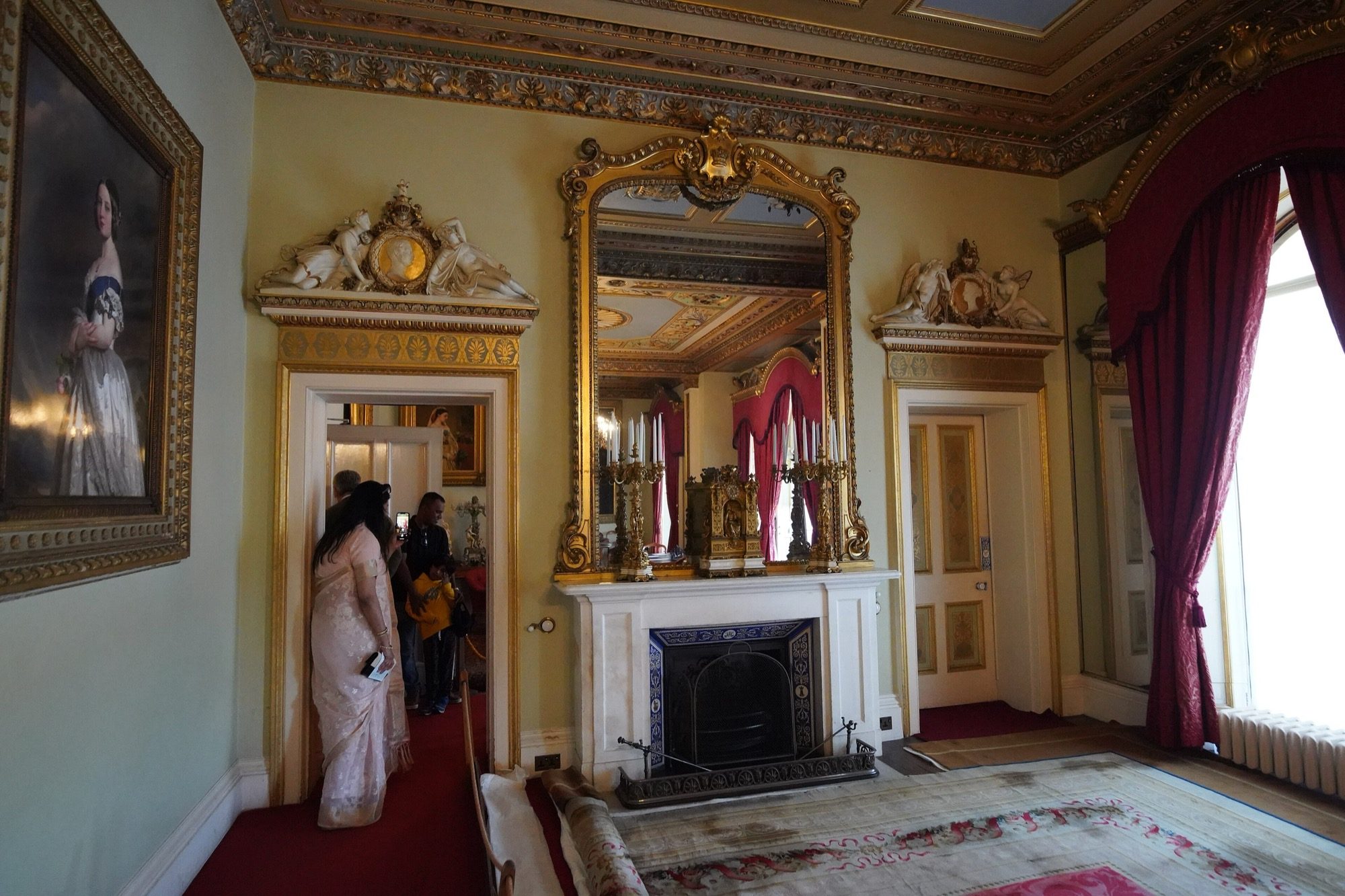
Components of Interior Space
Floors, ceilings, walls, partitions, windows and accessories — the surfaces that make the room.
An interior is built from surfaces, and each is a design decision. The floor takes the traffic; the ceiling hides the services and shapes the light; walls and partitions divide and finish; window treatments control light and privacy; accessories complete the scheme. Read each by the same parameters — context, function, ambience, materials, method, colour and texture.
Learning objectives
By the end of this lesson, you will be able to — mapped to the course outcomes for Interior Design:
Explain the role of floors, ceilings, walls, partitions, window treatments and accessories in the experience of interior space.
Select finishes by context, function, ambience, materials and their properties, method of construction, colour and texture.
Compare flooring, ceiling, partition and window-treatment options and their performance (durability, acoustics, light).
Apply the height and headroom rules that govern false ceilings (NBC 2016 — 2.4 m clear minimum).
Floors, ceilings, walls & partitions
The floor sets the largest plane and takes the wear; the ceiling hosts the services (and a false ceiling must leave ≥ 2.4 m clear); walls are load-bearing or partition.[1, 3] Each is chosen by traffic, acoustics, maintenance and feel — not by fashion.
The most-worn plane
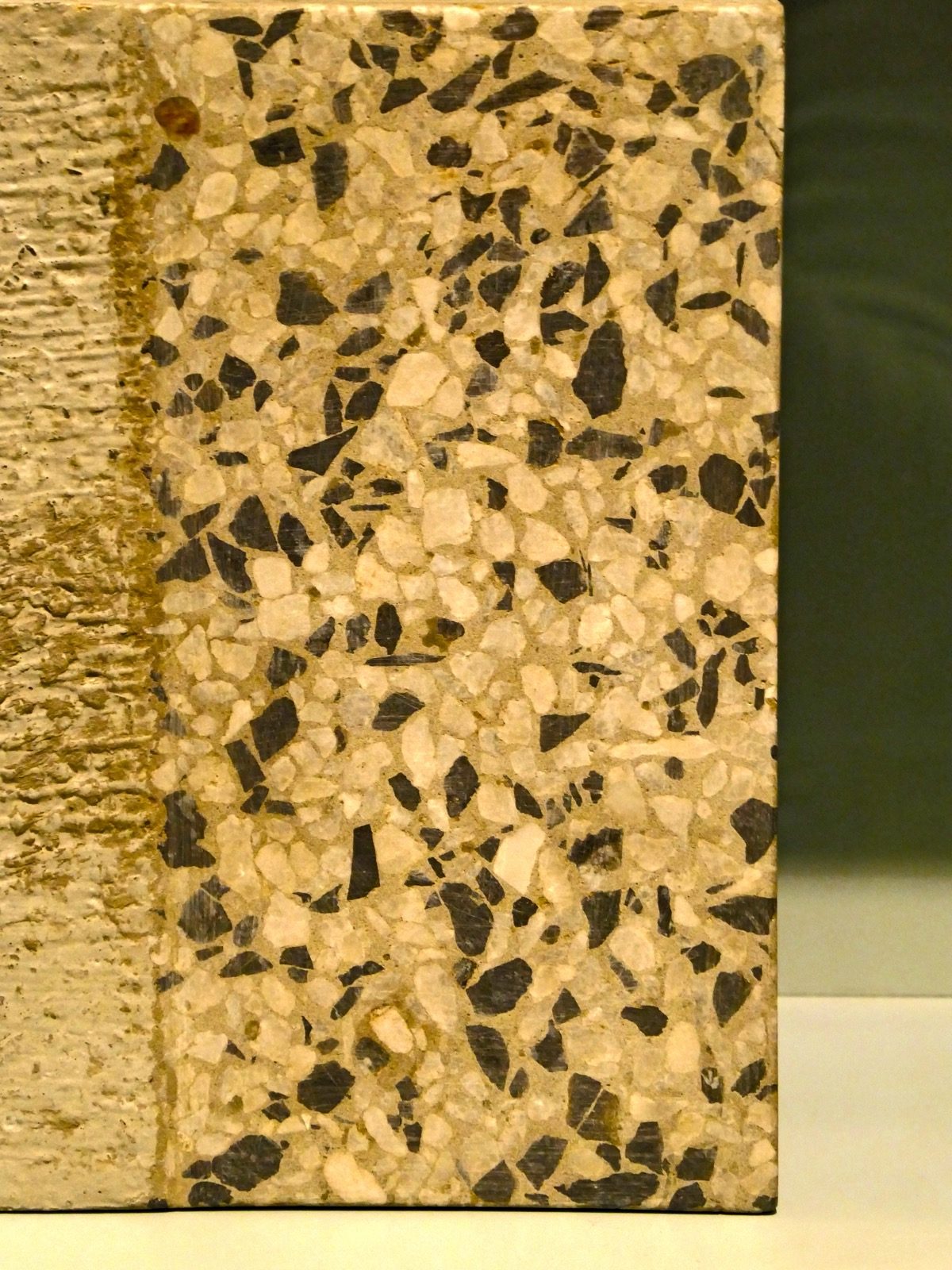
The floor takes the traffic and sets the largest visual plane, so it is chosen by traffic, maintenance, acoustics, slip-safety and underfoot feel. Families: HARD (marble, granite, vitrified/ceramic tile, terrazzo) — durable, hygienic, but hard, cold and acoustically reflective; RESILIENT (vinyl, rubber, cork, linoleum) — comfortable and quieter (note linoleum is natural — linseed and flax — NOT vinyl); SOFT (carpet, rugs) — warm, quiet, but high-maintenance; WOOD (solid, engineered, laminate).[1, 2]
Window treatments & accessories
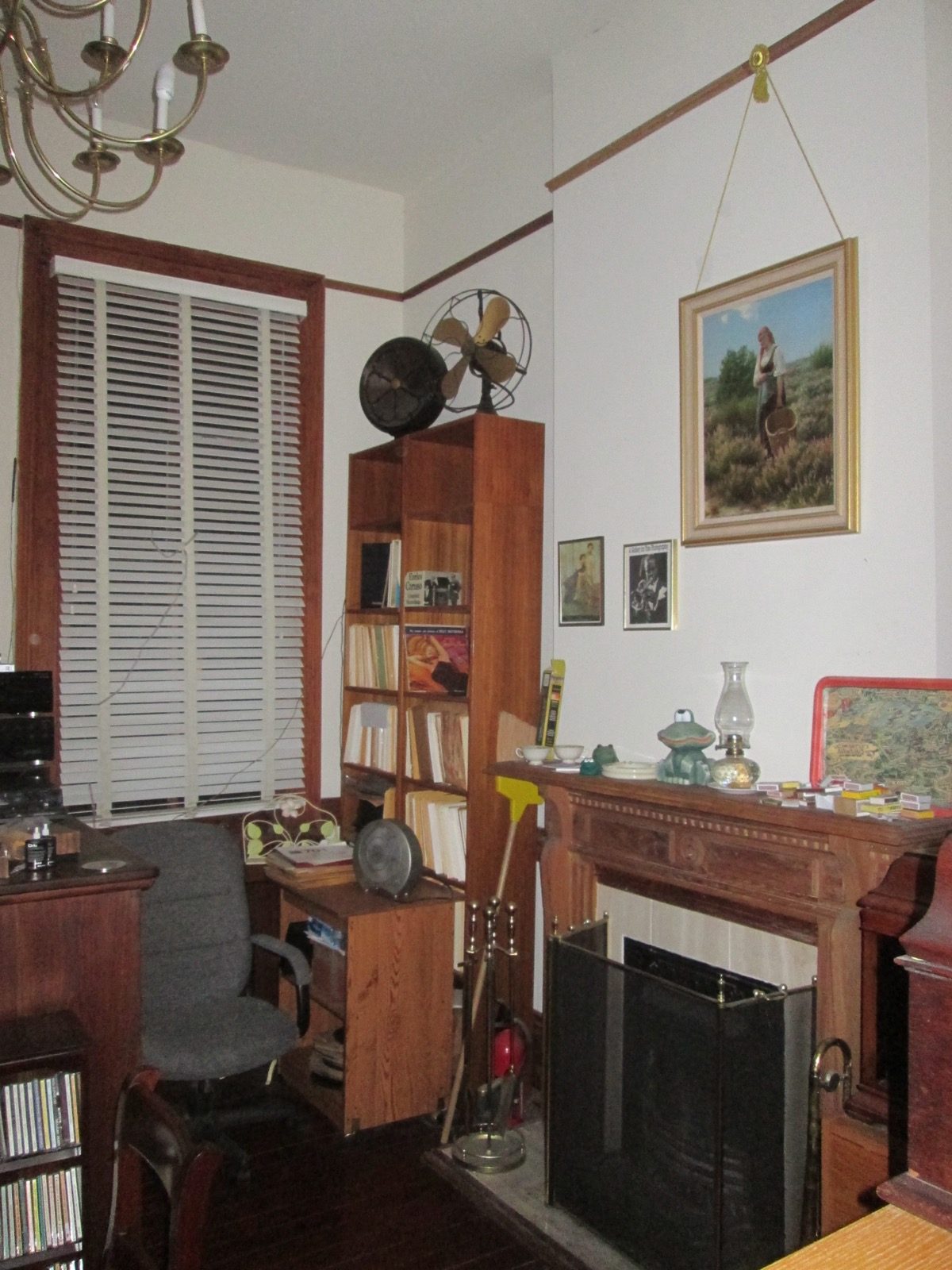
Window treatments — curtains, sheers and blinds (roller, Roman, Venetian, vertical) — control light, privacy, heat and sound; layering gives the fullest control. Accessories are the finishing layer where character is made.[1, 2]
Light, privacy, heat, acoustics
Window treatments mediate the window — controlling light, privacy, thermal gain/loss and acoustics, plus a softening role. CURTAINS/DRAPES soften, insulate and absorb sound; SHEERS diffuse daylight and give daytime privacy; BLINDS modulate precisely — roller (a single fabric roll), Roman (folds into pleats), Venetian (tilting horizontal slats), and vertical (louvres for wide windows and sliding doors). VALANCES/CORNICES cap the top and hide hardware. Layering — sheer + drape + blind — gives the fullest control.[1, 2]
Reading the components
| Aspect | One | The other |
|---|---|---|
| Hard vs soft floor | Hard (tile/stone): durable, hygienic, but cold & sound-reflective | Soft (carpet): warm, quiet, comfortable, but high-maintenance |
| Exposed vs false ceiling | Exposed: no service void, industrial look | False: hides services + lighting + acoustics, but eats ≥ headroom |
| Load-bearing vs partition wall | Load-bearing: carries load, not freely removed | Partition: divides only — drywall, glass, demountable |
| Curtains vs blinds | Curtains/sheers: soft, insulate, absorb sound, diffuse | Blinds: precise slat/roll control of light & privacy |
| Linoleum vs vinyl | Linoleum: natural (linseed, flax, jute, limestone) | Vinyl: synthetic PVC/petroleum — often confused |
Key terms
A fully fired ceramic floor tile with very low water absorption (< 0.5%) — hard, hygienic, durable.
Marble or granite chips set in a cement or resin matrix, ground and polished — a hard, seamless floor.
Floors that 'bounce back' — vinyl, rubber, cork, linoleum; comfortable and quieter underfoot.
A grid hung below the slab (gypsum, POP, mineral fibre, metal) to conceal services and integrate lighting.
Decorative ceiling forms — a perimeter cove (for concealed light), a recessed coffered grid, a recessed tray.
A wall that divides space only and carries no building load — drywall, glass, demountable, folding.
Translucent window fabric that diffuses daylight and gives daytime privacy.
A blind of tilting horizontal slats that modulate light and privacy.
Study task
Specify the four main surfaces of one room — floor, ceiling, wall and window — naming the material for each and the one parameter (traffic, acoustics, light, privacy) that drove your choice. Check your false ceiling still leaves 2.4 m clear.
Self-assessment
1. Under NBC 2016, the minimum clear headroom that must remain beneath a false ceiling is —
2. Which flooring is NATURAL, not synthetic — and is commonly confused with vinyl?
3. A Venetian blind controls light by —
Recap
References & further reading
- [1]Francis D.K. Ching & Corky Binggeli, Interior Design Illustrated (4th ed.) — Ch. 'Finish Materials'. Wiley, 2018.
- [2]John F. Pile, Interior Design (4th ed.). Pearson/Prentice Hall, 2007.
- [3]National Building Code of India (NBC) 2016 — Part 3 (headroom) and Part 8 (services). Bureau of Indian Standards. https://www.bis.gov.in/
Further reading
- Ching & Binggeli, Interior Design Illustrated — Finish Materials. Wiley.
- John F. Pile, Interior Design. Pearson.
- Corky Binggeli, Materials for Interior Environments. Wiley.
Sources gathered and fact-checked June 2026. Published values vary by source, sample and method — treat as indicative and confirm against the cited standard before structural use.
The author
Amogh N P
Architect, interior designer, and creative polymath. Studio Matrx began in his notebooks — his vision of design made honest, useful, and open to everyone. Its Academy is written and taught in his memory, and free, forever.
More about Amogh →