
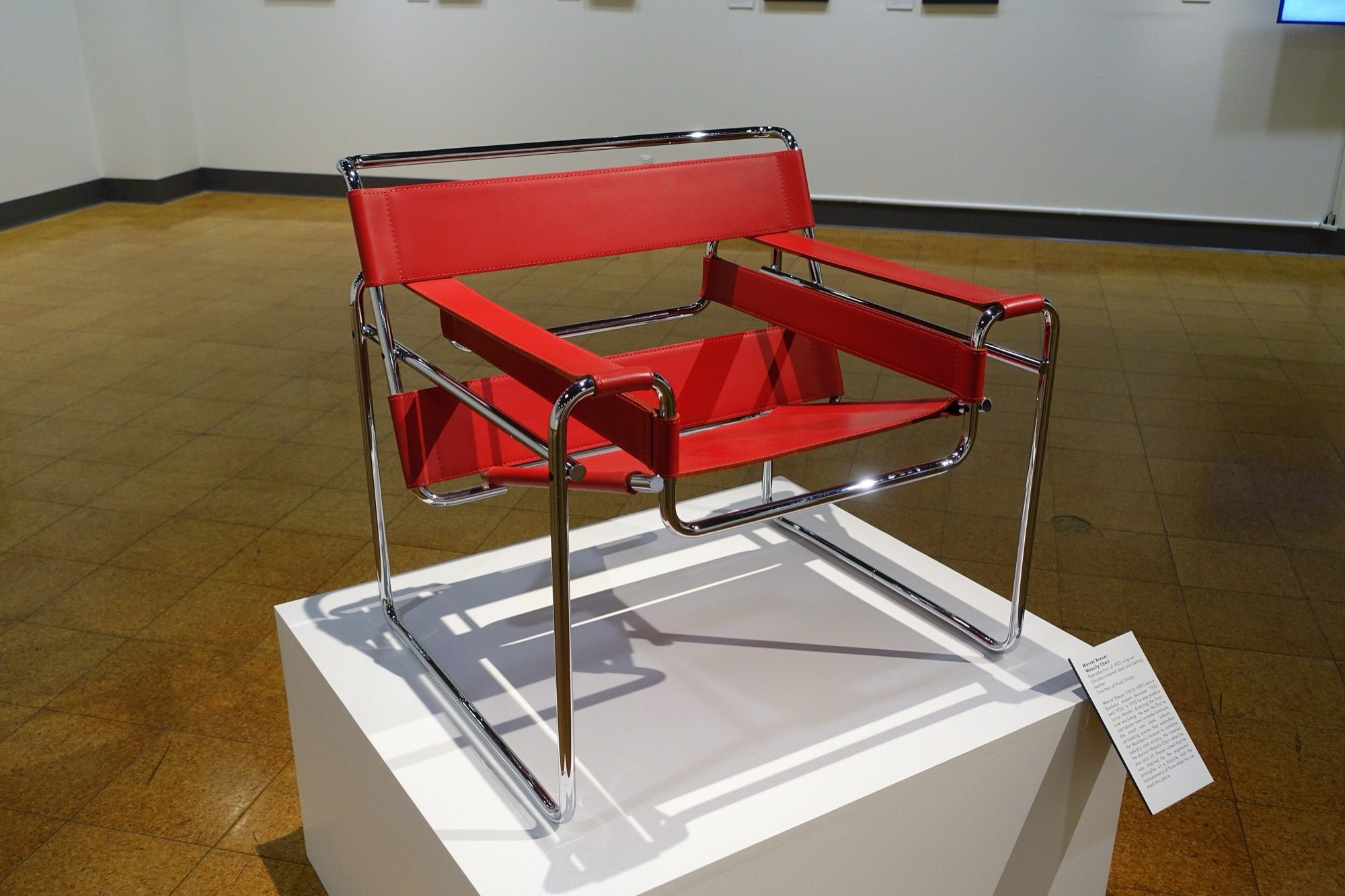
Furniture Design
Anthropometrics and ergonomics, built-in versus loose, the materials and methods — and where furniture is going.
Furniture is where the body meets the interior, so it begins with anthropometrics and ergonomics — designed by percentile, with real numbers (a ~435 mm seat, a ~710 mm desk). Then the making: built-in versus freestanding, solid-wood joinery versus the engineered-board hierarchy, and the carcass-and-shutter logic of modular furniture.
Learning objectives
By the end of this lesson, you will be able to — mapped to the course outcomes for Interior Design:
Define anthropometrics and ergonomics and apply percentile design (5th for reach, 95th for clearance).
Recall the key ergonomic dimensions for seating, tables, kitchen platforms, beds and storage.
Compare built-in and freestanding furniture and the materials and methods of construction — solid wood and engineered boards.
Describe cultural particularities of Indian furniture and the changing trends — modular, transformable and sustainable.
Anthropometrics & ergonomics
Design by percentile — clearances to the 95th (largest fits), reach to the 5th (smallest reaches) — never to one “average” person.[1, 5] And use Indian body data (IS 3663, the NID pack), not US Panero figures, which over-size for India.
Designing for the body
Anthropometrics is the measurement of the body's size, proportions and reach; ergonomics (human factors) designs objects and tasks to fit the user. Data comes in PERCENTILES — the 5th (only 5% are smaller), the 50th (median) and the 95th (only 5% are larger). The design rule: set CLEARANCES to the 95th percentile (so the largest user fits) and REACH to the 5th (so the smallest can reach), and make adjustable elements span 5th–95th. FLAG: never design to one 'average' person — it fits almost nobody at the extremes.[1, 5]
Materials, methods & trends
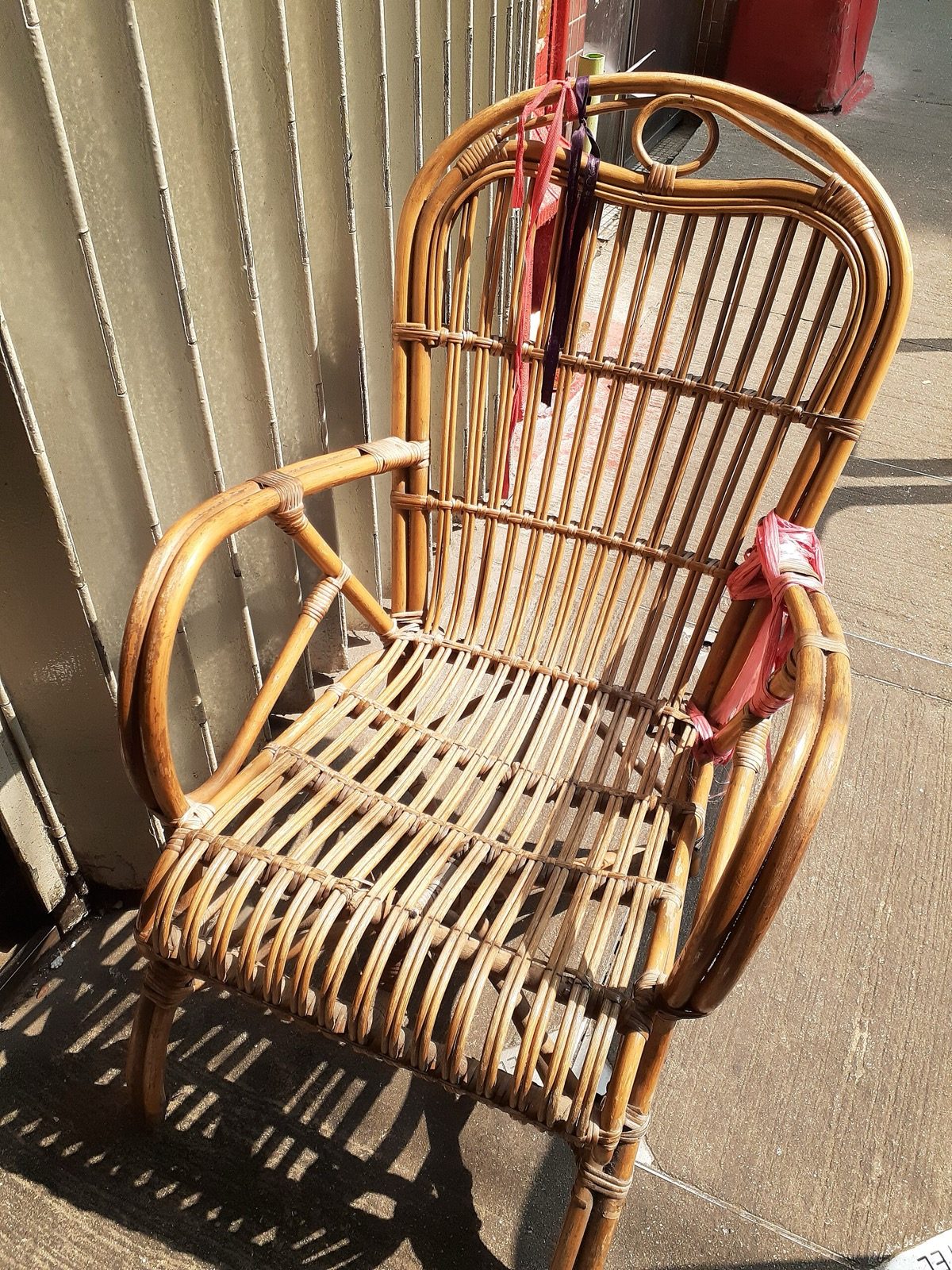
Built-in is custom and space-efficient; freestanding is flexible and movable. For boards, plywood > HDF > MDF > particle board on strength and moisture — smoothness is not strength.[2, 5] Modular furniture is a carcass plus a swappable shutter; the trends are flat-pack, transformable and sustainable.
Fitted or loose
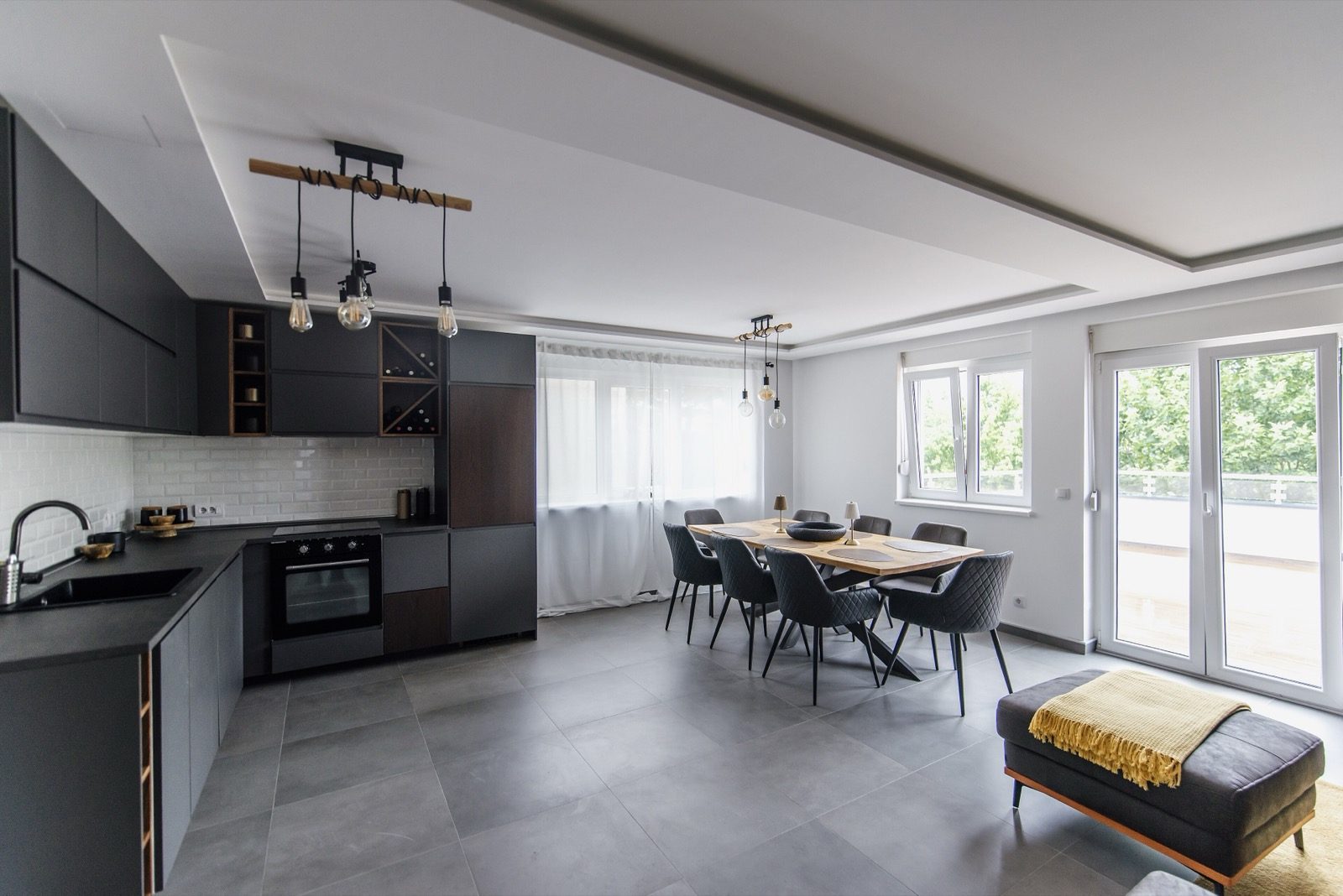
BUILT-IN (fitted) furniture is space-efficient — it uses awkward corners and full height for a seamless custom fit with no wasted gaps — but it is permanent, can't move house with you, and ties value to the property; best for owned/long-let homes, kitchens, wardrobes and window seats. FREESTANDING (loose) furniture is flexible, re-arrangeable, repairable and movable, with resale value — best for rentals, changing needs and statement or heirloom pieces.[1, 2]
Built-in vs freestanding — and boards
| Aspect | One | The other |
|---|---|---|
| Fit | Built-in: custom, space-efficient, seamless | Freestanding: flexible, movable, repairable |
| Permanence | Built-in: permanent, stays with the property | Freestanding: moves house, has resale value |
| Board strength & moisture | Plywood > HDF (strong, water-tolerant) | MDF > particle board (smooth but weak/water-sensitive) |
| Percentile use | Clearance → 95th percentile (largest fits) | Reach → 5th percentile (smallest reaches) |
| Data source | Panero (US) — over-sizes for India | IS 3663 + NID Chakrabarti (Indian body data) |
Key terms
The measurement of the body's size, proportions and reach — static and dynamic.
Designing objects, tasks and environments to fit the human user for comfort, safety and efficiency.
Statistical body sizes — design clearances to the 95th, reach to the 5th, adjustability across both.
Strong wood joints — mortise-and-tenon for frames, the interlocking dovetail for drawer corners.
Cross-laminated veneer plies — the strongest, most moisture-tolerant engineered board (BWR/marine grades).
Medium-density fibreboard — smooth and void-free (great for paint/CNC) but weaker and water-sensitive.
Modular logic — a standardised box (carcass) with an interchangeable front (shutter) and hardware.
Indian furniture — the multi-use low platform (takht) and the hung indoor swing (jhula).
Study task
Design a study desk + chair to the right ergonomic dimensions for an Indian user, specify the board for the carcass and the joint for the frame, and decide built-in or freestanding — justifying each choice in one line.
Self-assessment
1. When setting a CLEARANCE (e.g. a doorway or knee space), you design to the —
2. For strength and moisture resistance, the correct order of engineered boards is —
3. Which is NOT a furniture or anthropometric standard?
Recap
References & further reading
- [1]Julius Panero & Martin Zelnik, Human Dimension & Interior Space. New York: Whitney Library of Design, 1979.
- [2]Jim Postell, Furniture Design (2nd ed.). Hoboken: John Wiley & Sons, 2012.
- [3]Francis D.K. Ching & Corky Binggeli, Interior Design Illustrated (4th ed.). Wiley, 2018.
- [4]Ernst & Peter Neufert, Architects' Data (4th ed.). Oxford: Wiley-Blackwell.
- [5]IS 3663:1991 — Dimensions of Tables and Chairs for Office Purposes; and IS 17632/17633:2022. Bureau of Indian Standards. https://law.resource.org/pub/in/bis/S03/is.3663.1991.pdf
- [6]Debkumar Chakrabarti, Indian Anthropometric Dimensions for Ergonomic Design Practice. Ahmedabad: NID, 1997.
Further reading
- Panero & Zelnik, Human Dimension & Interior Space. Whitney Library of Design.
- Jim Postell, Furniture Design. Wiley.
- Debkumar Chakrabarti, Indian Anthropometric Dimensions for Ergonomic Design Practice. NID.
Sources gathered and fact-checked June 2026. Published values vary by source, sample and method — treat as indicative and confirm against the cited standard before structural use.
The author
Amogh N P
Architect, interior designer, and creative polymath. Studio Matrx began in his notebooks — his vision of design made honest, useful, and open to everyone. Its Academy is written and taught in his memory, and free, forever.
More about Amogh →