
Lighting & Interior Landscaping
The three layers of light, the metrics that govern them — and the green that brings the interior alive.
Light is the element that makes every other element visible, and it works in three layers — ambient, task and accent. Learn the layers, the fixtures and the metrics — lumens versus lux, the counter-intuitive Kelvin scale, CRI and glare (and see the lighting-design guide) — then bring the interior alive with interior landscaping.
Learning objectives
By the end of this lesson, you will be able to — mapped to the course outcomes for Interior Design:
Explain the role of lighting and the three layers — ambient, task and accent — with fixture types and methods.
Use the lighting metrics — lumens, lux, colour temperature, CRI and glare — correctly, and the IS 3646 illuminance levels.
Describe the elements of interior landscaping — plants, rocks, water, paving, artefacts — and select plants by light need.
Explain biophilia and the benefits of indoor greenery in the experience of interior space.
Lighting the interior
Layer ambient (base), task (focused) and accent (~3× ambient on a focal object), by direct, indirect or diffused light, with daylight planned first.[1, 2] Get the metrics right — lumens are emitted, lux is what lands; warm light is a LOW Kelvin number; and IS 3646 sets the levels (living room ~150, kitchen ~200, office ~300 lux).
Ambient, task, accent
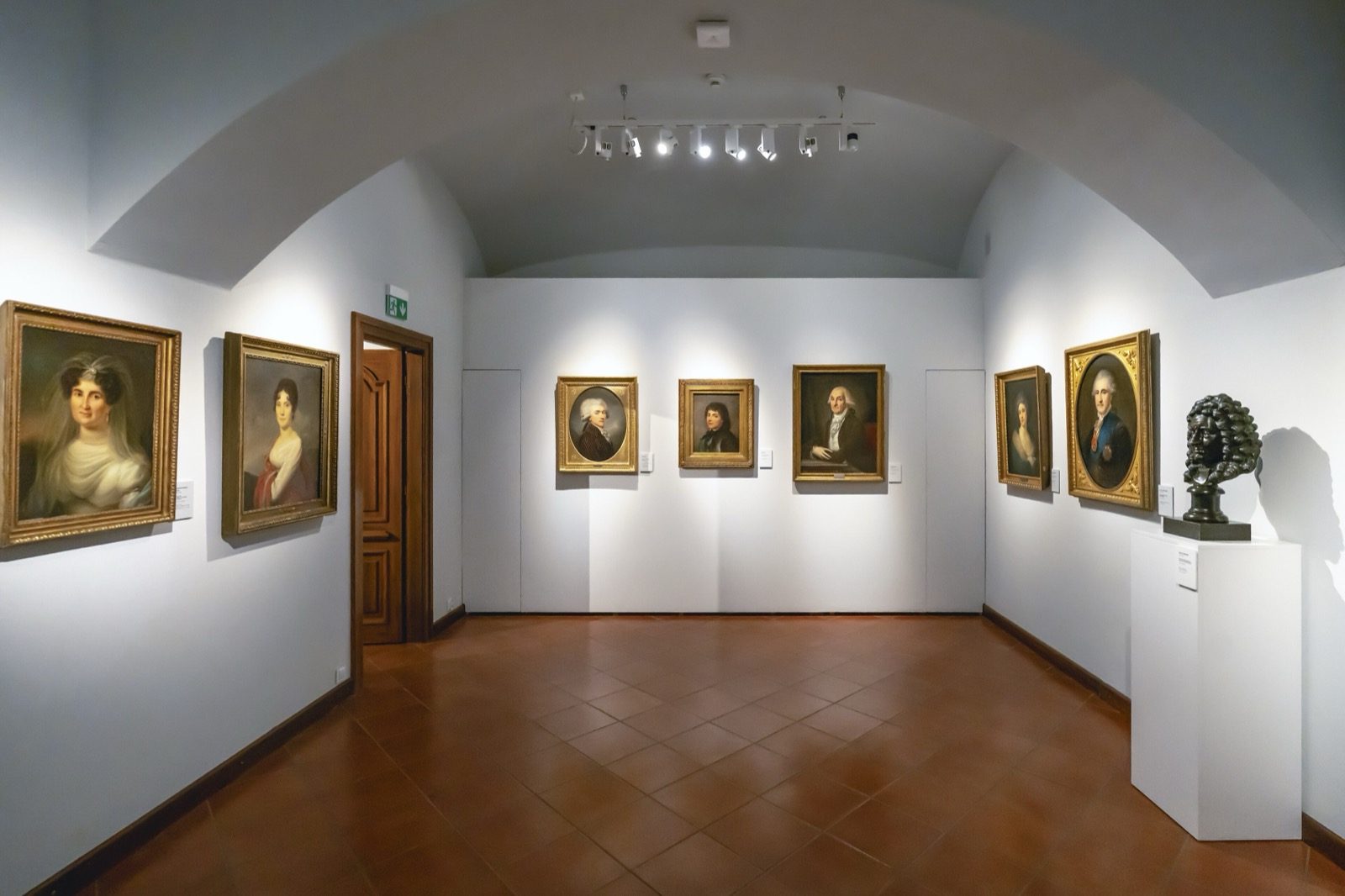
Good lighting is layered. AMBIENT (general) lighting is the uniform base for safe movement — downlights, surface fixtures, cove (indirect), troffers. TASK lighting is focused light for an activity — under-cabinet strips, desk lamps, pendants over a counter — to prevent eyestrain. ACCENT lighting is directional and aesthetic, highlighting art or texture by contrast (typically ~3× the ambient level on the object) — track heads, spots, wall washers, picture lights.[1, 2]
Interior landscaping
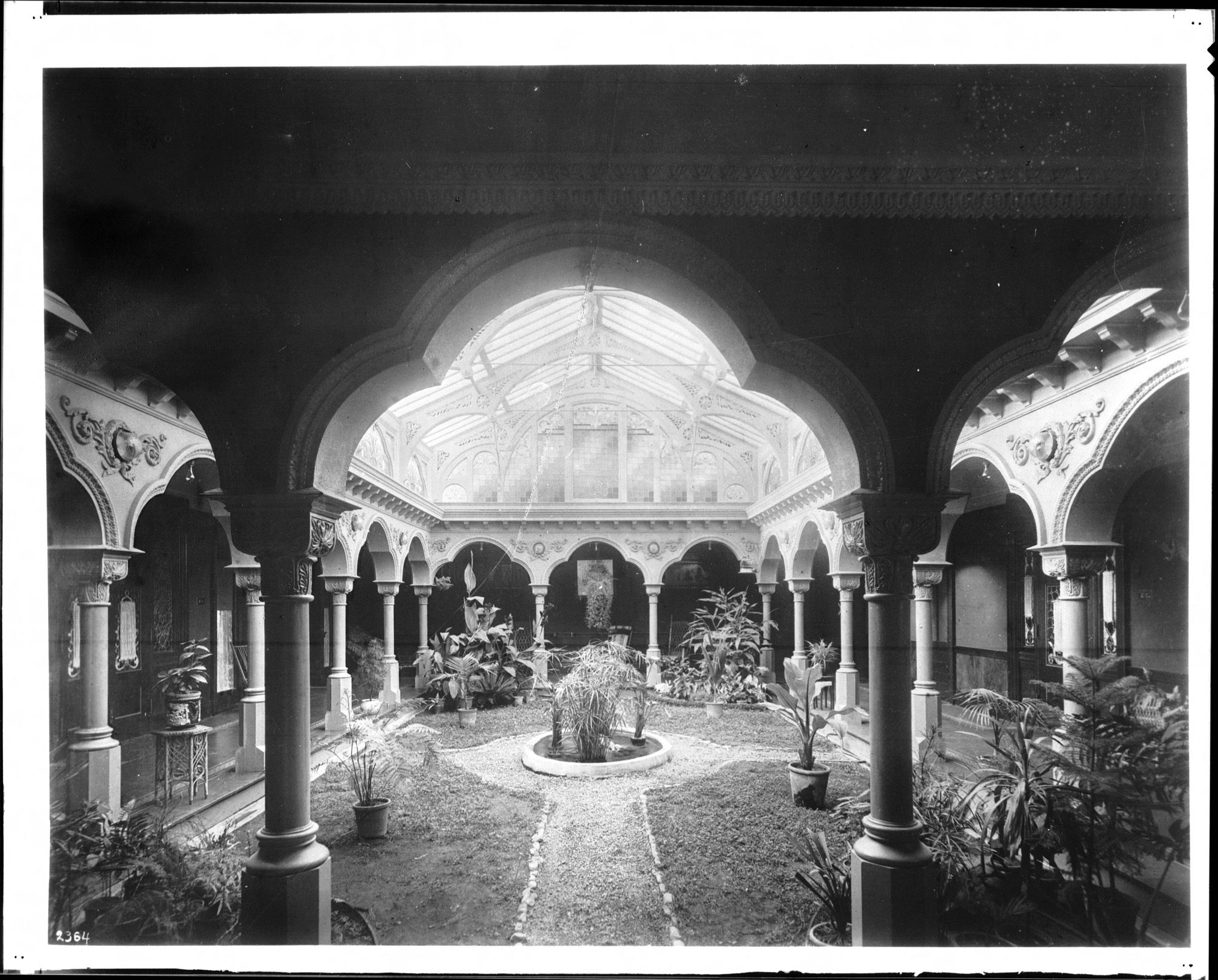
Interior landscaping designs and maintains plants, rocks, water, paving and artefacts indoors — with courtyards and atria as daylit green volumes.[1, 6] Biophilia explains why it feels good; and light, not water, is the limiting factor for an indoor plant.
Plants, rocks, water, paving
Interior landscaping (interiorscaping / plantscaping) designs, installs and MAINTAINS nature indoors: indoor plants (specimen plants, green dividers, living walls), rocks and pebbles, water features and fountains, indoor paving, flowers, and natural artefacts — with courtyards and atria as daylit green volumes. It is an ongoing service, not a one-time install: watering, pruning, feeding, dusting and pest control keep it alive.[1, 6]
The lighting facts
| Aspect | One | The other |
|---|---|---|
| Lumen vs lux | Lumen: total light from the lamp (the source) | Lux: lumens per m² landing on a surface |
| Warm vs cool light | Warm = low Kelvin (~2700 K, amber, relaxing) | Cool = high Kelvin (~6500 K, blue, activating) |
| The three layers | Ambient = base; Task = focused on the activity | Accent = directional, ~3× ambient on the focal object |
| Direct vs indirect | Direct: efficient downward light, can glare | Indirect: bounced, soft and even, glare-free |
| Plant survival factor | Light is the limiting factor (right light = survival) | Water alone won't save a plant in the wrong light |
Key terms
Uniform general illumination for safe movement and overall brightness.
Focused light for a specific activity (reading, cooking, desk work) to prevent eyestrain.
Directional aesthetic light that highlights an object by contrast (~3× the ambient level).
Illuminance — one lumen per square metre on a surface; the measure of how much light lands.
The total luminous flux a lamp emits (a property of the source, not the surface).
Warm light = low K (~2700 K, amber); cool light = high K (~6500 K, blue) — counter-intuitive.
Colour Rendering Index (0–100) — how faithfully a source renders colour; ≥ 90 for art and skin tones.
The innate human affinity for nature; the rationale for interior greenery (E.O. Wilson).
Study task
Light one room in three layers: mark the ambient source, the task light over an activity, and an accent on a feature. Pick a colour temperature for the room and justify it — and choose one indoor plant suited to its light level.
Self-assessment
1. Lux differs from lumens because lux measures —
2. On the Kelvin scale, 'warm' light corresponds to —
3. The single most limiting factor for an indoor plant's survival is —
Recap
References & further reading
- [1]Francis D.K. Ching & Corky Binggeli, Interior Design Illustrated (4th ed.). Wiley, 2018.
- [2]IES — The Lighting Handbook (10th ed.). New York: Illuminating Engineering Society.
- [3]IS 3646 (Parts 1 & 2) — Code of Practice for Interior Illumination & Schedule of Illumination and Glare Index. Bureau of Indian Standards. https://law.resource.org/pub/in/bis/S05/is.3646.1.1992.pdf
- [4]CIE / SI photometric definitions — lumen, lux, footcandle (1 lx = 1 lm/m²; 1 fc = 10.764 lx).
- [5]National Building Code of India (NBC) 2016 — Part 8, Section 1 (Lighting & Ventilation). BIS.
- [6]Edward O. Wilson, Biophilia. Cambridge, MA: Harvard University Press, 1984.
Further reading
- Ching & Binggeli, Interior Design Illustrated — lighting chapters. Wiley.
- IES, The Lighting Handbook. Illuminating Engineering Society.
- Nick Baker & Koen Steemers, Daylight Design of Buildings.
Sources gathered and fact-checked June 2026. Published values vary by source, sample and method — treat as indicative and confirm against the cited standard before structural use.
The author
Amogh N P
Architect, interior designer, and creative polymath. Studio Matrx began in his notebooks — his vision of design made honest, useful, and open to everyone. Its Academy is written and taught in his memory, and free, forever.
More about Amogh →