Ask the architect: water, damp and drainage
Expert answers, curated by Studio Matrx — the fifteen questions we hear most about keeping water out and letting it drain.
Every project raises questions — some before construction begins, others long after a building is occupied. In this recurring column, Studio Matrx answers the questions we hear most from homeowners, architects and design enthusiasts, with practical, plain-spoken guidance drawn from real projects and site experience. This month, the subject is water: where it hides, why it returns, and how to keep it out for good.
Why do walls become damp even when it isn't raining?
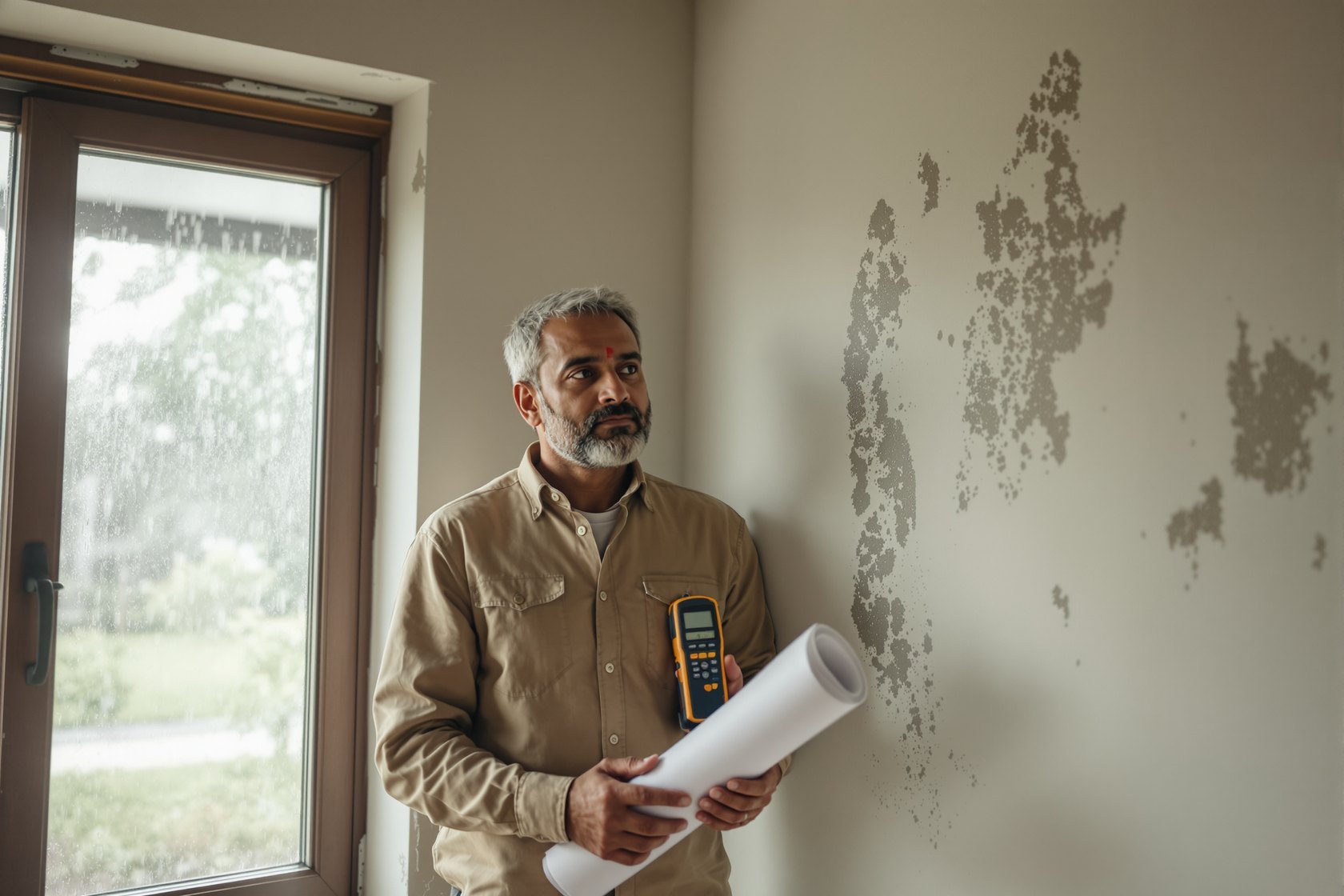
Dampness isn't always caused by rainfall. It can come from rising groundwater, leaking plumbing, poor ventilation, condensation or failed waterproofing. The first step is always to identify the source before attempting a repair — treating the visible stain without solving the root cause only invites it back.
What is the difference between dampness, seepage and leakage?
They are three different problems. Dampness is unwanted moisture trapped within building materials; seepage is water slowly passing through walls, slabs or foundations; and leakage is water escaping directly from roofs, pipes or plumbing. Each needs its own diagnosis and its own repair.
What are the first signs that waterproofing has failed?
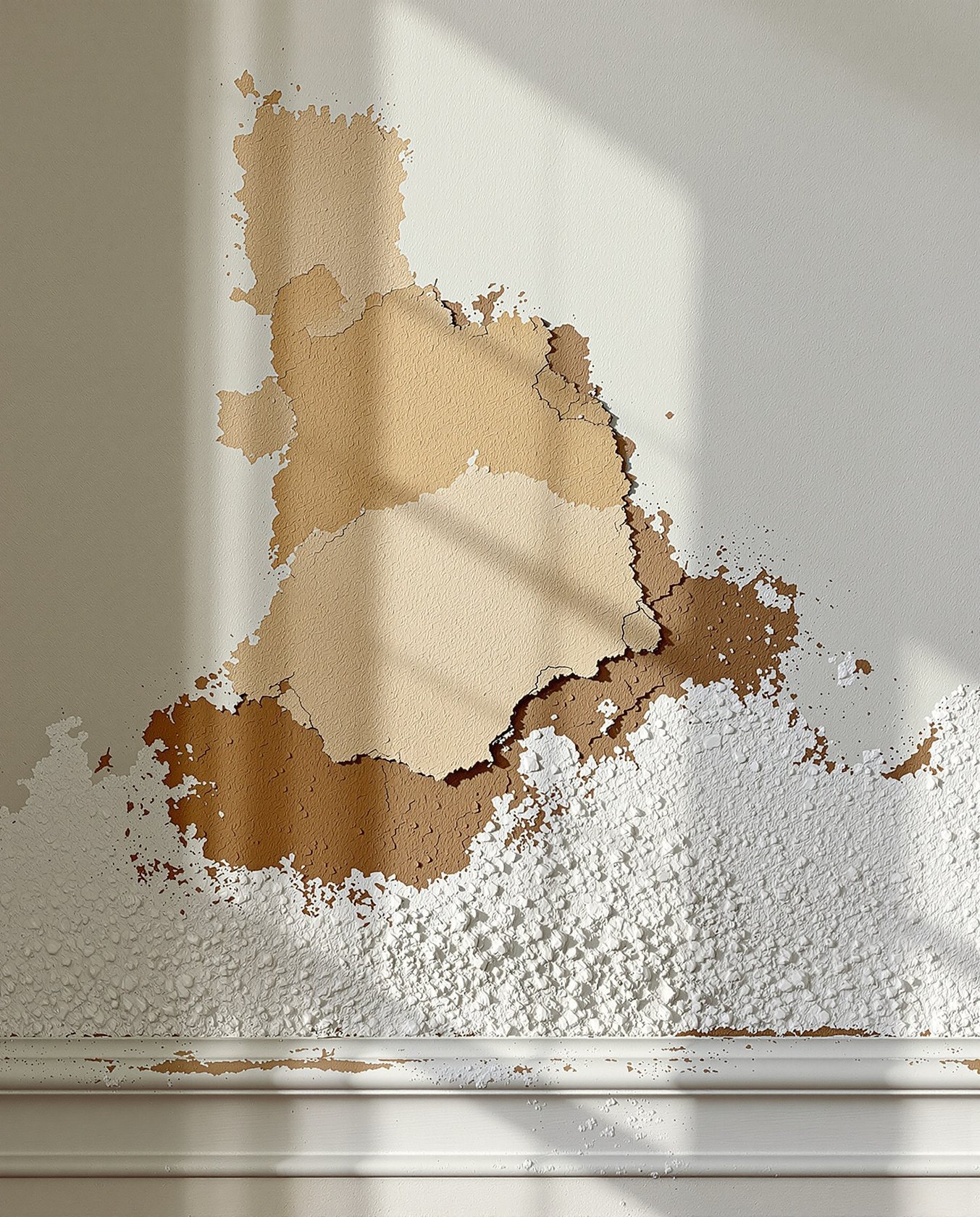
Peeling paint, damp patches, white salt deposits (efflorescence), mould, a musty odour, ceiling stains and hairline cracks. Early repairs are almost always far cheaper than waiting until the damage reaches the structure.
When should waterproofing be done?
During construction — never after the water problems appear. Bathrooms, terraces, balconies, basements, retaining walls and water tanks all need proper waterproofing before the finishes go on top.
Is waterproof paint enough to stop leaks?
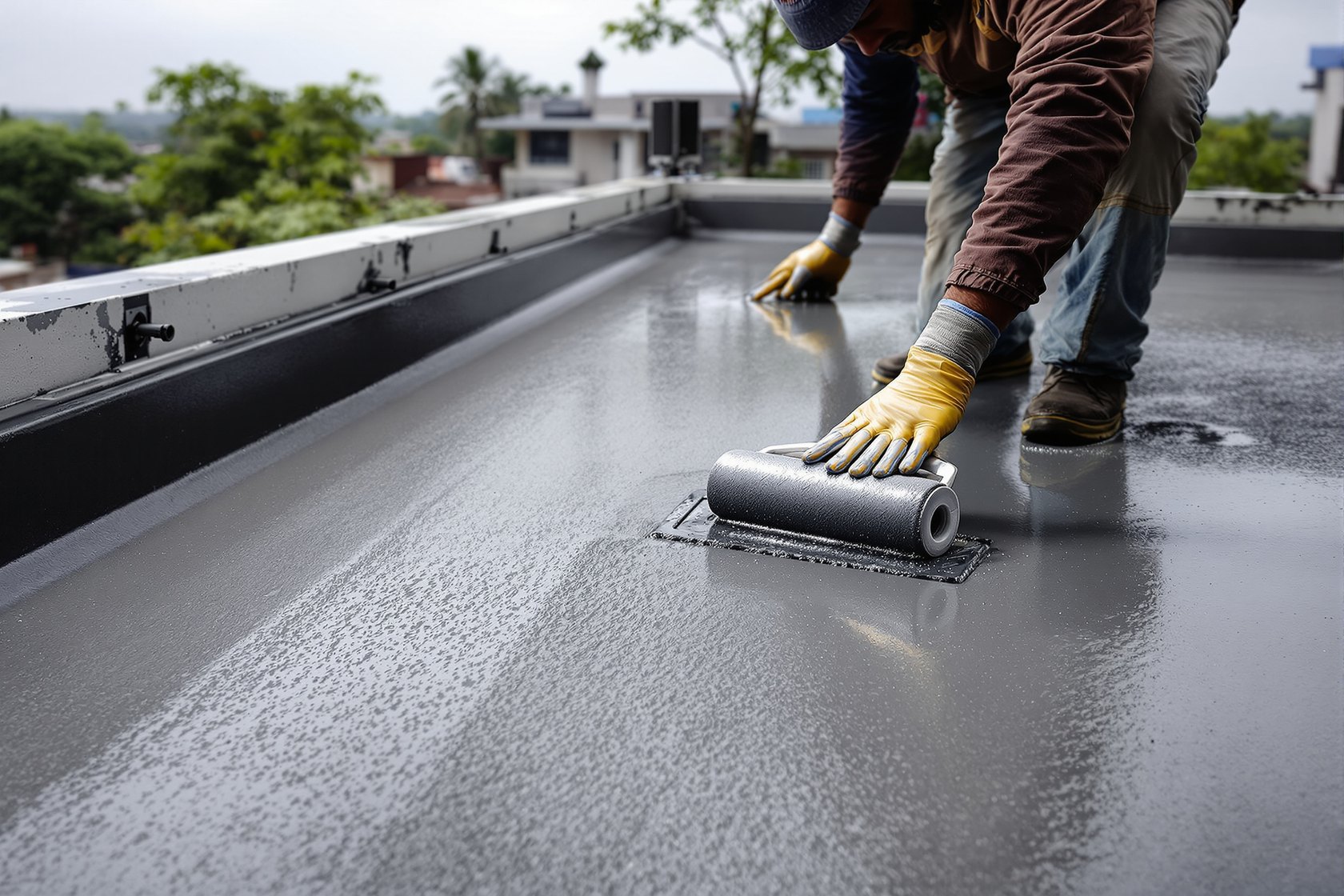
No. Waterproof paint protects a surface, but it cannot solve structural cracks, a failed membrane or a drainage problem. It is never a substitute for proper waterproofing.
Why does my terrace still leak after waterproofing?
Usually because of incorrect application, poor surface preparation, inadequate roof slope, blocked rainwater outlets, fresh cracks that opened after the work, or unsuitable materials. A professional inspection is often needed to find the true cause.
How important is site drainage?
Extremely. Good drainage protects foundations, prevents waterlogging, reduces erosion and lengthens a building's life. Even excellent waterproofing cannot compensate for a site that drains badly.
What is the purpose of a French drain?
A French drain collects excess groundwater through a perforated pipe surrounded by gravel, and redirects it safely away from foundations and retaining walls — keeping dampness and soil saturation at bay.
Should every house have rainwater harvesting?
Where practical, yes. It reduces dependence on municipal water, replenishes groundwater and helps manage stormwater in heavy rain. Even a small residential system makes a real difference.
Why do cracks appear after the monsoon?
Soil movement, the expansion and contraction that comes with moisture changes, structural settlement or poor construction can all cause them. Not every crack is dangerous — but any that recur or keep widening should be inspected.
How often should roofs, gutters and drainage systems be inspected?
At least twice a year, and especially before and after the monsoon. Regular cleaning prevents the blockages, overflow and water damage that a single missed season can cause.
What should I check before accepting waterproofing work from a contractor?
Confirm the areas covered, the waterproofing system used, the manufacturer's specifications, the surface preparation, the warranty, and a water-ponding test where applicable. Ask for documentation rather than verbal assurances.
What questions should I ask before signing a contractor's quotation?
Ask whether the quote includes waterproofing, site cleaning, debris removal, material brands, labour, taxes, testing and commissioning, and a defect-liability period. Getting all of that in writing now is what keeps you out of arguments later — our companion piece, Reading your contractor's quote, walks through a full sample.
Can landscaping help reduce flooding?
Very much so. Rain gardens, swales, permeable paving, native planting and recharge pits all slow runoff and let rainwater soak naturally into the ground, easing the load on the drains.
What is the biggest mistake homeowners make during construction?
Pouring attention into finishes — flooring, paint, interiors — while overlooking the invisible systems: waterproofing, drainage, plinth levels and site grading. Those hidden elements are what decide how well a building performs over decades.
The Studio Matrx note
The most expensive water problem is the one ignored when it was still just a small stain. Prevention always costs less than repair.
Before you build — or repair, ask yourself