
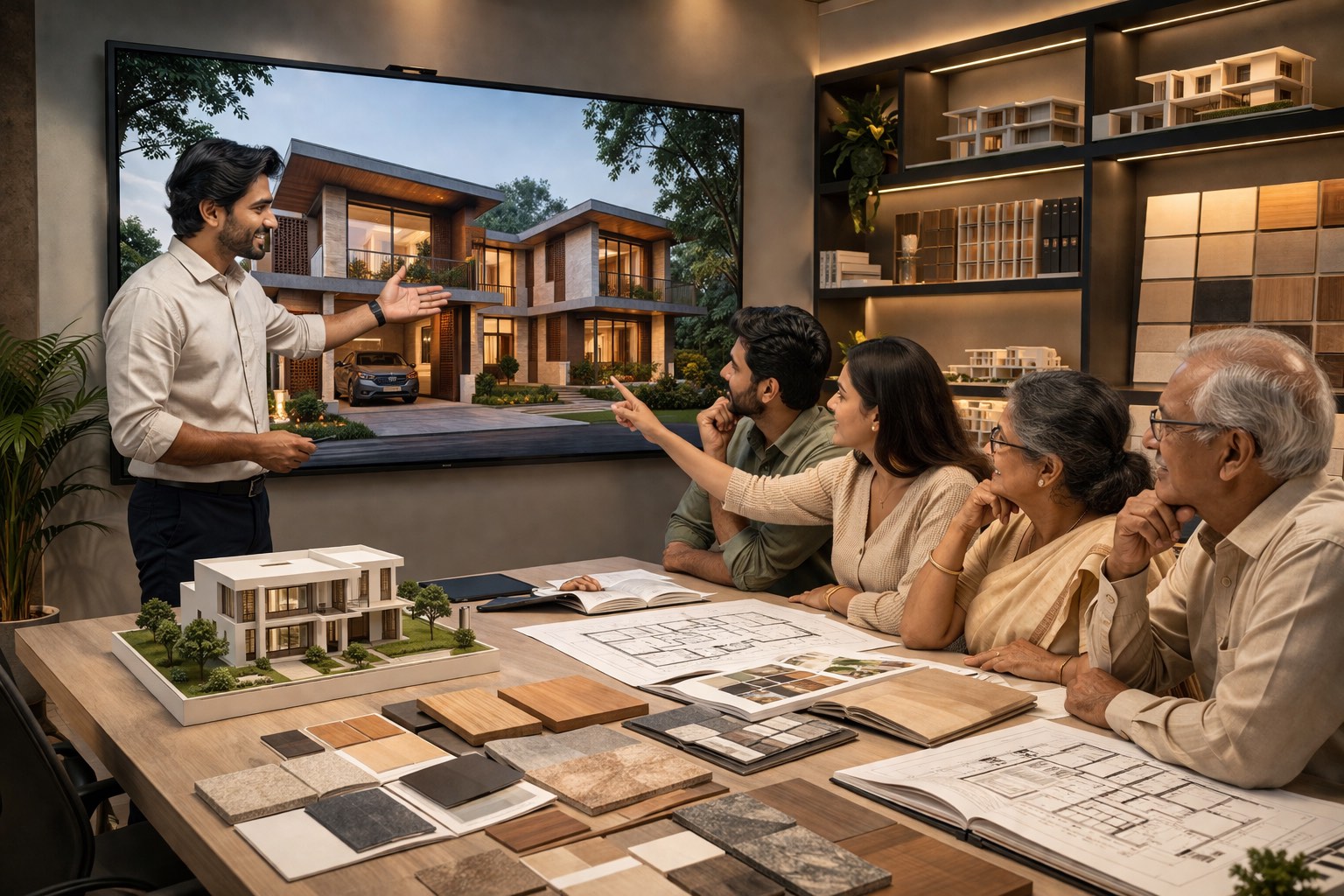
How to Win Clients
What Indian Homeowners Look For When Choosing an Architect or Interior Designer
Every architect and interior designer in India faces the same paradox: the profession demands years of training, deep technical knowledge, and creative ability — yet winning a client often depends less on what you know than on whether the homeowner's mother-in-law liked your demeanour during the first meeting.
This is not a cynicism. It is a recognition that the architect-client relationship in India operates within a cultural framework that is fundamentally different from Western professional services. The Indian homeowner is not purchasing a commodity — they are entrusting the largest financial decision of their life to a person they have likely met once or twice. They are navigating family consensus across generations. They are balancing Pinterest aspirations with Vastu obligations. They are comparing your 8% fee to the contractor who charges 'nothing' for design.
Understanding what the Indian homeowner truly looks for — not what architects assume they look for — is the foundation of a sustainable practice. This guide examines the client acquisition journey from the homeowner's perspective, drawing on professional practice frameworks, market research, and the accumulated wisdom of practitioners who have built thriving practices in India's complex residential market.
"The aim of marketing is to know and understand the customer so well the product or service fits him and sells itself." — Peter Drucker (1909–2005), from Management: Tasks, Responsibilities, Practices (Drucker, 1973)
1. What Homeowners Prioritise: The Ranking
When an Indian homeowner evaluates architects or interior designers, they are not conducting a technical assessment — they are making a trust decision. Research on professional service selection consistently shows that clients hire based on relationship confidence first and technical competence second (Maister, Green and Galford, 2000).
Homeowner Priority Ranking
| Rank | Factor | Approx. Weight | What It Means in Practice |
|---|---|---|---|
| 1 | Referrals and reputation (word-of-mouth) | ~25% | The recommendation of a trusted friend or family member outweighs everything else |
| 2 | Portfolio relevance (similar project type and scale) | ~18% | Not your best project — your most relevant project to their situation |
| 3 | Budget transparency (clear costing, no surprises) | ~15% | The fear of cost overruns is the single largest anxiety for Indian homeowners |
| 4 | Design style match (aesthetic alignment) | ~10% | They need to see themselves in your work |
| 5 | Communication skills (responsiveness, listening) | ~8% | How quickly you replied to their first inquiry is taken as a proxy for how available you will be for 18 months |
| 6 | Vastu knowledge | ~7% | Non-negotiable for 60–70% of Indian residential clients; even higher in Tier-2/3 cities |
| 7 | Technology use (3D renders, walkthroughs) | ~5% | The 3D render has become a baseline expectation, not a differentiator |
| 8 | Local experience (knowledge of contractors, PWD, climate) | ~4% | Homeowners want someone who knows the local ecosystem |
| 9 | Timeline commitment | ~3% | A vague timeline signals poor project management |
| 10 | Professional credentials (CoA registration) | ~3% | Matters less to homeowners than it should — but essential for legal protection |
| 11 | After-completion support | ~2% | Post-RERA, homeowners increasingly expect a defect liability period |
Sources: Synthesised from Houzz India (2022) renovation trends survey; NAREDCO and Knight Frank (2023) consumer sentiment survey; Maister, Green and Galford (2000) trust-based client selection framework.
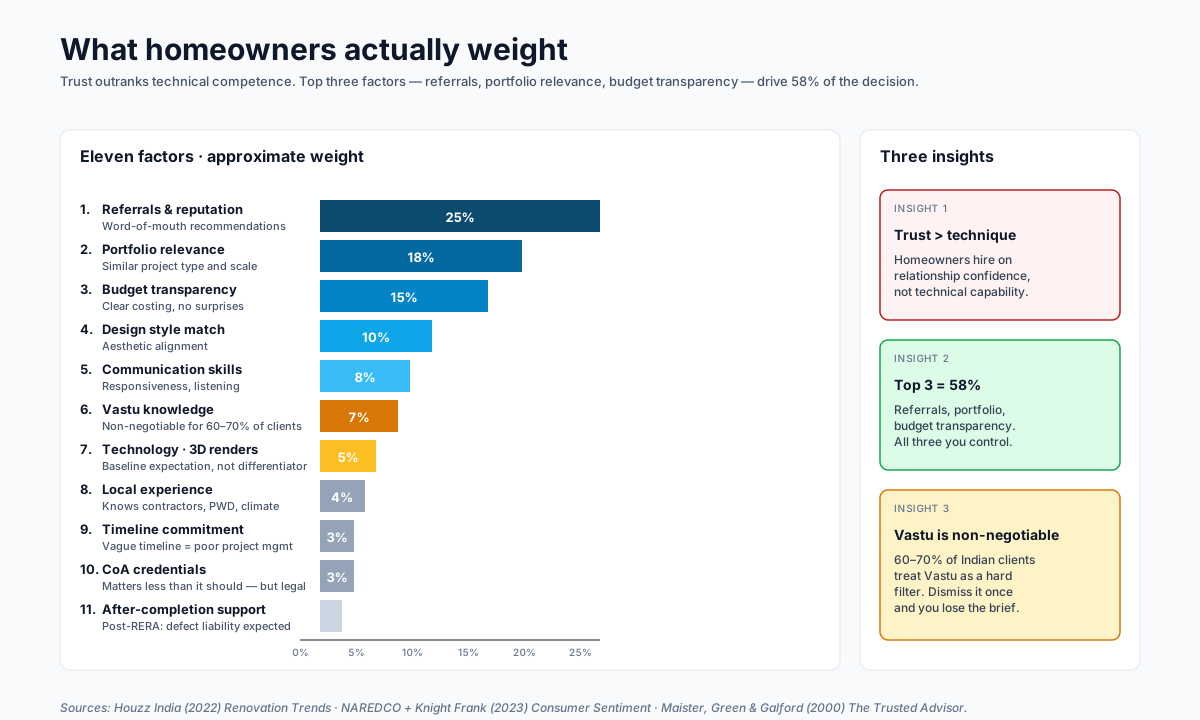
The critical insight: An estimated 60–70% of residential architectural work in India originates from personal referrals. The portfolio is not how clients find you — it is how they validate the referral they already received (Cuff, 1992). This means that your reputation among past clients is your most valuable marketing asset, and it compounds over time.
"The key to winning new clients is not demonstrating your technical skills but showing that you understand their problems." — David Maister, from Managing the Professional Service Firm (Maister, 1993)
2. The Client Decision Journey
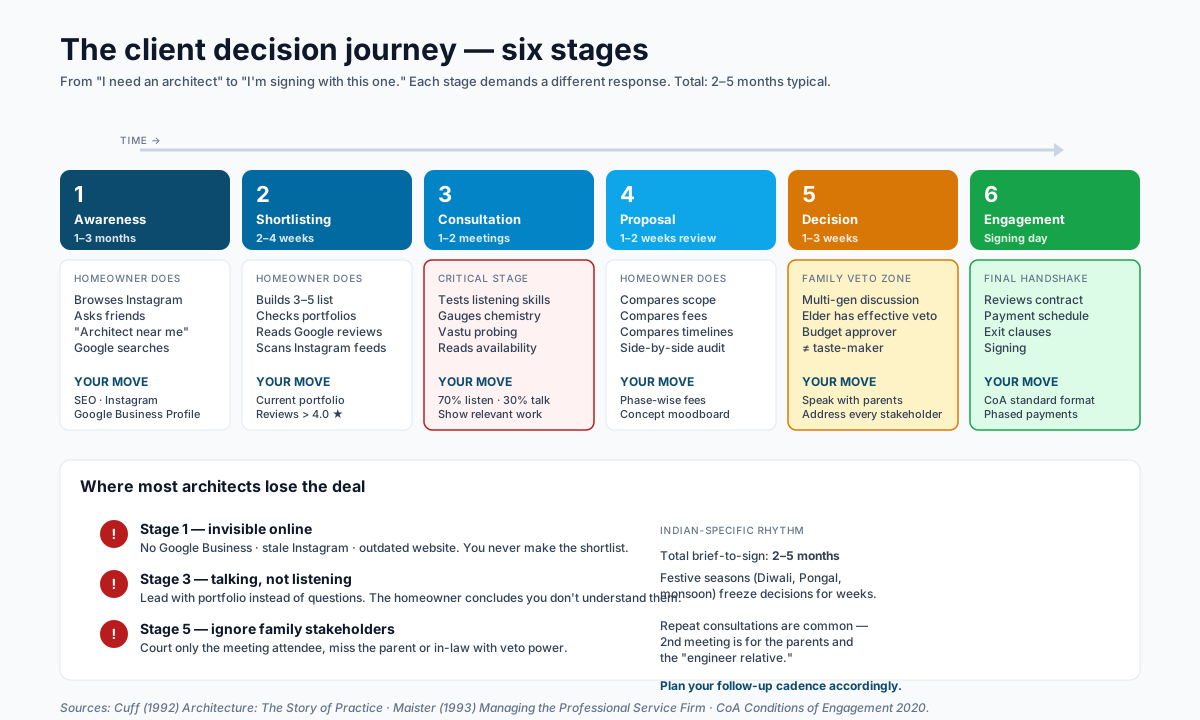
Understanding how homeowners move from "I need an architect" to "I'm signing with this one" reveals six distinct stages — each requiring a different response from the architect.
The Six-Stage Journey
| Stage | Duration | What the Homeowner Does | The Architect's Opportunity |
|---|---|---|---|
| Awareness | 1–3 months | Browses Instagram, asks friends, searches "architect near me" on Google | Be findable — SEO, Instagram, Google Business Profile |
| Shortlisting | 2–4 weeks | Creates a list of 3–5 architects; checks portfolios, reads Google reviews | Portfolio must be current and relevant; reviews above 4.0 stars |
| Consultation (First Meeting) | 1–2 meetings | Evaluates chemistry, tests listening skills, gauges understanding of their needs | Listen deeply (70% listening, 30% talking); show relevant work; demonstrate Vastu awareness |
| Proposal | 1–2 weeks review | Compares scope, fees, and timelines across shortlisted architects | Clear, professional proposal; phase-wise fee breakdown; include a concept sketch or moodboard |
| Decision | 1–3 weeks | Family discussion; often an elder family member has effective veto | Be available for follow-up calls; offer to speak with the full family |
| Engagement | Signing | Reviews contract terms, payment schedule, exit clauses | Simple agreement per CoA format; clear deliverables; phased payment |
The Indian-specific dynamic: The decision stage frequently involves extended family — parents, in-laws, sometimes siblings. Budget approval often comes from a different person than the one with design taste. The architect who identifies all stakeholders early and addresses each one's concerns separately has a significant advantage (Cuff, 1992).
3. Client Acquisition Channels
Channel Effectiveness for Indian Residential Practice
| Channel | Effectiveness (1–5) | Cost | Conversion Rate | Notes |
|---|---|---|---|---|
| Personal referrals | 5 | Free | 40–60% | Highest conversion; longest to build; compounds over years |
| 4 | Low–Medium | 5–10% | Reels of walkthroughs outperform static posts 3–5x; critical for under-40 clients | |
| Google Business Profile | 4 | Free | 15–25% | "Architect near me" is a high-intent search; reviews are decisive |
| Website with SEO | 3 | Medium | 3–5% | Long-term; blog content on Vastu, budgets, materials drives organic traffic |
| Online platforms (Houzz, Urban Company) | 3 | Medium–High | 5–15% | Lead quality varies; platform takes margin or fee |
| Builder / developer tie-ups | 3 | Low (relationship) | Variable | Volume play; lower per-project fee but steady pipeline |
| Real estate agent partnerships | 2–3 | Commission-based | 5–10% | Works in specific micro-markets |
| Exhibitions / home expos | 2 | High | 1–3% | Brand building more than direct conversion |
| Facebook groups / ads | 2 | Low–Medium | 2–5% | Declining for younger demographics; still relevant in Tier-2 |
| 2 | Free | 1–3% | Better for commercial/institutional than residential |
The Role of Instagram
Instagram has become the de facto portfolio platform for Indian architects under 45. Key dynamics:
- Reels outperform static posts by 3–5x in reach. A 30-second site walkthrough video generates more inquiries than a polished photograph.
- Before/after content is the highest-engagement format for residential architects.
- Homeowners use Instagram as a screening tool — they check your feed before (or instead of) checking your website.
- Architects who post process content (site visits, material selection, client meetings) build more trust than those who post only finished glamour shots.
- Effective hashtags: #InteriorDesignIndia, #IndianArchitect, #[CityName]Architect, #VastuDesign, #SmallHouseDesign — these generate targeted local reach.
"Architecture is really about well-being. I think that people want to feel good in a space... On the one hand it is about shelter, but it is also about pleasure." — B.V. Doshi (1927–2023), Pritzker Prize laureate, 2018
4. The First Meeting: What Homeowners Are Really Evaluating
The first meeting is not a design discussion — it is a relationship audition. The homeowner has already seen your portfolio (or they would not be meeting you). What they are now evaluating cannot be seen in photographs:
1. "Did they listen to me?" — The single most important factor. Homeowners who feel genuinely heard are far more likely to sign. Spend 70% of the first meeting asking questions and 30% talking. Take visible notes.
2. "Do they understand my budget reality?" — Any hint of dismissiveness about budget constraints kills the deal instantly. Even if the stated budget is unrealistic, acknowledge it respectfully and explain what is achievable within it.
3. "Will they be available?" — How quickly you responded to their initial inquiry is taken as a permanent proxy. If you took four days to reply to their first message, they assume you will take four days during construction.
4. "Do they respect our family's values?" — Vastu, puja room requirements, joint-family arrangements. The architect who says "Vastu is superstition" has lost the client. The architect who says "Let me show you how we've integrated Vastu in previous projects" has won their trust.
5. "Can I see myself working with this person for 12–18 months?" — This is a relationship evaluation, not a technical one. Warmth, professionalism, and genuine interest in the family's life matter more than credentials on the wall.
"The architect's first duty is to listen. Only then can you lead." — Denise Scott Brown (b. 1931), architect and urban planner
5. Portfolio Presentation: What Works and What Doesn't
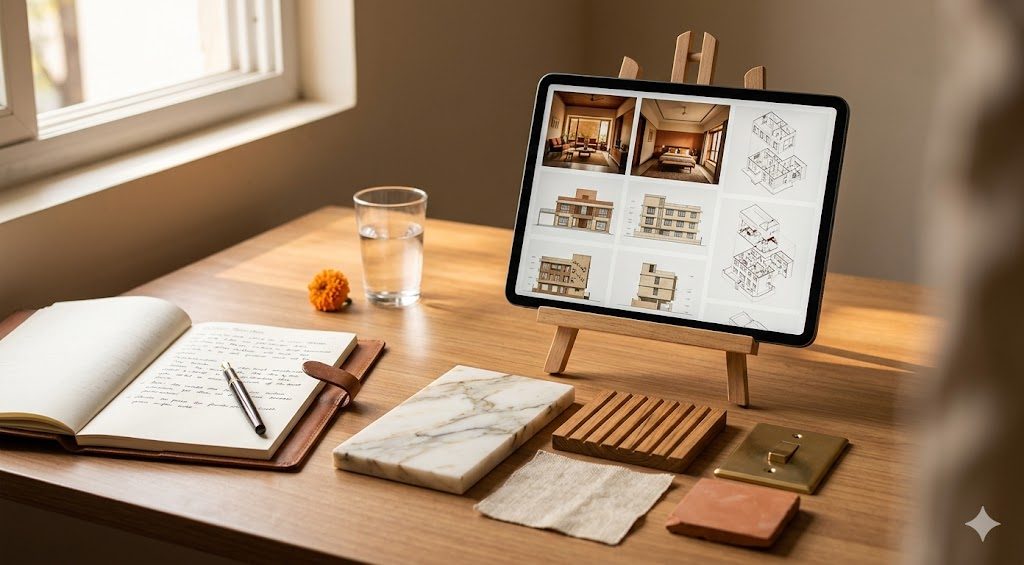
Portfolio Dos and Don'ts
| Do | Don't |
|---|---|
| Show before/after transformations | Show only magazine-style finished photos (feels unrelatable) |
| Include budget range for each project | Hide budgets — homeowners assume you are unaffordable |
| Show projects similar to the prospect's scope | Lead with your most expensive or largest project |
| Include 3D renders alongside completed photos | Show only hand-drawn sketches (perceived as outdated) |
| Add client testimonials with names (with permission) | Use anonymous testimonials (low credibility) |
| Show Vastu-compliant designs with callouts | Ignore Vastu in portfolio presentation |
| Use video walkthroughs (even phone-shot) | Rely only on static images |
| Organise by project type (2BHK, villa, office) | Dump all projects in one unsorted gallery |
| Show the design process (concept to execution) | Show only the end result |
| Curate to 15–20 projects maximum | Show 50+ projects (overwhelming, dilutes impact) |
The 3D Render as a Sales Tool
In the Indian residential market, 3D visualisation has become almost mandatory for conversion:
- Homeowners — especially first-time builders — cannot read 2D plans. The 3D render bridges the imagination gap.
- The render is often shown to extended family for consensus. It becomes your proxy salesperson in rooms you are not in.
- Walkthrough videos (even simple SketchUp animations) have higher conversion impact than static renders.
- Offering a complimentary concept render for shortlisted prospects (one room or one exterior view) is a high-conversion tactic — an investment of 2–3 hours that can close a project worth lakhs.
- Manage expectations: Always include "Indicative visualisation — final materials and colours may vary" disclaimers.
6. Fee Presentation: Turning Resistance into Agreement
The CoA-recommended architectural fee for residential projects is 8–12% of construction cost (Council of Architecture, 2020). Homeowner resistance is near-universal because they mentally compare it to zero — the contractor, they believe, charges nothing for design.
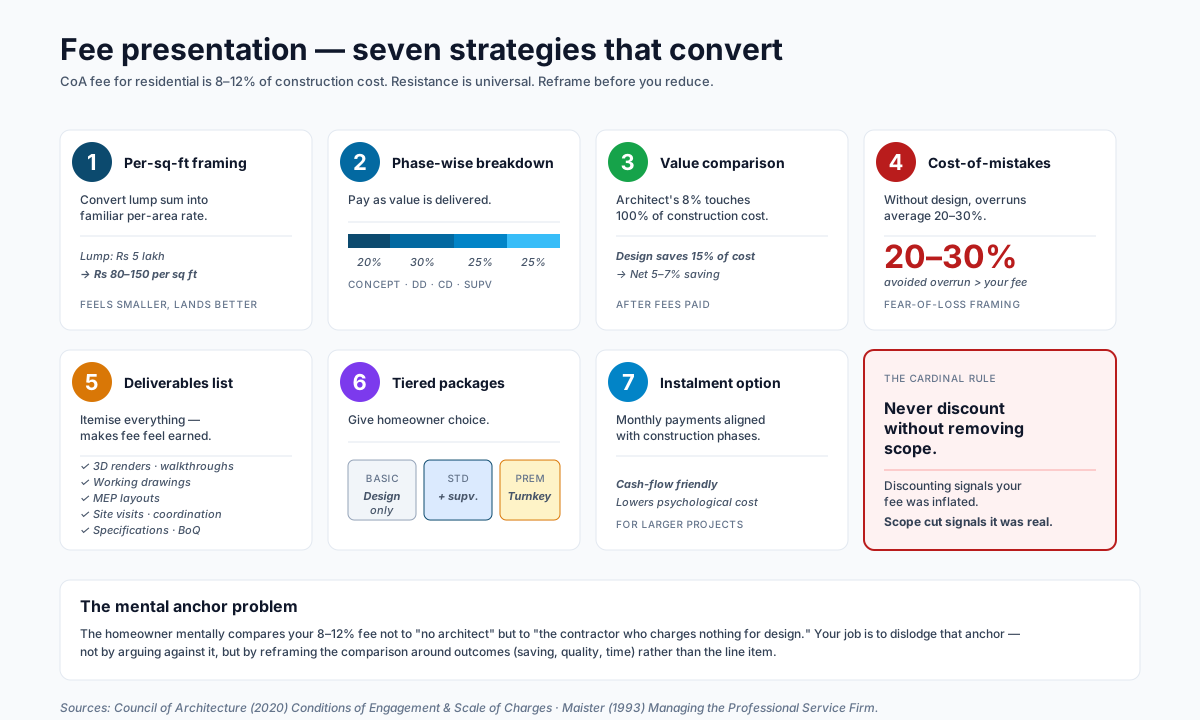
Fee Presentation Strategies
| Strategy | How It Works |
|---|---|
| Per-sq-ft framing | "Our fee works out to Rs 80–150 per sq ft" — feels smaller than a lump sum of Rs 5 lakh |
| Phase-wise breakdown | Concept: 20%, Design Development: 30%, Construction Docs: 25%, Site Supervision: 25% — homeowner pays as value is delivered |
| Value comparison | "Architect fee is 8–10% of construction cost; architectural decisions affect 100% of the cost. A 15% saving through design = 5–7% net saving even after our fee" |
| Cost-of-mistakes framing | "Without professional design, construction cost overruns average 20–30%. Our fee prevents that" |
| Deliverables list | Itemise everything: 3D renders, working drawings, electrical layout, plumbing, site visits, contractor coordination — makes fee feel earned |
| Tiered packages | Basic (design only) vs Standard (design + supervision) vs Premium (turnkey) — gives homeowner choice and control |
| Instalment option | Monthly payment aligned with construction phases for larger projects |
The cardinal rule: Never discount without removing scope. Discounting signals that your fee was inflated; scope reduction signals that your fee reflects real work.
"You don't commission a house because you need shelter. You commission a house because you need a home." — Charles Correa (1930–2015), architect
7. Why Homeowners Say No — and What to Do Instead
Common Rejection Reasons Mapped to Corrective Actions
| Rejection Reason | What to Do Instead |
|---|---|
| "Too expensive / fees unclear" | Present fee as per-sq-ft breakdown with detailed deliverables; show cost-of-not-hiring comparison |
| "Portfolio doesn't match our style" | Curate portfolio by project type before the meeting; ask about their Pinterest boards first |
| "Didn't listen to us" | Spend 70% of first meeting asking questions; take visible notes; repeat back what you heard |
| "No Vastu knowledge" | Even if you personally disagree, demonstrate awareness; offer Vastu-compliant design alternatives |
| "Can't show us what the design will look like" | Invest in 3D visualisation capability; even basic SketchUp renders dramatically increase conversion |
| "Bad reviews online" | Actively manage Google reviews; respond professionally to every negative review |
| "Seemed too busy for our project" | Respond to inquiries within 24 hours; set clear communication expectations upfront |
| "No local references we could check" | Offer 2–3 client references proactively; arrange site visits to completed projects |
| "Contractor coordination unclear" | Explain your site supervision model upfront; specify visit frequency per stage |
| "Timeline was vague" | Provide a phase-wise timeline with milestone dates in your proposal |
Red Flags Homeowners Watch For
| Red Flag | Why It Kills the Deal |
|---|---|
| No physical office or studio | Signals lack of permanence and commitment |
| Only renders, no completed projects | Raises execution capability doubts |
| Pushy about signing quickly | Feels like a sales trap; erodes trust |
| Dismissive of budget constraints | Signals future cost overruns |
| Dismissive of Vastu | Disrespects family values and beliefs |
| No written proposal or agreement | Unprofessional; no recourse if things go wrong |
| Bad-mouths other architects | Unprofessional character signal |
| No CoA registration number | Legal and professional risk for the homeowner |
| Does not ask questions about lifestyle | Will impose their style, not yours |
8. Building a Referral Engine
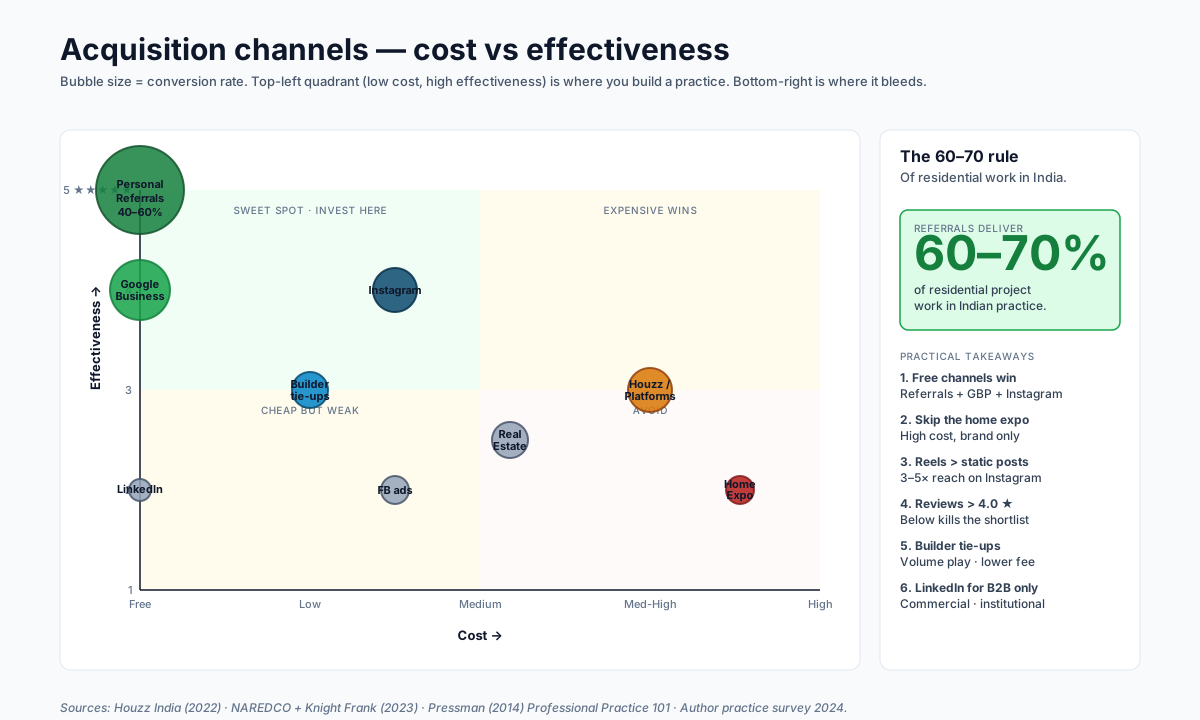
Since 60–70% of Indian residential work comes through referrals, building a systematic referral practice is not optional — it is the single most effective business development activity.
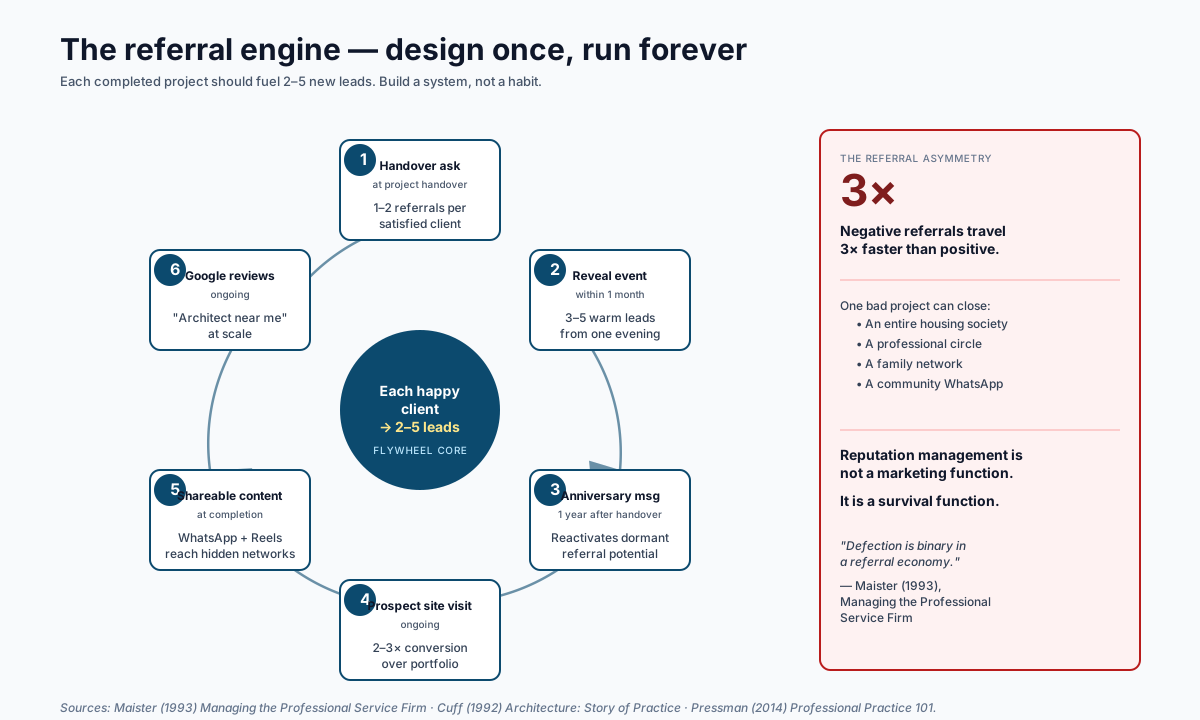
Referral Strategies That Work
| Strategy | When to Execute | Expected Impact |
|---|---|---|
| Ask for referrals at project handover | At the handover meeting (not during construction — too early) | 1–2 referrals per satisfied client |
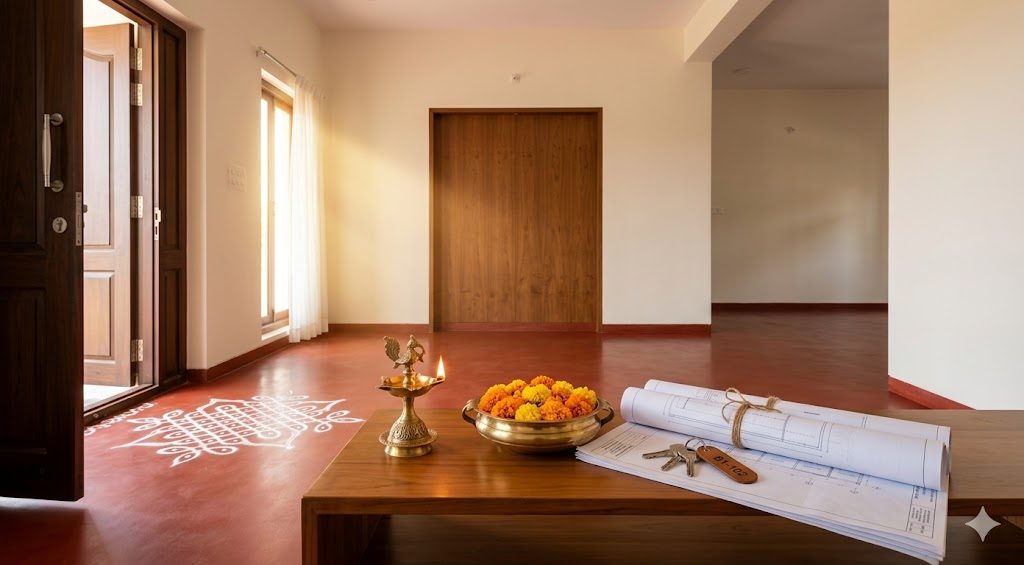
| Host a reveal / housewarming event | Within 1 month of completion; invite client's social circle | 3–5 warm leads from a single event |
| Send a project anniversary message | 1 year after handover — "How is the home? Anything we can help with?" | Reactivates dormant referral potential |
| Offer a site visit to prospects | Let new prospects visit a completed project (with client permission) | 2–3x higher conversion than portfolio alone |
| Create shareable content | 3D walkthrough video that the client proudly shares on WhatsApp/Instagram | Passive referral; reaches networks you cannot access directly |
| Maintain a Google Business Profile | Actively request reviews from happy clients; respond to every review | "Architect near me" referral at scale |
The asymmetry: Negative referrals travel 3x faster than positive ones in Indian social networks. One bad project experience can close an entire community — a housing society, a professional circle, a family network. Reputation management is not a marketing function; it is a survival function (Maister, 1993).
9. The Architect's Online Presence — A Priority Checklist
| Priority | Platform | Investment | Key Actions |
|---|---|---|---|
| 1 | Google Business Profile | Free | Correct category ("Architect"); 10+ photos; respond to every review; monthly posts |
| 2 | Low–Medium | 3–4 posts/week; Reels of walkthroughs; Stories of ongoing work; highlights by project type | |
| 3 | Website | Medium | Portfolio (organised by type), about page with team photos, services overview, fee structure, contact form, testimonials; must be mobile-responsive |
| 4 | Portfolio platforms | Free–Low | Houzz India, ArchDaily (for premium work); even a well-organised Google Drive link works |
Common mistakes: Outdated website (last project from 3 years ago); no Google reviews; Instagram with only renders and no built work; no contact information visible; website not mobile-optimised.
10. How RERA Has Changed Client Expectations
The Real Estate (Regulation and Development) Act, 2016 has reshaped homeowner expectations even for individual home projects where RERA may not directly apply (Government of India, 2016):
- Transparency expectation: Homeowners now expect written timelines, defined deliverables, and stage-wise payment — modelled on RERA's developer requirements.
- Accountability expectation: The concept of a "defect liability period" has entered homeowner vocabulary. Architects should proactively offer a 12-month post-completion support commitment.
- Documentation expectation: Homeowners expect formal agreements, not handshake deals. The CoA's standard Conditions of Engagement template is a professional starting point.
- Area precision: RERA has made homeowners acutely aware of carpet area vs built-up area. Architects must be precise in area calculations and transparent in how areas are presented.
"A doctor can bury his mistakes, but an architect can only advise his client to plant vines." — Frank Lloyd Wright (1867–1959), architect
References
- Chappell, D. and Willis, A. (2010) The Architect in Practice. 10th edn. Oxford: Wiley-Blackwell.
- Council of Architecture (2020) Conditions of Engagement and Scale of Charges. New Delhi: CoA.
- Cuff, D. (1992) Architecture: The Story of Practice. Cambridge, MA: MIT Press.
- Drucker, P.F. (1973) Management: Tasks, Responsibilities, Practices. New York: Harper & Row.
- Government of India (2016) The Real Estate (Regulation and Development) Act, 2016 (Act No. 16 of 2016). New Delhi.
- Gutman, R. (1988) Architectural Practice: A Critical View. New York: Princeton Architectural Press.
- Houzz India (2022) Houzz and Home India Study: Renovation Trends and Spend. Available at: houzz.in.
- Maister, D. (1993) Managing the Professional Service Firm. New York: Free Press.
- Maister, D., Green, C. and Galford, R. (2000) The Trusted Advisor. New York: Free Press.
- NAREDCO and Knight Frank (2023) India Real Estate: Residential Consumer Sentiment Survey. Mumbai.
- Pressman, A. (2014) Professional Practice 101: Business Strategies and Case Studies in Architecture. 3rd edn. Hoboken: John Wiley & Sons.
Author's Note: This guide draws on published professional practice frameworks, market research, and established business literature on professional services. The homeowner priority ranking is synthesised from available Indian consumer sentiment surveys and international professional service selection research — exact weightings are indicative and will vary by city, market segment, and client demographic. Client acquisition channel effectiveness is based on industry practice and published platform data. Architects should adapt these strategies to their specific market, practice size, and target clientele.
Disclaimer: This article is for informational and educational purposes only. It does not constitute business, marketing, or legal advice. Architectural practice must comply with the Architects Act, 1972, CoA professional conduct regulations, and applicable advertising guidelines.
Interactive · Architect lead-to-win funnel
12 wins / yr · needs 160 leads (7.5% end-to-end)
Implication
You need ~14 leads / month to hit 12 wins / year. Plan business-development effort accordingly: SEO, referrals, partner studios, content marketing.
India benchmarks
Established residential studios: 40-55% lead-to-discovery, 40-60% discovery-to-proposal, 20-35% proposal-to-win. Boutique high-end practices skew lower volume + higher win rate.
Export this guide
Related Guides — Deep-dive reading
Design/Build vs. Hiring Separately: What Indian Homeowners Should Know
The procurement-model decision behind every home project — one turnkey firm that designs and builds, or an independent designer and a separately appointed contractor — and how to choose the one that fits your time, budget, and appetite for control.
Planning Your ProjectUnderstanding Construction Contracts & Retainage in India
A homeowner-protective guide to the contract and payment structure behind every interiors or build project — the contract types and when each fits, how to stage payments so your money trails the work, and the retention clause that quietly protects you more than any other.
Cost & MoneyHow to Hire a Building Contractor in India: Find, Shortlist, Compare Quotes and Vet the Right Builder (2026)
A homeowner's guide to choosing the main civil contractor who will build your house - where to find them, how to shortlist and evaluate on experience and finances, how to get comparable quotes on one scope, which contract type suits you, what to verify, and how to set clear expectations - with an evaluation scorecard and a questions-to-ask table.
Hiring ProfessionalsRelated Tools — Try Free
Contract Studio
AI generates professional architecture service agreements with milestones and scope.
ArchitectAIInterior Contract Clause Checklist
16 sections and 98 checkboxes covering scope, BOQ, milestones, penalties, warranty, and disputes.
Contract ChecklistInterior Contract Template — India
Legally-refined contract template with payment milestones, timeline, warranty, and jurisdiction fields.
Contract Generator