
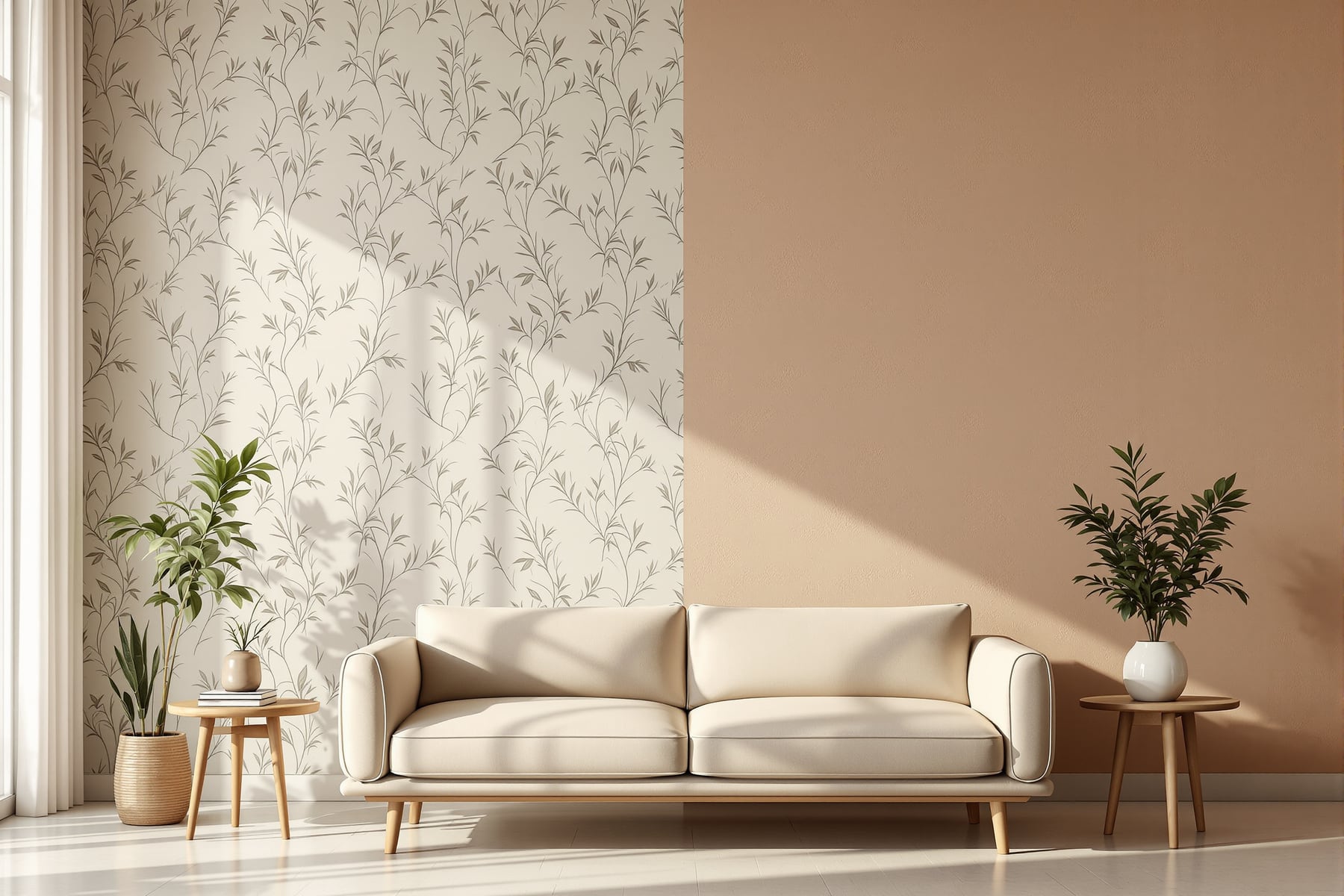
Wallpaper vs Texture Paint: Which Should You Choose?
Printed precision against hand-made relief — a head-to-head on pattern, texture, cost and flaw-hiding, the pattern-versus-texture difference, where each wins, and a decision flow.
For a feature wall that needs more than flat colour, the two most common choices are wallpaper and texture paint — and they are easy to confuse but solve genuinely different wants. Wallpaper prints a precise, detailed pattern onto a flat surface: florals, geometrics, murals, anything a printer can produce. Texture paint builds a real, raised relief you can feel: sand, trowel marks, stipple — abstract texture rather than a picture, and it hides an uneven wall in the bargain. Pattern you see versus texture you feel: that is the whole comparison, and this guide settles it.
It is a companion to the wallpaper guide and the wall texture paint guide, under the master wall-finishes guide.
Meet the contenders
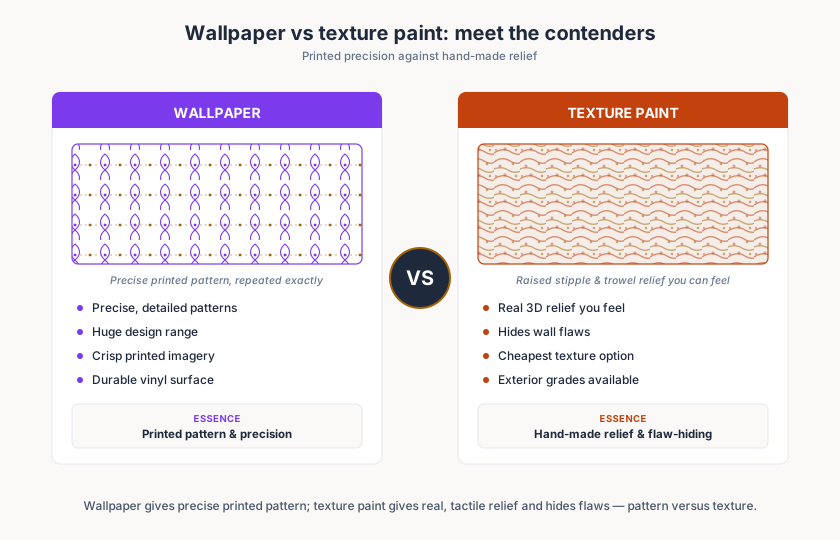
Wallpaper is printed pattern and precision: precise, detailed patterns, a huge design range, crisp printed imagery, and durable vinyl. Texture paint is hand-made relief and flaw-hiding: real 3D relief you can feel, the ability to hide wall flaws, the cheapest route to texture, and exterior grades. One gives you a picture; the other gives you a surface.
Head to head
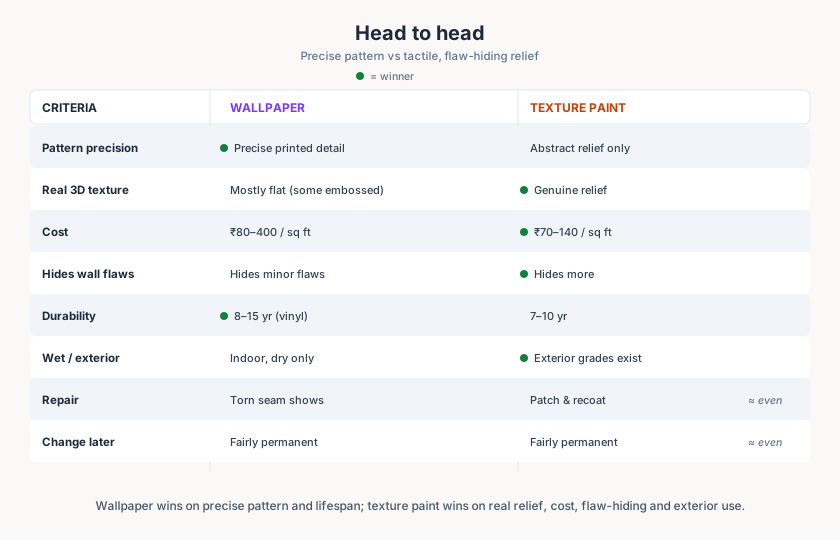
Round by round: pattern precision goes to wallpaper (detailed printed imagery versus abstract relief); real 3D texture to texture paint (genuine relief versus a mostly flat sheet); cost to texture paint (₹70–140/sq ft against ₹80–400); flaw-hiding to texture paint (its relief hides more); durability edges to wallpaper (8–15-year vinyl versus 7–10); wet and exterior use to texture paint (exterior grades exist, while wallpaper is indoor-dry-only); and repair is about even. They win on opposite strengths.
Pattern vs texture
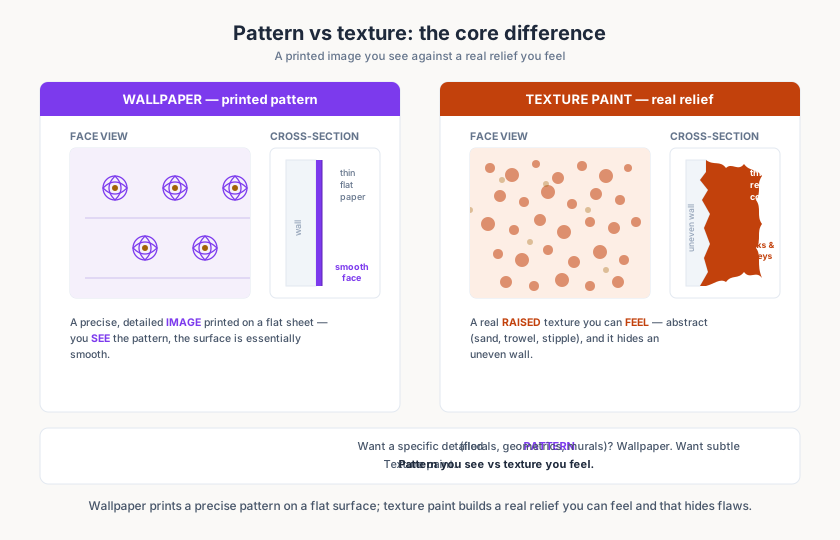
The core difference in one image: wallpaper is a precise, detailed image printed on a flat sheet — you see the pattern, and the surface is essentially smooth. Texture paint is a real raised texture you can feel — abstract (sand, trowel, stipple), and it hides an uneven wall. So the question is simple: do you want a specific detailed pattern (florals, geometrics, murals)? Wallpaper. Do you want subtle tactile texture that also hides flaws? Texture paint.
Where each wins
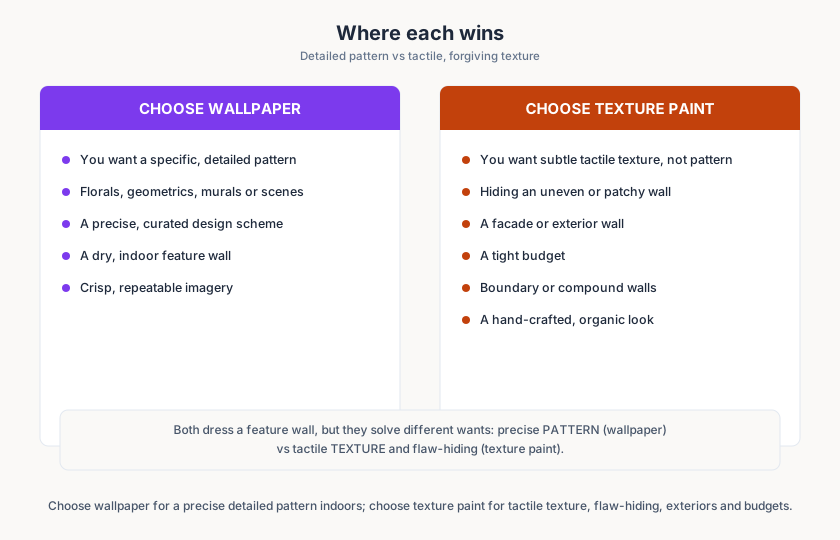
Choose wallpaper when you want a specific detailed pattern — florals, geometrics, murals, scenes — for a precise design scheme, on a dry indoor feature wall, with crisp repeatable imagery. Choose texture paint when you want subtle tactile texture (not pattern), to hide an uneven or patchy wall, for a facade or exterior wall, on a tight budget, on boundary and compound walls, or for a hand-crafted organic look. Both dress a feature wall, but they answer different wants: precise pattern versus tactile texture and flaw-hiding.
The verdict
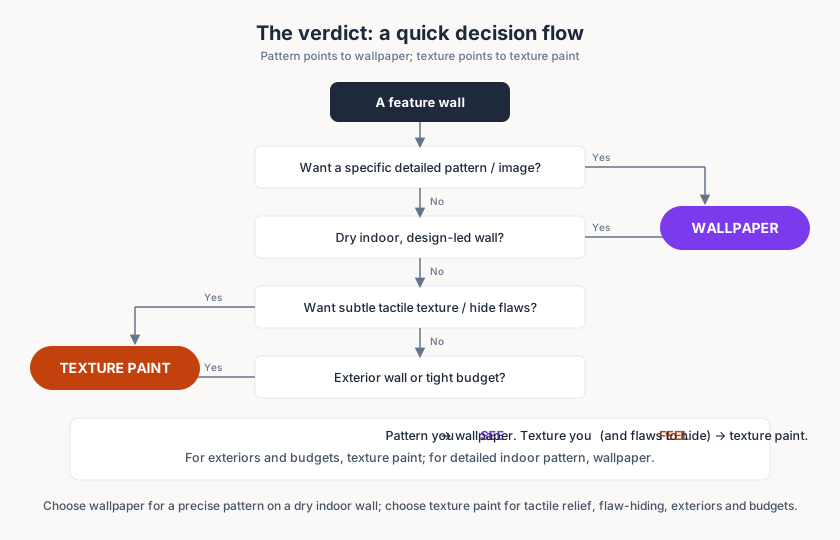
The shortcut: pattern you see → wallpaper; texture you feel (and flaws to hide) → texture paint. For a specific detailed pattern on a dry indoor wall, wallpaper; for tactile relief, flaw-hiding, exteriors or a budget, texture paint. For the full detail on each, see the wallpaper guide and the wall texture paint guide.
Export this guide
Related Guides — Deep-dive reading
Wall Texture Paint: The Complete Guide for Indian Homes
The most affordable way to real surface texture — what texture paint is, the pattern catalogue from sand to trowel, how it's applied, where it works, and how it compares with wallpaper and plaster.
Wall FinishesCladding vs Paint: Which Should You Choose?
Colour and versatility against texture and transformation — a head-to-head on cost, look, durability and hiding a bad wall, where each wins, and a decision flow.
Wall FinishesPaint vs Wallpaper: Which Should You Choose?
The everyday all-rounder against pattern and personality — a head-to-head on cost, durability, moisture, installation and repair, where each wins, and a quick decision flow.
Wall FinishesRelated Tools — Try Free
Home Colour Studio
Colour every room — living, bedroom, dining, kitchen, bathroom — surface by surface in any HEX/RGB/CMYK colour, or from 80+ curated Indian shades.
Colour StudioMaterial Comparison Sheet
India's interior material cheatsheet — plywood, finishes, hardware, countertops, paints, waterproofing.
Reference GuideDoor Paint Calculator
Estimate paint and primer litres and cost to paint your doors by size, number of doors, coats and paint type.
Door Calculator