
Cladding vs Paint: Which Should You Choose?
Colour and versatility against texture and transformation — a head-to-head on cost, look, durability and hiding a bad wall, where each wins, and a decision flow.
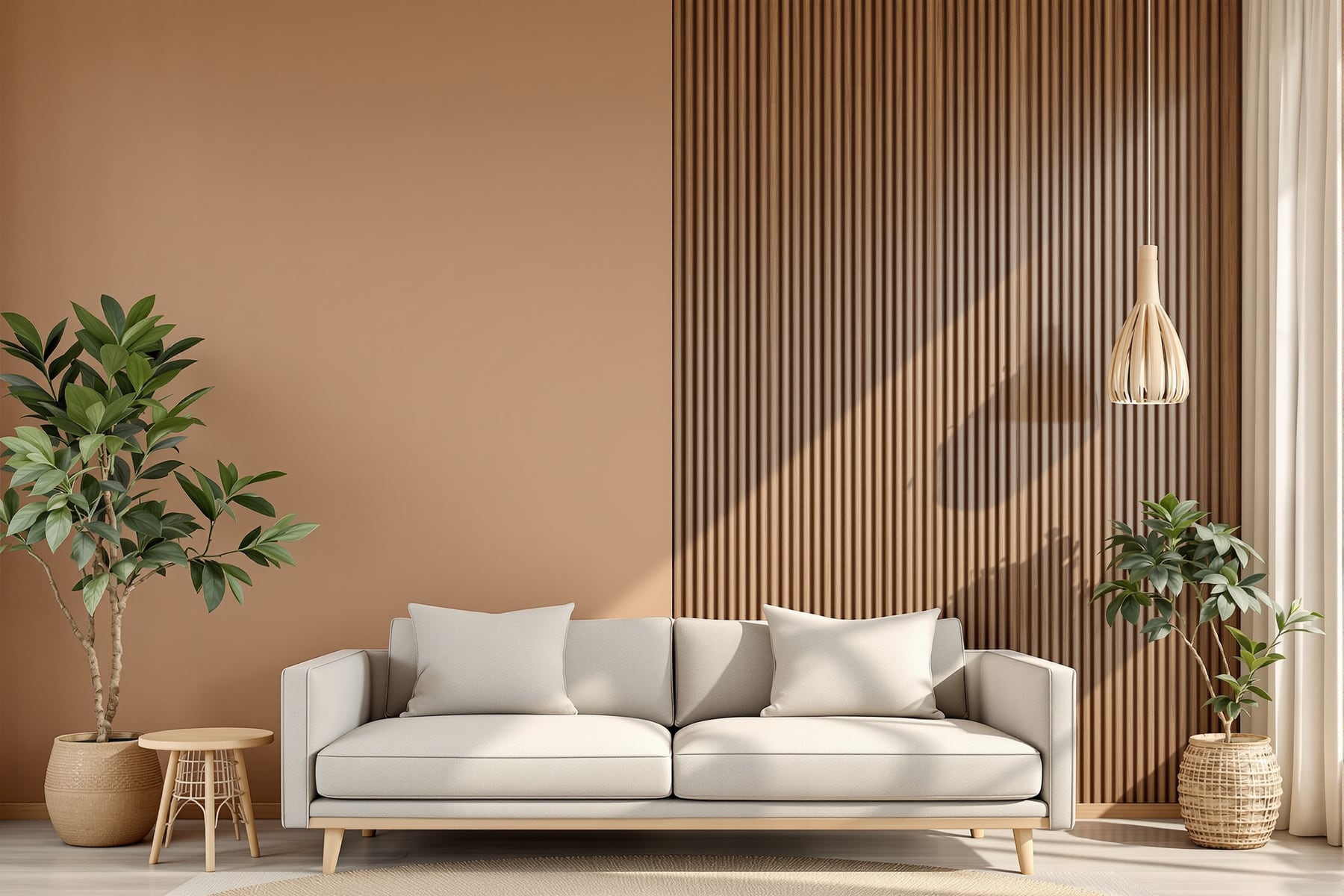
Cladding or paint is the choice you face the moment "just repaint it" stops feeling like enough. Paint is the cheap, flexible way to change a wall's colour; cladding — fluted wood, stone, panels, brick — changes a wall's whole character with real, three-dimensional texture, and can even hide an ugly or uneven wall behind it. They are not really rivals: paint covers most walls in most homes, and cladding transforms the one wall you want to stand out. This guide draws the line so you can decide wall by wall.
It is a companion to the wall cladding & panels guide and the interior paint guide, under the master wall-finishes guide.
Meet the contenders
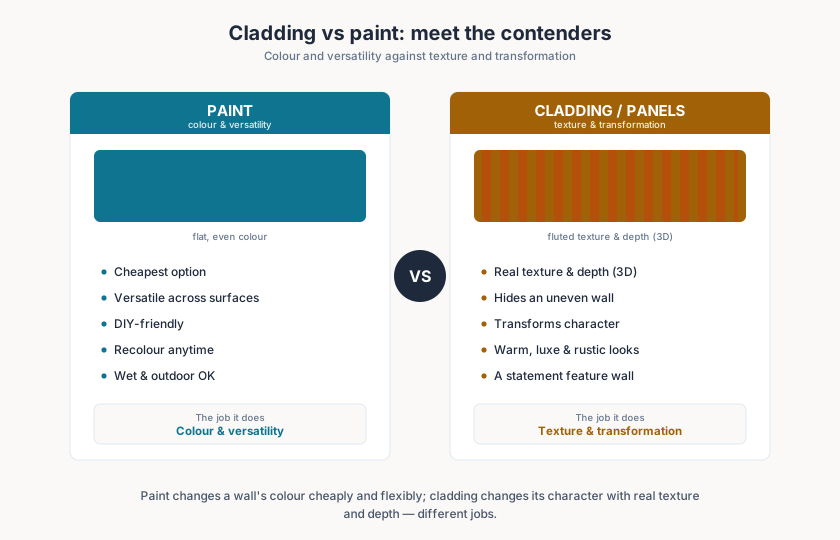
Paint is colour and versatility: the cheapest finish, endlessly flexible, DIY-friendly, recolourable anytime, and fine in wet areas and outdoors. Cladding is texture and transformation: real 3D texture and depth, the ability to hide an uneven wall, a transformed character, and warm, luxe or rustic looks that flat paint cannot deliver. One is about colour; the other is about character.
Head to head
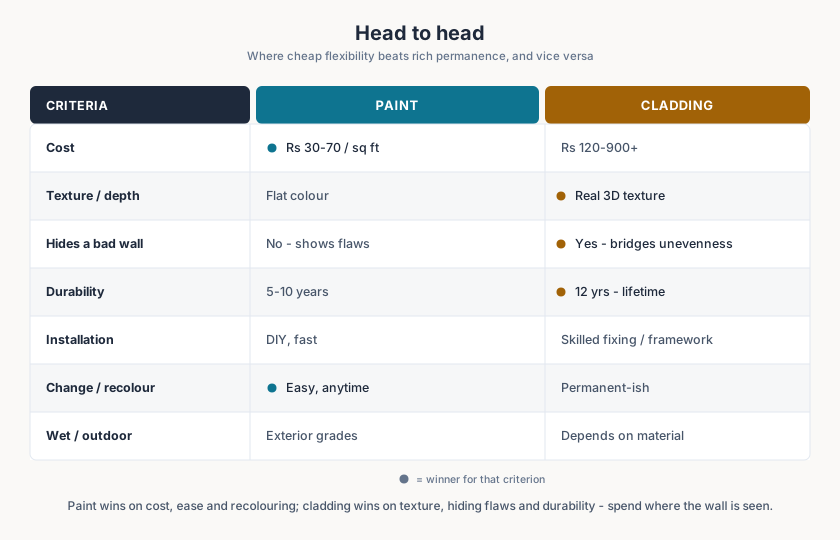
Round by round: cost goes to paint (₹30–70/sq ft against ₹120–900-plus); texture and depth to cladding (real 3D versus flat colour); hiding a bad wall to cladding (it bridges unevenness while paint shows every flaw); durability to cladding (12 years to a lifetime versus 5–10); installation to paint (DIY and fast versus skilled fixing and framework); change and recolour to paint (easy anytime versus semi-permanent); and wet or outdoor use to paint (exterior grades, while cladding depends on the material).
Refresh vs transform
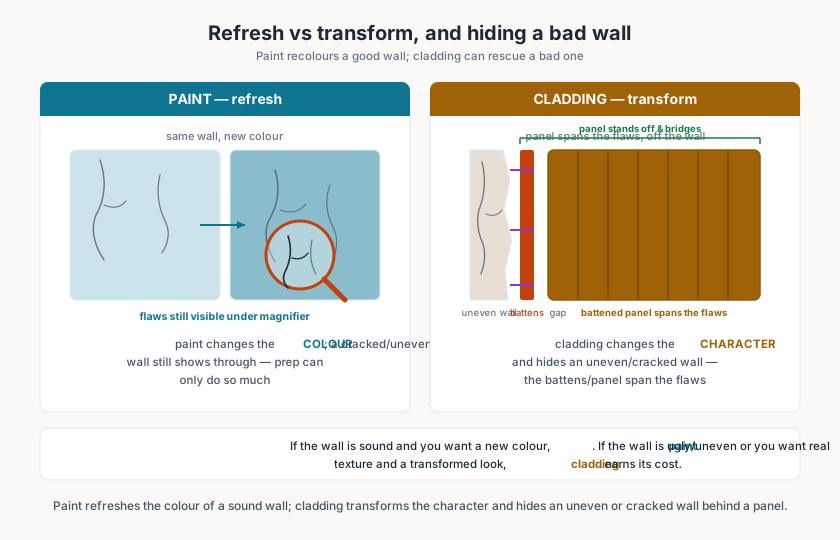
This is the heart of the decision. Paint changes the colour of a wall, but a cracked or uneven surface still shows through — prep can only do so much. Cladding changes the character and hides an uneven or cracked wall, because the battens and panel span the flaws. So if the wall is sound and you want a new colour, paint; if the wall is ugly or uneven, or you want real texture and a transformed look, cladding earns its cost.
Where each wins
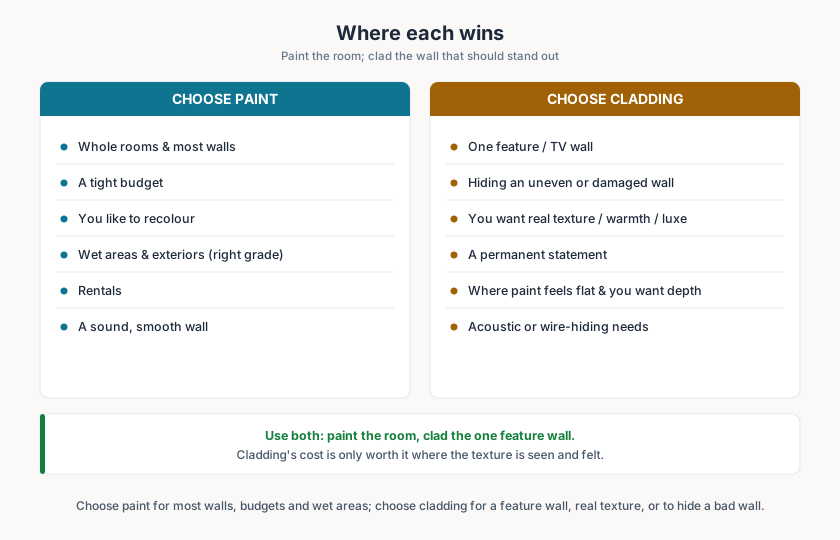
Choose paint for whole rooms and most walls, a tight budget, frequent recolouring, wet areas and exteriors (the right grade), rentals, and any sound, smooth wall. Choose cladding for one feature or TV wall, hiding an uneven or damaged wall, real texture, warmth or luxe, a permanent statement, where paint feels flat and you want depth, or acoustic and wire-hiding needs. Use both: paint the room, clad the one feature wall — cladding's cost is worth it only where the texture is seen and felt.
The verdict
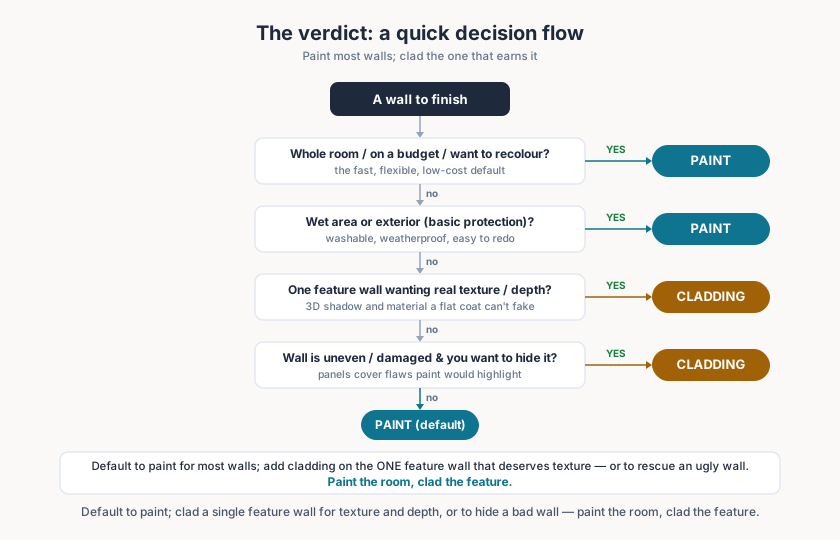
The shortcut: default to paint for most walls, and add cladding on the one feature wall that deserves texture — or to rescue an ugly wall. If it is a whole room, a budget, a recolour or a basic wet area, paint; if it is a feature wall wanting depth, or an uneven wall to hide, cladding. As ever, paint the room, clad the feature. For the full detail, see the cladding & panels guide and the interior paint guide.
Export this guide
Related Guides — Deep-dive reading
Ultimate Guide to Wall Finishes for Indian Homes
Paint, wallpaper, panels, stone, plaster, microcement and more — the whole family of wall finishes, a five-question way to choose, and the real cost, climate and maintenance trade-offs.
Wall FinishesWall Cladding & Panels: The Complete Guide for Indian Homes
The fast, dry way to transform a wall — the whole family from PVC to natural stone, how each is fixed, where it belongs indoors and out, the cost ladder, the fire-and-moisture cautions, and how to choose by what you want the wall to do.
Wall FinishesTV & Media Wall Finishes: The Complete Guide for Indian Homes
Finish plus hidden engineering — the anatomy of a media wall, the finish options, getting the proportions right, hiding wires and cooling devices, and three budgets.
Wall FinishesRelated Tools — Try Free
Material Decision Framework (M-Score)
Score 30+ Indian construction materials across cost, durability, climate fit, maintenance, and sustainability.
MaterialsMaterial Comparison Sheet
India's interior material cheatsheet — plywood, finishes, hardware, countertops, paints, waterproofing.
Reference GuideDoor Paint Calculator
Estimate paint and primer litres and cost to paint your doors by size, number of doors, coats and paint type.
Door Calculator