
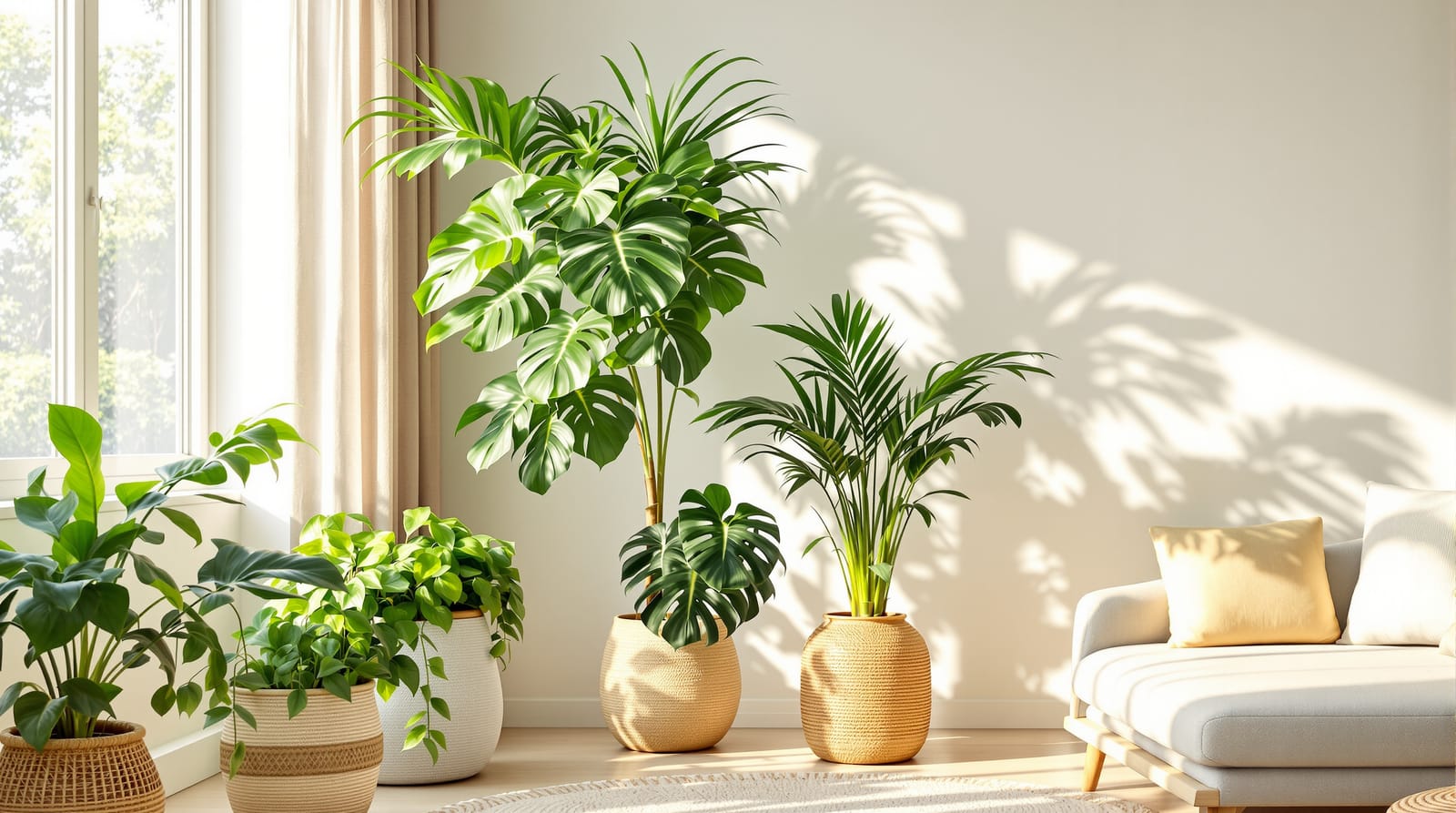
Indoor Plants for Indian Homes — A 2026 Greenery Guide
Eight plants that actually survive Indian homes · Light, water, pet-safety and styling
A single healthy plant can change how a room feels — and in Indian homes, where heat, dust and concrete dominate, that change is more than decorative. As cities like Delhi, Mumbai, Bengaluru and Pune grow denser and apartment living becomes the norm, indoor greenery has quietly become one of the most affordable ways to soften a home. There is good reason for it. Plants pull the eye towards something living and slow; they raise local humidity in dry, air-conditioned rooms; and the act of tending them is one of the few unhurried rituals left in a busy week. The science is honest but modest — a few pots will not scrub a polluted city's air on their own — yet the calming, biophilic effect of greenery in a flat is real and felt daily. In 2026, with balconies shrinking and outdoor space at a premium, a well-chosen set of indoor plants is how many Indian homes reclaim a sense of nature indoors.
This guide covers eight plants worth growing, how to keep each alive through an Indian summer and monsoon, which rooms they suit, and the safety facts you need if children or pets share your home. No magic, no fabricated promises — just what works.
First, Read Your Light
Before you buy a single plant, stand in the room and watch where the light falls. In India the sun is strong, and window direction matters more than in cooler countries.
South- and west-facing windows get harsh, hot afternoon light — bright, but capable of scorching tender leaves through the glass, especially in the April–June heat. North- and east-facing windows give gentler, more even light: east catches soft morning sun, north stays bright but cool. A room two or three metres back from any window, or one lit mostly by tubelights, counts as low light.
Two Indian realities shape everything else. First, summer heat: indoor temperatures can climb past 35°C, and air-conditioning dries the air sharply, so plants lose water faster than the soil surface suggests. Second, humidity swings: the monsoon brings heavy, sticky air that slows drying and invites root rot, while winter and AC season can leave plants gasping for moisture. Group humidity-loving plants together, keep them off the path of cold AC blasts, and you solve half your problems before they start.
| Light level | Typical spot | Best plants |
|---|---|---|
| Bright (indirect) | 1–2 m from a south/east window, sheer-curtained | Fiddle Leaf Fig, Rubber Plant, Monstera, Orchids |
| Medium | A few metres back, or a bright north room | Areca Palm, Monstera, Rubber Plant, Bonsai |
| Low | Hallway, bathroom, interior corner, tubelit room | Snake Plant, ZZ Plant |
The Eight Plants, and How to Keep Them Alive in India
Fiddle Leaf Fig (Ficus lyrata)
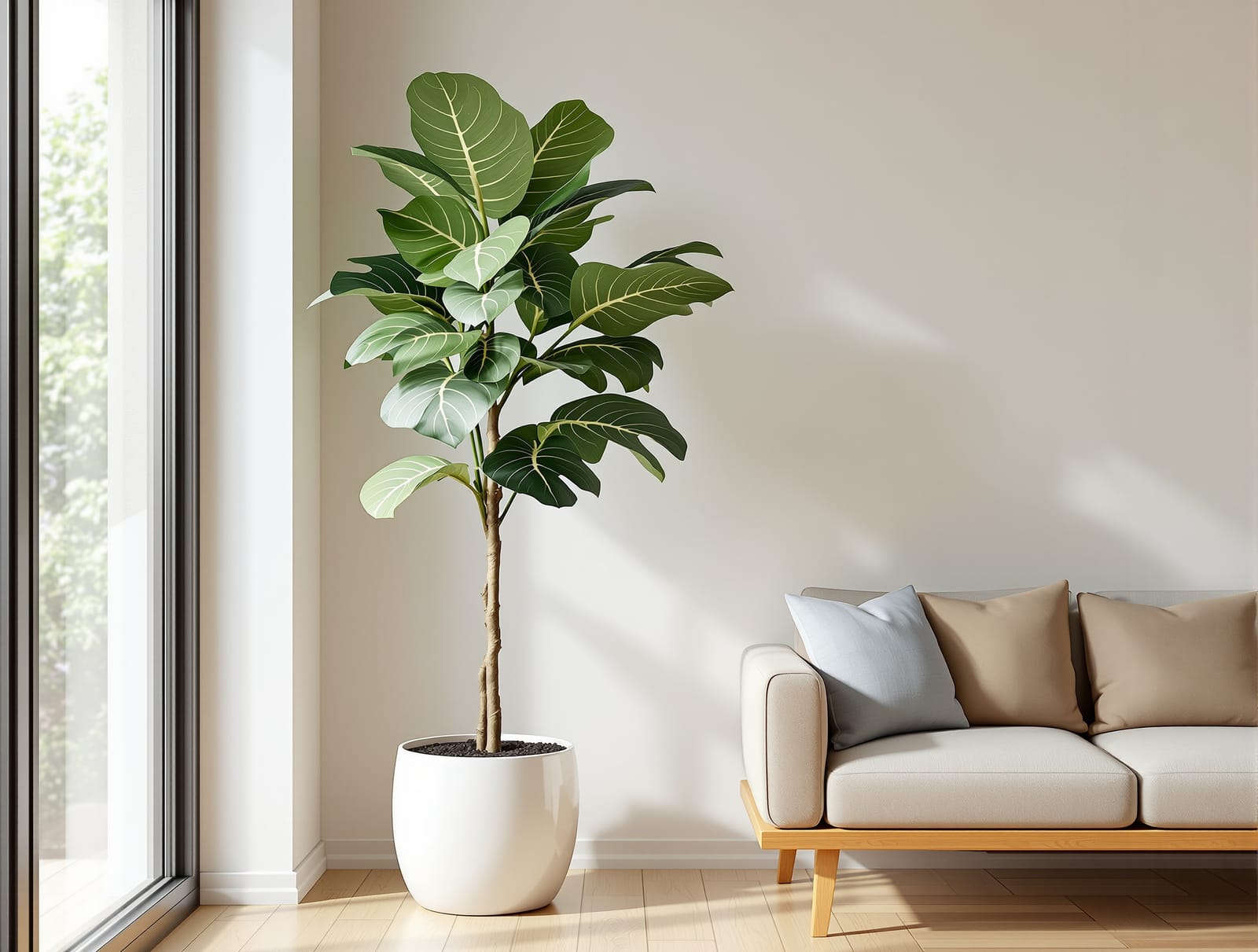
The fiddle leaf fig is the statement plant of the moment: tall, tree-like, with broad violin-shaped leaves that read instantly as "designer home." It is also the diva of this list.
Light: It needs plenty of bright, indirect light — an east window or a south/west window softened by a sheer curtain. Too little light and it sulks; harsh midday sun straight through glass will brown the leaf edges.
Watering: Water thoroughly only when the top 3–4 cm of soil is dry. In peak Indian summer that may be twice a week; through the monsoon, far less — let it dry more between waterings. Always pour until water runs from the drainage hole, then empty the saucer.
Common-killer mistake: Moving it around. The fiddle leaf hates change — relocate it, overwater it, or sit it in a draught and it drops leaves in protest. Pick a bright, stable spot and leave it there.
Where it shines: A sunlit living-room corner, beside a sofa or behind an armchair, where its height fills vertical space.
Areca Palm (Dypsis lutescens)
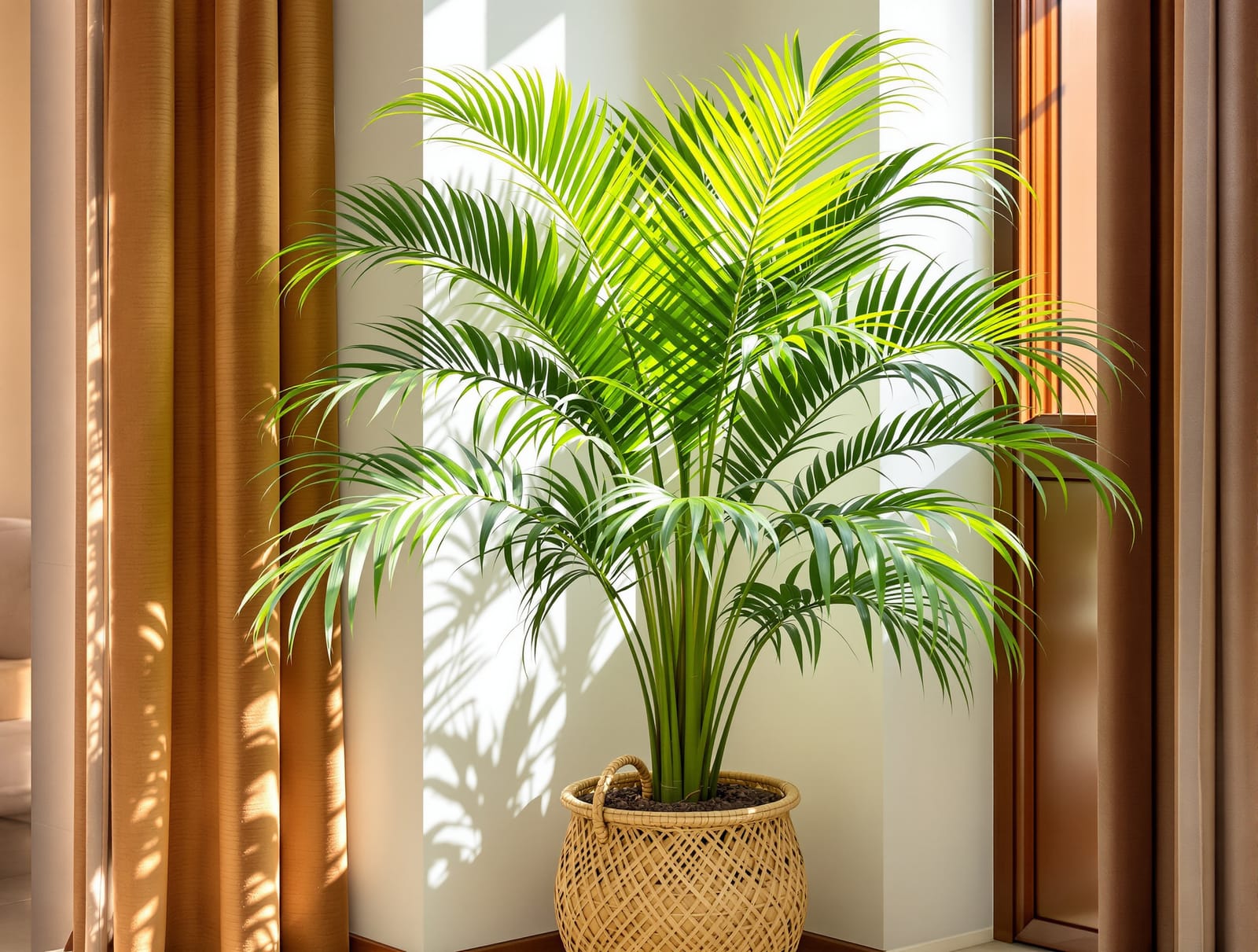
The areca palm — sometimes sold as the butterfly or golden cane palm — brings soft, feathery fronds and a tropical, resort feel. It is well suited to the Indian climate, since it is genuinely tropical, and it is non-toxic, which makes it a favourite for family homes.
Light: Bright, indirect light is ideal; it tolerates medium light but grows fuller and greener near a north or east window. Keep it out of scorching direct sun.
Watering: Keep the soil lightly moist but never soggy. In summer it drinks freely — check every couple of days. It loves humidity, so mist the fronds or stand the pot on a pebble tray during dry months; brown frond tips usually mean the air is too dry.
Common-killer mistake: Letting it sit in waterlogged soil. Arecas like moisture but hate wet feet — without good drainage the roots rot.
Where it shines: A bright living-room or balcony corner where its fountain of fronds can spread.
Monstera (Monstera deliciosa)
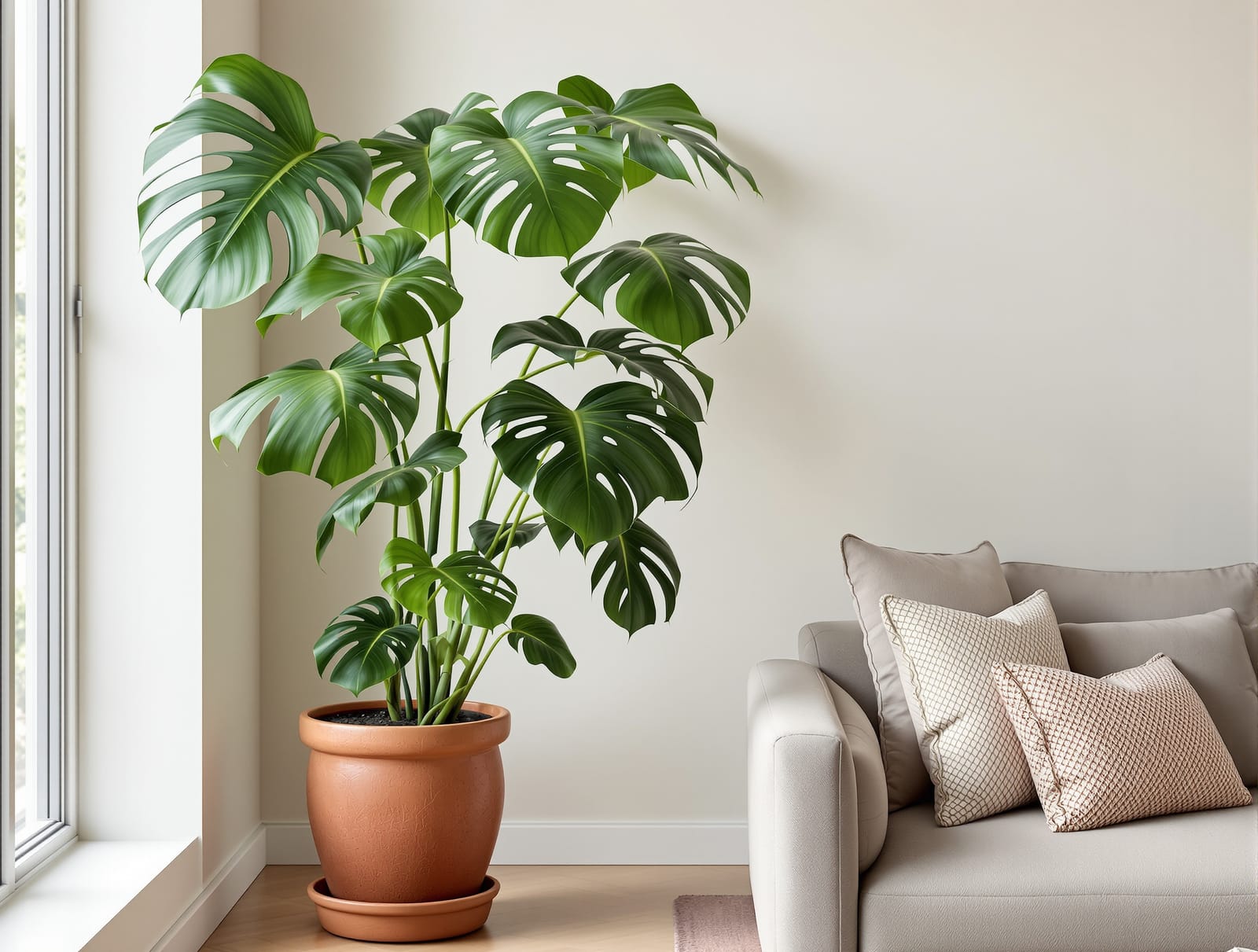
The Swiss cheese plant, with its dramatic split and holed leaves, has become an interior-design staple in Indian homes — and deservedly, because it is striking and reasonably forgiving.
Light: Bright to medium indirect light. It grows fastest near a curtained bright window; in lower light it survives but the leaves stay smaller and less fenestrated.
Watering: Let the top 3–5 cm of soil dry before watering. In summer that is roughly weekly; in the monsoon, stretch the interval. It enjoys humidity and the occasional wipe-down of its big leaves.
Common-killer mistake: Overwatering. A constantly damp pot turns the stems mushy and yellows the leaves. When in doubt, wait a day.
Where it shines: As a floor plant in a living room, or trained up a moss pole for vertical drama in a modern flat.
Rubber Plant (Ficus elastica)
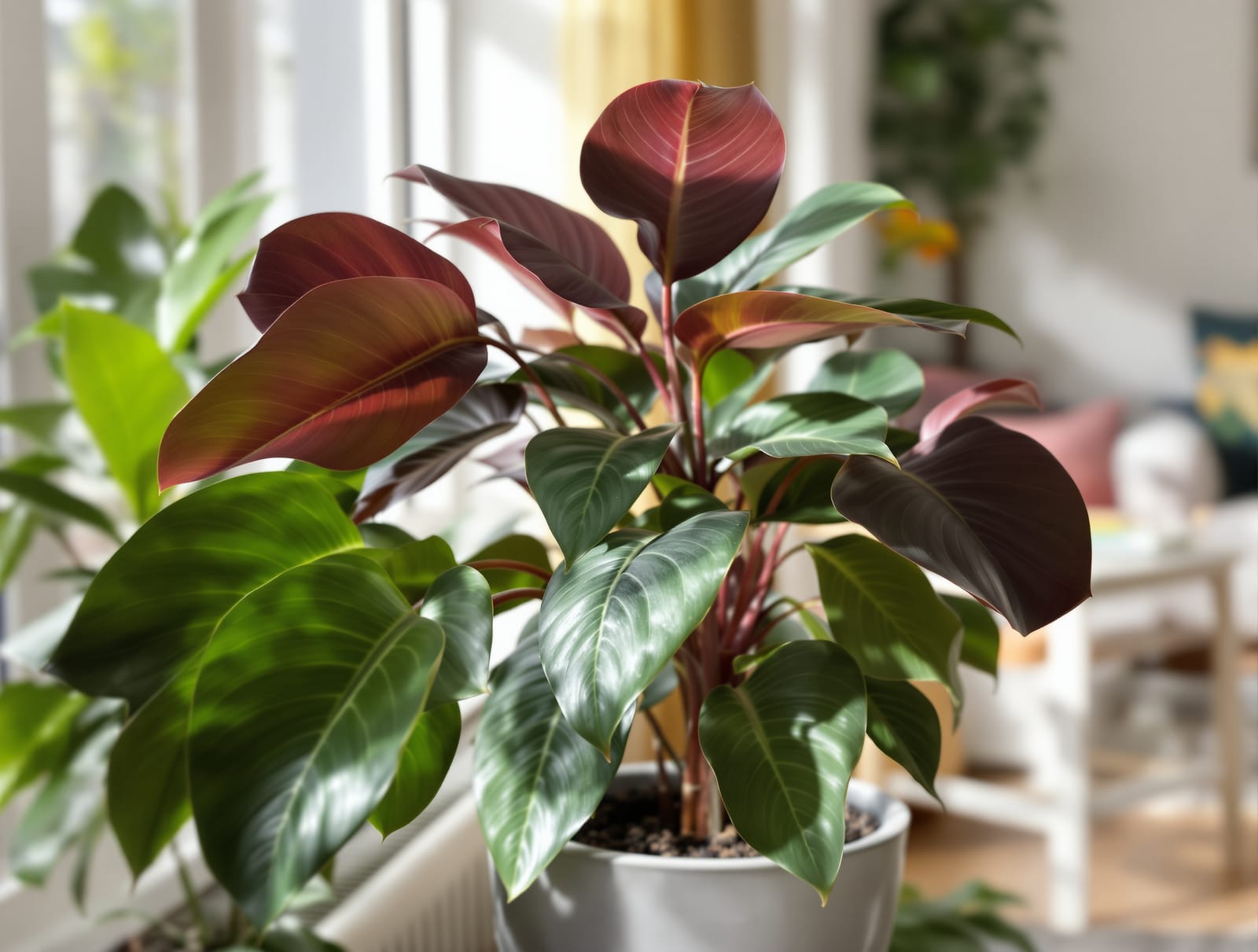
The rubber plant offers thick, glossy, deep-green (or burgundy) leaves on an upright frame. It is hardier than its cousin the fiddle leaf and a smart choice for those who want a bold-leaved tree with less drama.
Light: Bright, indirect light keeps it lush and the dark cultivars richly coloured; it tolerates medium light. Avoid harsh direct sun, which can scorch the leaves.
Watering: Water when the top few centimetres dry out — typically weekly in summer, less in the monsoon and winter. It dislikes both extremes, so aim for even, moderate moisture.
Common-killer mistake: Letting dust cake the leaves. Those glossy leaves collect Indian household dust quickly, which blocks light and dulls the plant — wipe them with a damp cloth every couple of weeks.
Where it shines: A bright corner of a living room or study, where its sculptural form anchors the space.
Snake Plant (Sansevieria / Dracaena trifasciata)
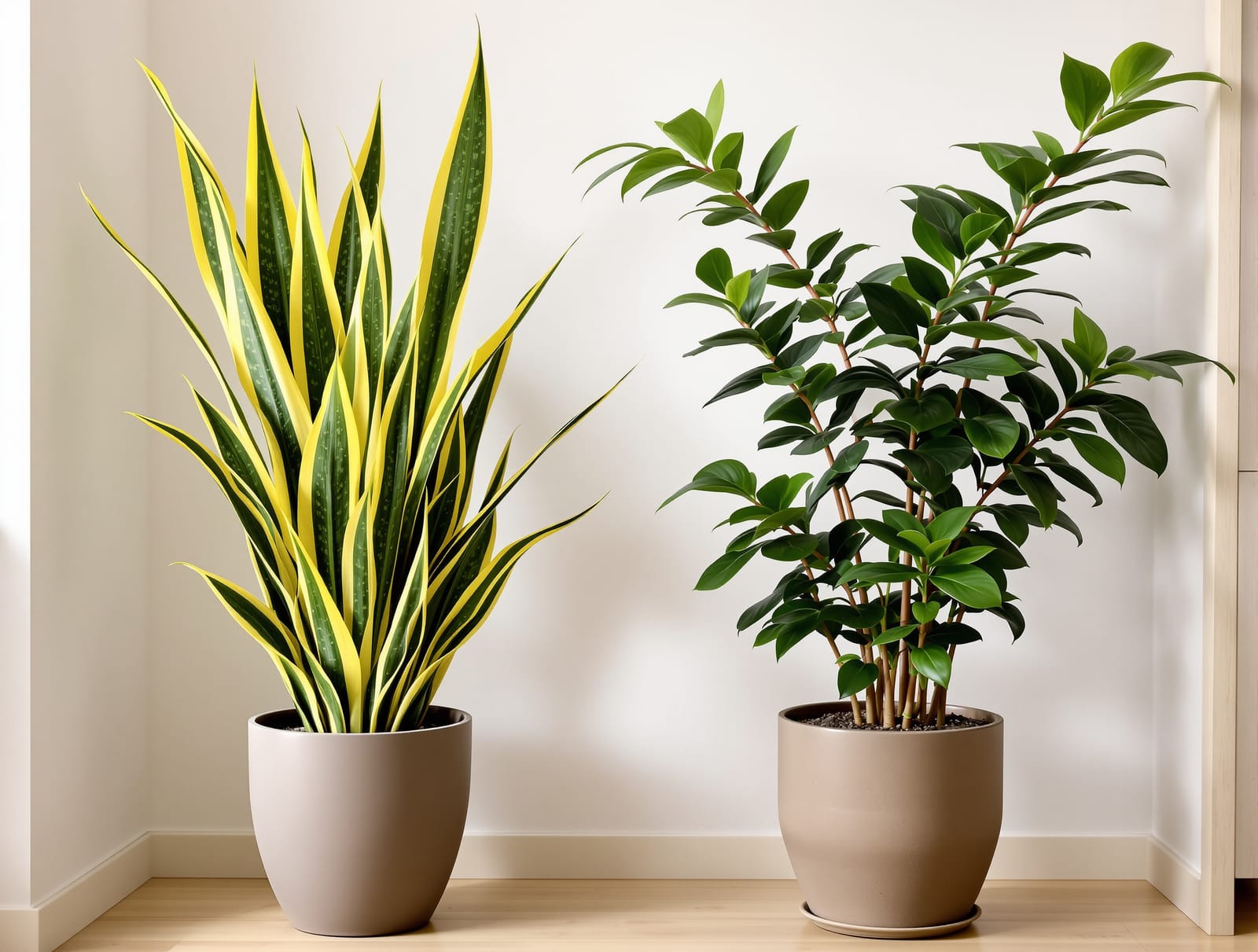
The snake plant, with its stiff, upright sword-like leaves, is the plant for people who think they cannot keep plants alive. It is nearly indestructible and thrives on neglect.
Light: Anything from bright indirect to genuinely low light. It is one of the few plants that holds up in a dim hallway or a tubelit room.
Watering: Sparingly. Let the soil dry out completely between waterings — every 2–3 weeks in summer, even less in the monsoon and winter. It stores water in its leaves and far prefers being too dry to too wet.
Common-killer mistake: Overwatering. This is the single most common way to kill a snake plant; soggy soil rots the base. If a leaf goes soft and yellow at the bottom, you are watering too much.
Where it shines: Bedrooms, hallways, bathrooms and any low-light corner where nothing else will grow.
ZZ Plant (Zamioculcas zamiifolia)
The ZZ plant has glossy, waxy, dark-green leaflets on arching stems and a near-supernatural tolerance for being ignored — making it the natural companion to the snake plant for difficult spots.
Light: Low to medium indirect light. It does not need a window and copes well with artificial light, though it grows faster in brighter spots.
Watering: Very little. Its underground rhizomes store water, so let the soil dry fully between drinks — roughly every 2–3 weeks, less in cooler or wetter months.
Common-killer mistake: Watering on a fixed schedule regardless of soil. The ZZ rots if kept moist; always check the soil is dry first.
Where it shines: Offices, study desks, low-light corners and entryways — wherever you want greenery without commitment.
Bonsai Trees
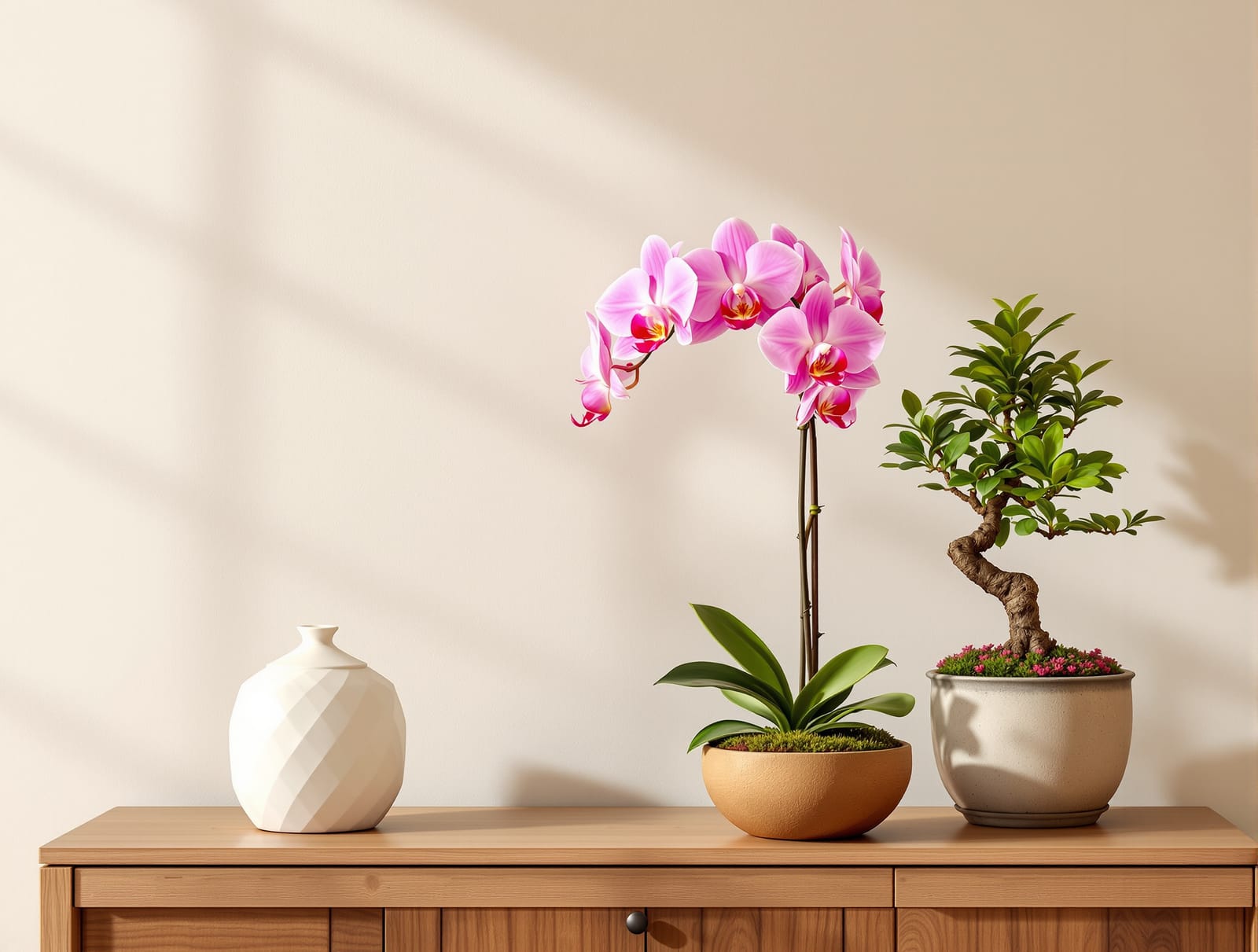
A bonsai is less a plant than a small living sculpture — a miniature tree kept small through careful pruning and root management. In India, hardy species such as ficus bonsai do best indoors and tolerate the climate well.
Light: Bright light is essential — most bonsai want a sunny windowsill (filtered in peak summer). Indoor bonsai struggle in dim rooms; many are happiest with some morning sun.
Watering: Bonsai live in shallow trays that dry quickly, so they need attentive, frequent watering — sometimes daily in summer heat. Water when the surface begins to dry; never let the tiny soil mass bake bone-dry.
Common-killer mistake: Treating it as decor and forgetting it. A bonsai's small soil volume is unforgiving — a few missed days in summer can be fatal.
Where it shines: A bright windowsill, study or display shelf where its detail can be admired up close.
Orchids (Phalaenopsis and others)
The moth orchid (Phalaenopsis) is the most common houseplant orchid in India — elegant, long-lasting blooms on slender stems, and non-toxic, which makes it family-friendly.
Light: Bright, indirect light — an east window is ideal. Direct harsh sun burns the leaves; too little light and it refuses to flower.
Watering: Orchids are epiphytes and do not grow in ordinary soil but in bark or moss. Water roughly once a week by soaking and draining fully — the common advice of a few ice cubes works, but plain room-temperature water suits the Indian climate better. The roots must never sit in standing water.
Common-killer mistake: Overwatering and using garden soil. Orchids rot if their roots stay wet or are smothered in dense potting mix; use a proper orchid bark mix and a pot with drainage.
Where it shines: A bright windowsill, dining table or bathroom shelf where the blooms become a centrepiece.
Care Calendar for Indian Seasons
India's three broad seasons each demand a different touch. The headline rule: water by checking the soil, not the calendar — but these patterns hold for most homes.
| Season | Watering | Light | Watch for |
|---|---|---|---|
| Summer (Mar–Jun) | More frequent; soil dries fast in heat and AC. Mist humidity-lovers. | Filter harsh south/west sun with sheers; pull tender plants back from scorching glass. | Spider mites (thrive in hot, dry air — look for fine webbing and stippled leaves); crisp, browning leaf edges from heat. |
| Monsoon (Jul–Sep) | Reduce sharply; humid air slows drying. Let soil dry more between waterings. | Lower natural light on grey days — move plants closer to windows. | Root rot and fungal spots from soggy soil; mealybugs (white cottony clumps) in the damp warmth; fungus gnats. |
| Winter (Oct–Feb) | Least frequent; growth slows, so most plants need little water. | Maximise light — days are shorter; clean windows and rotate plants. | Cold draughts and AC/heater dryness; slow-down is normal — do not overwater a resting plant. |
Across all seasons, inspect the undersides of leaves once a week. Catching mealybugs or spider mites early — a wipe with diluted neem oil usually does it — saves the plant.
Plant + Room Pairing
Match the plant to the room's light and use, and remember the planter is part of the design: a beautiful pot turns a plant into decor, and drainage in that pot keeps it alive. See Decorative Planters for choosing pots that look good and protect the roots.
- Living room: The showcase space, usually the brightest. Fiddle Leaf Fig, Monstera, Rubber Plant and a tall Areca Palm all anchor seating areas with height and texture.
- Bedroom: Calm, often less bright. Snake Plant and ZZ Plant are ideal — undemanding and tolerant of dimmer corners. A small Areca adds softness.
- Bathroom: Warm and humid, often low-light. Snake Plant and ZZ thrive; a moth Orchid loves the humidity if there is some natural light.
- Balcony: The brightest spot in most flats. Areca Palm, Bonsai and sun-tolerant plants do well here, screened from the harshest afternoon sun.
- Pooja corner: A small Areca or a non-toxic, easy plant suits a quiet, gentle spot — keep it modest and well-tended rather than sprawling.
For arranging plants alongside the rest of your scheme, a Moodboards exercise helps you see how greenery, planters and furniture work together before you buy.
Pet & Child Safety
Be honest with yourself about who shares your home. Several popular houseplants are toxic or irritant if a curious child or pet chews the leaves — usually causing mouth irritation, drooling or an upset stomach rather than anything fatal, but worth avoiding within reach of toddlers and cats or dogs.
The safe-versus-not picture for this list:
| Plant | Pet/child-safe? |
|---|---|
| Fiddle Leaf Fig | No — irritant sap, toxic if chewed |
| Areca Palm | Yes — non-toxic |
| Monstera | No — contains calcium oxalate, irritant if chewed |
| Rubber Plant | No — irritant sap |
| Snake Plant | No — mildly toxic if eaten |
| ZZ Plant | No — irritant if chewed; wash hands after handling |
| Bonsai | Usually yes (ficus bonsai shares the rubber-plant irritant caution) — depends on species |
| Orchids (Phalaenopsis) | Yes — non-toxic |
If you have pets or small children, keep the toxic plants on high shelves or in rooms they cannot reach, and lean on the safe choices — Areca Palm and Orchids — for accessible spots. None of these are reasons to avoid plants entirely; they are reasons to place them thoughtfully.
A Light Vastu Note
For those who follow it, traditional Vastu favours healthy green plants in the east or north-east of a home, where they are said to invite positive, growing energy. The same tradition advises against thorny plants and cacti indoors, associating their sharp forms with friction — so they are usually kept on outdoor balconies instead. Take this as gentle guidance rather than rule: a thriving, well-cared-for plant in a spot it actually gets enough light is the surest source of good feeling in any room.
Where to Buy in India
The market for houseplants has matured, and you no longer have to gamble on a roadside nursery alone:
- Ugaoo — a well-known online plant retailer with a wide indoor range, planters and care guides.
- Nurturing Green — an established plant and gifting brand selling indoor plants across India.
- Ferns N Petals (FNP) — broad gifting retailer with a plant section, useful for delivered gift plants.
- Local nurseries — still the best value and the freshest stock; you can inspect the plant in person and ask the grower what suits your light.
- Birla — Birla-group garden and nursery outlets in some cities offer plants and supplies.
- Amazon and Flipkart — both list plant sellers and accessories; check seller ratings and recent reviews before ordering live plants, as transit can stress them.
Wherever you buy, inspect the leaves for pests and the soil for sogginess before paying, and give a new plant a couple of weeks to settle before judging it.
Ten Beginner Mistakes
1. Overwatering. The number-one killer. Most indoor plants prefer slightly dry to constantly wet — check the soil before every watering.
2. No drainage. A pretty pot with no hole drowns roots. Use pots that drain, or keep a draining nursery pot inside a decorative outer one.
3. Putting a low-light plant in true darkness. Even tough plants need some light; a windowless corner with only occasional tubelight will slowly starve them.
4. Ignoring leaf-cleaning. Indian dust settles fast and blocks light. Wipe glossy leaves and dust the rest regularly.
5. Sudden direct sun. Moving a plant straight into harsh south/west sun scorches leaves; acclimatise it gradually.
6. Watering on a fixed schedule. Plants drink less in monsoon and winter — feel the soil instead of following a calendar.
7. Cold AC blasts. Plants parked directly under an air-conditioner dry out and chill; keep them out of the airflow.
8. Repotting too soon or into a giant pot. Excess soil holds excess water and rots roots; size up gradually.
9. Ignoring early pests. A few mealybugs or mites become an infestation fast — inspect weekly and treat early with neem oil.
10. Giving up after one death. Almost every plant parent kills a plant or two. Learn the lesson, choose an easier plant, and try again.
FAQ
What are the best indoor plants for low light in India?
Snake Plant and ZZ Plant are the clear winners — both tolerate dim hallways, bathrooms and tubelit rooms, and survive irregular watering. They are the safest bets for interior corners far from a window.
Which indoor plants are safe for pets and children?
From this list, the Areca Palm and Phalaenopsis Orchids are non-toxic and family-friendly. Avoid placing Monstera, ZZ, Rubber Plant, Fiddle Leaf Fig and Snake Plant within reach of pets or toddlers, as their leaves are irritant or mildly toxic if chewed.
Why are my fiddle leaf fig leaves dropping?
Almost always stress from change — a new spot, a draught, overwatering, or a sudden swing in light or temperature. Settle it in one bright, stable location, water only when the top few centimetres of soil are dry, and keep it away from AC airflow. It usually recovers once conditions stop shifting.
What are the best air-purifying indoor plants in India?
Snake Plant, Areca Palm, Rubber Plant and Money-type foliage plants are often cited for air benefits. Be realistic: a handful of pots makes a modest difference and adds humidity, but plants are not a substitute for ventilation or an air purifier in a heavily polluted city.
How often should I water indoor plants in summer?
More often than the rest of the year, because heat and air-conditioning dry soil fast — but still by feel, not by clock. Thirsty plants like Areca and Fiddle Leaf may want water twice a week; Snake Plant and ZZ may still go a fortnight. Check the top few centimetres of soil first.
Do indoor plants attract mosquitoes or pests in Indian homes?
Standing water in saucers attracts mosquitoes, so empty saucers after watering. Damp, overwatered soil invites fungus gnats and mealybugs. Good drainage, letting soil dry appropriately, and a weekly leaf inspection keep most pest problems away.
Start with one or two easy plants, learn their rhythm through a full Indian year, and add more as your confidence grows — and when you are planning the look of a whole room around your greenery, DesignAI can help you visualise it. A home with a few thriving plants simply feels more alive, and that is worth the small effort.
Last verified: June 2026 · Next verify: June 2027.
Export this guide
Related Guides — Deep-dive reading
Security for People Living Alone in India (2026): Calm, Practical Habits When There Is No Second Person to Notice
Living alone is an ordinary and growing part of Indian life - the student in a new city, the working single, the elder whose children are abroad, the person after a separation. It does not call for fear. It calls for a few deliberate habits, because there is no second person in the home to notice trouble, raise the alarm, or catch an accident. This is calm self-reliance, layer by layer.
SecurityUnderstanding Sun Path Analysis for Your Home
How the sun actually moves over an Indian site through the day and the year — and why that single fact quietly decides where your kitchen, bedroom and living room should sit.
Site PlanningOrientation, Light & Views: Designing With Your Space, Not Against It
How reading your plot's sun, breeze and views — and placing each room on the right face — gives an Indian home that is cooler, brighter and quietly right, instead of one that fights its site forever.
Design PrinciplesRelated Tools — Try Free
Cross-Ventilation Analyzer
Estimate airflow and air changes per hour (ACH) from room size, window areas, layout, and local wind — with NBC 2016 Part 8 compliance check.
Ventilation CalculatorApartment Furniture Size Chart
Standard furniture dimensions for Indian apartments — sofas, beds, tables, dining, storage.
Reference ChartVastu Window Planner
Vastu guidance for window placement and size by wall direction and room — rating and remedies.
Vastu