
Distemper vs Emulsion: Which Paint Should You Choose?
The budget basic against the modern washable standard — a head-to-head on cost, washability, lifespan and finish, the true cost over ten years, where each wins, and a decision flow.
When it is time to paint, the first fork in the road is distemper or emulsion — and the price difference is tempting enough that many people reach for distemper without thinking it through. Distemper is the cheapest paint on the shelf: breathable, easy to apply, quick to refresh. Emulsion is the modern water-based standard: washable, richer in colour, and far longer-lasting. For most homes the honest answer is emulsion — but distemper still has a real, narrow place, and this guide draws the line clearly.
For the fuller picture, see the interior paint guide, under the master wall-finishes guide.
Meet the contenders
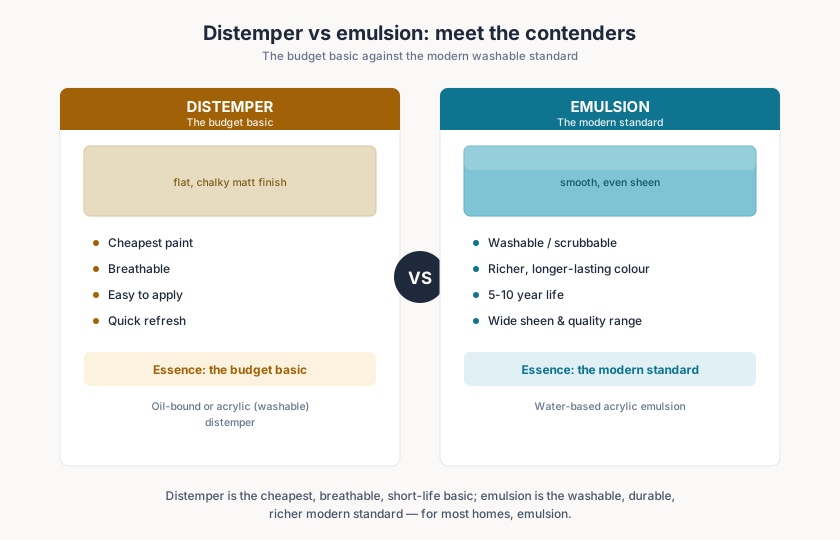
Distemper is the budget basic — the cheapest paint, breathable, easy to apply and quick to refresh (in oil-bound or acrylic "washable" forms). Emulsion is the modern standard — a water-based acrylic that is washable and scrubbable, holds richer, longer-lasting colour, lasts 5–10 years, and comes in a wide range of sheens and quality tiers. One is cheap-and-cheerful; the other is the everyday choice for a home you live in.
Head to head
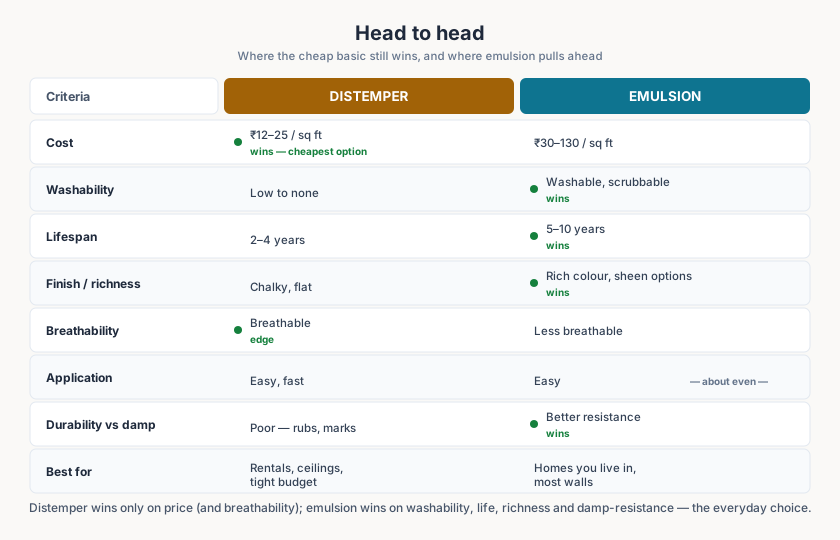
Round by round: cost goes to distemper (₹12–25/sq ft versus ₹30–130); washability to emulsion (scrubbable versus barely at all); lifespan to emulsion (5–10 years versus 2–4); finish and richness to emulsion (rich colour and sheen options versus chalky flat); breathability edges to distemper; application is about even (both easy); and damp-resistance to emulsion (it takes marks and moisture far better). Distemper wins on price; emulsion wins almost everywhere else.
The true cost over ten years
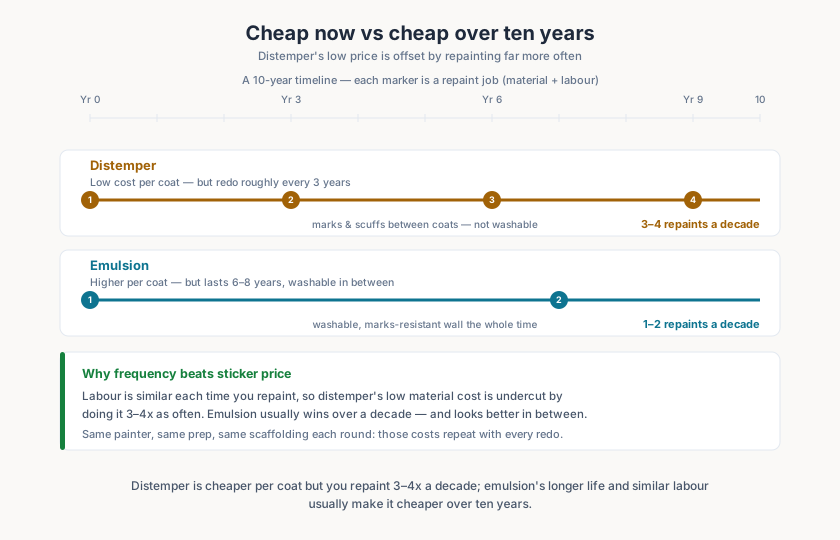
Here is the catch that the sticker price hides. Distemper needs redoing roughly every three years — three or four repaints in a decade — while emulsion goes six to eight years between coats. Because the labour is similar each time you repaint, distemper's low material cost gets undercut by doing it three to four times as often, so emulsion usually works out cheaper over ten years — and you live with a more washable, better-looking wall in between.
Where each wins
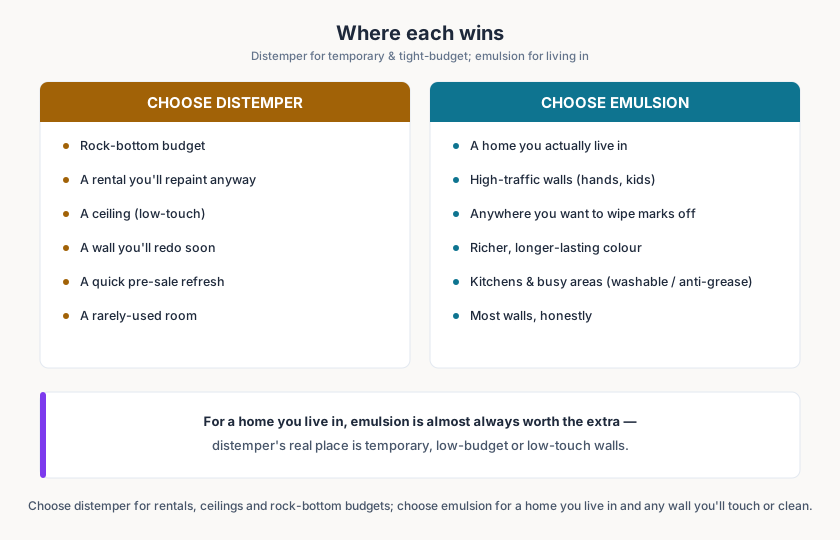
Choose distemper for a rock-bottom budget, a rental you will repaint anyway, a ceiling (low-touch), a wall you will redo soon, a quick pre-sale refresh, or a rarely-used room. Choose emulsion for a home you actually live in, high-traffic walls, anywhere you want to wipe marks off, richer and longer-lasting colour, kitchens and busy areas (in washable or anti-grease grades), and — honestly — most walls. For a home you live in, emulsion is almost always worth the extra.
The verdict
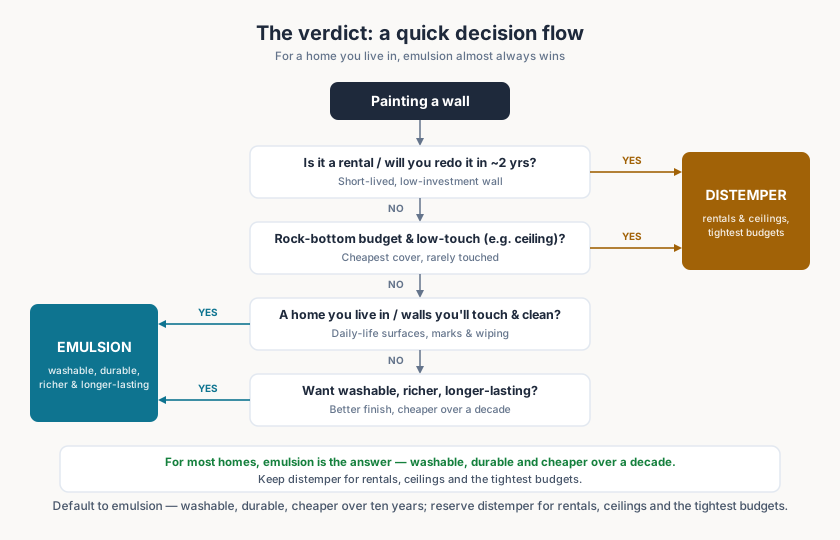
The shortcut: default to emulsion — washable, durable, richer and cheaper over a decade — and reserve distemper for rentals, ceilings and the tightest budgets. If you will redo the wall within a couple of years or it is a low-touch ceiling, distemper is fine; if you will live with and touch the wall, emulsion pays for itself. For sheens, types and application, see the interior paint guide.
Export this guide
Related Guides — Deep-dive reading
Interior Wall Paint: The Complete Guide for Indian Homes
Everything under the colour — the layers beneath the paint, the five types to choose from, why sheen matters more than you think, how much you actually need, and the order of work that separates a job that lasts from one that peels.
Wall FinishesPaint vs Wallpaper: Which Should You Choose?
The everyday all-rounder against pattern and personality — a head-to-head on cost, durability, moisture, installation and repair, where each wins, and a quick decision flow.
Wall FinishesCopper vs CPVC Pipes: Which to Use in India (2026)
A fair, India-first head-to-head: copper is the premium, decades-lasting, heat-proof metal that needs a skilled brazier and costs a fortune; CPVC is the cheaper, corrosion-proof, DIY-friendly plastic that has become the default modern Indian supply pipe. Cost, lifespan, heat, install skill, water quality, theft — and a clear verdict by use-case.
PlumbingRelated Tools — Try Free
Interior Budget Allocation Map
How ₹5L / ₹10L / ₹20L budgets should be distributed across rooms with visual charts and tier breakdown.
Reference GuideMaterial Comparison Sheet
India's interior material cheatsheet — plywood, finishes, hardware, countertops, paints, waterproofing.
Reference GuideHome Colour Studio
Colour every room — living, bedroom, dining, kitchen, bathroom — surface by surface in any HEX/RGB/CMYK colour, or from 80+ curated Indian shades.
Colour Studio