
B.Arch CurriculumFree, forever
A tribute to Amogh N P
Adaptive Reuse & Recycling
The elective that teaches a designer the greenest and most rooted way to build: not to demolish and start again, but to give an old building a new life and to design with recycled and reclaimed materials. It begins with adaptive reuse itself, its history and its theories, cultural inheritance and the whole range of heritage buildings and old structures, ascertaining a building's structural stability and estimating its prolonged life, the strategies of adaptive reuse and the investigation of its material finishes, and the central truth that the reuse of buildings is a key to sustainable development, because the greenest building is very often the one that already exists. It teaches the need for recycling of materials, the logic behind it and the recycling of steel and wood and glass, the estimation of the quality of recycled timber and the criteria for recycling steel and glass, and it clears the field's comfortable myths from the start, that reuse is always cheaper, that old buildings are unsafe, that everything is recyclable, and that reclaimed material is inferior, showing instead that steel and glass recycle almost infinitely with their qualities intact while many laminates and composites and contaminated mixes cannot be reused at all, that much recycling is really downcycling to a lower use, and that old reclaimed timber is often finer than new if it is graded and checked. It teaches the concept of sustainability and the need for conservation, the Earth Summit declaration and the definition of sustainable development, the economic and social and environmental issues and the green rating of buildings and the criteria for LEED, and architectural conservation, the conservation of heritage and important buildings, the levels of intervention from maintenance to preservation to restoration to reconstruction to adaptation, and the revival of old building techniques and finishes. It teaches the design generation process in adaptive reuse, the analysis of the existing structure and the importance of the building assessment report, the process of documentation and condition mapping in deciding design recommendations, the design logic and the role of the various parameters in concept generation, and the strategies for re-modelling. And it ends in adaptive reuse in practice, in the case studies and the industrial visit and the live reuse project, so that a student can take a tired old building and, with respect for its fabric and its memory and its embodied worth, give it a dignified and useful second life. Throughout, it treats the designer as a steward of both heritage and resources, keeping the past and saving the future in the same careful act.
Course byAmogh N P· Architect & interior designer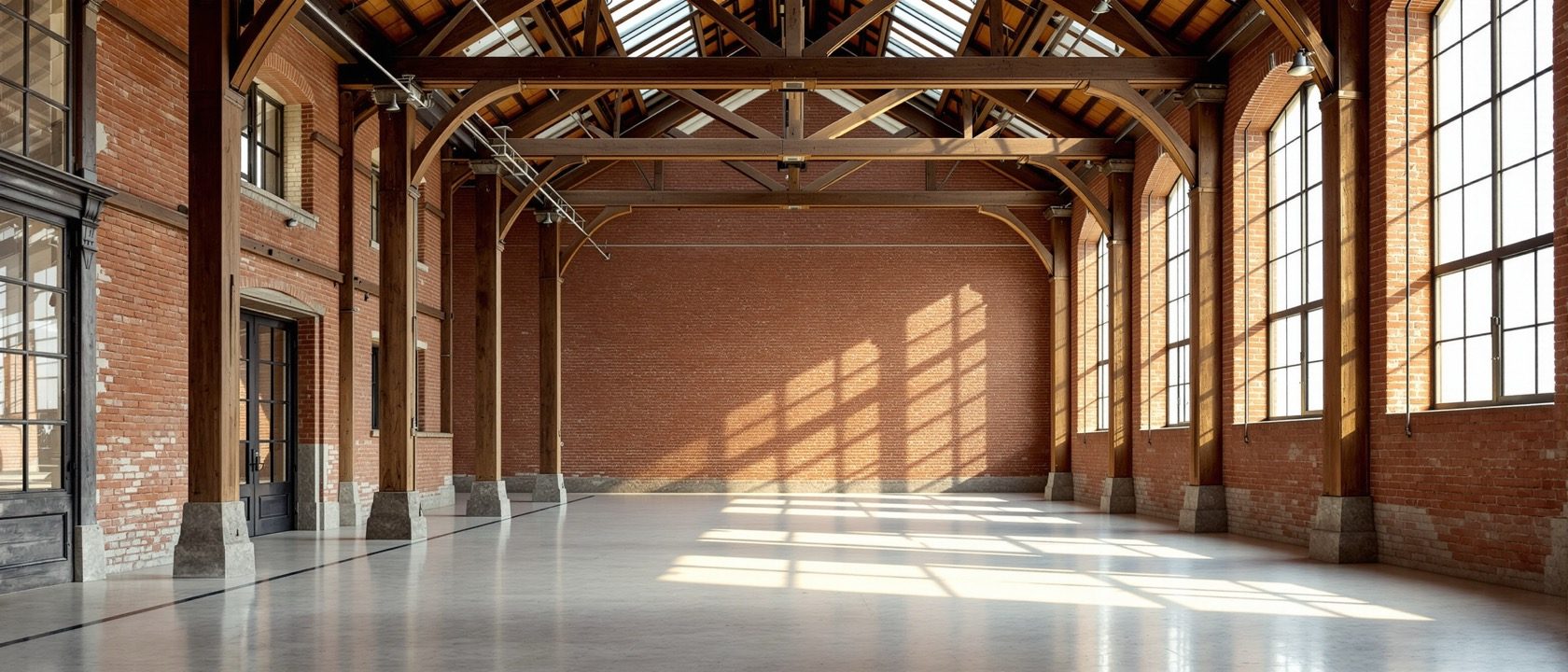
The syllabus
5 units · 5 liveGiving old buildings a new life, and designing with recycled and reclaimed materials — the greenest, most rooted way to build. Adaptive reuse and its history and theories, the need for recycling of materials, sustainability and the need for conservation, the design generation process, and reuse in practice. All 5 units are live as full interactive lessons, each with original zoomable diagrams, a self-assessment quiz and a study task — and each honest about the field: that the greenest building is very often the one that already exists (Elefante, 2007), because demolition throws away its embodied energy and carbon; that reuse is almost always greener but not always cheaper; that steel and glass recycle almost infinitely while many laminates, composites and mixes cannot be reused at all, and much "recycling" is really downcycling; that reclaimed timber is often finer than new if it is graded and checked; and that conservation does not mean freezing a building in time, because adaptation — giving it a viable new use — is a recognised conservation act. The designer is a steward of both heritage and resources.
Unit 1 — Introduction to Adaptive Reuse
LiveAn introduction to adaptive reuse — giving an old building a new use instead of demolishing it; its history and theories; cultural inheritance and the range of heritage buildings and old structures; ascertaining structural stability and estimating a building's prolonged life; and reuse as a key to sustainable development.
Unit 2 — The Need for Recycling of Materials
LiveThe need for recycling of materials — the logic behind it; the recycling of steel, wood and glass; estimating the quality of recycled timber and the criteria for recycling steel and glass; the difference between reuse, recycling and downcycling; and the honest truth that not everything can be reused.
Unit 3 — Sustainability & the Need for Conservation
LiveSustainability and the need for conservation — the Earth Summit declaration and the definition of sustainable development; economic, social and environmental issues; green rating and the criteria for LEED; architectural conservation, the levels of intervention, and the revival of old building techniques and finishes.
Unit 4 — The Design Generation Process
LiveThe design generation process in adaptive reuse — analysis of the existing structure; the building assessment report; documentation and condition mapping in deciding design recommendations; understanding the design logic and the parameters of concept generation; and the strategies for re-modelling.
Unit 5 — Adaptive Reuse in Practice
LiveAdaptive reuse in practice — learning from case studies of renovated and reused interiors; the industrial visit and expert talk; and the live reuse project, taking a real old building through survey, concept and re-modelling to a dignified second life, as a steward of heritage and resources.
Course outcomes
What you will be able to doUnderstand the basics of adaptive reuse and recycling and the need for both.
Understand the importance of heritage buildings and the treasures within that can be reused and recycled.
Be responsible to the environment and practise sustainable design through recycling and reuse.
Understand and differentiate the materials that can and cannot be reused.
Understand the natural materials that are abundant in the environment and how to use them well.
The author
Amogh N P
Architect, interior designer, and creative polymath. Studio Matrx began in his notebooks — his vision of design made honest, useful, and open to everyone. Its Academy is written and taught in his memory, and free, forever.
More about Amogh →What if the best new building is an old one?
Every year we demolish sound old buildings and throw away the decades of embodied energy, material and memory locked inside them — then spend a mountain of new carbon building their replacements. This elective teaches the alternative: adaptive reuse, giving an old building a dignified new life, and recycling, designing with reclaimed and recovered materials. It teaches adaptive reuse and its theories, cultural inheritance and the whole range of heritage buildings, and how to ascertain a building's structural stability and prolonged life; the logic of recycling and the honest limits of it — that steel and glass recycle almost infinitely while many materials cannot be reused at all, and that much 'recycling' is really downcycling; sustainability and conservation, from the Earth Summit and LEED to the levels of intervention and the revival of old techniques; the design generation process of surveying, assessing and re-modelling an existing structure; and reuse in practice, through case studies and a live project. Above all it teaches a way of seeing — a tired old building as not a problem to clear but a resource, a memory and an opportunity — and clears the myths that reuse is always cheaper, that old buildings are unsafe, that everything is recyclable, and that conservation freezes a building in time. Read the five units, try the reuse decoder and the material-reuse explorer, and learn to be a steward of both heritage and resources — keeping the past and saving the future in the same careful act.
The curriculum is free, forever