
Smart, Responsive & Kinetic ArchitectureVolume 1 · Issue 4 · September 2026
Smart, Responsive & Kinetic Architecture
Architecture that moves, senses and adapts — the building that does not sit still, the foundations of adaptive architecture, kinetic architecture (types of motion, deployable and transformable structures), responsive facades and envelopes (dynamic shading, adaptive and smart materials, climate-adaptive skins), smart and computational architecture (sensing, embedded computation, interactive/media), how it works (actuators, sensors, controls, the control system), transformable and flexible space (convertible rooms, moving walls and furniture, small-space transformation), designing the adaptive building (designing for movement, detailing moving joints, reliability/maintenance/failure, safety), performance/cost/value, reality/limits/honesty (kinetic-washing, when simpler is better, the maintenance graveyard, when movement earns its place), and practice and the future. Rigorous and honest — movement is seductive but over-sold; moving parts fail, cost and demand maintenance, and a simple fixed or hand-operated solution very often wins — for architects, interior designers and students. Defers the mechanical, structural, facade, controls and safety engineering of any moving system, and its reliability and maintenance regime, to qualified engineers, tested manufacturer systems and the governing codes (NBC India), treating forces, cycle-lives and costs as illustrative. India-aware, honouring the deep tradition of low-tech adaptive elements (jaali, shutters, verandahs, courtyards).
Course byAmogh N P· Architect & interior designer11 modules · 44 lessons · ~15 hrs · 44 of 44 lessons live

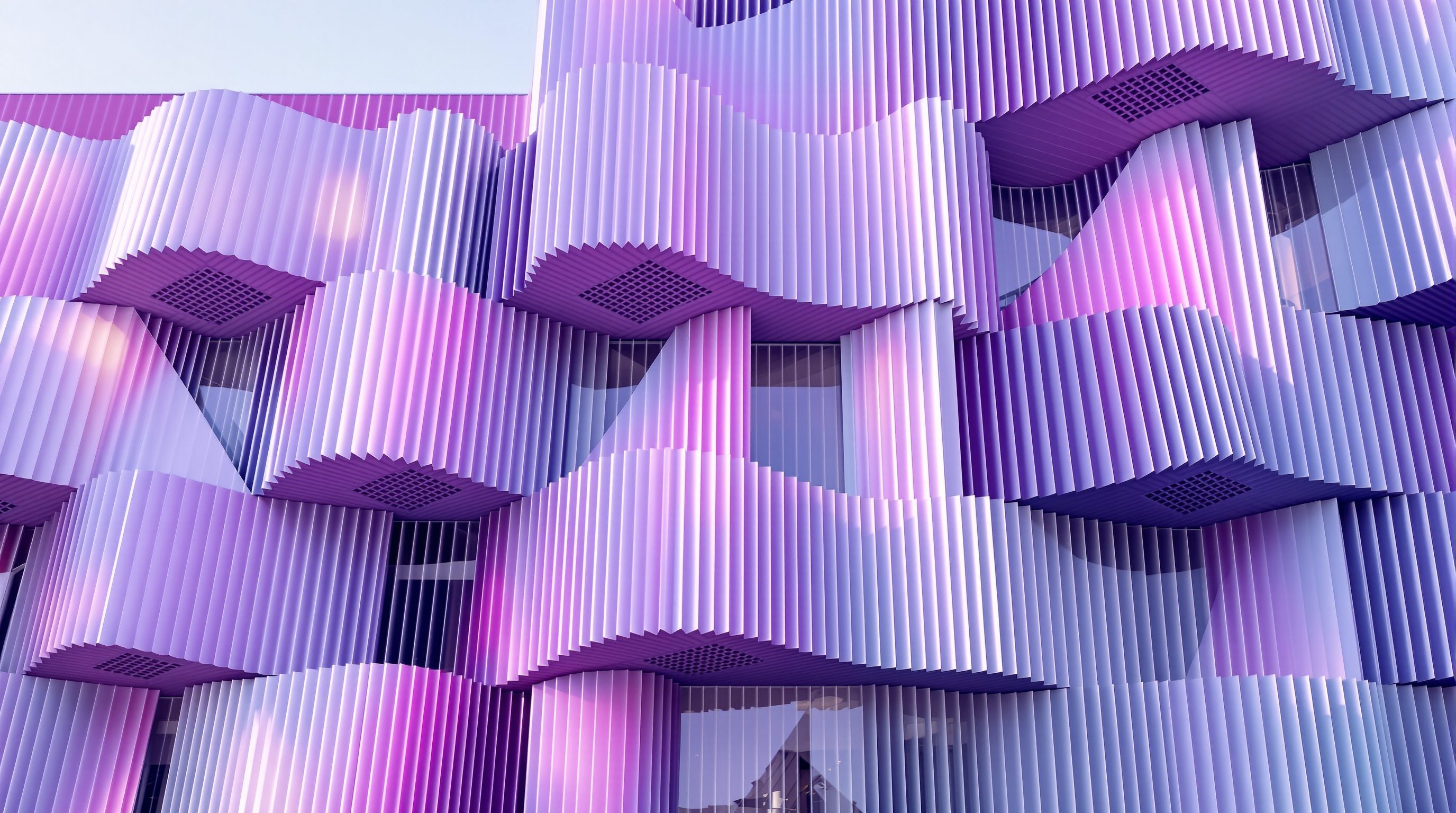 Module 0 · Architecture That Moves
0.1 · The Building That Doesn't Sit Still
Buildings are usually static while the world around them constantly changes. Adaptive architecture - kinetic (moves), responsive (adapts) and smart (senses and computes) - lets a building respond to sun, weather and use. This lesson frames the field, distinguishes its three strands.
Read itStart with Module 0 — Architecture That Moves
Free · open0.1 · The Building That Doesn't Sit Still
Open0.2 · Static vs Adaptive Architecture
Open0.3 · Smart, Responsive & Kinetic
Open0.4 · The Promise & the Peril of Moving Parts
Open0.✓ · Mastery check: Architecture That Moves
OpenWhat this course covers
The through-line- 1Foundations of Adaptive Architecture. Grounding the field: a short history of moving buildings, why adapt (the drivers and purposes), the adaptation spectrum, and manual versus automated versus intelligent adaptation.
- 2Kinetic Architecture. Architecture in motion: what kinetic architecture is, the types of motion, deployable and transformable structures, and moving whole buildings and elements.
- 3Responsive Facades & Envelopes. The skin that adapts: the responsive facade, dynamic shading and daylight control, adaptive and smart materials, and breathing, climate-adaptive skins.
- 4Smart & Computational Architecture. The building that senses and thinks: what makes a building smart, sensing the environment and occupant, embedded computation and interaction, and interactive and media architecture.
The full course ahead
11 modules · 44 lessons11 modules and 44 lessons, from the foundations through to practice — each lesson with a three-tier read, a hands-on workshop, hand-drawn figures and a scored mastery check.
0Module 0 · Architecture That Moves
LiveBefore any actuator: the building that does not sit still; static versus adaptive architecture; smart, responsive and kinetic distinguished; and the promise separated honestly from the peril of moving parts.
Module 0 · Architecture That Moves
LiveBefore any actuator: the building that does not sit still; static versus adaptive architecture; smart, responsive and kinetic distinguished; and the promise separated honestly from the peril of moving parts.
1Module 1 · Foundations of Adaptive Architecture
LiveGrounding the field: a short history of moving buildings, why adapt (the drivers and purposes), the adaptation spectrum, and manual versus automated versus intelligent adaptation.
Module 1 · Foundations of Adaptive Architecture
LiveGrounding the field: a short history of moving buildings, why adapt (the drivers and purposes), the adaptation spectrum, and manual versus automated versus intelligent adaptation.
2Module 2 · Kinetic Architecture
LiveArchitecture in motion: what kinetic architecture is, the types of motion, deployable and transformable structures, and moving whole buildings and elements.
Module 2 · Kinetic Architecture
LiveArchitecture in motion: what kinetic architecture is, the types of motion, deployable and transformable structures, and moving whole buildings and elements.
3Module 3 · Responsive Facades & Envelopes
LiveThe skin that adapts: the responsive facade, dynamic shading and daylight control, adaptive and smart materials, and breathing, climate-adaptive skins.
Module 3 · Responsive Facades & Envelopes
LiveThe skin that adapts: the responsive facade, dynamic shading and daylight control, adaptive and smart materials, and breathing, climate-adaptive skins.
4Module 4 · Smart & Computational Architecture
LiveThe building that senses and thinks: what makes a building smart, sensing the environment and occupant, embedded computation and interaction, and interactive and media architecture.
Module 4 · Smart & Computational Architecture
LiveThe building that senses and thinks: what makes a building smart, sensing the environment and occupant, embedded computation and interaction, and interactive and media architecture.
5Module 5 · How It Works: Mechanisms & Controls
LiveUnder the hood: actuators, motors and mechanisms; sensors, controls and feedback; the control system; and power, data and integration.
Module 5 · How It Works: Mechanisms & Controls
LiveUnder the hood: actuators, motors and mechanisms; sensors, controls and feedback; the control system; and power, data and integration.
6Module 6 · Transformable & Flexible Space
LiveSpace that changes: convertible and multi-use space, moving walls, floors and furniture, small-space transformation, and flexible buildings over time.
Module 6 · Transformable & Flexible Space
LiveSpace that changes: convertible and multi-use space, moving walls, floors and furniture, small-space transformation, and flexible buildings over time.
7Module 7 · Designing the Adaptive Building
LiveThe design craft: designing for movement, detailing moving joints and seals, reliability, maintenance and failure, and safety and the moving building.
Module 7 · Designing the Adaptive Building
LiveThe design craft: designing for movement, detailing moving joints and seals, reliability, maintenance and failure, and safety and the moving building.
8Module 8 · Performance, Cost & Value
LiveIs it worth it: does it actually perform, the cost of moving parts, energy and comfort trade-offs, and delight, experience and meaning.
Module 8 · Performance, Cost & Value
LiveIs it worth it: does it actually perform, the cost of moving parts, energy and comfort trade-offs, and delight, experience and meaning.
9Module 9 · Reality, Limits & Honesty
LiveThe honest ledger: kinetic-washing (gimmick versus substance), when simpler is better, the maintenance graveyard, and when movement truly earns its place.
Module 9 · Reality, Limits & Honesty
LiveThe honest ledger: kinetic-washing (gimmick versus substance), when simpler is better, the maintenance graveyard, and when movement truly earns its place.
10Module 10 · Practice & the Future
LiveTurning adaptive literacy into practice: the designer's role, getting started with adaptive design, adaptive architecture in India, and becoming an adaptive-literate designer.
Module 10 · Practice & the Future
LiveTurning adaptive literacy into practice: the designer's role, getting started with adaptive design, adaptive architecture in India, and becoming an adaptive-literate designer.
The author
Amogh N P
Architect, interior designer, and creative polymath. Studio Matrx began in his notebooks — his vision of design made honest, useful, and open to everyone. Its Academy is written and taught in his memory, and free, forever.
More about Amogh →