
 Lesson 7.3
Lesson 7.3 · Brand, Identity & Experience
Storytelling & Theming
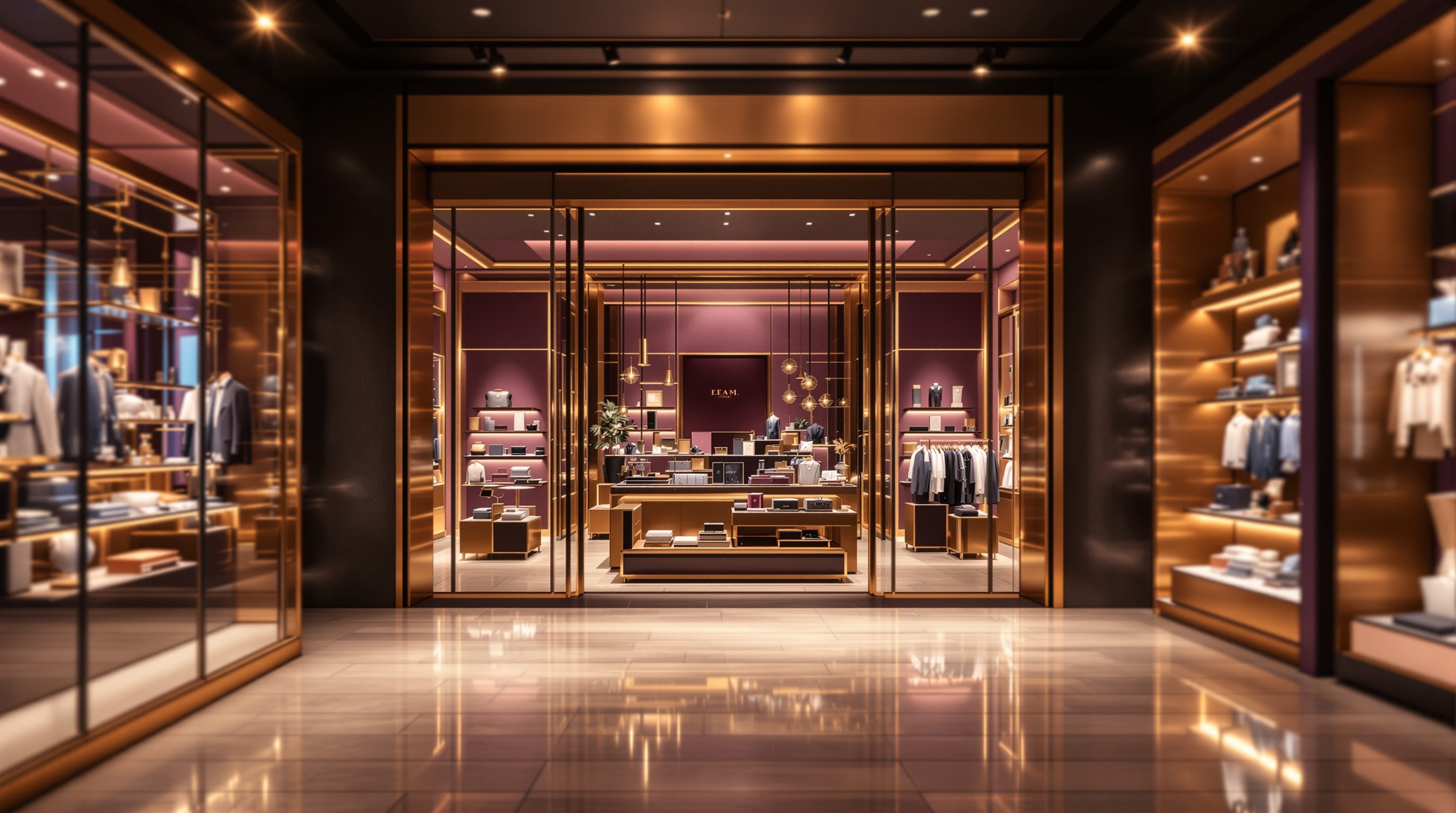
Every store tells a story whether you write it or not - so author a true one, express it in every detail, carry it unbroken from window to till, and stop before it tips into kitsch
A store with no story still tells one. It just tells a boring one - and the shopper hears it loud and clear.
People make sense of the world through stories, and a shopper crossing your threshold is reading one whether you wrote it or not: who is this brand, where does it come from, what does it believe, what world am I stepping into? A store with no authored narrative does not fall silent - it tells a flat, forgettable tale of a shop that sells some things, and the shopper walks out having felt nothing worth remembering. The only real choice is whether you author the story deliberately or leave it to accident.
Storytelling in retail is the craft of giving the store a true, clear narrative - a concept, a world, a point of view drawn from the brand's real origin, values, place or products - and then expressing it in every material, light, sign and gesture so the shopper feels it and carries it out of the door. Done well, it makes a store distinctive, memorable, shareable and loved, and it turns a collection of nice choices into a coherent whole. Done badly, it curdles into kitsch: overdone, literal, costume-like theming that shoppers quietly find embarrassing. This lesson is about telling the story well - from concept to detail, coherent from window to till, and always the right side of the kitsch line.
Author a true story, drive it into every detail, carry it window to bag - and stop before it turns to kitsch.
Every store tells a story - the only choice is whether you author it
Human beings make sense of the world through stories, and a shopper walking into a store is unconsciously reading one: who is this brand, where does it come from, what does it believe, what world am I stepping into, and do I want to belong to it? The store answers whether the designer intends it to or not. A space with no authored story still tells one - usually a flat, forgettable tale of "a shop that sells some things" - so the real choice is not whether the store tells a story but whether you write it deliberately or leave it to accident. Storytelling in retail is the craft of giving the store a clear narrative - a concept, a world, a point of view - and expressing it through the design so that the shopper feels it and remembers it.
A good retail story is not a literal fairy tale plastered on the walls; it is the brand's truth made into an experience. It usually grows from something real: the brand's origin (a family sweet shop, a founder's obsession, a craft tradition), its values (honesty, adventure, care), its place (a region, a city, a landscape, a culture), or the world its products belong to (the workshop, the kitchen, the mountain, the studio). From that seed the designer develops a concept that can organise every decision - the materials, the light, the fixtures, the graphics, the music, the language on the signs, the way staff dress and speak. The story becomes the answer to "why is it like this?" for every element, which is exactly what turns a collection of nice choices into a coherent, meaningful whole.
This matters commercially, not just poetically. A store with a clear story is more memorable, more distinctive against competitors selling similar goods, more shareable, and more able to command loyalty and price, because people buy meaning and belonging, not only objects. It also makes the design process sharper: a strong concept is a decision-making tool that rules choices in and out, prevents the store becoming a grab-bag of trends, and gives the whole team - architect, interior designer, graphics, lighting, brand - a shared north star. The lesson ahead is how to tell that story well: developing a real concept, expressing it in every detail, keeping it coherent from window to till, and staying the right side of the line between rich theming and embarrassing kitsch.
Every store tells a story whether you write it or not. An un-authored store tells a boring one.
From concept to detail - the story in everything
A story is only as good as its expression, and in retail the expression lives in the details. Once you have a genuine concept - say, a coffee brand whose story is "the journey of the bean, from a specific highland farm to your cup" - the craft is to let that concept quietly organise every design decision, so that dozens of small choices all say the same thing. The materials might echo the farm and the roastery: raw timber, sacking, worn metal, honest concrete. The layout might trace the bean's journey from green beans and origin stories at the front to roasting in view to the finished cup at the bar. The graphics and language might use the farmers' names and the altitude; the light might move from bright and agricultural to warm and intimate; even the staff aprons and the cup carry the tale. None of these shouts "story"; together they make one felt world.
The discipline here is that the concept must reach the details, or it is just a headline. Many stores have a nice idea in the pitch that evaporates on the floor: a bold concept board, then generic fixtures, off-the-shelf lighting and a logo as the only trace of the idea. The story is proved or broken in the smallest decisions - the door handle, the ticket, the bag, the fitting-room curtain, the shelf edge, the wording of a sign, the playlist - because the shopper reads all of them. Conversely, when the concept genuinely drives the details, even modest elements become expressive and the whole store feels authored and alive. A useful test for any element is to ask: does this belong to the story, could it be in this store and no other, or is it a generic default that could sit in any shop? Generic defaults are where stories leak away.
This is also where storytelling meets the earlier modules rather than replacing them. The concept does not overrule the selling machine or the commercial reality - it gives them a voice. The path (Module 5) can become the plot; the power wall (Module 4) can be the hero moment; the lighting and material (Module 6) can be the mood; the window (Module 3) can be the opening hook. Good storytelling makes the functional elements carry meaning, so the store sells and speaks at once. The designer's job is to hold the concept in mind through every detailing decision and to brief the whole team - graphics, lighting, VM, staff - to serve the same story, deferring binding specifics to code and the brand standard but never letting the story dissolve into generic defaults.
Coherence from window to till
A story only works if it holds together from beginning to end, and in a store that means coherence across the whole sequence, from the window to the till. The shopper experiences the store as a journey in time and space - drawn by the window, crossing the threshold, moving along the path, reaching the hero display, trying, deciding, paying, leaving - and the story should carry unbroken through all of it, like a film that never drops its world. The window is the opening hook that sets the tone and promises the world inside; the threshold is where the shopper crosses into that world and it should deliver on the window's promise; the path is where the story unfolds in chapters; the hero moments are its climaxes; and the checkout and the bag are the ending, the last note the shopper leaves on. A brilliant window that opens onto a generic interior, or a beautifully themed floor that ends at a tired, off-brand till, breaks the spell precisely where it matters.
Coherence does not mean sameness or monotony, any more than a good story tells the same sentence over and over. It means every part belongs to one world and moves the experience along - variety and surprise are welcome, contradiction is not. The designer choreographs a sequence with rhythm: an arresting opening, moments of discovery and calm, a climax at the hero product or brand moment, a satisfying close. Transitions matter: how one zone gives way to the next, how the story deepens as you go further in, how the back of the store rewards the journey rather than trailing off. Thinking of the store as a narrative sequence rather than a set of separate rooms is one of the most powerful design habits in this whole module, and it directly serves the selling logic too, since a store that pulls the shopper through a satisfying journey also exposes them to more merchandise and holds them longer.
The last note deserves special care because it is the one shoppers carry out of the door. The fitting room, the checkout, the packaging, the farewell, the bag they walk down the street with - these are the story's ending and its afterlife, and they are chronically neglected, treated as mere function after the "design" is done. But a coherent story that falters at the till leaves a sour final impression, while one that carries all the way through - a considered checkout, packaging that continues the world, a genuine thank-you - sends the shopper away inside the brand and turns them into a carrier of the story. Coherence from window to till, and out onto the street, is what separates a store that tells a story from one that merely has a themed corner.
Window = the hook. Path = the chapters. Hero = the climax. Till and bag = the ending. Never drop the plot.
Theming done well versus kitsch
Theming - giving a store a strong, distinctive world - is powerful, but it lives next door to its own worst version: kitsch, the overdone, literal, costume-like theming that makes a store feel like a cheap film set. The difference is not the strength of the theme but its honesty and craft. Theming done well is usually suggested rather than shouted, expressed through genuine materials, real light, considered proportion and authentic detail, so the world feels true and grown rather than stuck on. A store inspired by the sea might use weathered timber, rope, a palette of sand and slate, salt-white light and the right acoustics; the same idea done as kitsch bolts plastic fish, netting, a ship's wheel and a cartoon anchor onto a generic box. The first is a world you believe; the second is a costume you see through, and worse, that shoppers quietly find embarrassing.
Several traps lead to kitsch, and the designer should know them. Being too literal - illustrating the theme with props instead of evoking it through material and space. Being inauthentic - claiming a story the brand cannot back, so the theming reads as fancy dress rather than truth. Overdoing it - so much theming that it overwhelms the merchandise, fights the shopping, and exhausts the eye; the goods, after all, are still the point, and theming that buries them fails commercially as well as aesthetically. And chasing novelty - a heavily themed store dates fast and is expensive to refit, whereas a story expressed through good materials and light ages far better. Restraint is usually the mark of confidence: a strong concept expressed with discipline reads as more, not less, than a weak concept smothered in decoration.
The honest test is whether the theming serves the brand, the shopper and the sale, or only the designer's cleverness. Good theming makes the brand more itself, helps the shopper understand and enjoy the store, and shows the merchandise to advantage; kitsch serves a gimmick, gets in the way, and cheapens the goods. There is also a cultural dimension, especially in India, where theming can either honour a real heritage - regional craft, materials, motifs and hospitality expressed with authenticity and respect - or slide into a flattened, touristic pastiche that reduces a rich culture to cliche. The designer's responsibility is to theme from truth and with craft. Tell the brand's real story, express it through genuine material, light and detail, keep it coherent from window to till, let it show the goods rather than smother them, and stop before it tips into costume. That is storytelling and theming at its best - and it sets up the last lesson, where the same brand story must survive being built as a flagship, a standard store and a concession.
Brand design standards & concept
The brand's story, concept guidelines, tone of voice and visual language
The narrative should serve and sit within the brand's own story and standards - author from truth, not from a borrowed theme. Lessons 7.1, 7.4.
Signage, graphics & shopfront regulations
The story's window and signage are also regulated
Express the narrative within the size, illumination and heritage/precinct rules - defer to local bye-laws and an authority. Module 3.
Intellectual property & cultural rights
Motifs, imagery, music, characters and licensed or cultural material
Themes drawing on IP, licensed content or living cultures must respect rights and avoid pastiche - defer to legal advice and theme from genuine heritage. Module 8.
Workshop — author a store's story
Storytelling is a craft of concept and coherence. In this workshop you will develop a true narrative concept for a real brand and take it all the way to the details and the sequence, then test it against the kitsch line.
A brand with a real story and a sketchbook. This is about authoring and detailing a narrative, not building it; no software needed.
Goal: a store narrative from concept to detail, coherent window to till
Inputs: a brand with a genuine origin, place or point of view + this lesson + a sketchbook
Time: ~60 minutes
- 1Find the true seed: identify the brand's real story - its origin, values, place or the world its products belong to - and write the concept in one or two sentences. It must be something the brand can honestly stand behind, not a borrowed theme.
- 2Drive the details: list how the concept would shape materials, fixtures, colour, light, graphics, language and even staff and packaging - and, for three specific elements (a sign, a fixture, the bag), show how each expresses the story rather than being a generic default.
- 3Sequence the narrative window to till: sketch the story as a journey - the window hook, the threshold, the chapters along the path, the hero moment, and the ending at the fitting room, checkout and bag - so the plot never breaks.
- 4Test coherence: check that every zone belongs to one world and that the neglected ending (till, packaging, farewell) carries the story out of the door. Mark and fix any point where the spell would break.
- 5Run the kitsch check: for each strong theming move, ask whether it is suggested through genuine material and light or bolted on as a literal prop, whether it shows or smothers the merchandise, and whether it would still feel true in two years. Pull back anything that reads as costume.
You’ll walk away with
A one-page story concept: the true seed, how it drives specific details, the window-to-till sequence, and a coherence-and-kitsch verdict. Keep it - developing and detailing a true concept is the skill that makes a store feel authored.
Three altitudes on the same idea
Read the band that fits you — or all three.
The story should be in the architecture, not applied to it afterwards, so the concept belongs in the architect's brief from the start. The volume, the way daylight enters, the sequence from entrance to depth, the materiality of the shell and the shopfront can all embody the narrative structurally - a threshold that genuinely feels like crossing into another world, a section that stages the journey - which reads as far more authentic than theming stuck on the surface. Develop or receive the concept early and let it shape the bones; a story built into the architecture ages better and resists kitsch. Coordinate with the interior, graphics and lighting teams so all serve one narrative, and defer binding specifics to code and the brand standard.
Telling the story through the details is squarely your craft - it is where the concept is proved or lost. You translate the narrative into materials, fixtures, colour, light, graphics, language and the choreography of the path, and you hold it coherent from window to till, including the neglected ending at the fitting room, checkout and bag. Test every element against the story - does it belong to this store and no other, or is it a generic default? - and resist the slide into kitsch by suggesting the world through genuine material and light rather than literal props. Make the theming show the merchandise, not smother it, brief the whole team to one story, and specify for graceful ageing over novelty.
Learning to read and author the story of a store trains a designer's most powerful synthetic skill. In every store you visit, ask what story it is telling, whether it is authored or accidental, and whether the concept reaches the details or evaporates after the entrance. Notice where the plot breaks - the brilliant window onto a generic interior, the themed floor and the tired off-brand till - and study stores that carry one world unbroken from window to bag. Train your eye for the kitsch line: what feels true and grown versus what feels like a costume. Practise developing a concept from a brand's real origin or values, and expressing it in concrete details; it is the habit that pulls the whole discipline together.
“Theming a store means picking a fun theme and decorating the space to match it with lots of props and eye-catching set-pieces - the stronger and more obvious the theme, the better.”
Do it yourself
No tools needed - reason it through.
- 1Explain why 'every store tells a story whether you write it or not', and what a good retail story is usually made from.
- 2What does it mean to say the concept 'must reach the details, or it is just a headline'? Give an example of an element that would betray a concept if left generic.
- 3Describe coherence from window to till as a narrative sequence, and explain why the ending (fitting room, checkout, bag) is so often neglected and so important.
- 4Distinguish theming done well from kitsch, and name three traps that lead a designer into kitsch.
- 5Why does restraint often read as confidence in theming, and how should theming relate to the merchandise?
The one line to carry out
Peer-reviewed journals & authoritative standards
- 01Storytelling — Wikipedia — Storytelling, 2026.
- 02Retail design — Wikipedia — Retail design, 2026.
- 03Experience economy — Wikipedia — Experience economy, 2026.
- 04Visual merchandising — Wikipedia — Visual merchandising, 2026.
A brand story is one thing to author on paper - and quite another to keep intact when the same brand is built as a lavish flagship, a rolled-out standard store and a small concession. Next: the formats of retail and holding the brand across a fleet.
The author
Amogh N P
Architect, interior designer, and creative polymath. Studio Matrx began in his notebooks — his vision of design made honest, useful, and open to everyone. Its Academy is written and taught in his memory, and free, forever.
More about Amogh →