
B.Arch CurriculumFree, forever
A tribute to Amogh N P
Concept of Building Structures
How buildings stand up. From the great structural systems — load-bearing, framed, RCC and steel — through the loads they must carry and the materials that resist them, to the RCC and steel components themselves, and the mechanics of force, stress and the bending of a beam. With original diagrams, live calculators and real case studies of failure and success.
Course byAmogh N P· Architect & interior designer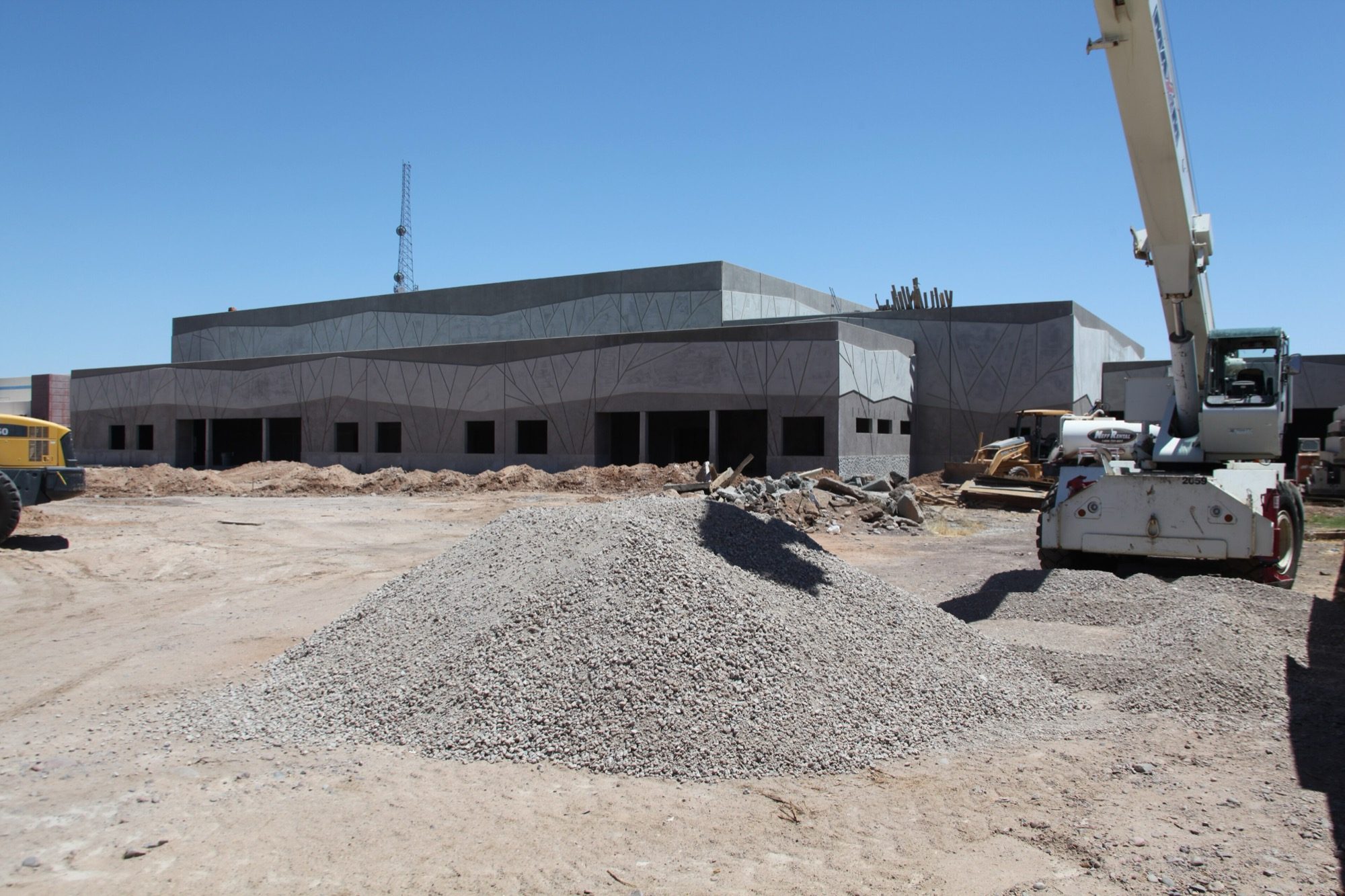
The syllabus
5 units · 5 liveTranscribed from the official B.Arch syllabus. All 5 units are live as full interactive lessons — with original diagrams, live calculators and a self-assessment quiz.
Unit 1 — Introduction to Structures
LiveTypes of structural systems — load-bearing, masonry, framed, RCC and steel; the development of structural systems from history to current and futuristic concepts.
Unit 2 — Basic Structural Concepts & Materials
LiveTypes of load — dead, live, wind, earthquake/seismic and their combinations; the general properties of structural materials — steel, concrete, RCC, timber, brick and stone.
Unit 3 — RCC Building Components
LiveStructural specification of materials and components — beams (plinth, lintel, sill, roof, cantilever), slabs (one-way, two-way, cantilever), columns and types, footings, and the RCC staircase.
Unit 4 — Steel Building Components
LiveTypes and properties of structural steel; rolled steel sections; tension members; compression members.
Unit 5 — Structural Mechanics & Case Studies
LiveResolution of force; stress and strain; tensile, compressive and shear stress; bending moment and shear force for various loads and supports; design considerations and case studies of notable failures and successes.
Course outcomes
What you will be able to doUnderstand the main types of structural system and how they have been used in historical and contemporary architecture.
Analyse the loads acting on a building and the properties of structural materials — steel, concrete, RCC, timber, masonry.
Apply a knowledge of RCC building components — beams, slabs, columns, footings, stairs — and their specifications.
Understand the types and properties of structural steel, including rolled sections and tension and compression members.
Analyse the principles of structural mechanics — stress, strain, shear and bending — and evaluate case studies of failure and success.
Apply structural design considerations sensibly in real architectural projects, in dialogue with the engineer.
Image credits
Verified Commons / Public-DomainEvery photograph is a verified Creative-Commons or Public-Domain work from Wikimedia Commons, used with attribution. The diagrams and calculators are original Studio Matrx work.
- Construction worker on steel framing of hollywoodHUB at Hollywood Transit Center, Portland, Oregon (January 2026) — PortlandAppraisalBlog, CC BY-SA 4.0
- 262 Fifth Avenue October 21 2024 horizontal — BruceSchaff, CC BY-SA 4.0
- Museu de Arte Moderna Parque das Esculturas Salvador Bahia Escada 2021-8207 — Paul R. Burley, CC BY-SA 4.0
- 2021-Lausanne-Flon-travaux-03 — MHM55, CC BY-SA 4.0
- Förbindelselgången June 2025 01 — ArildV, CC BY-SA 4.0
- Dülmen, Bahnhofsbrücke -- 2026 -- 1166-8 — Dietmar Rabich, CC BY-SA 4.0
- Eiffel Tower from north Avenue de New York, Aug 2010 — Julie Anne Workman, CC BY-SA 3.0
- Chiller City Tilted Concrete building under construction — ChillerCity, CC BY-SA 3.0
- Lion and Lamb House, Farnham — Martinvl, CC BY-SA 4.0
- 2022 Space frames of the TRA Taichung Station — SSJF01, CC BY-SA 4.0
- Concrete Mixture at a construction site — iMahesh, CC BY-SA 4.0
- Rebar worker — Tomas Castelazo, CC BY-SA 3.0
- Concrete building under construction - panoramio — macrolepis, CC BY 3.0
- Pouring concrete for a base slab under the 43rd St Bridge 07-30-2019 (48441365646) — MTA Capital Construction Mega Projects, CC BY 2.0
- Pratt Truss Bridge -- Deer Park — Jim Evans, CC BY-SA 4.0
- HollywoodHUB under construction with tower crane at Hollywood Transit Center, Portland, Oregon (January 2026) — PortlandAppraisalBlog, CC BY-SA 4.0
The author
Amogh N P
Architect, interior designer, and creative polymath. Studio Matrx began in his notebooks — his vision of design made honest, useful, and open to everyone. Its Academy is written and taught in his memory, and free, forever.
More about Amogh →Learn how buildings stand up.
Systems, loads, RCC and steel, and the mechanics of force and bending — read the five units top to bottom, play with the calculators, then test yourself.
The curriculum is free, forever