
B.Arch CurriculumFree, forever
A tribute to Amogh N P
Climatology & Building Physics
Designing with climate, not against it. Read climate and India's six climatic zones; understand thermal comfort and the adaptive comfort of naturally-ventilated buildings; calculate heat flow through the envelope (U-values, thermal mass); set out solar geometry and size shading devices; and drive comfort with natural ventilation and passive design. Four live calculators — U-value, adaptive comfort, overhang shading and stack ventilation.
Course byAmogh N P· Architect & interior designer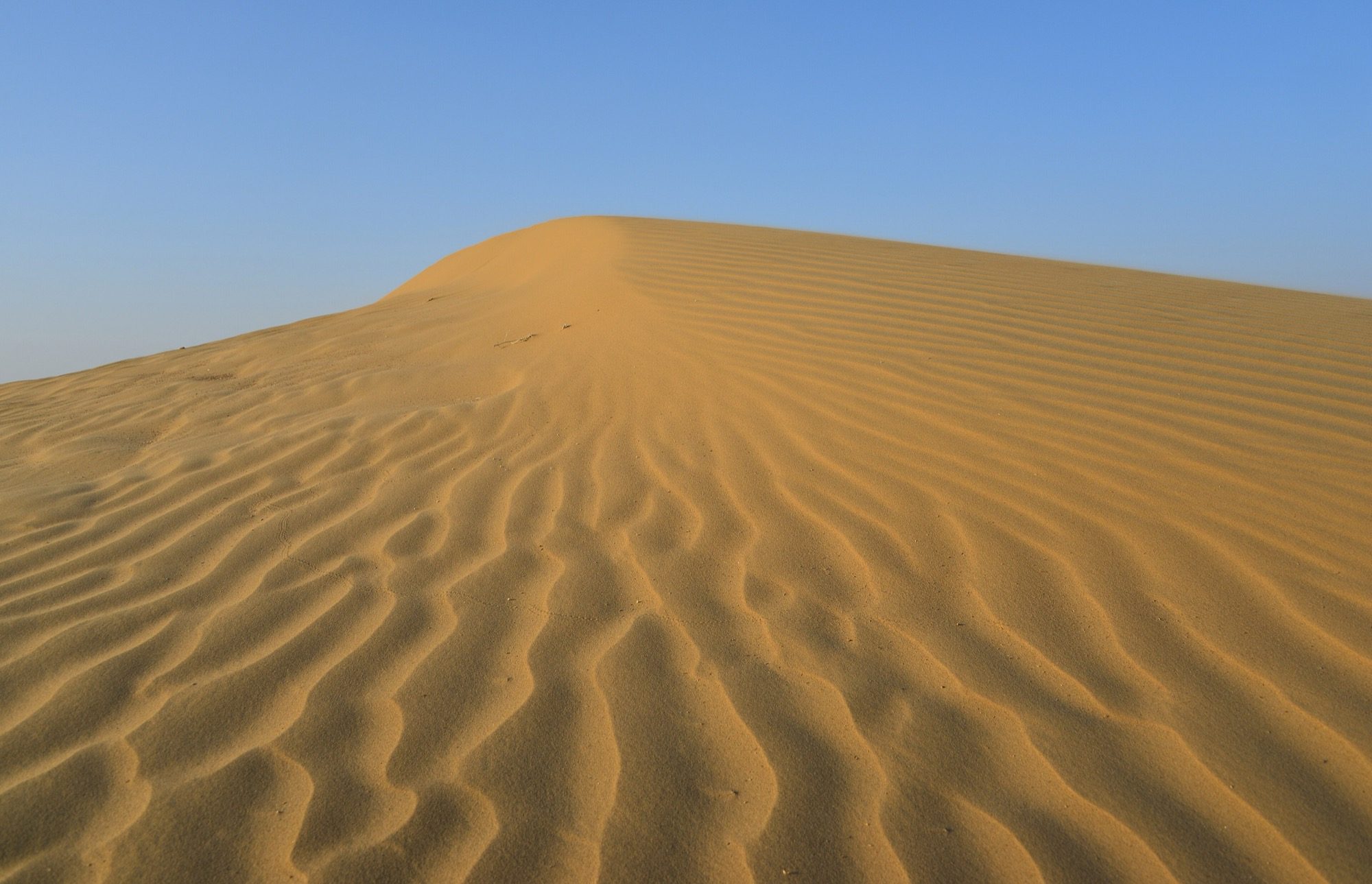
The syllabus
5 units · 5 liveTranscribed from the official B.Arch syllabus. All 5 units are live as full interactive lessons — with original diagrams, four live building-physics calculators and a self-assessment quiz.
Unit 1 — Climate & Climatic Zones
LiveThe elements of climate (sun, temperature, humidity, rain, wind) and the factors that modify them; India's six climatic zones (NBC/SP 41) and their criteria; macroclimate vs microclimate, the urban heat island, and design implications by zone.
Unit 2 — Thermal Comfort
LiveThe body's heat balance; the six factors of comfort (air temperature, mean radiant temperature, humidity, air velocity, clothing, activity); comfort indices, the bioclimatic chart, and the adaptive comfort model for naturally-ventilated buildings. With a live adaptive-comfort calculator.
Unit 3 — Heat Flow Through Buildings
LiveConduction, convection and radiation through the envelope; thermal conductivity, resistance and the U-value; thermal mass, time lag and decrement factor; the sol-air temperature. With a live U-value calculator.
Unit 4 — Solar Geometry & Shading
LiveSolar angles (altitude, azimuth, declination, hour angle) and the sun's seasonal path; the sun-path diagram; horizontal and vertical shadow angles; and the design of shading devices — overhangs, fins and egg-crates. With a live overhang-shading calculator.
Unit 5 — Ventilation & Passive Design
LiveNatural ventilation — wind-driven cross ventilation and buoyancy-driven stack effect; air changes per hour; passive design by climate and the vernacular devices (courtyard, jaali, windcatcher); daylighting and passive solar heating. With a live stack-ventilation calculator.
Four live calculators
Validated against worked examplesU-value
Add up the layers and surface films → the wall's thermal transmittance.
Adaptive comfort
Outdoor temperature → the neutral temperature and comfort band.
Overhang shading
Window height and shadow angle → the overhang depth to size.
Stack ventilation
Opening, height and ΔT → buoyancy airflow and air changes per hour.
Course outcomes
What you will be able to doDescribe the elements of climate and classify India's climatic zones with their design implications.
Explain thermal comfort, its six factors, and the adaptive comfort of naturally-ventilated buildings.
Calculate heat flow through building elements (U-value) and reason about thermal mass and time lag.
Set out solar geometry and design shading devices for a given orientation and latitude.
Apply natural ventilation and passive-design strategies appropriate to each climate.
Choose a climate-responsive design strategy for a building in a given Indian zone.
Image credits
CC / Public DomainEvery photograph is a verified Creative-Commons or Public-Domain work from Wikimedia Commons, used with attribution. The hand-drawn diagrams are original Studio Matrx work.
- Dunes, Désert du Thar — Clément Bardot, CC BY-SA 4.0
- Tsogskor (48984939193) — Chris Hunkeler from Carlsbad, California, USA, CC BY-SA 2.0
- Azadirachta indica tree located near the entrance of the Rai Bahadur Kalyan Singh Charitable Trust in Amritsar, Punjab, India, 8 April 2023 — MaplesyrupSushi, CC BY-SA 4.0
- 188, Fontainhas - 19th-20 century (4275533861) — urbzoo, CC BY 2.0
- A classroom in the Faculty of Architecture, FUASK — Kambai Akau, CC BY-SA 4.0
- Corridor in Ground floor of OU arts college — iMahesh, CC BY-SA 4.0
- Stone Wall Chorten Zangla Zanskar Jun24 A7CR 00979 — This Photo was taken by Timothy A. Gonsalves. Feel free to use my photos, but please mention me as the author. I would much appreciate if you send me an email tagooty@yahoo.com or write on my talk page, for my information. Please contact me before commercial use. Please do not upload an edited image here without consulting me. I would like to make corrections only at my own source to ensure that the changes improve the image and are preserved.Otherwise you may upload an edited image with a new name. Please use one of the templates derivative or extract., CC BY-SA 4.0
- Pared de adobe I — Juan Carlos Fonseca Mata, CC BY-SA 4.0
- Strom Thurmond Federal Building and United States Courthouse, Assembly Street and Laurel Street, Columbia, SC - 53395917128 — w_lemay, CC BY-SA 2.0
- Courtyard of the Ranthambhore Heritage Haveli Hotel (54364280395) — Mustang Joe, CC0
- Kashan city in 2012 Iran Sony Photography-free In Wikipedia CC 14 — Mostafameraji, CC BY-SA 4.0
- Lal Qila (Red Fort) 071 — Anupamg, CC BY-SA 4.0
The author
Amogh N P
Architect, interior designer, and creative polymath. Studio Matrx began in his notebooks — his vision of design made honest, useful, and open to everyone. Its Academy is written and taught in his memory, and free, forever.
More about Amogh →Design with the climate.
Read the climate, keep the heat where you want it, shade the sun and move the air. Read the five units and drive the calculators.
The curriculum is free, forever