
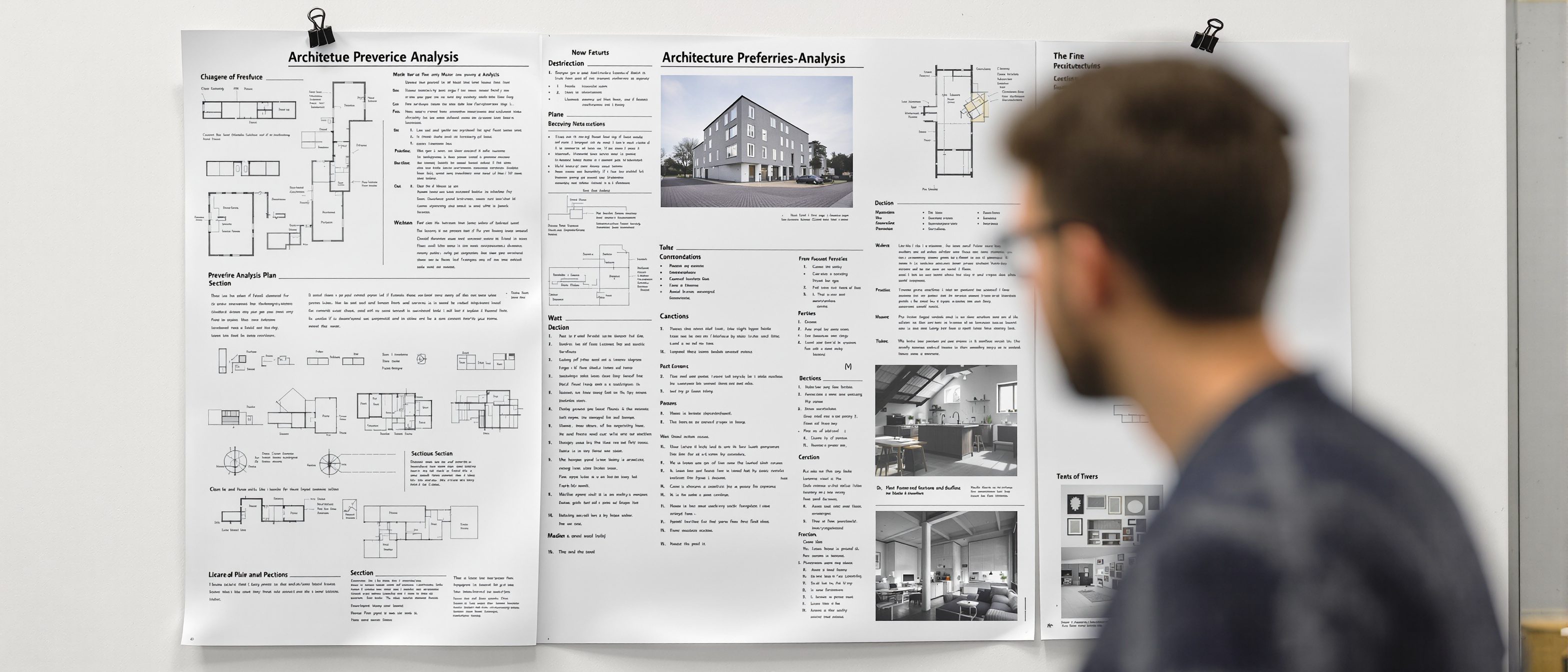
Precedent Study
Learn from the best buildings — without copying them.
No architect designs from a blank slate. We learn from the buildings before us — not to copy them, but to extract transferable ideas: how a plan is organised, how light enters, how structure and space agree. Precedent study is how you build that library in your head.
Learning objectives
By the end of this lesson, you will be able to — mapped to the course outcomes for Building Materials & Construction I:
Explain why we study precedents — to learn, not to copy.
Analyse a building through its formative ideas and parti (Clark & Pause).
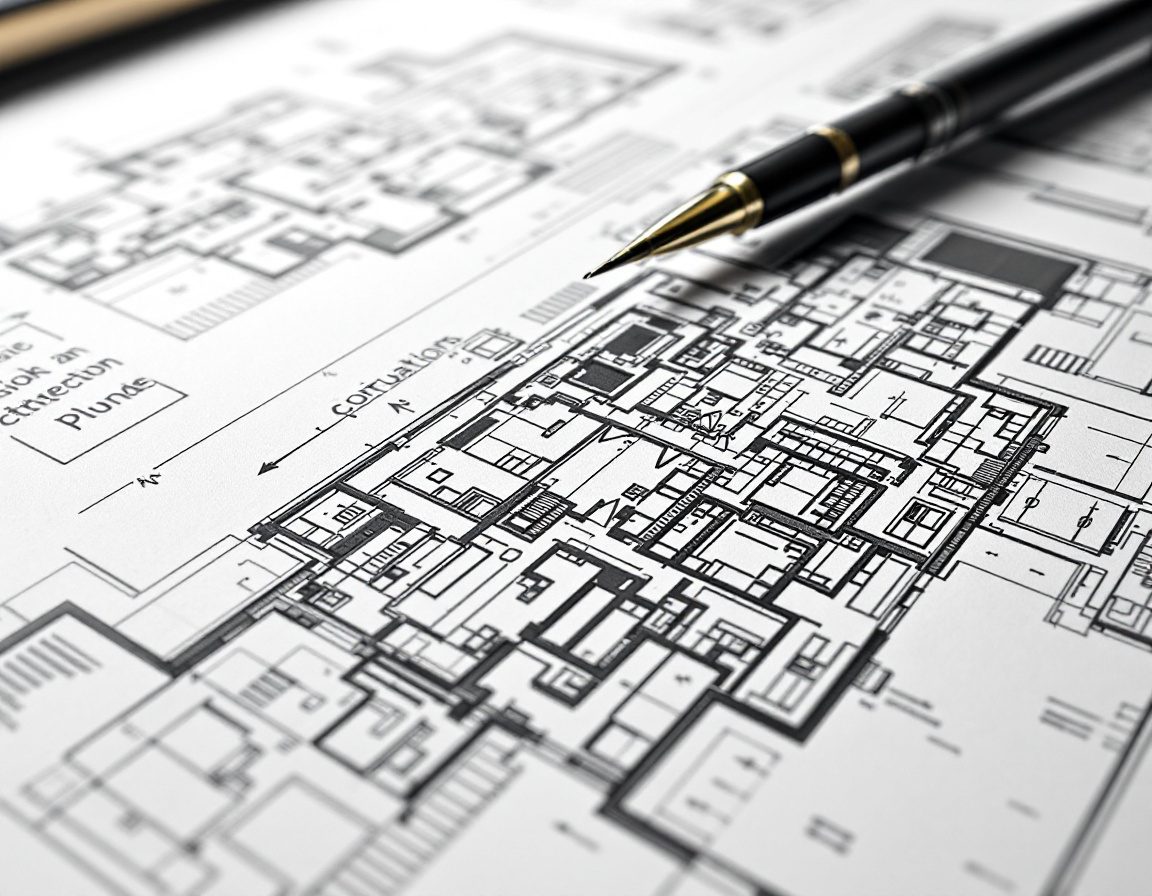
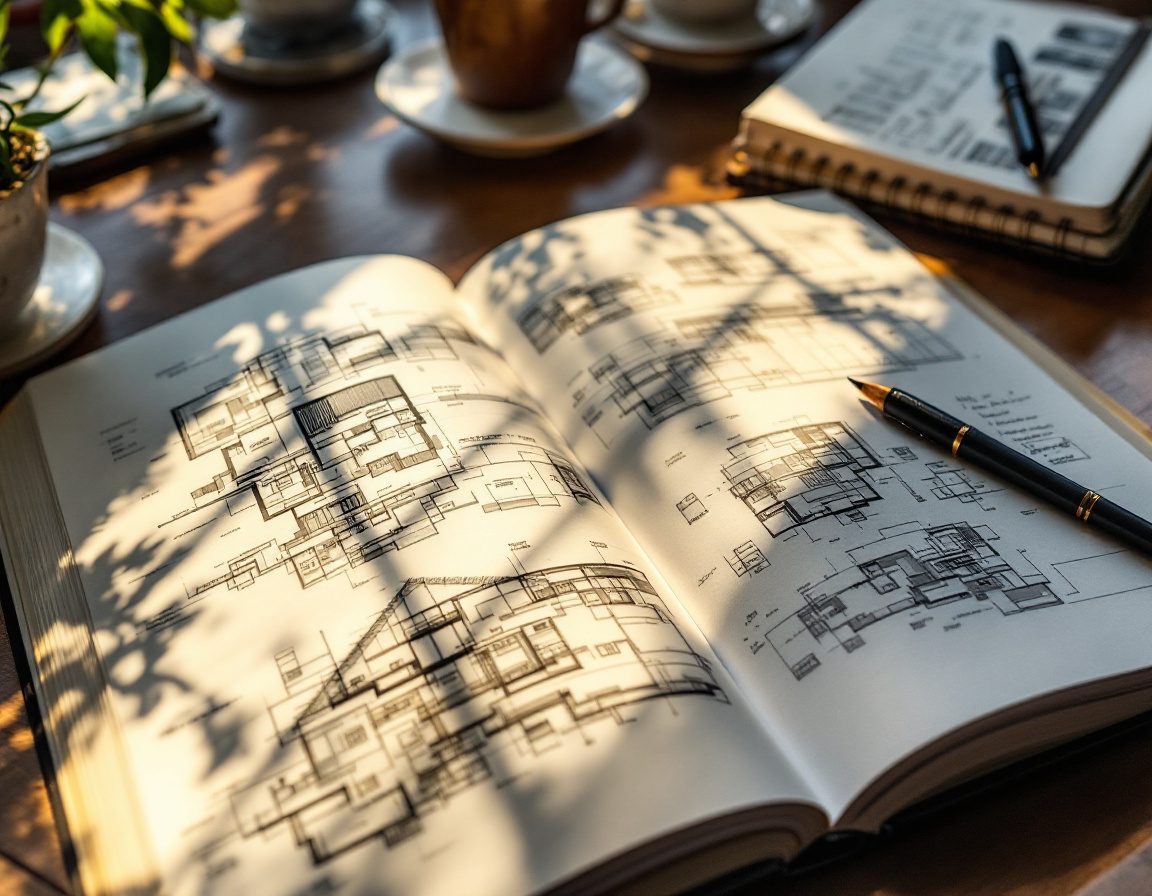
Draw analytic diagrams — parti, circulation, structure, light.
Extract a transferable lesson and apply it to your own design.
Take a building apart
The method (Clark & Pause): analyse a building through a set of analytic diagrams — its parti, circulation, structure, light and geometry — each stripping away detail to reveal one idea.[1, 2]
The deepest of these is the parti — the single organising idea. Reduce a scheme (yours or a precedent's) to one diagram; most resolve to one of these five families.
What to look for
Read a building through these lenses — and connect them to the elements and principles from the Theory of Architecture: Concepts lesson. Select a lens.
Parti — the organising idea
What is the single big idea that organises the building? Reduce it to one diagram. Everything else hangs from it.[2]
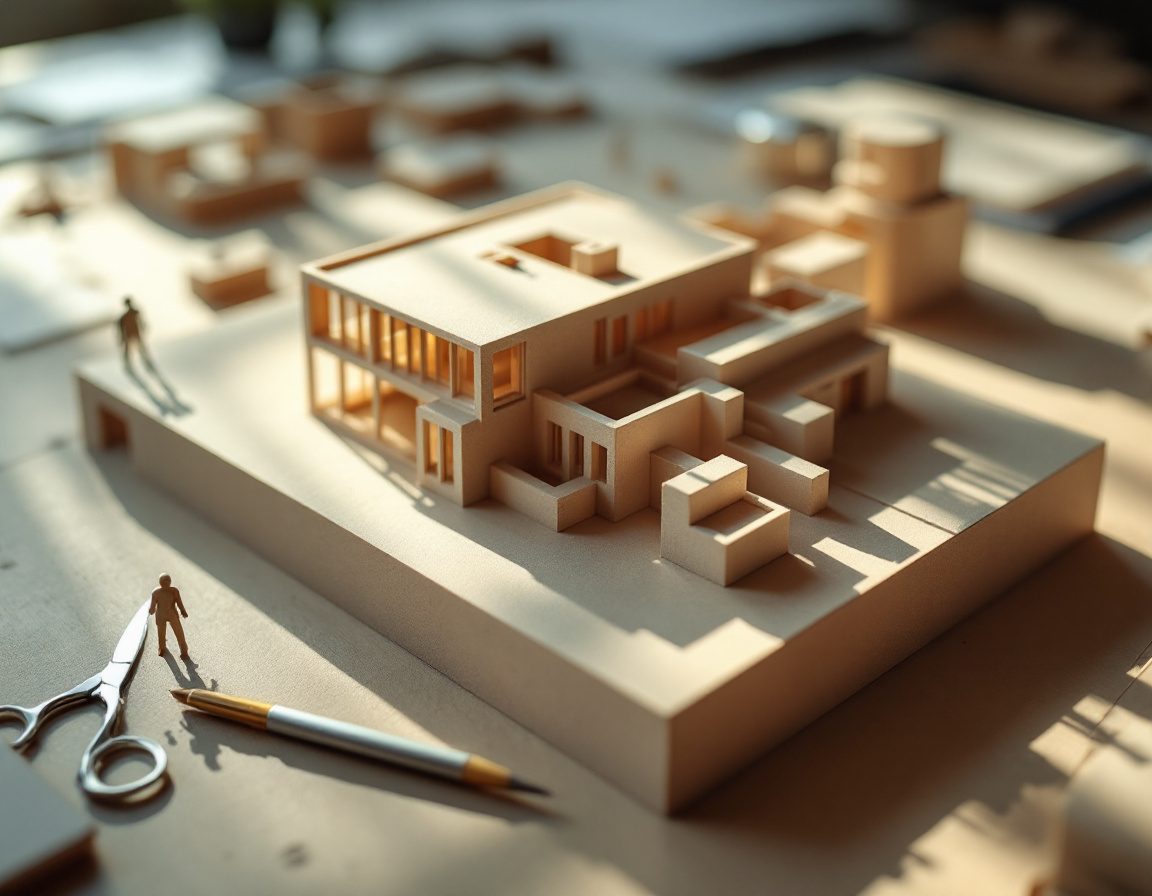
Two lenses worth diagramming on their own: how the path meets the spaces, and how daylight enters in section.

Self-assessment
1. A precedent study is about:
2. Clark & Pause analyse buildings through their:
3. Which is a 'formative idea' you would diagram in a precedent?
Recap
References & further reading
- [1]Precedent study in studio pedagogy — purpose and method. Archisoup; peer-reviewed studio-pedagogy paper. https://www.archisoup.com/studio-guide/precedent-study-guide
- [2]Clark, R.H. & Pause, M. Precedents in Architecture: Analytic Diagrams, Formative Ideas, and Partis (4th ed., Wiley, 2012). https://www.wiley.com/en-us/Precedents+in+Architecture:+Analytic+Diagrams,+Formative+Ideas,+and+Partis,+4th+Edition-p-9781118170847
Further reading
- Clark, R.H. & Pause, M. (2012). Precedents in Architecture (4th ed.). Hoboken, NJ: Wiley.
- Unwin, S. (2020). Analysing Architecture (5th ed.). Abingdon: Routledge.
- Ching, F.D.K. (2014). Architecture: Form, Space and Order (4th ed.). Hoboken, NJ: Wiley.
Sources gathered and fact-checked June 2026. Published values vary by source, sample and method — treat as indicative and confirm against the cited standard before structural use.
The author
Amogh N P
Architect, interior designer, and creative polymath. Studio Matrx began in his notebooks — his vision of design made honest, useful, and open to everyone. Its Academy is written and taught in his memory, and free, forever.
More about Amogh →