

Nature & Man — Architecture as Interface
Shelter, the human measure, climate and the spirit of place.
A building stands between us and the world — it is the interface between the human being and nature. It begins as shelter, is measured by the body, answers its climate, and, at its best, gives a place its very identity. This lesson follows that thread from the first hut to the spirit of place.
Learning objectives
By the end of this lesson, you will be able to — mapped to the course outcomes for Building Materials & Construction I:
Explain architecture's primal role as shelter, and the myth of the primitive hut.
Use the human body as the measure of architectural scale (anthropometry, the Modulor).
Show how vernacular architecture responds to climate and site.
Describe genius loci (spirit of place) and biophilia.
Architecture begins as shelter
In 1753 the abbé Laugier imagined the primitive hut — early humans building instinctively from tree trunks and branches to escape the sun and rain — and argued all architecture should return to those essentials: column, beam, pediment.[1]
The body is the measure
Architecture is sized to the human body. Anthropometry fits doors, stairs and reach to our dimensions; Le Corbusier's Modulor made the body itself the unit of proportion. (Modern practice pairs it with diverse anthropometric data, not one idealised figure.)[2]
Interface, climate & the spirit of place
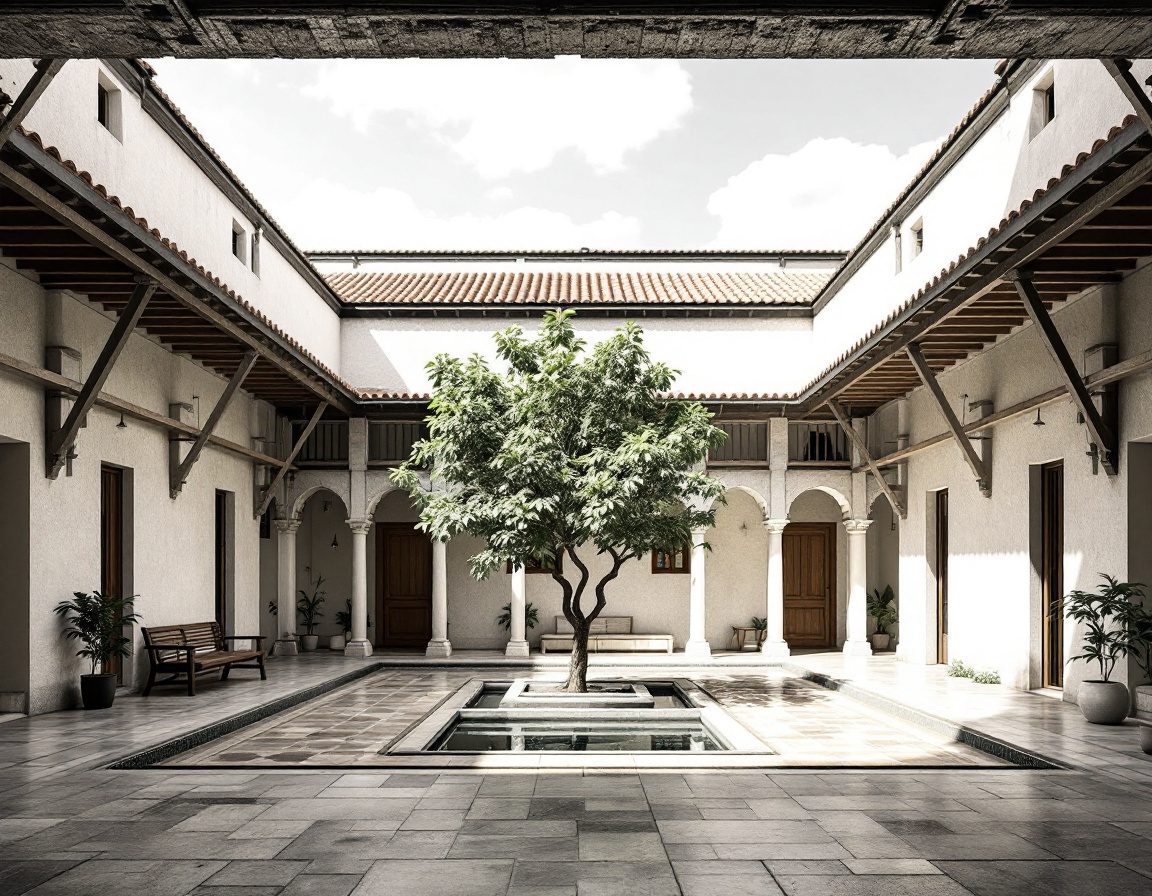
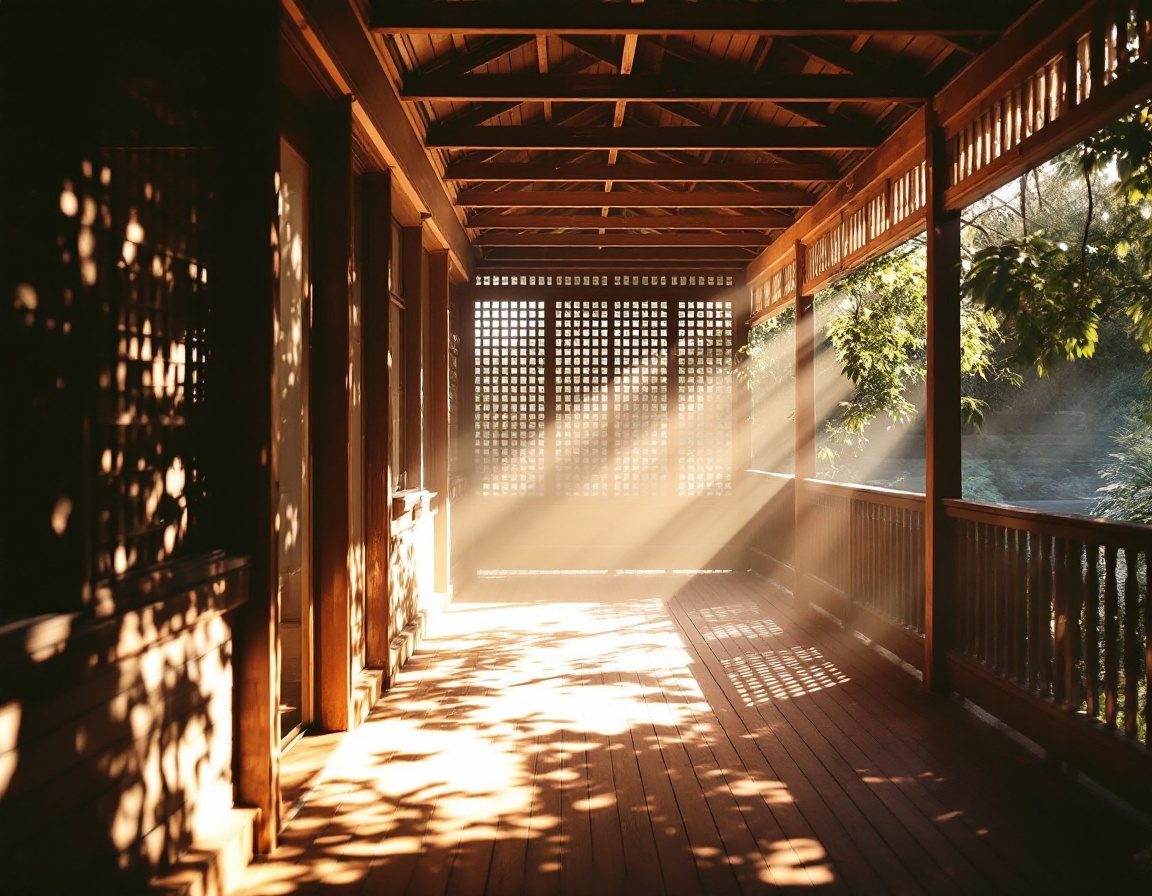
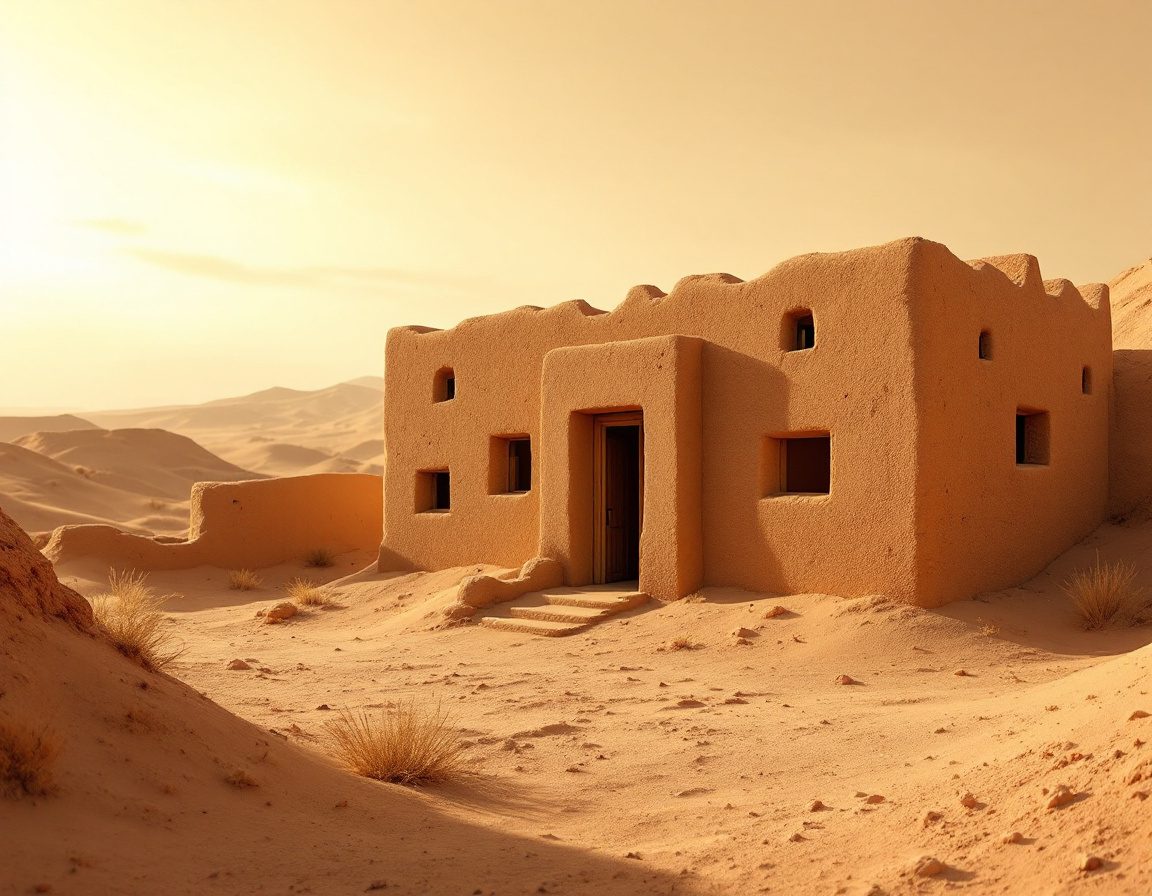
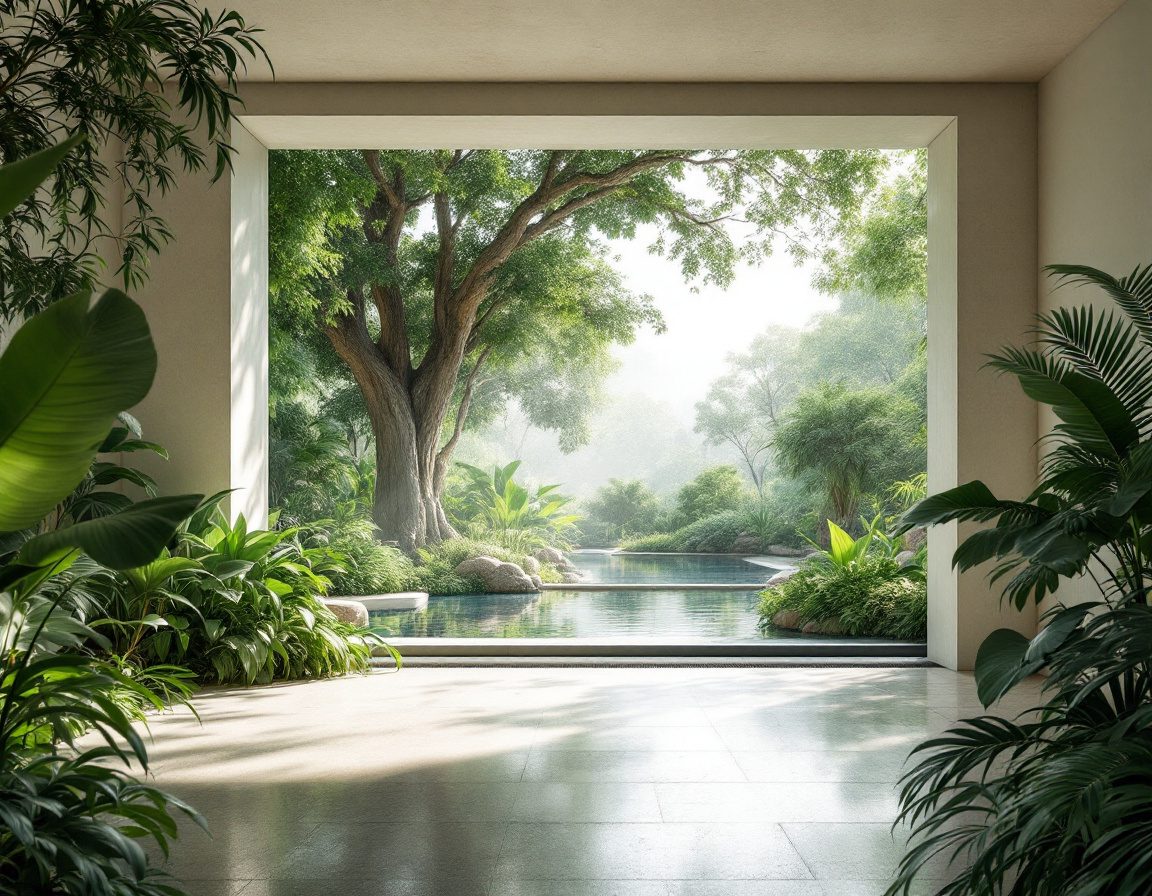
The envelope mediates between comfort inside and sun, wind and rain outside — and vernacular architecture does it beautifully, with orientation, courtyards and thermal mass. Beyond comfort, architecture gives a place identity (genius loci) and answers our innate pull toward nature (biophilia). Select a theme below.
Shelter — the primal purpose
Architecture begins as shelter. Laugier's 'primitive hut' (1753) imagined early humans building instinctively to escape sun and rain — and argued architecture should return to those essentials: column, beam, pediment.[1]
Self-assessment
1. Whose 'primitive hut' framed architecture's origin as shelter?
2. Le Corbusier's Modulor based architectural proportion on:
3. 'Genius loci' means:
Recap
References & further reading
- [1]Laugier, M-A. An Essay on Architecture (1753; 2nd ed. with frontispiece 1755) — the primitive hut. https://en.wikipedia.org/wiki/The_Primitive_Hut
- [2]Le Corbusier. The Modulor (Harvard University Press / Faber, 1954); and Neufert, E., Architects' Data (1931– ) — the human measure. https://en.wikipedia.org/wiki/Modulor
- [3]Passive strategies in vernacular architecture (climate response — courtyard, thermal mass, orientation). Buildings 13(8):1984, 2023. https://www.mdpi.com/2075-5309/13/8/1984
- [4]Norberg-Schulz, C. Genius Loci: Towards a Phenomenology of Architecture. New York: Rizzoli, 1980. https://archive.org/details/geniuslocitoward0000norb
- [5]Wilson, E.O. Biophilia (Harvard UP, 1984); Kellert, S. et al. Biophilic Design (Wiley, 2008). Biophilia is a hypothesis / design framework. https://www.wiley.com/en-us/Biophilic+Design
Further reading
- Norberg-Schulz, C. (1980). Genius Loci: Towards a Phenomenology of Architecture. New York: Rizzoli.
- Rapoport, A. (1969). House Form and Culture. Englewood Cliffs, NJ: Prentice-Hall.
- Kellert, S., Heerwagen, J. & Mador, M. (2008). Biophilic Design. Hoboken, NJ: Wiley.
- Laugier, M-A. (1753). An Essay on Architecture.
Sources gathered and fact-checked June 2026. Published values vary by source, sample and method — treat as indicative and confirm against the cited standard before structural use.
The author
Amogh N P
Architect, interior designer, and creative polymath. Studio Matrx began in his notebooks — his vision of design made honest, useful, and open to everyone. Its Academy is written and taught in his memory, and free, forever.
More about Amogh →