
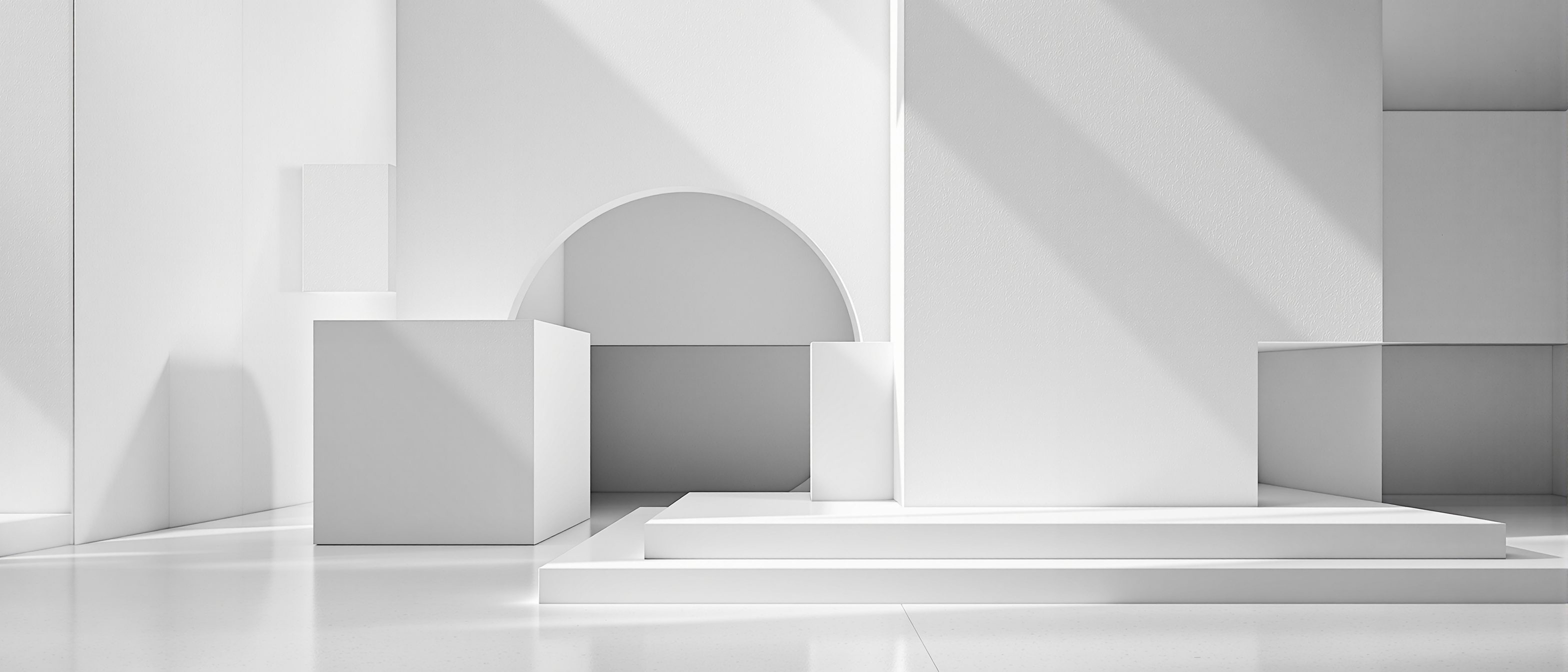
The Elements of Architecture
The visual vocabulary — and what makes a building good.
Before style, before structure, architecture is made of a few elemental things — a point, a line, a plane, a volume — and the spacethey shape. Learn this vocabulary and you can read any building. Then meet the oldest test of whether a building is any good, written two thousand years ago.
Learning objectives
By the end of this lesson, you will be able to — mapped to the course outcomes for Building Materials & Construction I:
Identify the primary elements — point, line, plane, volume — and how each grows from the last.
Describe form (shape, size, colour, texture) and space (positive and negative, enclosure).
Explain Vitruvius's three qualities of good architecture.
Read a building as a composition of these elements.
The primary elements
Each element grows from the one before. Select one to study it.
Point
Marks a position in space. It has no dimension — it is static, centred and directionless, but it can anchor a composition (a column, a fountain, a focal object).[1]
Reading a building
Once you see the elements, you see them everywhere — the line repeated into rhythm, mass that reveals scale, material that gives form its character, and the void carved from solid.
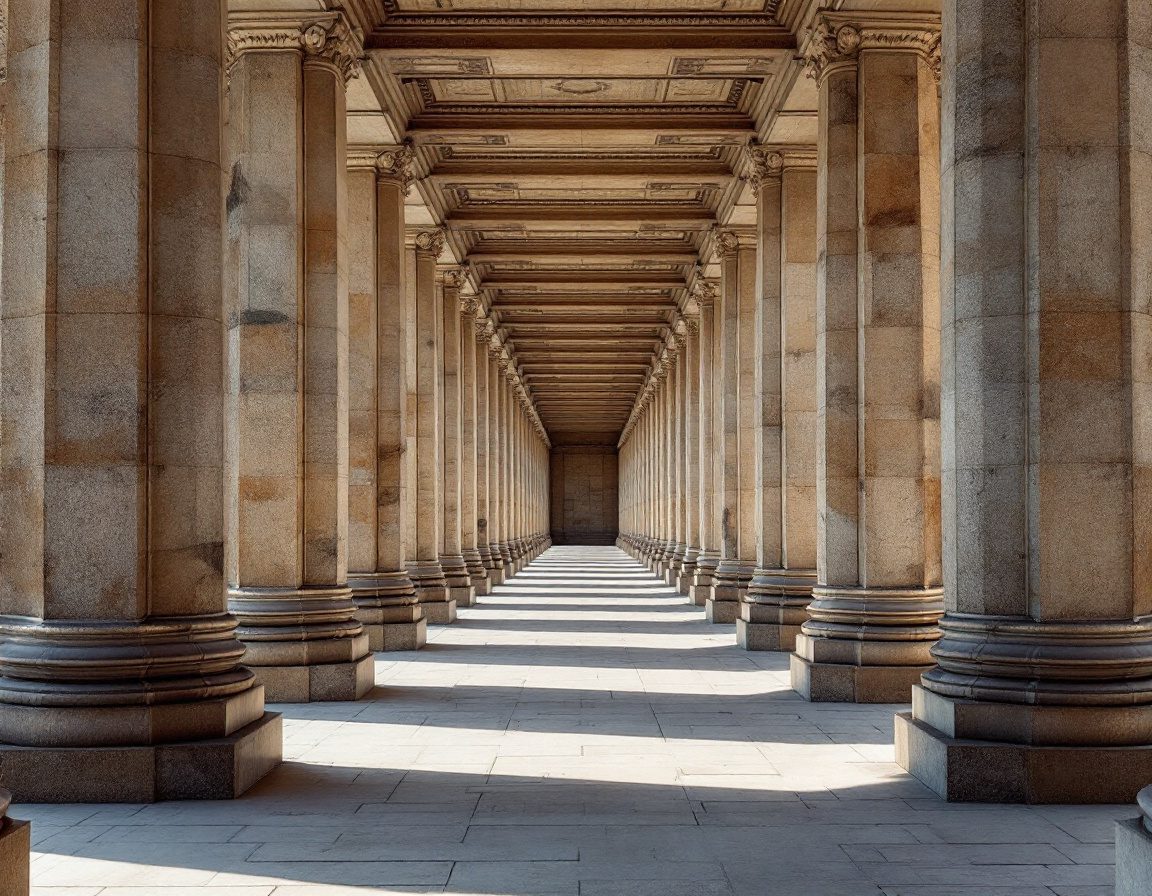


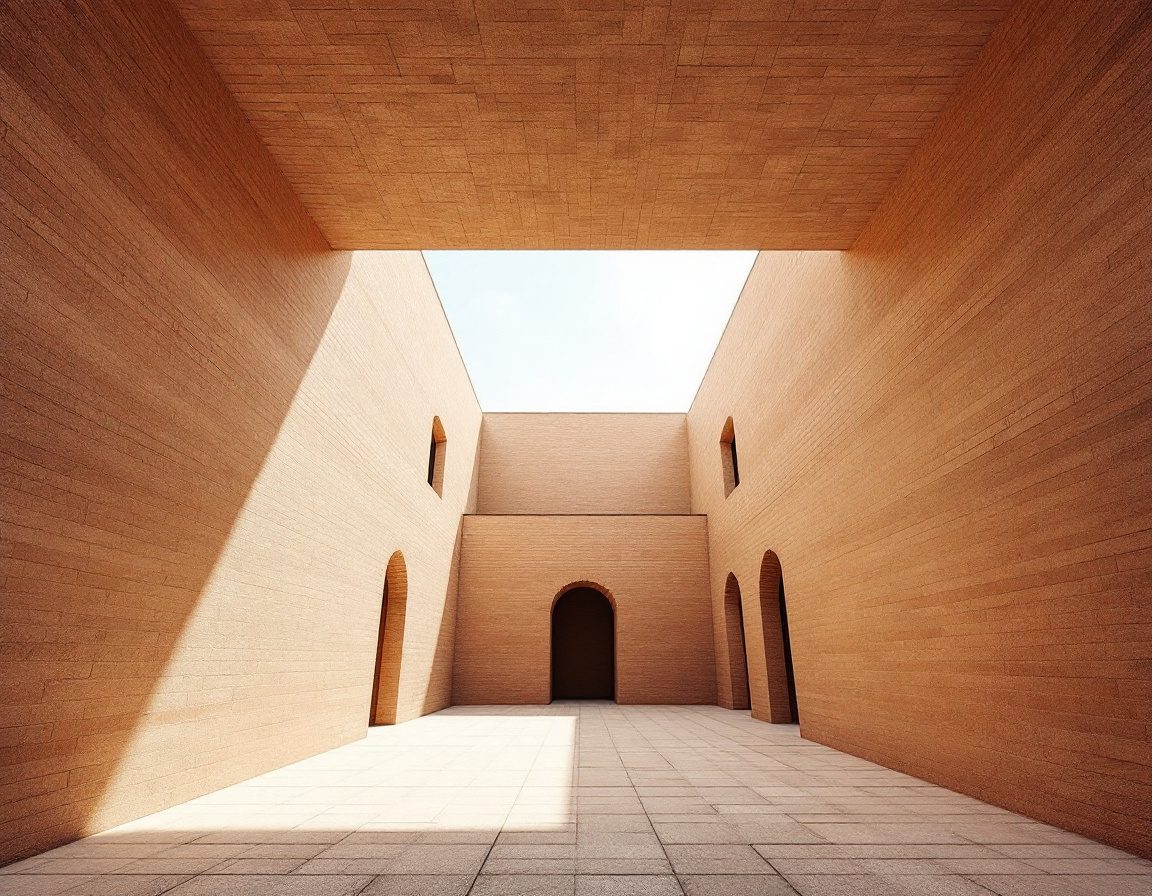
What makes a building good?
In the 1st century BCE the Roman architect Vitruvius set a test that still holds: a good building needs all three of these at once — and famously rendered into English by Henry Wotton in 1624 as “firmness, commodity and delight.”[2, 3]
Firmitas — firmness
Structural soundness and durability: the building must stand and last.
Utilitas — commodity
Usefulness: it must serve its purpose and accommodate its users well.
Venustas — delight
Beauty: it must please and move those who see and use it.
Self-assessment
1. In Ching's progression, a line extended in a direction other than its own becomes a…
2. Vitruvius's three qualities of good architecture are:
3. “Negative space” in architecture means:
Recap
References & further reading
- [1]Ching, F.D.K. Architecture: Form, Space and Order (4th ed.). Hoboken: Wiley, 2014 — the standard text on the elements and ordering of architectural form. https://www.wiley.com/en-us/Architecture%3A+Form%2C+Space%2C+and+Order%2C+4th+Edition-p-9781118745083
- [2]Vitruvius. The Ten Books on Architecture (trans. M.H. Morgan). New York: Dover, 1960 (orig. 1st c. BCE) — firmitas, utilitas, venustas. https://en.wikipedia.org/wiki/De_architectura
- [3]“Firmness, commodity and delight” — Sir Henry Wotton's 1624 rendering of Vitruvius's triad (a loose translation, not literal Latin). https://en.wikipedia.org/wiki/Firmness,_commodity,_and_delight
Further reading
- Ching, F.D.K. (2014). Architecture: Form, Space and Order (4th ed.). Hoboken, NJ: Wiley.
- Vitruvius (1960). The Ten Books on Architecture (trans. M.H. Morgan). New York: Dover.
- Unwin, S. (2014). Analysing Architecture (4th ed.). Abingdon: Routledge.
Sources gathered and fact-checked June 2026. Published values vary by source, sample and method — treat as indicative and confirm against the cited standard before structural use.
The author
Amogh N P
Architect, interior designer, and creative polymath. Studio Matrx began in his notebooks — his vision of design made honest, useful, and open to everyone. Its Academy is written and taught in his memory, and free, forever.
More about Amogh →