
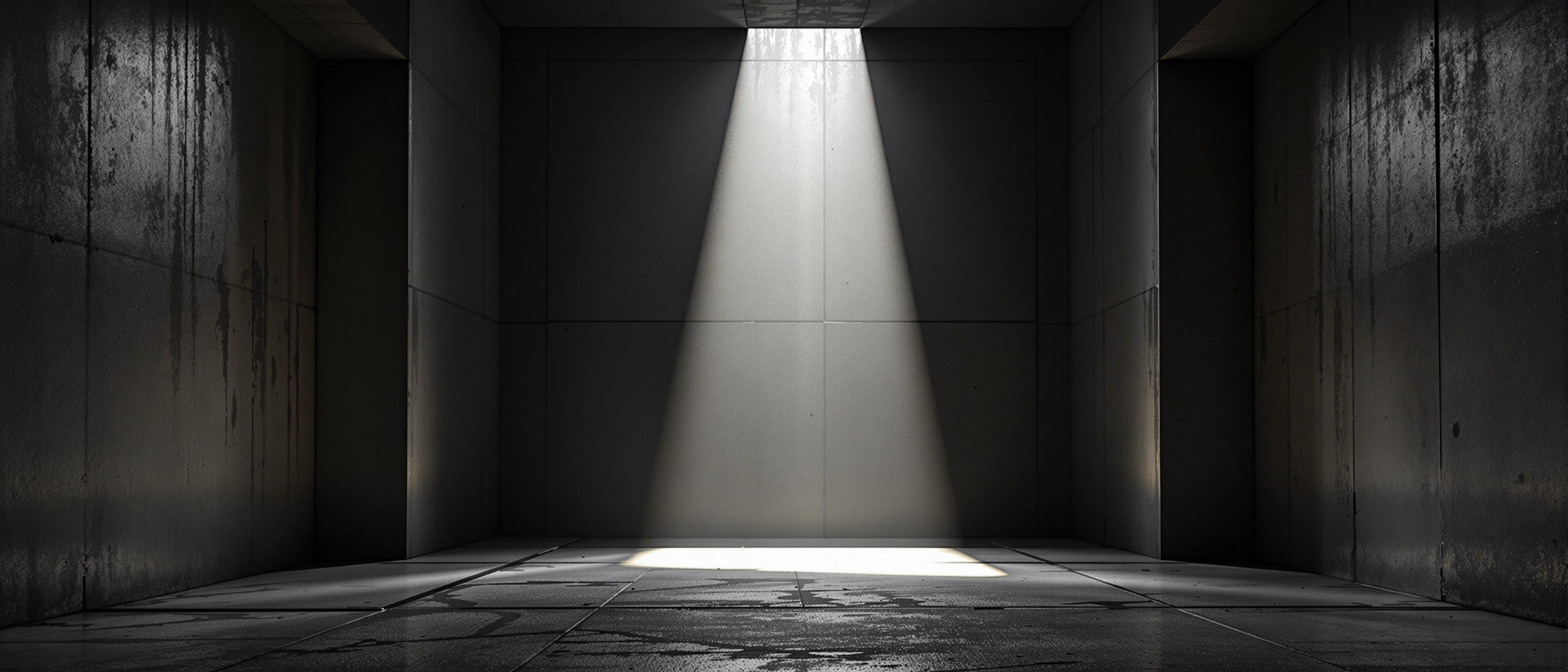
Expression & Experience
How architecture is perceived, felt and moved through.
A drawing shows a building; only the body knows it. Architecture is experienced — over time, in motion, through every sense — and it expresses character and meaning as it does so. This lesson is about that felt life of architecture: light, materials, perception, movement, and the atmosphere of a place.
Learning objectives
By the end of this lesson, you will be able to — mapped to the course outcomes for Building Materials & Construction I:
Explain that architecture is experienced over time and through all the senses, not only seen.
Apply gestalt principles to read architectural composition.
Discuss light, materiality and atmosphere as felt qualities of space.
Describe the architectural promenade and how buildings express character.
How we experience architecture
Six dimensions of experience, from the great writers on the subject — Rasmussen, Pallasmaa, Zumthor, Kahn. Select one.
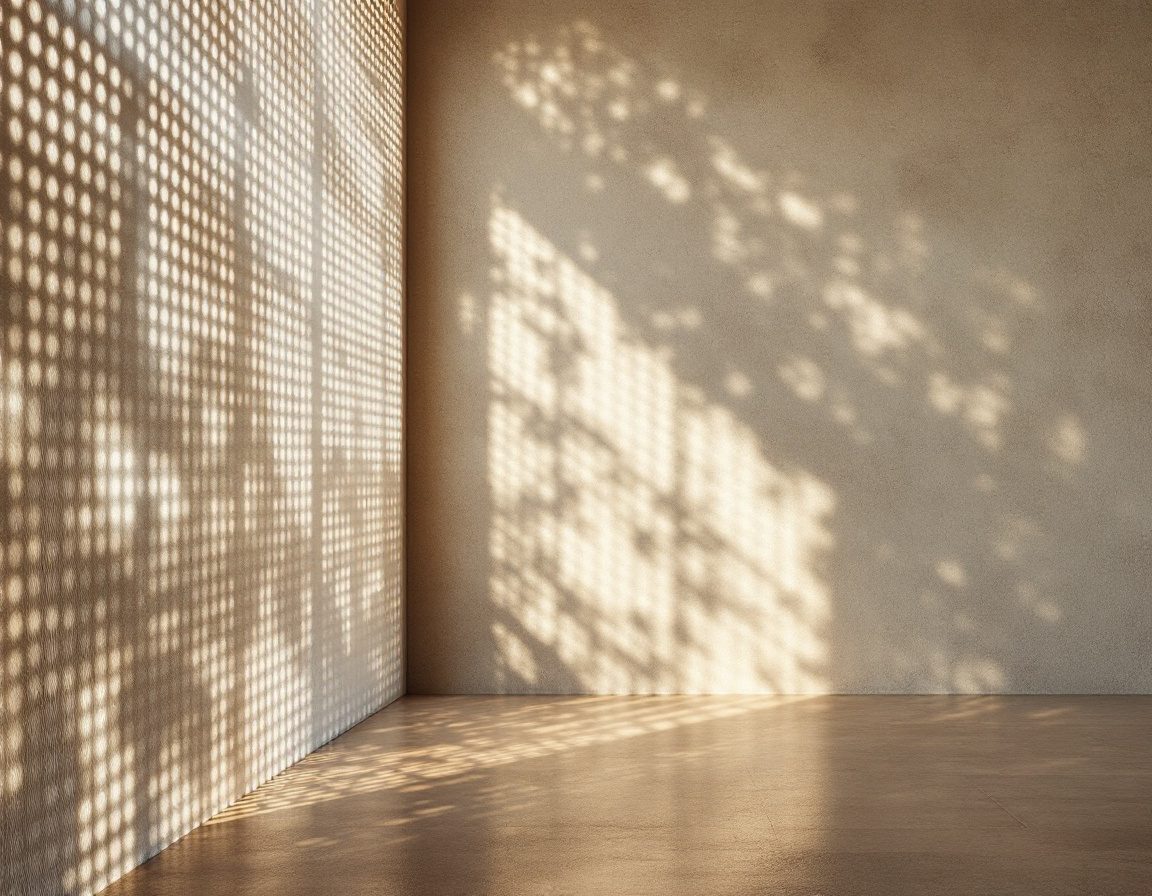
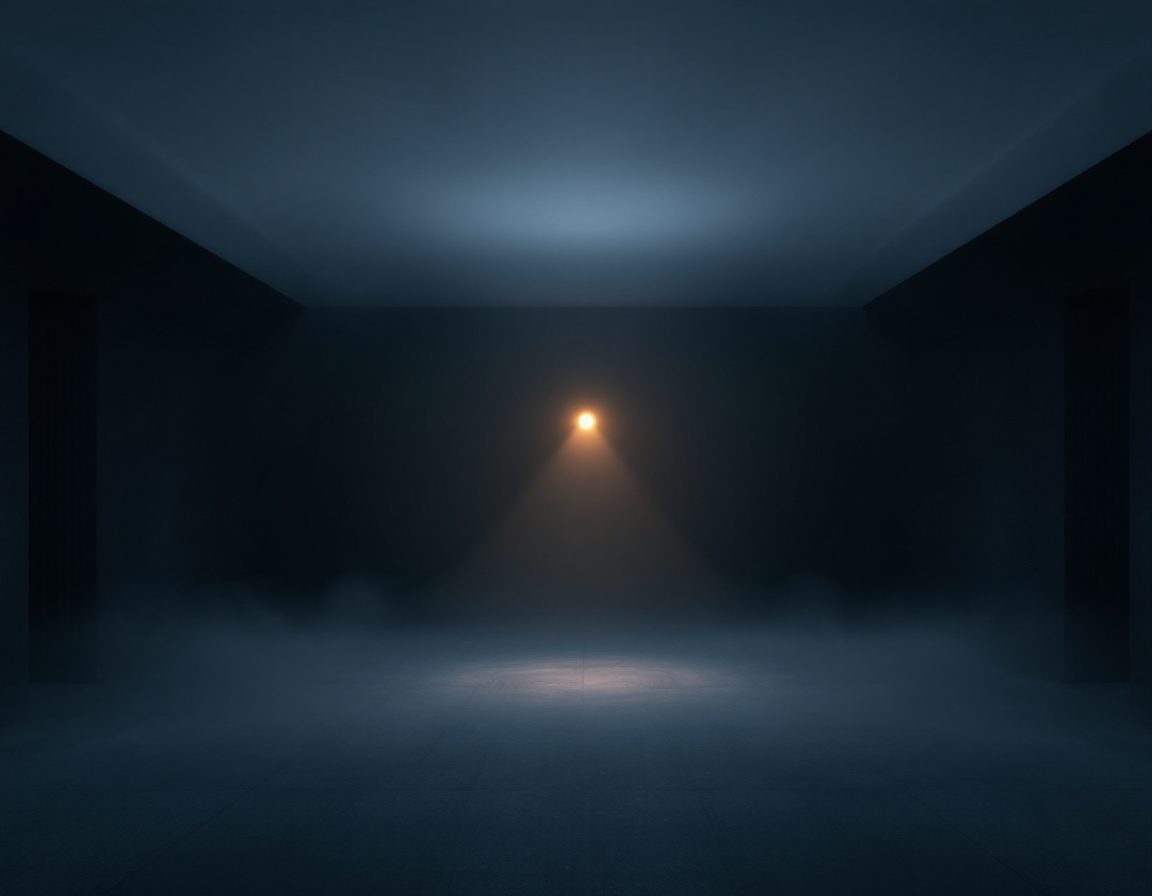
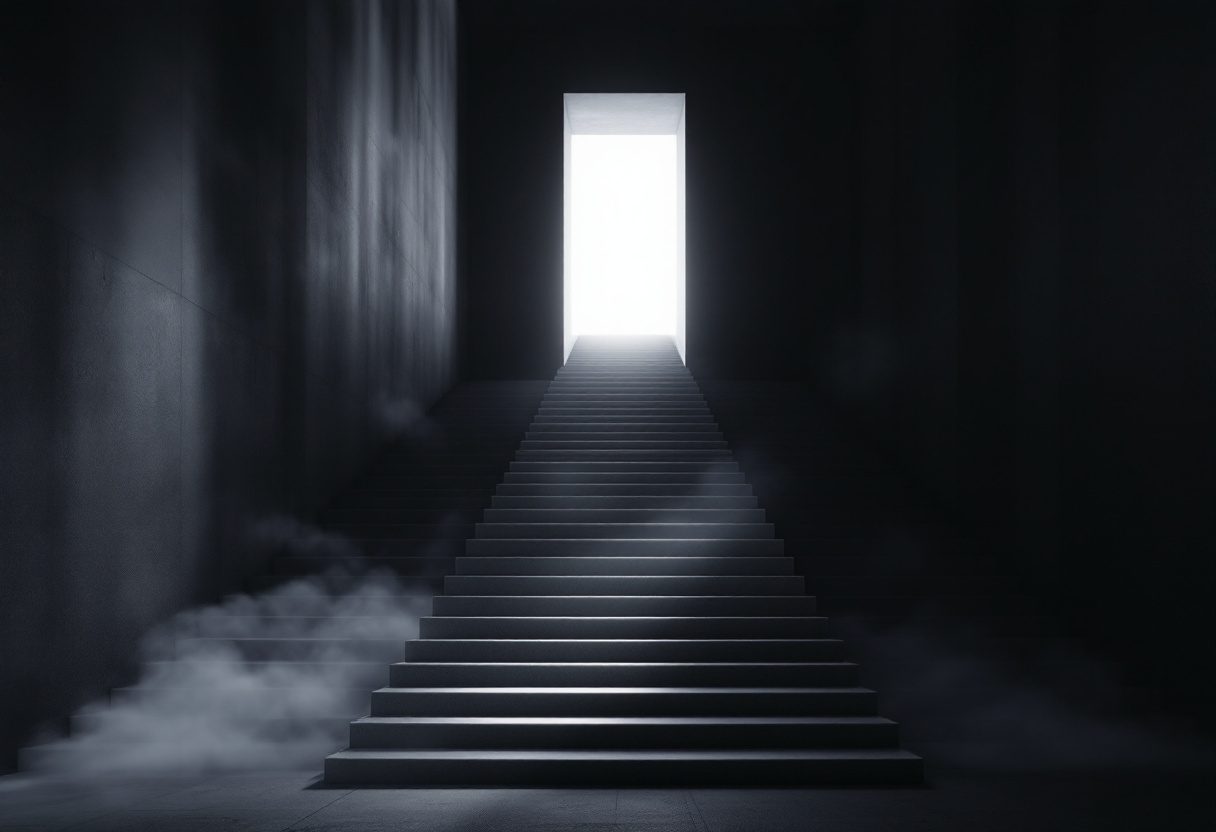
Perception — figure and ground
We do not see chaos; the mind organises what it sees by gestalt laws — figure-ground, proximity, similarity, closure, continuity. In architecture the most basic of these is figure-ground: we read either the solid mass or the void it shapes as the “figure.”[4]
Movement — the promenade
A building is revealed as a sequence as we move through it — Le Corbusier's promenade architecturale; Ching's approach, entry, path and path-space relationships. We experience a place in relation to where we have been and where we expect to go.[5]
Self-assessment
1. Pallasmaa's The Eyes of the Skin critiques the dominance of which sense in architecture?
2. The 'architectural promenade' refers to:
3. Louis Kahn famously treated which element as a primary building material?
Recap
References & further reading
- [1]Rasmussen, S.E. Experiencing Architecture. Cambridge, MA: MIT Press, 1959. https://mitpress.mit.edu/1959-experiencing-architecture-by-steen-eiler-rasmussen/
- [2]Pallasmaa, J. The Eyes of the Skin: Architecture and the Senses. Chichester: Wiley (orig. 1996). https://www.wiley.com/en-sg/The+Eyes+of+the+Skin:+Architecture+and+the+Senses,+3rd+Edition-p-9781119943501
- [3]Louis Kahn on light as a building material (“the giver of all presences”). ArchDaily / Kimbell Art Museum. https://www.archdaily.com/362554/light-matters-louis-kahn-and-the-power-of-shadow
- [4]Gestalt principles of perception (figure-ground, proximity, similarity, closure, continuity). https://www.interaction-design.org/literature/topics/gestalt-principles
- [5]The architectural promenade (Le Corbusier, Villa Savoye); Ching on circulation (approach, entry, path). https://www.villa-savoye.fr/en/discover/an-architectural-promenade
- [6]Zumthor, P. Atmospheres: Architectural Environments, Surrounding Objects. Basel: Birkhäuser, 2006. https://birkhauser.com/en/book/9783764374952
- [7]Architecture as symbol and the expression of function and character. Encyclopædia Britannica. https://www.britannica.com/topic/architecture/Symbols-of-function
Further reading
- Rasmussen, S.E. (1959). Experiencing Architecture. Cambridge, MA: MIT Press.
- Pallasmaa, J. (2012). The Eyes of the Skin: Architecture and the Senses (3rd ed.). Chichester: Wiley.
- Zumthor, P. (2006). Atmospheres. Basel: Birkhäuser.
- Holl, S., Pallasmaa, J. & Pérez-Gómez, A. (2006). Questions of Perception. San Francisco: William Stout.
Sources gathered and fact-checked June 2026. Published values vary by source, sample and method — treat as indicative and confirm against the cited standard before structural use.
The author
Amogh N P
Architect, interior designer, and creative polymath. Studio Matrx began in his notebooks — his vision of design made honest, useful, and open to everyone. Its Academy is written and taught in his memory, and free, forever.
More about Amogh →