
 Lesson 10.4
Lesson 10.4 · Delivery, Rollout & the Future
The Future of Retail & Becoming a Retail Designer
Physical retail is not dying but transforming - toward experience, omnichannel, technology and purpose - and as this course closes we draw every lever together, look at the paths into retail design and the skills that matter, and return to where we began: a selling machine that serves
The death of the store has been announced for twenty years. Instead, the store grew up - and it needs designers more than ever.
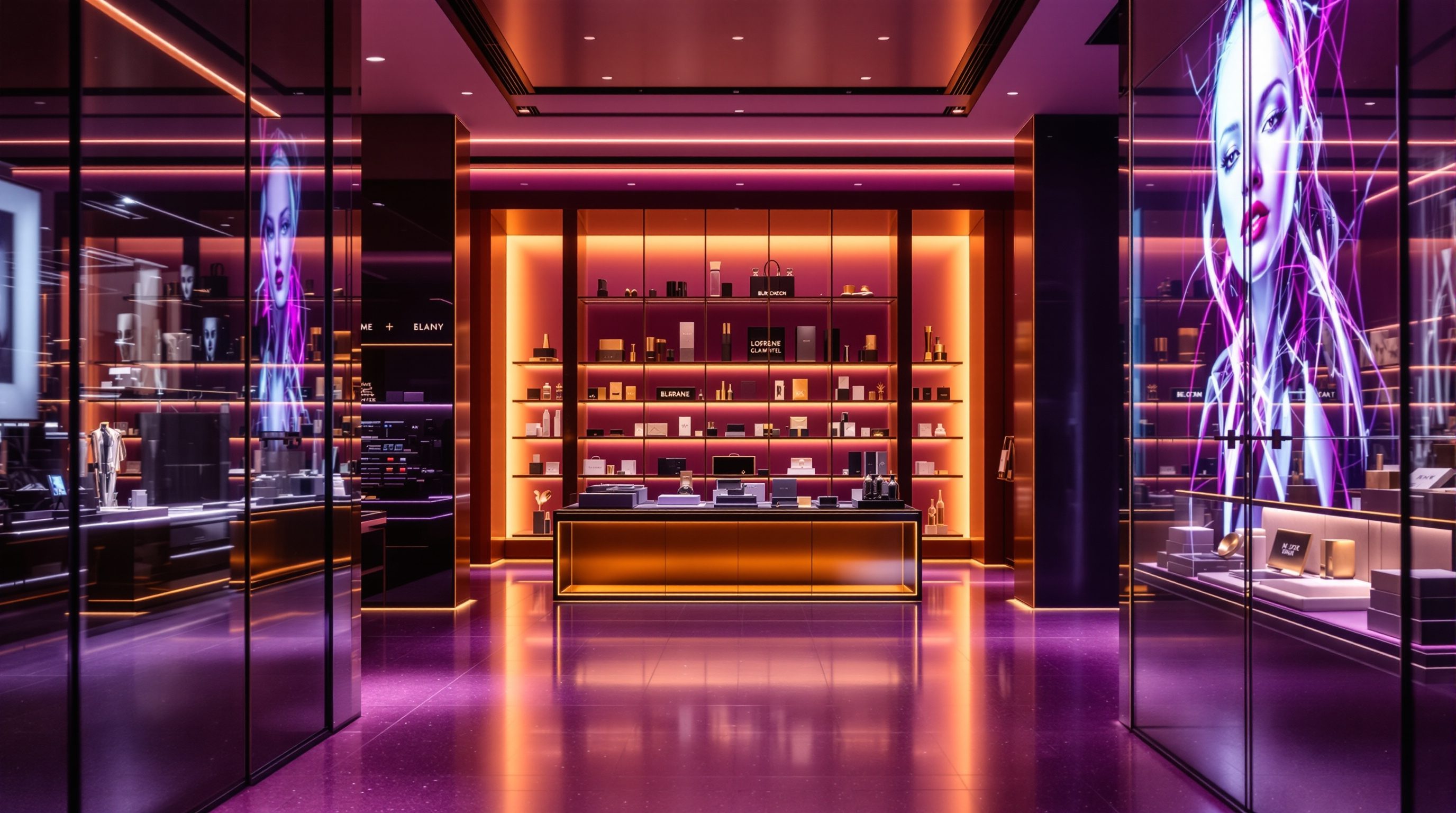
For two decades the headline has been the same: e-commerce will kill the physical store, and retail design with it. The reality has been more interesting. Online shopping did take over routine, price-driven buying, and weak, undifferentiated stores did close - a real and painful shakeout. But physical retail did not die; it transformed. Freed from being merely a place to pick goods off a shelf (the internet does that better), the store has become what the screen cannot be: a place to touch and try, to experience a brand in three dimensions, to be helped by a human, to gather, to feel something - and, increasingly, a connected node in an omnichannel system rather than a standalone box. The future of retail is not less design; it is more demanding, more interesting design.
This is the final lesson of the course, and it does two things. First, it looks forward - to where retail is heading (experiential, omnichannel, technology-enabled and purpose-driven) and what that asks of the designer. Then it looks back, drawing together everything you have learned into a single idea, and turns to you: the paths into retail design, the skills that matter across all of them, and how to keep growing. And it ends where the course began, because the thread that has run through all eleven modules is also the answer to the future - a store is a selling machine you can walk into and a brand made physical, and the best of them sell by serving the shopper. That idea does not age. The technology and the formats will keep changing; the principle endures.
End where we began: a selling machine that serves. The tools change; the principle does not. Go build.
Where retail is heading
The future of physical retail is coming into focus, and four directions matter most for the designer. None of them is a fad; each is a deepening of what the store is for now that the screen has taken over routine buying.
Experiential. As transactions move online, the physical store leans into what it alone can offer: experience. The future store is increasingly a place to discover, touch, try, learn, be entertained and be immersed in a brand's world - less a shelf of stock, more a destination with a reason to visit (the heart of Module 7). Flagships become brand theatres; even everyday stores add service, events, cafes, workshops and moments worth the trip. Designing experience, not just display, is the growing edge of the field.
Omnichannel. The hard line between online and physical is dissolving. The future store is a connected node in a single shopping system: click-and-collect and returns, endless-aisle screens that order what is not in stock, apps that work in-store, stores doubling as fulfilment and showroom. The designer must plan for a shopper who moves fluidly between screen and shelf, and for a store that does new jobs beyond selling what is physically on it (Module 1).
Technology-enabled. Retail technology is threaded ever deeper into the store - digital displays and signage, smart fitting rooms, frictionless and self-checkout, data on how shoppers actually move, and behind the scenes, inventory and analytics. Used well, technology removes friction and serves the shopper; used badly, it is gimmickry or surveillance. The designer's job is to integrate it humanely, where it genuinely helps, not to chase novelty.
Purpose-driven. Shoppers, especially younger ones, increasingly choose brands by values - sustainability, authenticity, community, local roots - and the store is where those values are proven or exposed as hollow. The purpose-driven store makes a brand's real commitments physical (genuine sustainability, as lesson 10.3 insisted, not greenwash; support for local makers and community). In India this dovetails with a powerful current: global formats meeting local identity, D2C brands going physical, and a festive, social, deeply personal retail culture. The future rewards stores that mean something and serve a community, not just shift units.
Experiential, omnichannel, tech-enabled, purpose-driven - the store grows up. Same job, richer means.
The whole course, drawn together
Step back, at the end of eleven modules, and the whole course resolves into a single picture - because everything you have learned is a lever on one machine. We began with the reframing that holds it all: a store is a selling machine you can walk into and a brand made physical, engineered to attract shoppers, guide them past the merchandise and help them buy - and the best of it does this by serving the shopper better, not by manipulating them, while expressing a brand and earning its keep on costly space.
Everything since has been a lever on that machine. We studied the shopper, the brand and the business the store serves (Modules 0-1). We planned the store and its layout, zoning and flow (Module 2); drew people in through the storefront and window (Module 3); showed the goods so they sell through fixtures, display and visual merchandising (Module 4); guided the shopper along the path and through the fitting room and checkout (Module 5); made them feel through light, material, sound and scent (Module 6); turned the store into a brand and an experience (Module 7); learned how the rules change across retail's many typologies (Module 8); ran the engine behind the sales floor - back-of-house, technology and operations (Module 9); and, in this module, took one proven concept and delivered it as a fleet, sustainably, into the future (Module 10). Every one of those is a way of pulling the same lever: helping a shopper attract-guide-buy, by serving them, while carrying a brand and turning a profit.
Three threads ran through all of it, and they are what to carry out of the course. The commercial reality - expensive space judged by a scoreboard of sales per square foot, conversion, dwell and basket - is not the enemy of good design but the test it is built to pass. The shopper and the brand are the twin north stars: serve the shopper genuinely and express the brand truthfully, and the commerce follows. And the discipline of deferring binding specifics - fire, accessibility, signage, structure, services, licensing - to the current codes, the specialist consultants and the brand's design standards, while treating benchmarks as figures to calibrate, is what keeps a principles-based designer safe and credible. Hold these, and you hold retail design.
Becoming a retail designer - paths and skills
So how do you make this your work? Retail design is entered from several directions, and understanding them helps you aim. Some designers work in retail design studios (specialist consultancies that create concepts and rollouts for many brands) - varied, concept-heavy, fast. Some work in-house at a brand or retailer, living one brand deeply and owning its stores from concept through rollout and refresh - the systems-and-delivery world of this module. Some specialise in visual merchandising and display - windows, in-store displays, the VM that makes goods sell (Module 4) - a distinct, creative, fast-turnover craft. And many come to retail as a specialism within architecture or interior design, taking on retail projects within a broader practice. The routes in India and globally are similar, and D2C brands going physical are opening new in-house and studio roles.
Whatever the path, the same core skills carry across all of them - and you have been building them all course. The commercial eye: seeing a store as a machine that must sell and serve, and designing to the scoreboard without deadening the space. Shopper empathy: understanding how real people behave, move, feel and decide, and designing for them rather than for the photograph. Brand sense: translating a brand into physical form - material, light, density, tone - so a store is unmistakably itself. And the craft of delivery: the concept-to-open discipline of this module - systems thinking, standards, procurement, programme - that turns an idea into real, trading, on-brand stores. Add the cross-disciplinary fluency retail demands (you coordinate lighting, graphics, fire, accessibility, branding, construction and operations) and you have the shape of a retail designer.
The good news is that the single best way to keep growing these skills is free and endless: read every store you walk into. You now have the lens. Every shop, every window, every layout, every queue, every refit, every clever or clumsy use of light is a live lesson - what pulled you in, where your eye and feet went, how it made you feel, how it expressed a brand, where it served you and where it failed. Study the great and the ordinary alike, from the mall flagship to the corner kirana. A retail designer is made not only in the studio but in a lifetime of seeing the selling machine behind the ease - which is exactly the habit this course set out, in its very first workshop, to build in you.
Commercial eye, shopper empathy, brand sense, craft of delivery - and read every store you ever enter.
A store that serves - the thread that does not age
We end where we began, because it is the truest thing in the course and the surest guide to whatever the future brings. A store is a selling machine you can walk into and a brand made physical - and the best of them sell by serving the shopper. Every format will keep changing, every technology will be superseded, every benchmark will drift, and the retail of twenty years from now will surprise us all. But that principle does not age, because it rests not on technology or fashion but on people - on the simple, durable fact that a space designed to genuinely help a human find, enjoy and buy what they came for, while honestly expressing who the brand is, will always outperform one built to pressure or deceive them.
That is why the anxious question the course opened against - is physical retail dying? - has such a hopeful answer. The dull box of shelves is dying, and good riddance; it was never what retail design was really about. What is rising in its place is the store as experience, as brand made real, as a connected and purposeful place worth travelling to - and all of that needs designers who can fuse commercial rigour, shopper empathy, brand craft and the discipline of delivery, humanely. The future of retail is not less design. It is more of the best kind: design that serves. The field is wide open, and it is yours to shape.
So carry three things out of this course. Carry the reframing - that a store is a selling machine and a brand made physical, a set of levers you now know how to pull. Carry the ethic - that good retail design serves and does not manipulate, tells the truth about its sustainability, and defers its binding specifics humbly to the codes, the specialists and the brand standards. And carry the habit - of reading every store you enter, for the rest of your life, as the engineered, brand-rich, human thing it is. Do that, and you will not only design stores that sell; you will design stores that are good to the people who walk into them, and good for the brands and communities they serve. That is the whole of retail design, and it is a fine thing to spend a career doing. Go and build selling machines that serve.
Omnichannel & retail technology
Click-and-collect, endless aisle, digital displays, self-checkout, data
Integrate where it genuinely serves the shopper, not as novelty or surveillance; data and payment tech defer to the relevant privacy, security and payment standards and specialists.
Purpose & honest sustainability
Values made physical; genuine vs greenwashed claims
Make a brand's real commitments physical and truthful (see lesson 10.3); serve, do not manipulate - the course-wide ethic. Measured, disclosed, modest.
Binding specifics (NBC 2016, accessibility, licensing)
Fire, egress, access, structure, services, permissions
Whatever the format or technology, binding values remain the province of the current codes, the specialist consultants and the brand standards - principles here only.
Workshop - your retail manifesto and a future-store vision
To close the course, you will turn everything you have learned outward - into a short vision for a future store and a personal manifesto for the kind of retail designer you want to be. This is synthesis, not a new topic: bring the whole course to bear.
A notebook and the whole course in your head. This is reflection and synthesis - no software or drawings required, though a rough vision sketch helps.
Goal: a one-page future-store vision and a personal retail-design manifesto
Inputs: the whole course + a brand or category you care about + a notebook
Time: ~75 minutes
- 1Pick a brand or retail category you care about (in India or globally) and imagine its store five to ten years out. Sketch how it becomes more experiential, omnichannel, technology-enabled and purpose-driven - one concrete move for each of the four directions.
- 2Keep it human: for each move, name how it SERVES the shopper (not just how it is clever or sells more), and flag any that risk gimmickry, surveillance or manipulation - and cut or fix them.
- 3Trace the thread: show how your future store is still 'a selling machine that serves and a brand made physical', and point to three earlier modules (e.g. layout, light, brand) whose levers your vision pulls.
- 4Write your manifesto: in 150-200 words, state the kind of retail designer you want to be - what you will always do (serve the shopper, express the brand truthfully, respect the commerce, defer binding specifics to the codes and specialists) and what you will never do (manipulate, greenwash, design for the photograph over the person).
- 5Name your path and your practice: pick a likely route in (studio, in-house, visual merchandising, retail within architecture or interiors) and commit to one lifelong habit - reading every store you enter - with a note on how you will keep doing it.
You’ll walk away with
A one-page future-store vision tied back to the course's core idea, plus a 150-200 word personal manifesto and a chosen path. Keep it - it is both the capstone of this course and a compass for your retail-design career.
Three altitudes on the same idea
Read the band that fits you — or all three.
The future store asks the architect to design for flexibility, experience and connection, not just a fixed box of shelves. Omnichannel stores take on new jobs (fulfilment, showroom, collection, events), experiential retail needs adaptable, event-ready space, and purpose-driven brands need fabric that genuinely delivers on sustainability. Design shells and concepts that can flex as formats evolve, integrate technology and services humanely, and keep deferring binding fire, egress, structural, services and accessibility specifics to the codes and consultants. As a career, retail architecture spans studio concept work and in-house store development (the systems-and-rollout world of this module) - both reward an architect who can think in repeatable systems and deliver on a hard date.
The experiential, human, brand-rich store is squarely the interior designer's future - and the most creative corner of the field. As routine buying moves online, the interior's job grows: to create experience, atmosphere, brand worlds and moments worth the trip, integrate technology where it serves, and make a brand's purpose physical and honest. The career paths - retail design studio, in-house brand teams, and the distinct craft of visual merchandising - all prize the skills you have built: shopper empathy, brand sense, the craft of atmosphere and display, and now delivery. Keep reading every store you enter, keep your commercial eye sharp, and design for the real shopper, not the photograph.
You finish this course with a lens most people never acquire: the ability to see the selling machine, the brand and the commercial reality behind every shop you walk into - and a whole field opening in front of you. The future of retail is bright for designers who can fuse commercial rigour, shopper empathy, brand craft and delivery, humanely. Explore the paths (studio, in-house, visual merchandising, retail within architecture or interiors), keep building the four core skills, and above all keep the habit this course began: read every store, great and ordinary, for how it attracts, guides, sells, serves and means. You are not finished learning retail design - you are now equipped to learn it for the rest of your life, in every shop you ever enter.
“E-commerce is slowly killing the physical store, so retail design is a shrinking, backward-looking field with little future - the smart move is to design for screens, not shops.”
Do it yourself
No tools needed - reason it through, drawing on the whole course.
- 1Name the four directions the future of retail is heading in, and give one concrete design move for each.
- 2In one or two sentences, state the single idea that has run through the whole course, and why it does not age.
- 3Describe the four core skills of a retail designer and why they carry across every career path.
- 4Why did e-commerce transform rather than kill physical retail, and what is the store now for that the screen cannot be?
- 5What three things does the lesson ask you to carry out of the course - the reframing, the ethic and the habit - and what does each mean to you?
The one line to carry out of the whole course
Peer-reviewed journals & authoritative standards
- 01Retail apocalypse — Wikipedia - Retail apocalypse, 2026.
- 02E-commerce — Wikipedia - E-commerce, 2026.
- 03Omnichannel — Wikipedia - Omnichannel, 2026.
- 04Experience economy — Wikipedia - Experience economy, 2026.
- 05Retail technology — Wikipedia - Retail technology, 2026.
This is the final lesson of the course. From here, take the mastery check for this module, revisit any module whose levers you want to sharpen, and then do the thing the course was built for: walk into a store, read it as the engineered, brand-rich, human machine it is, and start designing ones that serve.
The author
Amogh N P
Architect, interior designer, and creative polymath. Studio Matrx began in his notebooks — his vision of design made honest, useful, and open to everyone. Its Academy is written and taught in his memory, and free, forever.
More about Amogh →