
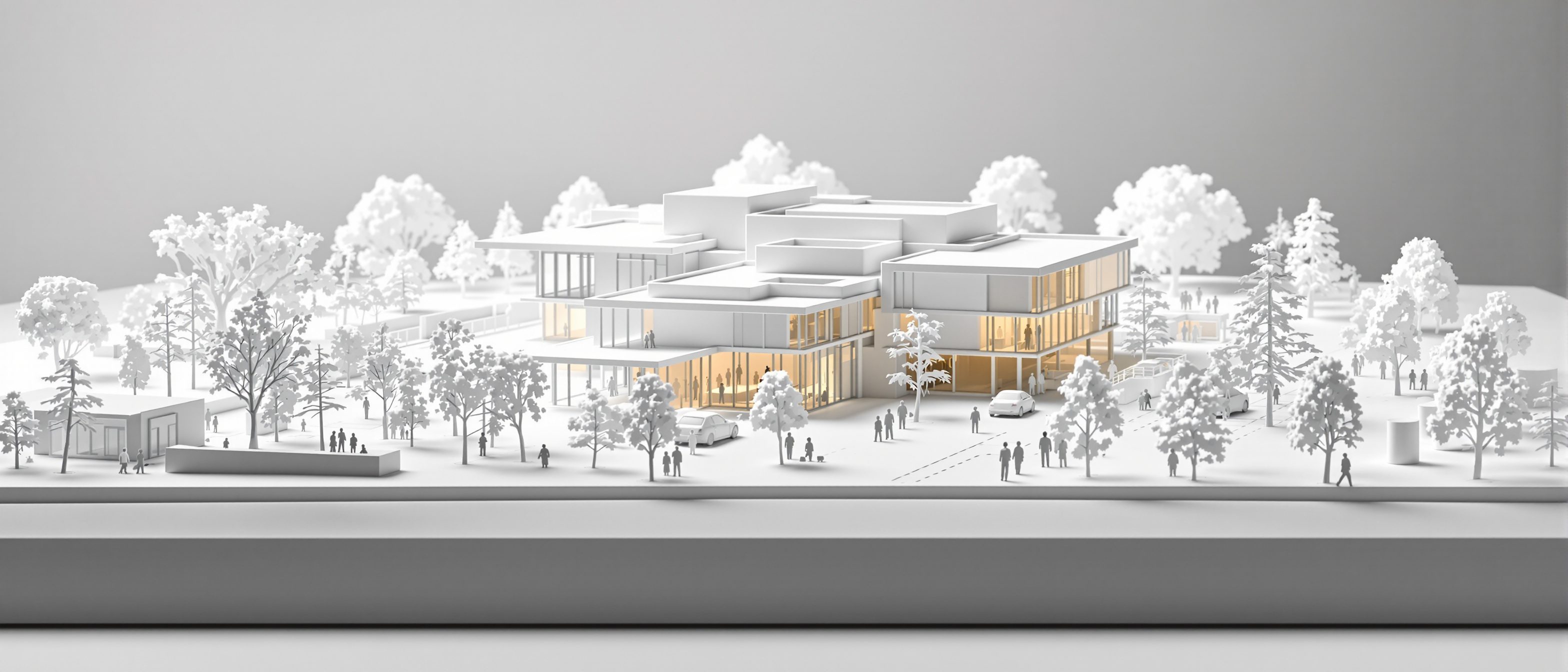
Presentation Models & Scale
Choosing the scale, and giving the model life.
A model is built at a chosen scale, and the scale changes everything it can show. This lesson covers the common model scales and which stage each suits, how to convert a real size to a model size, modelling terrain from stacked contours, and the entourage that gives a model its sense of scale and life.
Learning objectives
By the end of this lesson you will be able to — mapped to the course outcomes for Model Making & Architectural Delineation:
Match a model scale to its purpose and design stage.
Convert a real-world size to a model size at a given scale.
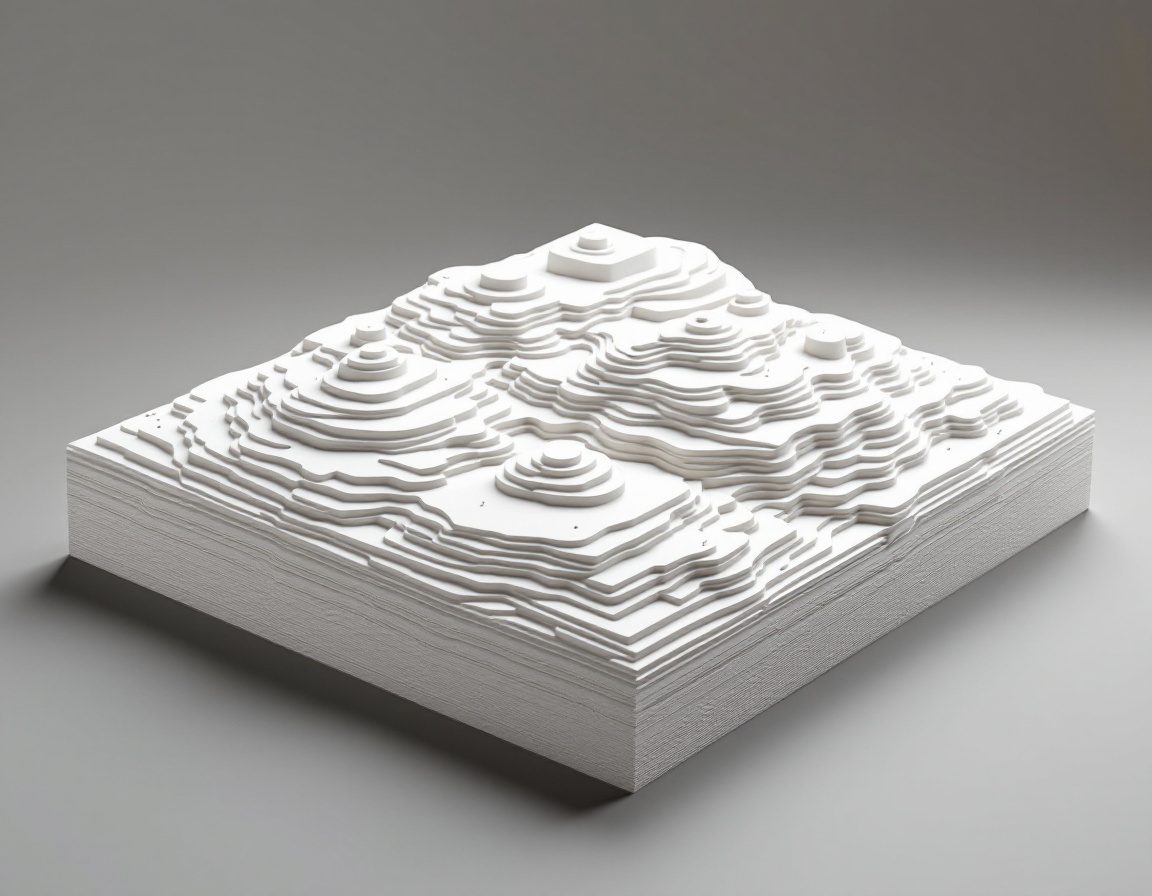
Model terrain with stacked contour layers.
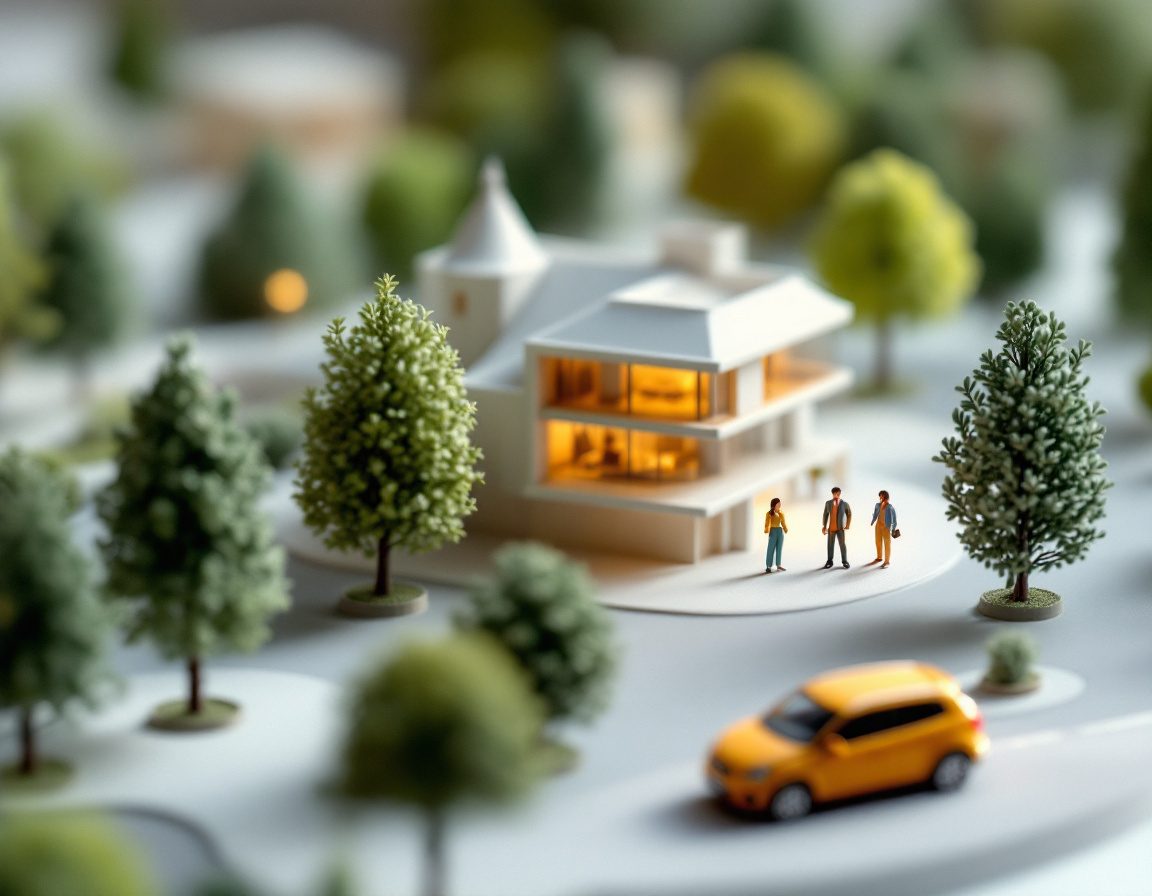
Add entourage to read a model's scale and give it life.
Scale & the selector
Scale sets what a model can say — and how big it becomes. Use the selector to convert a real size to a model size, and select a topic.[1, 2, 3]
What each scale shows
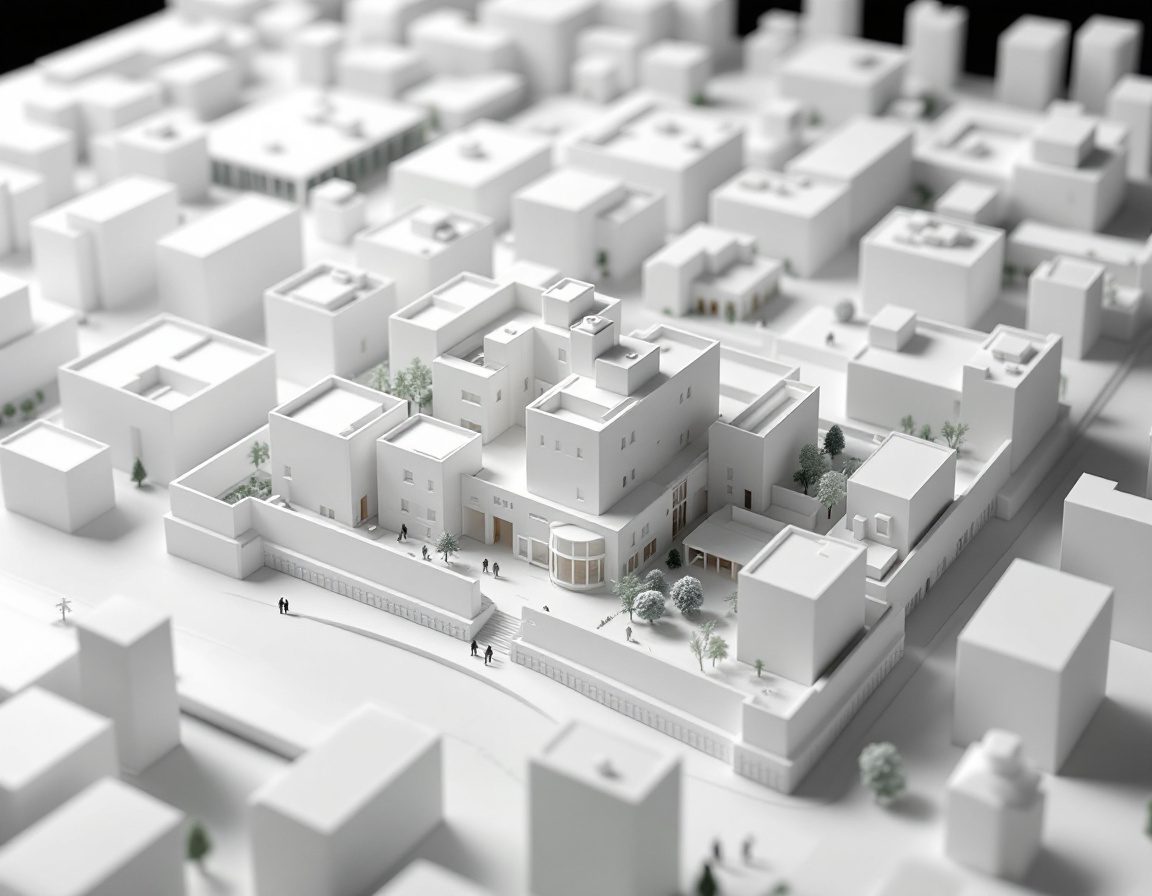
Scale sets what a model can say. Large sites read at 1:1000–1:500; a building's mass at 1:200; a detailed building at 1:100; a room or section at 1:50–1:20; a construction detail at 1:10–1:1. The smaller the scale, the more is abstracted away.[1]
| Scale | Suits | 10 m becomes |
|---|---|---|
| 1:500 – 1:1000 | Site / urban / master-plan context | 10 m → 20–10 mm |
| 1:200 | Building massing | 10 m → 50 mm |
| 1:100 | Detailed building | 10 m → 100 mm |
| 1:50 – 1:20 | Room, interior, section | 10 m → 200–500 mm |
| 1:10 – 1:1 | Construction detail, mock-up | 10 m → 1–10 m |
Model-scale selector
See what a real size becomes on the model, and how big a scale figure is. Model size = real size ÷ scale.
1:100 suits Detailed building.
0 mm
10 m on the model
0 mm
A 1.8 m person
At 1:100, every real metre is 10 mm on the model. The smaller the scale number, the larger and more detailed the model.
Terrain & texture
Build terrain from stacked contour layers, and suggest material with texture.[4]
Entourage
Figures, trees and vehicles let the eye read a model's scale and bring it to life — always include at least one scale figure.[5]
Self-assessment
1. A 10 m-long building wall modelled at 1:100 is how long?
2. Which scale best suits an urban / site context model of a large area?
3. Topography is most commonly modelled by:
Recap
References & further reading
- [1]Scales commonly used in architectural models and what each suits. QZY Models. https://www.qzymodels.com/understanding-the-scales-commonly-used-in-architectural-models/
- [2]How to choose the right scale for an architectural model (by design stage). QZY Models. https://www.qzymodels.com/how-to-choose-the-right-scale-for-architectural-models/
- [3]Scaling a building for a model — model size = real size ÷ scale. IA Manufacturing. https://www.iamanufacturing.com/en/blog/scale-architectural-model/
- [4]What is a topography model — the stacked-contour technique. QZY Models. https://www.qzymodels.com/what-is-a-topography-model/
- [5]Architectural model entourage / scale figures — role and figure height. Read the Plans. https://readtheplans.com/architecture-model-scalie/
Further reading
- Werner, M. (2010). Model Making (Architecture Briefs). New York: Princeton Architectural Press.
- Knoll, W. & Hechinger, M. (2007). Architectural Models: Construction Techniques (2nd ed.). J. Ross Publishing.
- Mills, C.B. (2011). Designing with Models (3rd ed.). Hoboken, NJ: Wiley.
Sources gathered and fact-checked June 2026. Published values vary by source, sample and method — treat as indicative and confirm against the cited standard before structural use.
The author
Amogh N P
Architect, interior designer, and creative polymath. Studio Matrx began in his notebooks — his vision of design made honest, useful, and open to everyone. Its Academy is written and taught in his memory, and free, forever.
More about Amogh →