
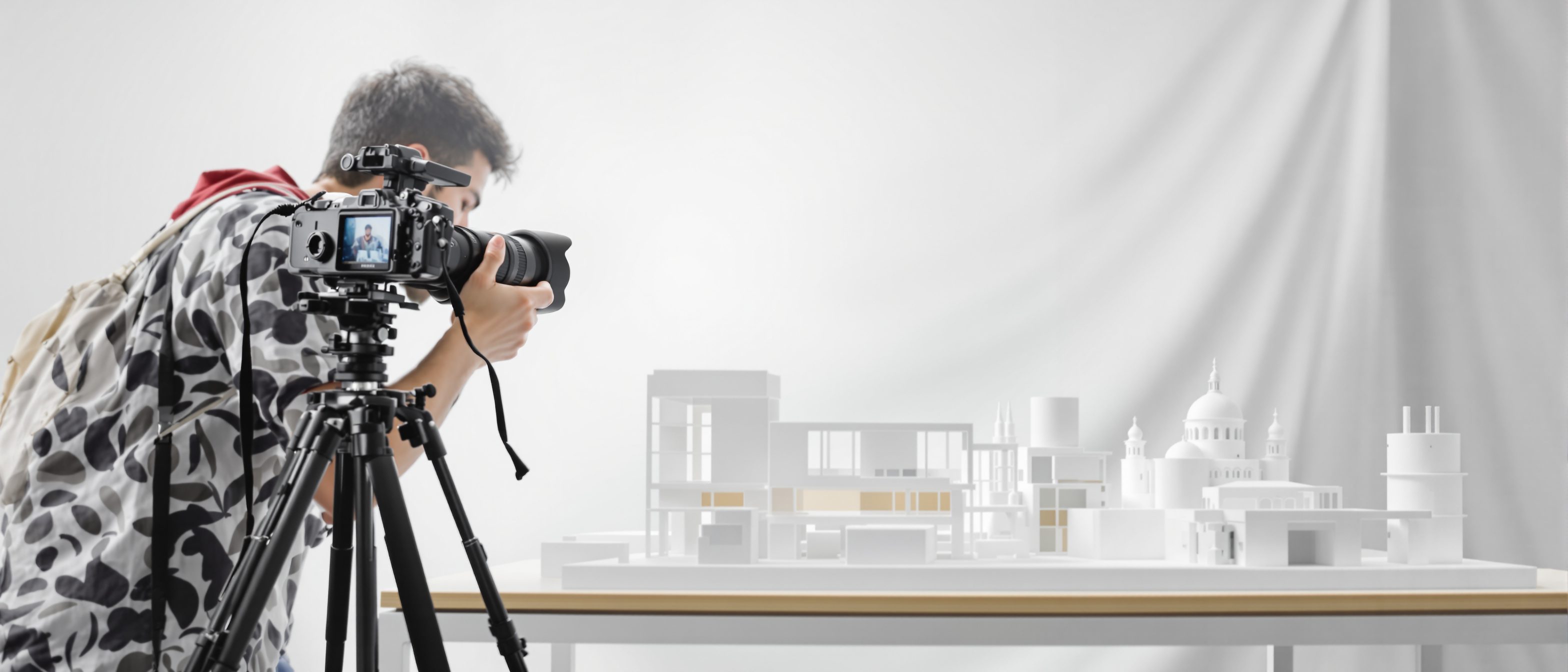
Photographing & Presenting Models
Making the model carry the idea — into the photo and the portfolio.
A model is only as good as how it is seen. This final lesson uses the study model as a design tool, then shows how to photograph it so it carries the idea — and how to bring those photographs into a presentation and a portfolio.
Learning objectives
By the end of this lesson you will be able to — mapped to the course outcomes for Model Making & Architectural Delineation:
Use a study model as a tool to test and develop a design.
Photograph a model with a clean backdrop and good lighting.
Shoot at the human-eye viewpoint with depth of field and a scale figure.
Bring model photographs into presentations and the portfolio.
The model as a tool
A study model is for thinking — build it, test a move, photograph it, change it. Select a topic.[4]
The model as a tool
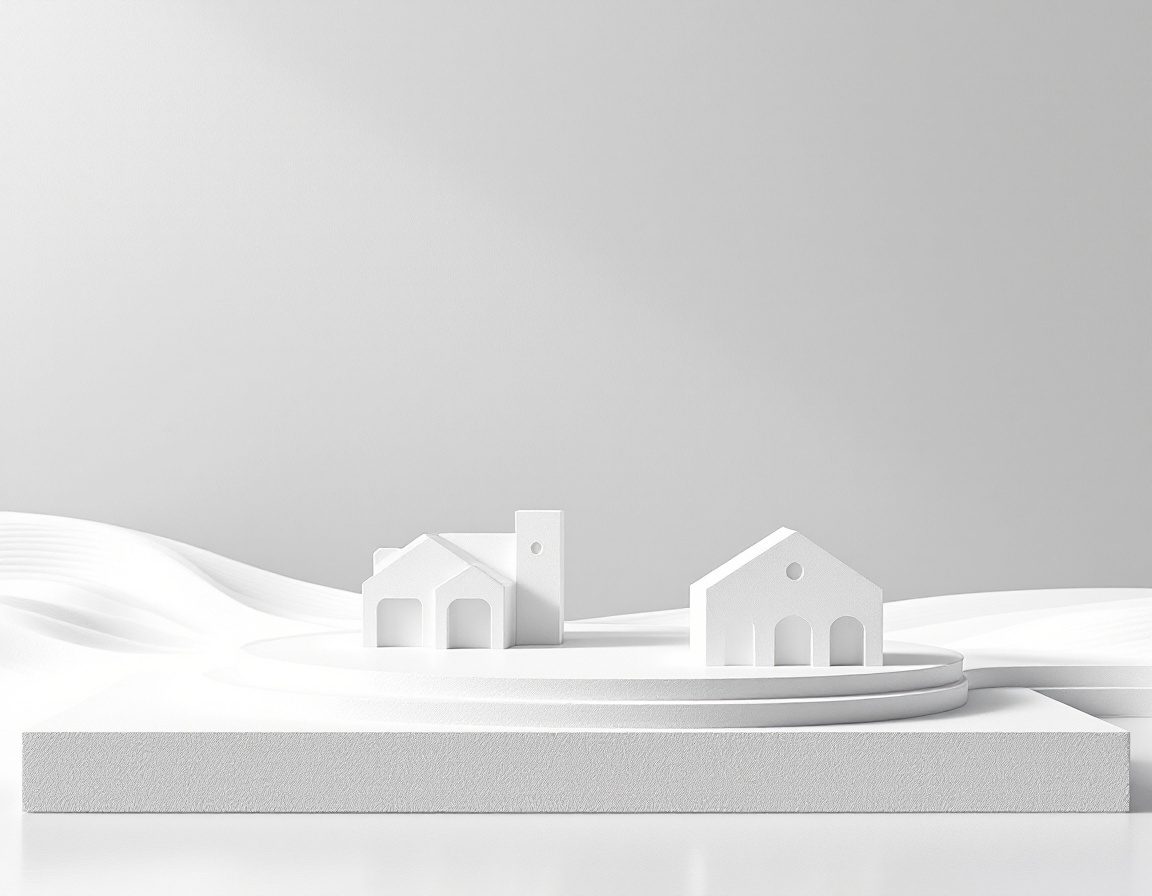
A STUDY MODEL is for thinking, not showing — quick, rough and changeable. You build it to test a move, photograph it, cut it about, and build the next. Used this way, the model is part of designing, not just a record of it.[4]
Photographing a model
A plain sweep backdrop and soft, single-source light let the model read clearly — with the room overheads off.[1]
| Set | How |
|---|---|
| Backdrop | A plain sweep — white/grey/black, curved, no horizon |
| Lighting | One soft main + fill; overhead room lights off |
| Viewpoint | At the model's eye level (human / worm's-eye) |
| Focus | Small aperture for deep depth of field; tripod |
| Scale | Include a scale figure or ruler |
Viewpoint & focus
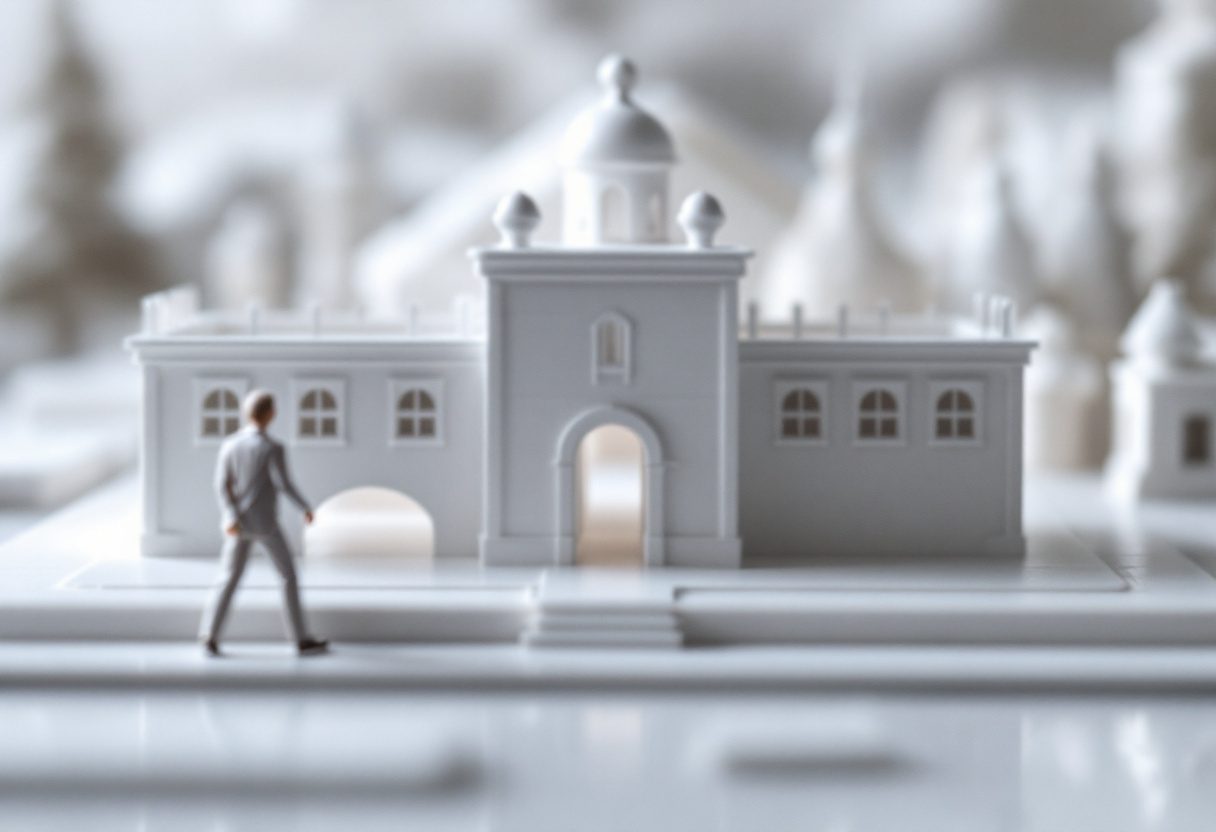
Shoot at the model's eye level with deep depth of field and a scale figure — and the photograph feels real. Good model shots then carry into presentations and the portfolio.[2, 3]
Self-assessment
1. To make a model photograph feel real, you should shoot from:
2. For the whole model to be sharp in the photo, use:
3. A ‘study model’ is mainly for:
Recap
References & further reading
- [1]How to photograph architectural models — backdrop and lighting. First In Architecture. https://www.firstinarchitecture.co.uk/how-to-photograph-architectural-models/
- [2]Architectural model photography — viewpoint, depth of field and the scale figure. archisoup. https://www.archisoup.com/architectural-model-photography
- [3]Mastering model photography for your portfolio — presenting models. archisoup. https://www.archisoup.com/architectural-model-photography
- [4]Designing with study models — the model as a process / design tool. Overview. https://www.firstinarchitecture.co.uk/architectural-model-making-the-guide/
Further reading
- Werner, M. (2010). Model Making (Architecture Briefs). New York: Princeton Architectural Press.
- Mills, C.B. (2011). Designing with Models (3rd ed.). Hoboken, NJ: Wiley — study models in process.
- Lin, M.W. (1993). Drawing and Designing with Confidence. New York: Wiley — presentation and portfolio.
Sources gathered and fact-checked June 2026. Published values vary by source, sample and method — treat as indicative and confirm against the cited standard before structural use.
The author
Amogh N P
Architect, interior designer, and creative polymath. Studio Matrx began in his notebooks — his vision of design made honest, useful, and open to everyone. Its Academy is written and taught in his memory, and free, forever.
More about Amogh →