
Model-Making Materials & Techniques
Card, foam, balsa, acrylic, clay — and how to work them.
This is the workshop. The model-maker's skill is matching the right material to the job and working it cleanly — and, increasingly, letting form be generated and found. We survey the materials, the techniques, and the ideas that drive form from nature and number.
Learning objectives
By the end of this lesson you will be able to — mapped to the course outcomes for Model Making & Architectural Delineation:
Choose appropriate traditional and new-age materials for a model.
Cut, glue, cast and finish model materials cleanly and safely.
Match a fabrication process — hand, casting, laser cutting — to the task.
Use generative, parametric and nature-to-structure ideas to explore form.
The materials
From card and foam to acrylic and AAC — each material has its strengths. Use the explorer to compare them, and select a topic.[1, 2, 3]
Card, foam, wood, clay
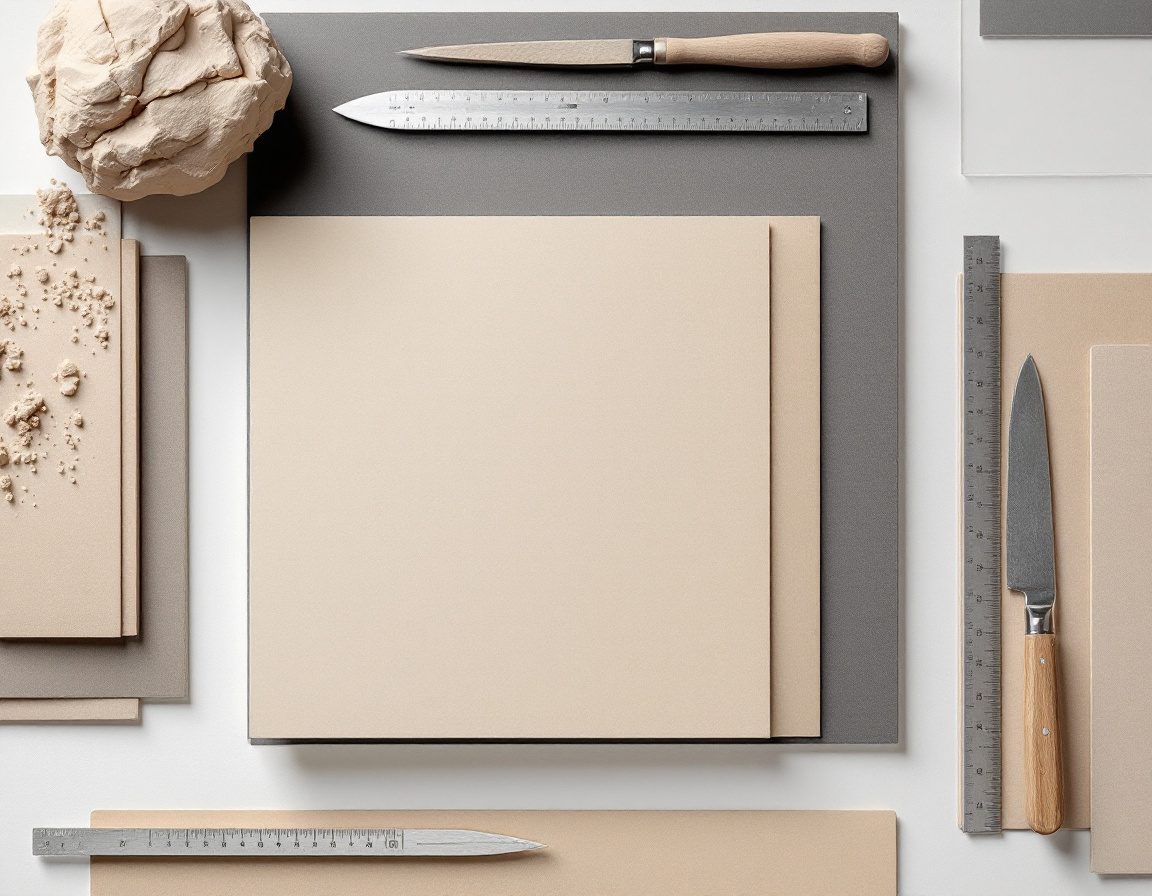
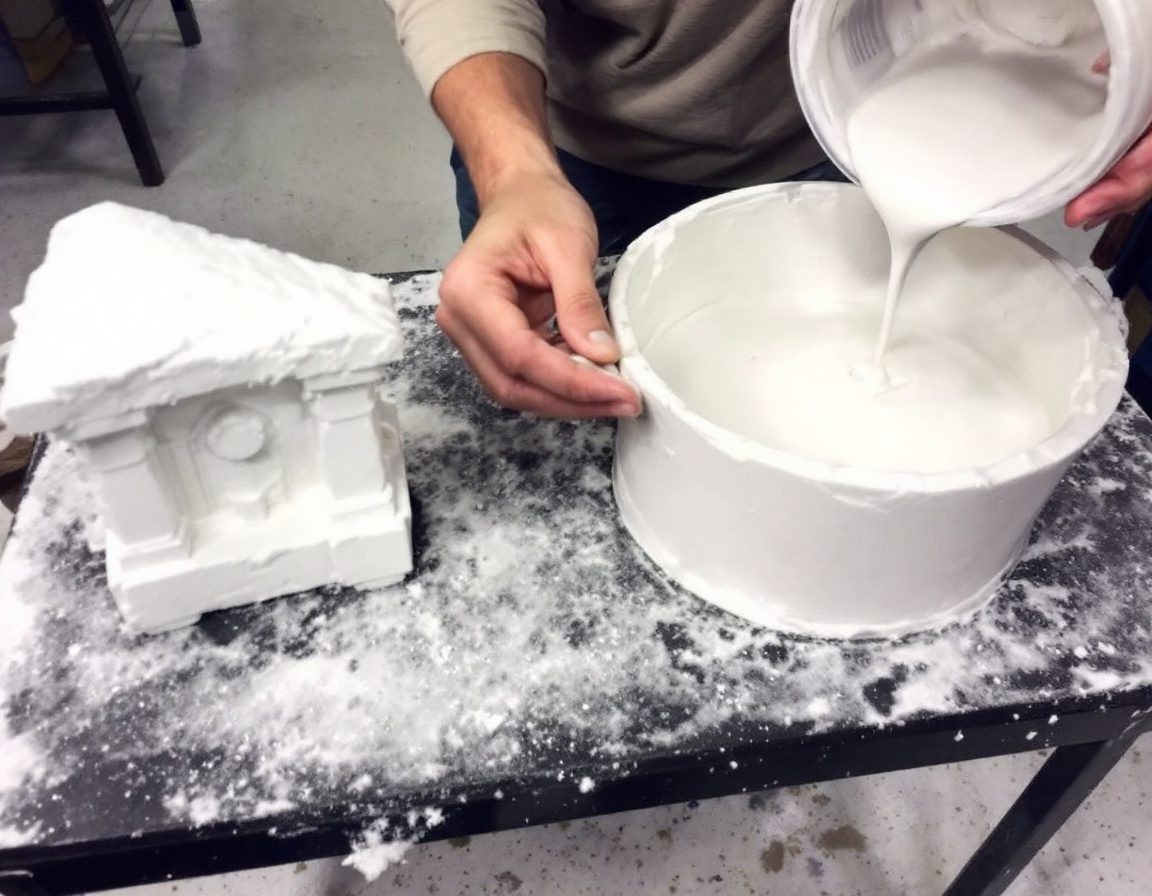
The staples: MOUNT / mat board and chipboard for clean walls and bases; FOAM BOARD (foamcore) and THERMOCOL for quick light massing; BALSA (cuts easily) and BASSWOOD (holds fine detail); CLAY for moulding volumes; PLASTER OF PARIS for cast elements; and papier-mâché and cork for terrain.[1, 2]
| Material | Type | Best for |
|---|---|---|
| Mount / mat board | Traditional | Clean walls, bases, presentation models |
| Foam board / thermocol | Traditional | Quick, light massing and study models |
| Balsa / basswood | Traditional | Frames, fine detail (basswood holds it) |
| Clay / plaster of Paris | Traditional | Moulded volumes; cast elements & terrain |
| Acrylic / polystyrene | New-age | Glazing; clean-cutting plastic parts |
| AAC block (Siporex) | New-age | Soft, light carved volume studies |
Material explorer
Pick a model material to see what it is good for and how it works.
Works: Easy — knife · Best for: Clean walls, bases, presentation models
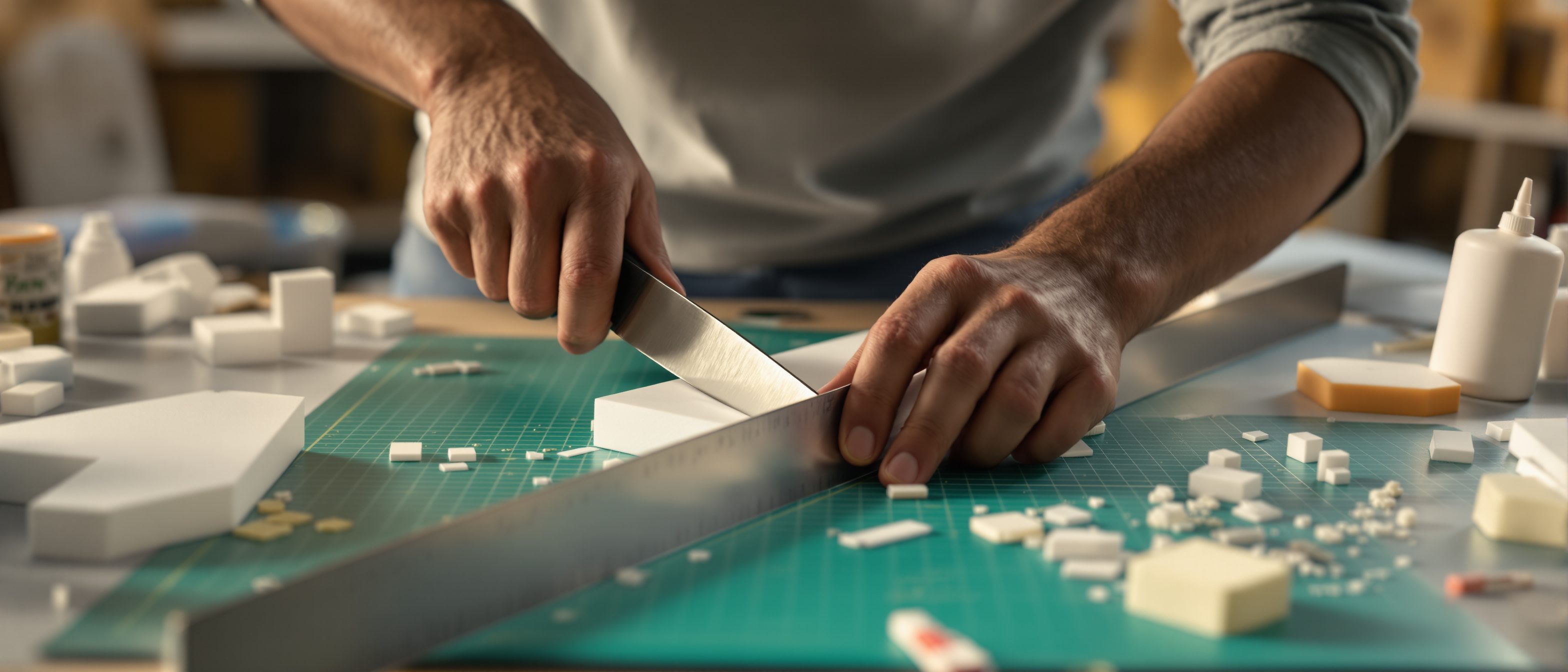
Stiff card with a clean coloured face; the staple of crisp presentation models. Cuts cleanly with a sharp blade and steel rule.
The techniques
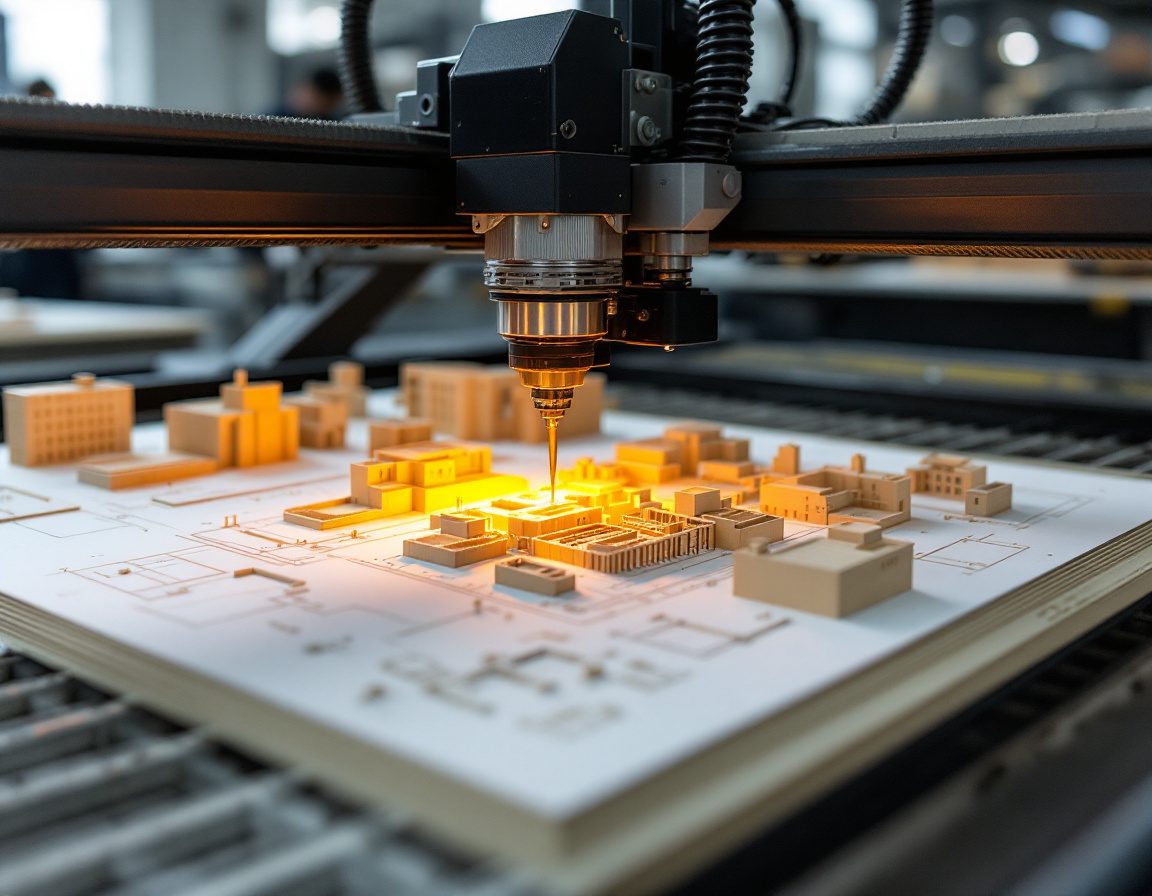
Most model work is cutting; casting captures complex form; and laser cutting and 3-D printing sharpen the craft — with care for ventilation and safety.[4, 5, 6]
From nature & number
Form can be generated by system and found from nature — Gaudí's hanging models and Frei Otto's soap films let forces shape an efficient structure.[7]
Self-assessment
1. Which wood is preferred when a model needs fine detail that won't splinter?
2. The safest, cleanest way to cut model board is to:
3. Gaudí's hanging-chain models and Frei Otto's soap-film experiments are examples of:
Recap
References & further reading
- [1]Architectural model materials guide — board, foam, wood, plaster, acrylic and their uses. archisoup. https://www.archisoup.com/architectural-model-making-equipment
- [2]Model building materials and boards — balsa vs basswood; chipboard; cork. Drafting Supplies. https://draftingsuppliesdew.com/supplies/model-building-materials-and-boards
- [3]AAC / Siporex blocks as a soft, light carving medium (used in India as Aerocon). Reference. https://en.wikipedia.org/wiki/Autoclaved_aerated_concrete
- [4]Architectural model making — cutting technique, tools and clean edges. howtorhino. https://howtorhino.com/blog/architecture-education/architectural-model-making/
- [5]The art of plaster casting and moulding for models. WR-AP. https://www.wr-ap.com/post/the-art-of-plaster-casting-and-its-many-forms
- [6]Laser cutting and 3-D printing safety / ventilation in fabrication. MIT EHS. https://ehs.mit.edu/wp-content/uploads/MITEHS_Laser_Cutter_Guidance.pdf
- [7]Biomimicry, hanging models and form-finding — Gaudí and Frei Otto. Architizer. https://architizer.com/blog/inspiration/stories/biomimicry-and-parametricism-gaudi-and-hadids-design-legacy/
Further reading
- Knoll, W. & Hechinger, M. (2007). Architectural Models: Construction Techniques (2nd ed.). J. Ross Publishing.
- Werner, M. (2010). Model Making (Architecture Briefs). New York: Princeton Architectural Press. ISBN 978-1-56898-870-2.
- Mills, C.B. (2011). Designing with Models: A Studio Guide to Architectural Process Models (3rd ed.). Wiley.
Sources gathered and fact-checked June 2026. Published values vary by source, sample and method — treat as indicative and confirm against the cited standard before structural use.
The author
Amogh N P
Architect, interior designer, and creative polymath. Studio Matrx began in his notebooks — his vision of design made honest, useful, and open to everyone. Its Academy is written and taught in his memory, and free, forever.
More about Amogh →