
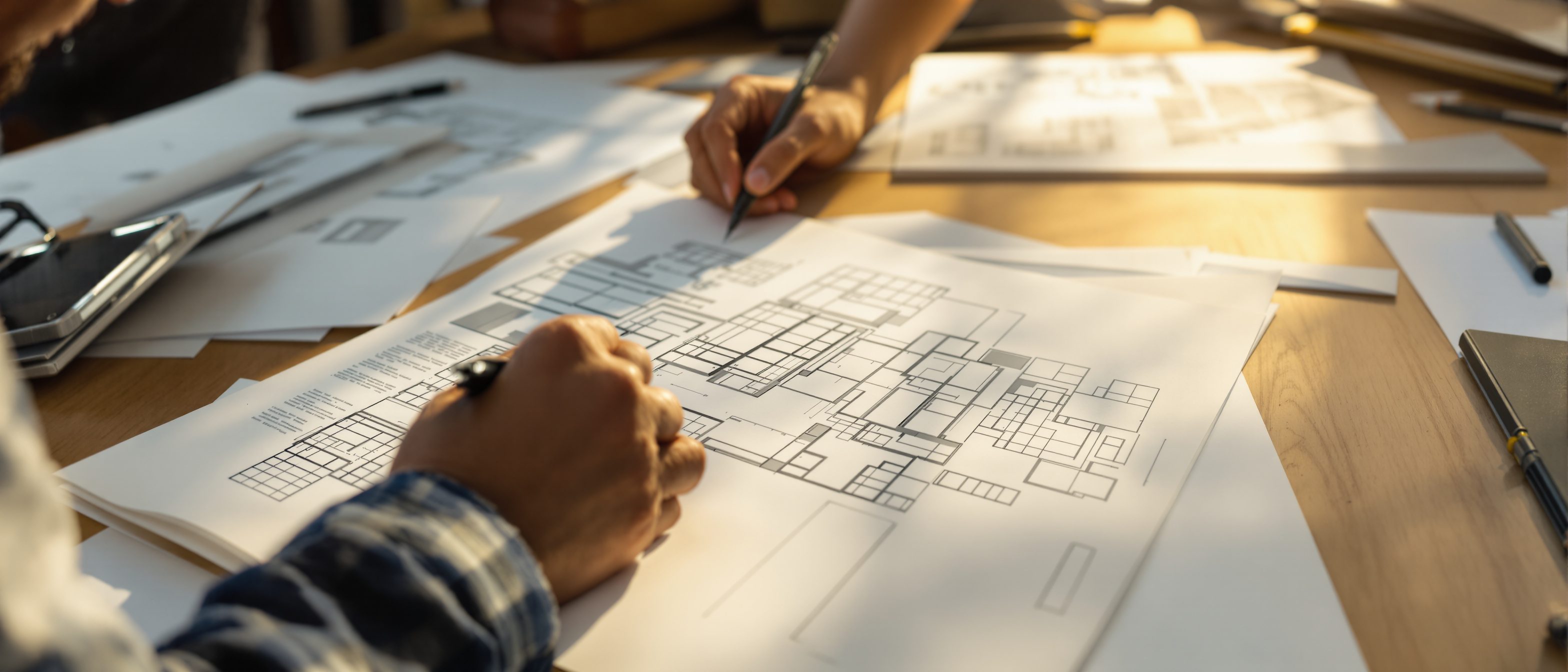
Diagramming & Delineation
From the idea-diagram to the rendered view — and into its site.
Before a model, a diagram; before a presentation, a study. This lesson covers the conceptual diagrams that capture an idea, the drawing systems used to delineate a design, and the photography and montage that set it into its real-world context.
Learning objectives
By the end of this lesson you will be able to — mapped to the course outcomes for Model Making & Architectural Delineation:
Use conceptual diagrams — the parti and the bubble diagram — to capture an idea.
Distinguish the drawing systems — multiview, paraline and perspective.
Choose a view to delineate a particular quality of a design.
Set a design into its context with photography and montage.
Capturing the idea
Two diagrams start a design — the parti (the single big idea) and the bubble diagram (spaces and links). Select a topic.[1]
The big idea
A PARTI (from the French parti pris, ‘decision taken’) is the single organising idea of a scheme, captured in one quick diagram — a spine, a courtyard, a stack. It is the thread everything else hangs from, and the first thing to delineate.[1]
The drawing systems
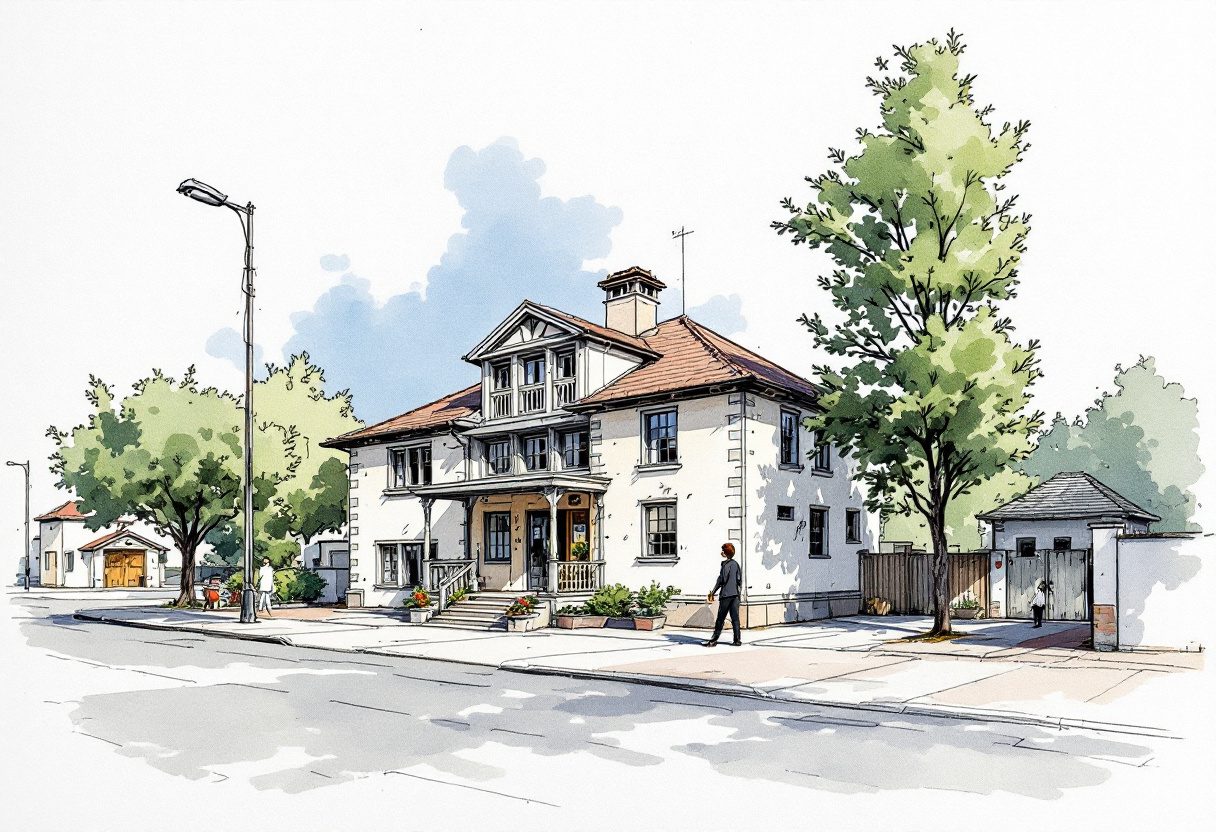
Three systems delineate a design — each trading measurability for realism in a different way.[2]
| System | Keeps | Shows |
|---|---|---|
| Multiview | Measurable, orthographic | Plan, section, elevation — the measured truth |
| Paraline (axo / oblique) | Parallel lines, measurable | Three dimensions, quick to build |
| Perspective | Converging lines (realistic) | How the eye sees it — the persuasive view |
Into the site
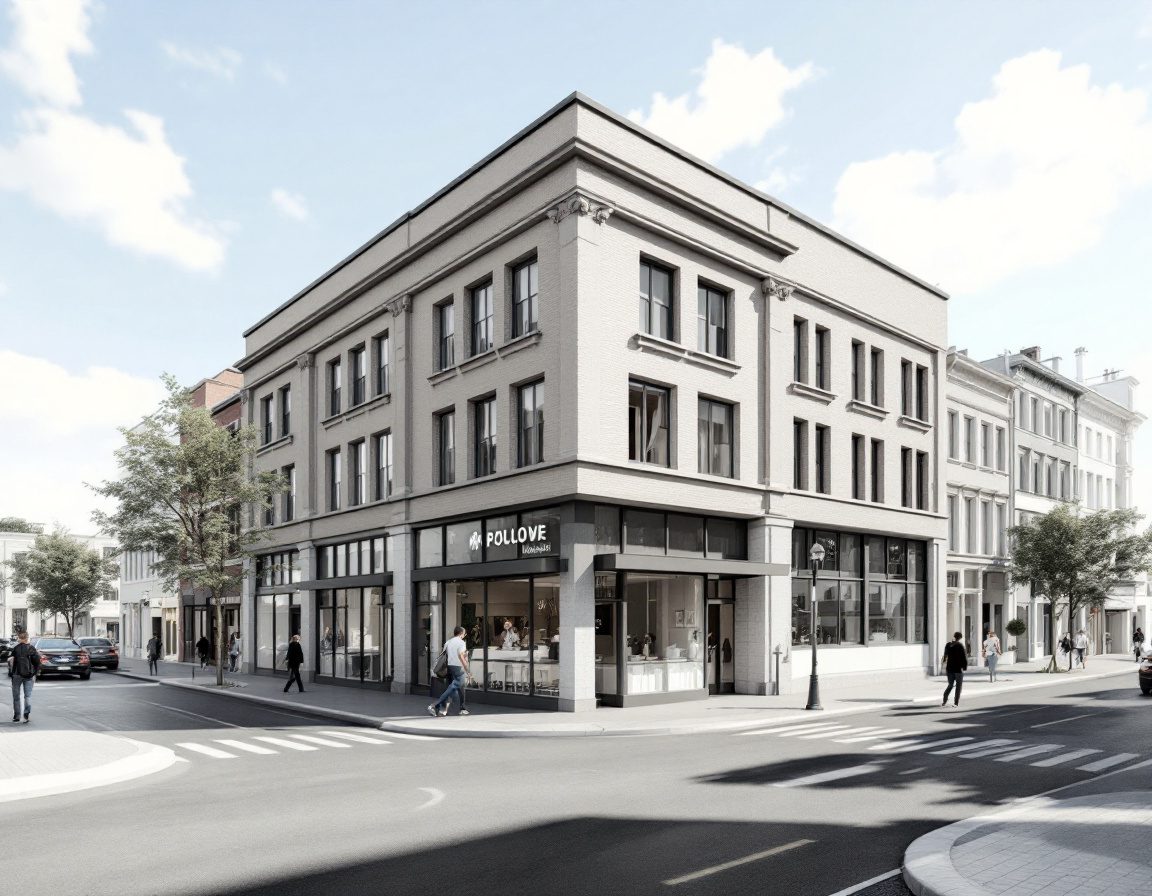
Photomontage drops a design into a photograph of its real site — a key technique from study to presentation.[3]
Self-assessment
1. A ‘parti’ is:
2. Which drawing system keeps lines parallel and stays measurable while showing three dimensions?
3. Photomontage is used to:
Recap
References & further reading
- [1]The architecture parti diagram (and the bubble diagram) — capturing the organising idea. archisoup. https://www.archisoup.com/architecture-parti-diagram
- [2]Drawing systems — multiview, paraline (axonometric/oblique) and perspective. Ching, Architectural Graphics. https://books.google.com/books/about/Architectural_Graphics.html?id=1OkbBgAAQBAJ
- [3]Architectural photomontage — placing a design in its site; the evolution of representation. ArchDaily. https://www.archdaily.com/942862/the-evolution-of-visual-representation-in-architecture
Further reading
- Ching, F.D.K. (2023). Architectural Graphics (7th ed.). Hoboken, NJ: Wiley — the drawing systems.
- Ching, F.D.K. Design Drawing. Hoboken, NJ: Wiley — diagramming and delineation.
- Lin, M.W. (1993). Drawing and Designing with Confidence. New York: Wiley.
Sources gathered and fact-checked June 2026. Published values vary by source, sample and method — treat as indicative and confirm against the cited standard before structural use.
The author
Amogh N P
Architect, interior designer, and creative polymath. Studio Matrx began in his notebooks — his vision of design made honest, useful, and open to everyone. Its Academy is written and taught in his memory, and free, forever.
More about Amogh →