
Northern Renaissance
Classicism crosses the Alps — Inigo Jones brings Palladio to England, and Wren rebuilds London.
Renaissance classicism took roughly a century to cross the Alps, and when it did it mixed with a stubborn late-Gothic tradition, spreading as much through printed pattern books as through travel. In England, true classicism arrived almost single-handedly with Inigo Jones, who had studied Palladio in Italy, and matured with Sir Christopher Wren, the scientist-architect who rebuilt the City of London after the Great Fire of 1666.
Learning objectives
By the end of this lesson, you will be able to — mapped to the course outcomes for History of Architecture III:
Explain how Renaissance classicism spread north of the Alps and why it arrived later and mixed with late Gothic.
Describe the character of the English Renaissance and the role of the pattern book.
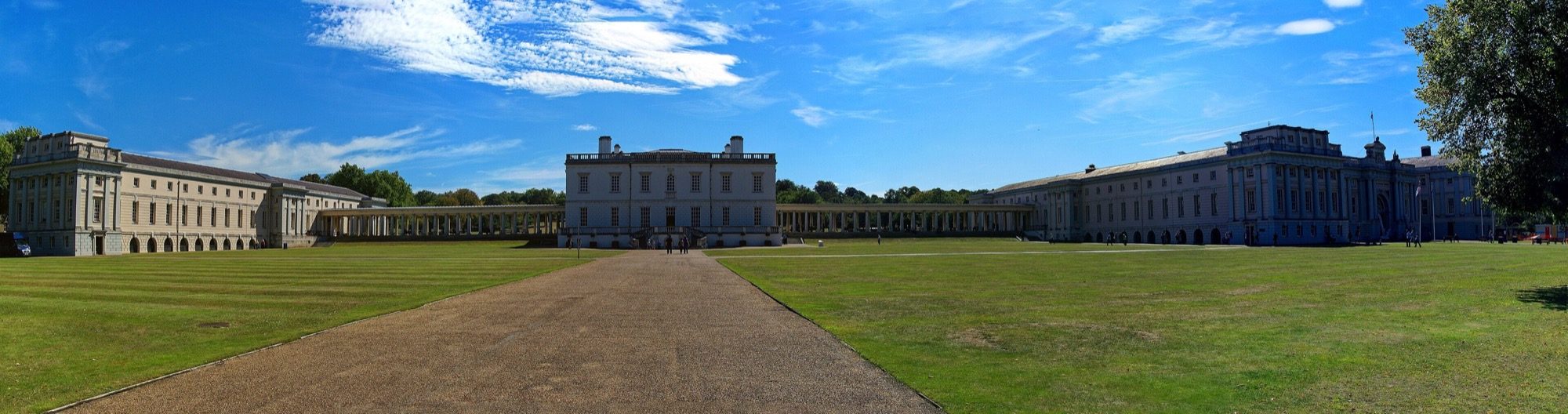
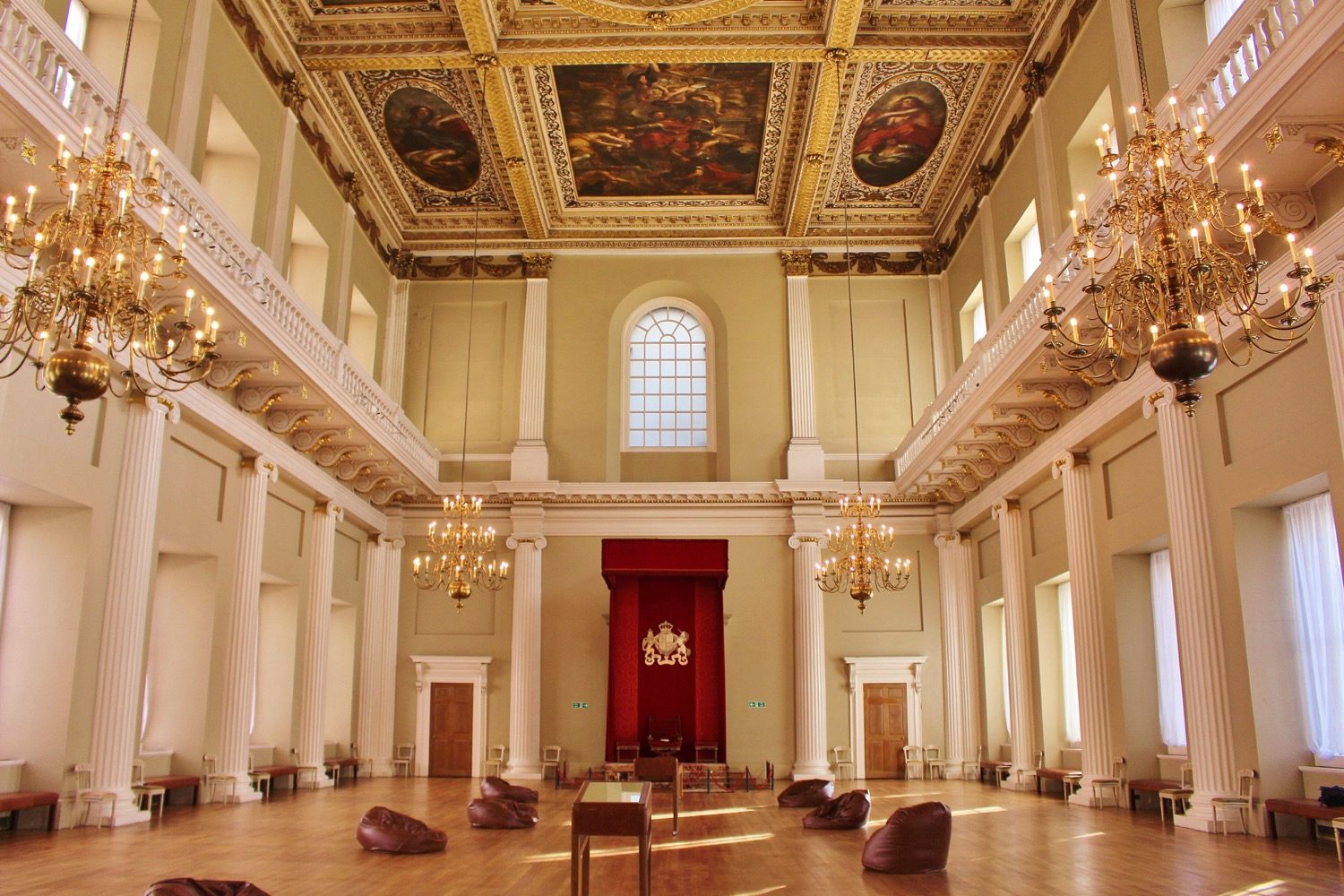
Identify the key works of Inigo Jones — the Queen's House and the Banqueting House.
Assess Sir Christopher Wren's rebuilding of London and his City churches.
Classicism crosses the Alps
North of the Alps the Renaissance came late and layered onto Gothic habit; the illustrated treatises of Serlio and Palladio carried correct classical detail to masons who had never seen Rome. The English version, when it came, favoured sober proportion over continental drama.[1, 2]
A century behind Italy
North of the Alps the Renaissance arrived only from the last years of the 15th century, and it did not cleanly replace the Gothic — classical forms were grafted onto a persistent late-Gothic practice. In England, patrons kept building refined late-Gothic (King's College Chapel) and treated Italian classicism as exotic ornament for decades.[1, 2]
Inigo Jones and Christopher Wren
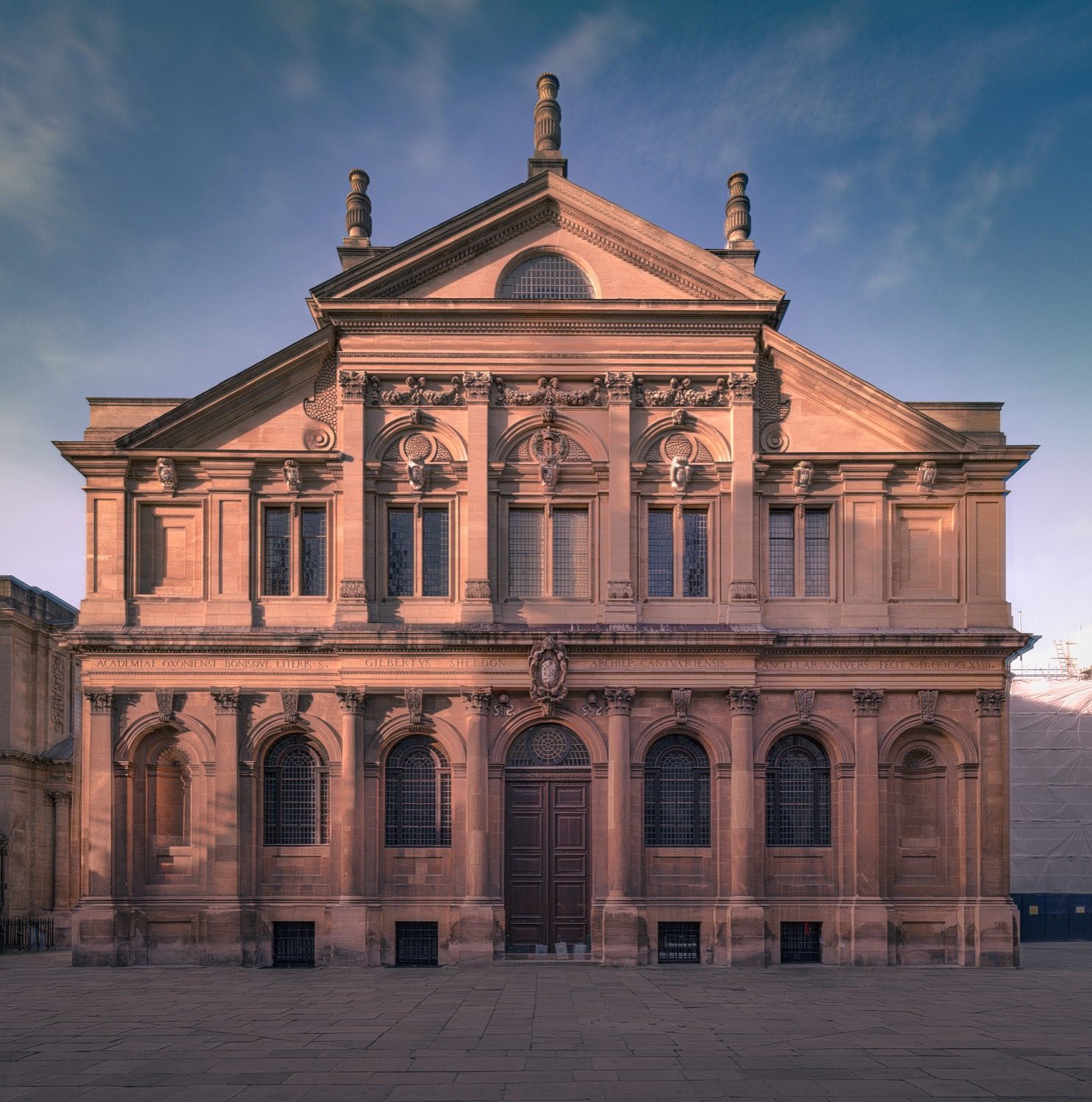
Jones brought Palladian proportion to England — the Queen's House and the double-cube Banqueting House; Wren, after the fire, rebuilt the City with more than fifty churches and St Paul's Cathedral (studied as the Baroque case in the next unit).[3, 6]
Wren rebuilds London
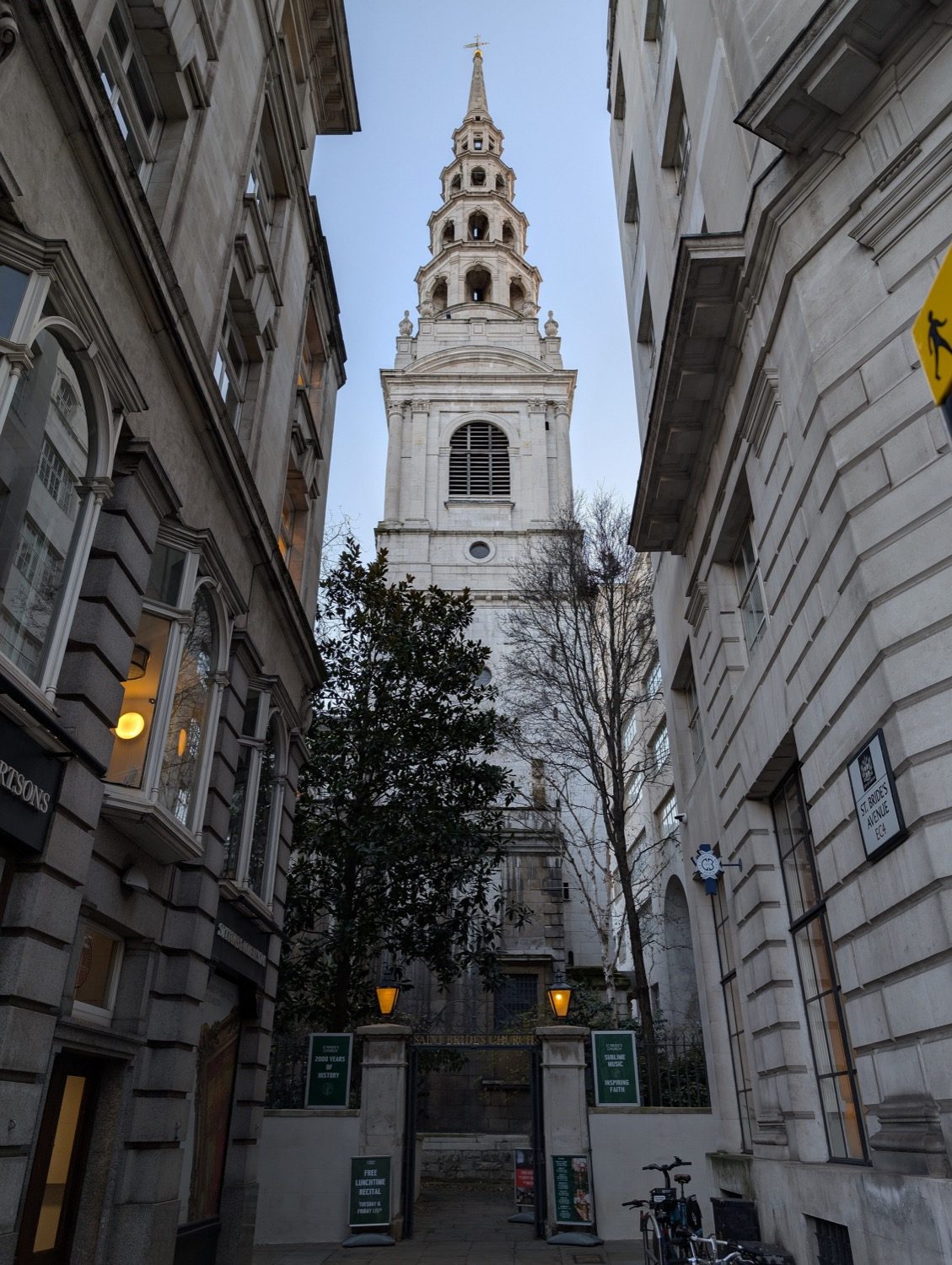
The fire of 1666 gave Wren a city to remake. Amid the dome and twin towers of St Paul's rose more than fifty parish churches, each crowned with a different, inventive steeple — the skyline that defined London for two centuries.[6, 7]
At a glance
| Aspect | One | The other |
|---|---|---|
| Timing | Italian Renaissance: continuous from c. 1420 | Northern Renaissance: arrives ~a century later |
| Relationship to Gothic | Italy: clean classical revival over Roman remains | North: classicism layered onto persistent late Gothic |
| Two English masters | Inigo Jones: pure imported Palladianism, early 17th c. | Wren: scientific classicism turning to English Baroque |
| Temperament | English classicism: sober, proportioned, restrained | Continental Baroque: theatrical, dynamic, dramatic |
| Driver of spread | Travel and direct study (Jones in Italy) | Pattern books in print (Serlio, Palladio) |
Key terms
The symmetrical, proportion-driven classicism derived from Palladio, brought to England by Inigo Jones.
A hall whose length equals twice its width and height — a perfect Palladian proportion (the Banqueting House).
An illustrated architectural treatise (Serlio, Palladio) that spread Renaissance forms north of the Alps.
A roofed entrance porch carried on columns.
A flat, rectangular column projecting slightly from a wall, articulating a classical façade.
A railing of small posts (balusters) under a coping, used on roofs and terraces.
Dressed, often emphasised corner stones that articulate a building's edges.
A tower-and-spire composition crowning a church — Wren's City churches are famous for theirs.
Study task
Sketch the Banqueting House as a double-cube box and label its 1 : 1 : 2 proportion. Then write two lines on why the English Renaissance is described as “late and restrained” compared with Italy — and what role the pattern book played.
Self-assessment
1. Which is regarded as the first strictly classical (Palladian) building in England?
2. The ceiling of the Banqueting House, Whitehall, was painted by —
3. Before becoming an architect, Sir Christopher Wren was distinguished as a —
Recap
References & further reading
- [1]Spiro Kostof, A History of Architecture: Settings and Rituals (2nd ed.). Oxford University Press, 1995.
- [2]Francis D.K. Ching, Mark Jarzombek & Vikramaditya Prakash, A Global History of Architecture (3rd ed.). Wiley, 2017.
- [3]John Summerson, Architecture in Britain 1530–1830 (9th ed.). Yale University Press, 1993.
- [4]The Queen's House, Greenwich — Royal Museums Greenwich. https://www.rmg.co.uk/queens-house
- [5]Banqueting House, Whitehall — Historic Royal Palaces. https://www.hrp.org.uk/banqueting-house/
- [6]Christopher Wren — Encyclopædia Britannica. https://www.britannica.com/biography/Christopher-Wren
- [7]Maritime Greenwich (Old Royal Naval College) — UNESCO World Heritage Centre. https://whc.unesco.org/en/list/795/
Further reading
- John Summerson, Architecture in Britain 1530–1830 — the standard reference for this unit.
- Nikolaus Pevsner, An Outline of European Architecture. Penguin.
- Banister Fletcher's A History of Architecture — the Renaissance-in-the-North chapters.
Sources gathered and fact-checked June 2026. Published values vary by source, sample and method — treat as indicative and confirm against the cited standard before structural use.
The author
Amogh N P
Architect, interior designer, and creative polymath. Studio Matrx began in his notebooks — his vision of design made honest, useful, and open to everyone. Its Academy is written and taught in his memory, and free, forever.
More about Amogh →