
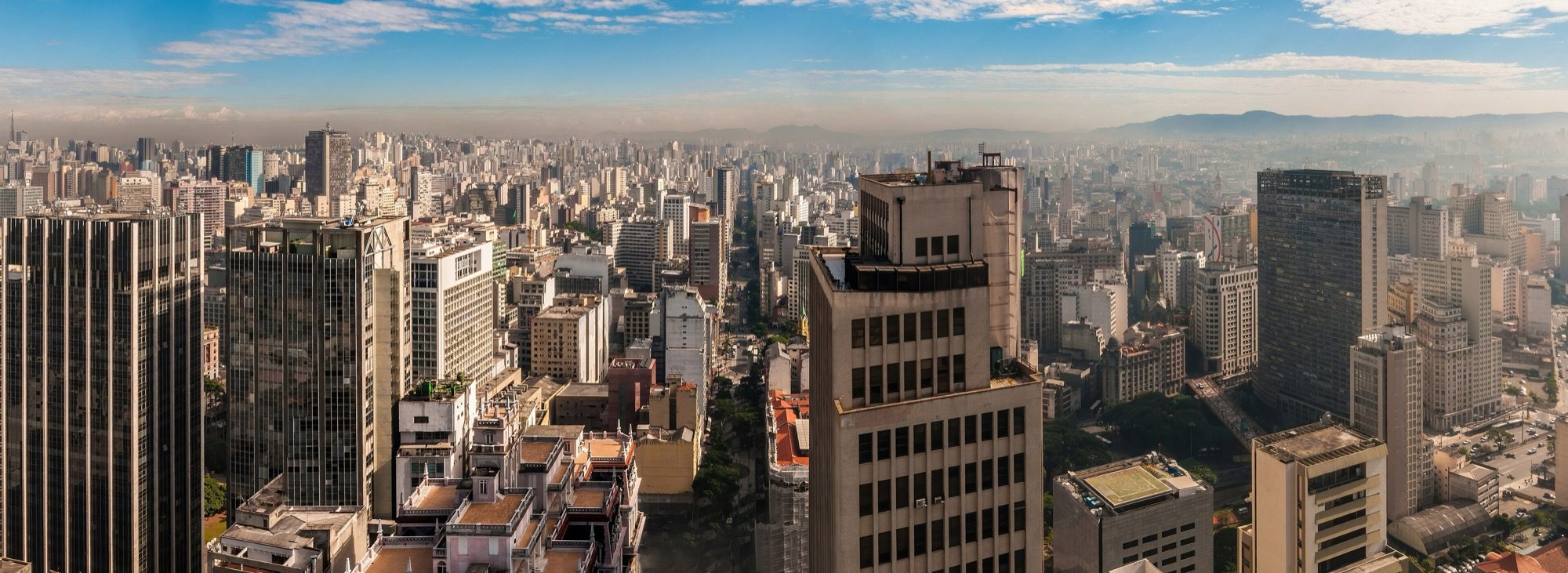
Environmental Pollution & Acts
Air, water, soil and noise — the harm, the cures, and the law.
Pollution is the cost we pay for careless growth — fouled air, water and soil, and the noise of the city. This unit covers the major kinds, their effects and control, the handling of waste, and the framework of Indian environmental law that tries to hold the line.
Learning objectives
By the end of this lesson, you will be able to — mapped to the course outcomes for Environmental Studies in Architecture:
Name the major pollution types and their main causes and effects.
Outline control measures, including solid-waste management.
Recall the key Indian environmental Acts and what each governs.
Judge the role of the individual in preventing pollution.
The kinds of pollution
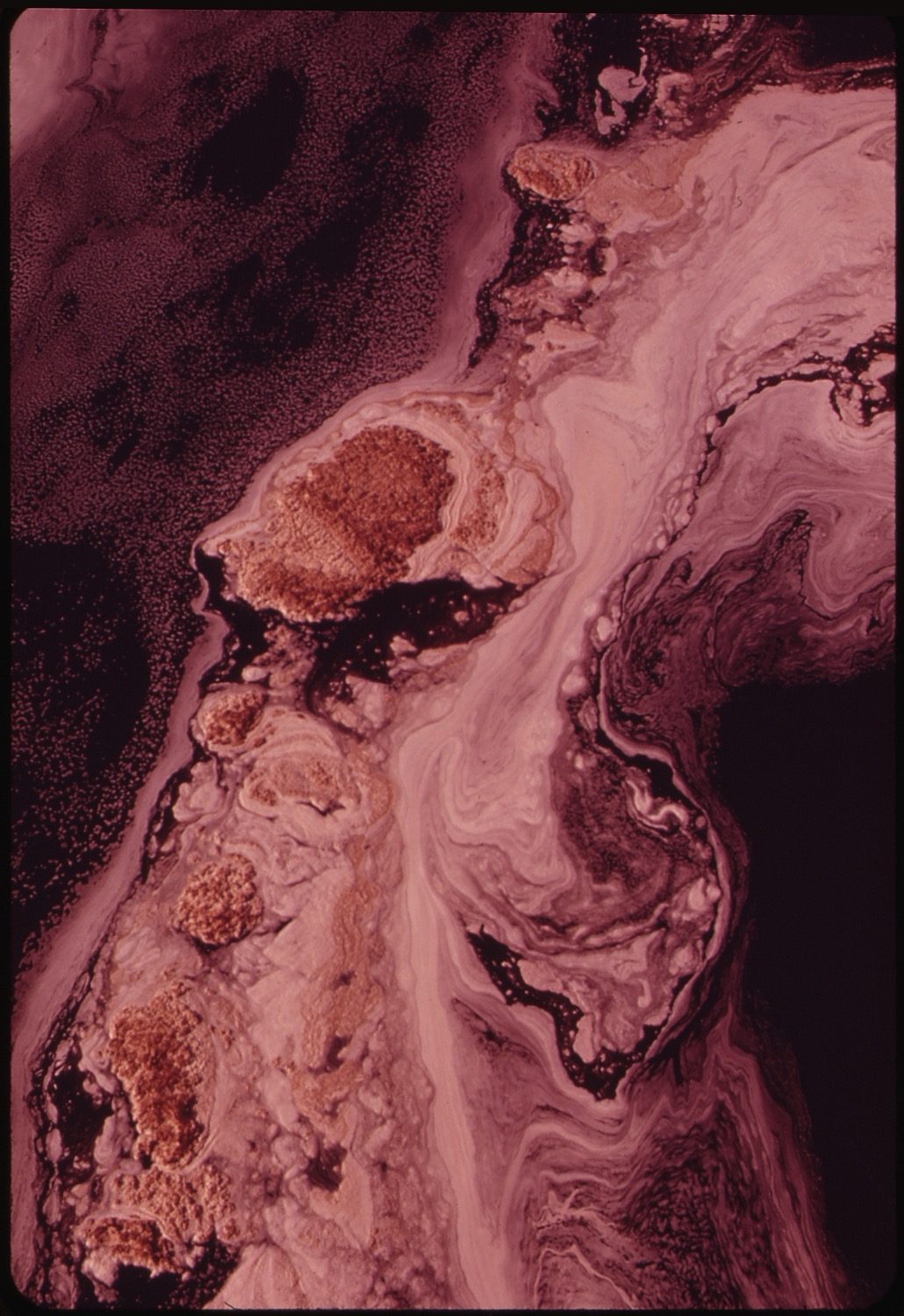
Air pollution (vehicles, industry, dust, burning), water pollution (sewage, effluent, run-off), soil pollution and solid waste (plastics, e-waste), and noise — each with its own causes, health effects and controls. Nuclear hazards are rare but severe.[1, 5]
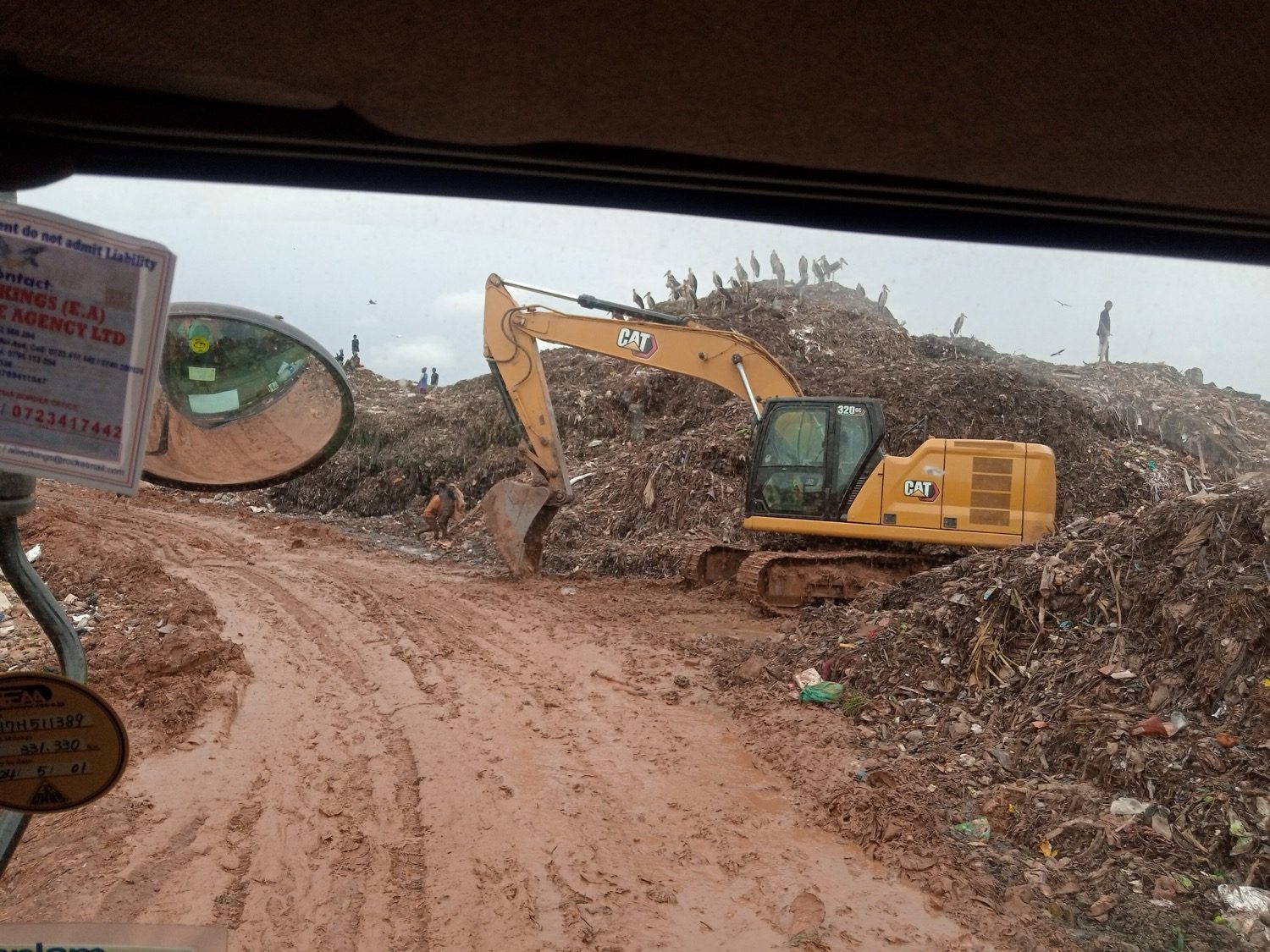
Waste — segregate first
Good solid-waste management starts at home: segregate, then reduce, reuse, recycle and compost, with engineered landfill only for the residue. The first split is biodegradable vs non-biodegradable.
| Aspect | Biodegradable | Non-biodegradable |
|---|---|---|
| Decays naturally | Biodegradable: yes | Non-biodegradable: no (or very slow) |
| Examples | food, paper, garden waste | plastics, glass, metal, e-waste |
| Best route | compost / biogas | reduce, reuse, recycle |
| If dumped | rots, can be composted | persists for decades–centuries |
| Share of bin | ~50% of Indian household waste | the rest — needs segregation |
India's environmental laws
Five Acts form the backbone, from the Wildlife Act of 1972 to the umbrella Environment (Protection) Act of 1986, passed in the wake of the Bhopal disaster.[3]
Wildlife (Protection) Act
Protects wild species; creates national parks and sanctuaries.
Water (Prevention & Control of Pollution) Act
Set up the Pollution Control Boards; controls water pollution.
Forest (Conservation) Act
Restricts the diversion of forest land to non-forest use.
Air (Prevention & Control of Pollution) Act
Controls air pollution; empowers the Boards over emissions.
Environment (Protection) Act
The umbrella Act after Bhopal — broad powers to protect the environment.
Study task
Audit a week of your own waste. Weigh or estimate how much is biodegradable vs non-biodegradable, and propose two changes that would cut the non-biodegradable share. Which Act would govern its disposal?
Self-assessment
1. PM2.5 and PM10 are measures of —
2. Which Act is the 'umbrella' law passed after the Bhopal disaster?
3. The best first step in solid-waste management is to —
Recap
References & further reading
- [1]Anubha Kaushik & C.P. Kaushik, Perspectives in Environmental Studies. New Age International.
- [2]Central Pollution Control Board (CPCB), Government of India — standards and reports. https://cpcb.nic.in/
- [3]The Environment (Protection) Act, 1986; Air Act 1981; Water Act 1974 — MoEFCC. https://moef.gov.in/
- [4]R. Rajagopalan, Environmental Studies: From Crisis to Cure. Oxford University Press.
- [5]Daniel B. Botkin & Edward A. Keller, Environmental Science. Wiley.
Further reading
- Anubha Kaushik & C.P. Kaushik, Perspectives in Environmental Studies.
- Erach Bharucha, Textbook of Environmental Studies (UGC).
- R. Rajagopalan, Environmental Studies: From Crisis to Cure.
Sources gathered and fact-checked June 2026. Published values vary by source, sample and method — treat as indicative and confirm against the cited standard before structural use.
The author
Amogh N P
Architect, interior designer, and creative polymath. Studio Matrx began in his notebooks — his vision of design made honest, useful, and open to everyone. Its Academy is written and taught in his memory, and free, forever.
More about Amogh →