
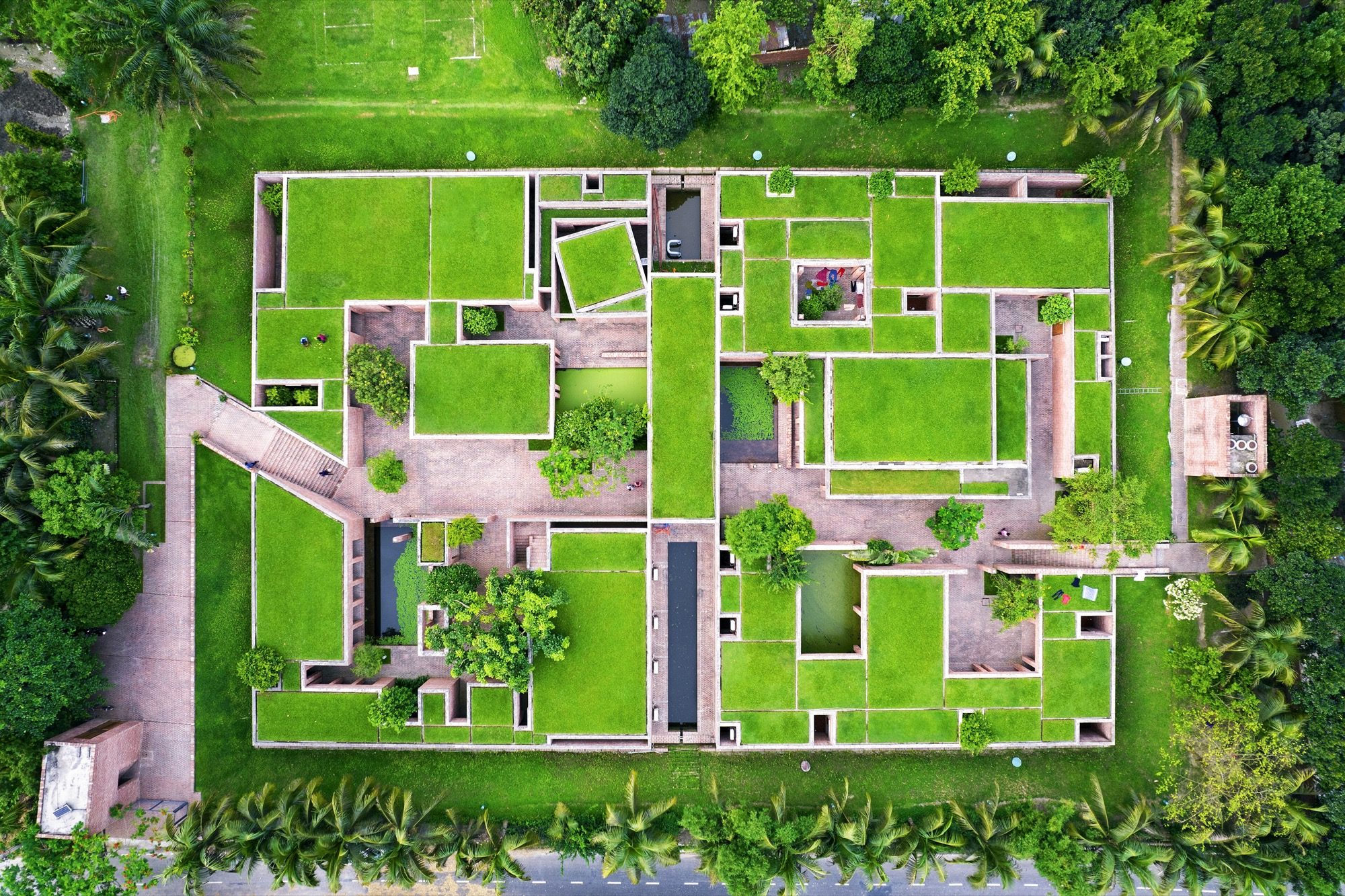
Architecture & the Built Environment
The architect's own subject — sustainability, climate and energy.
Here the course becomes the architect's daily work. Everything before — ecosystems, resources, biodiversity, pollution — converges on one question: how do we build well within the living world? The answer is sustainability: designing with climate, easing the city's heat, and cutting the energy a building consumes.
Learning objectives
By the end of this lesson, you will be able to — mapped to the course outcomes for Environmental Studies in Architecture:
Explain the three pillars of sustainability and how they apply to building.
Describe how climate shapes the built environment and the urban heat island.
Estimate a building's annual energy use and carbon, and how to cut it.
Judge a real building's environmental impact and energy efficiency.
The three pillars
Sustainability balances the environmental, the economic and the social — a green building serves all three, not one at the cost of the others. Climate is the first design input; passive design cuts energy before any machine is switched on.[1, 2]
The urban heat island
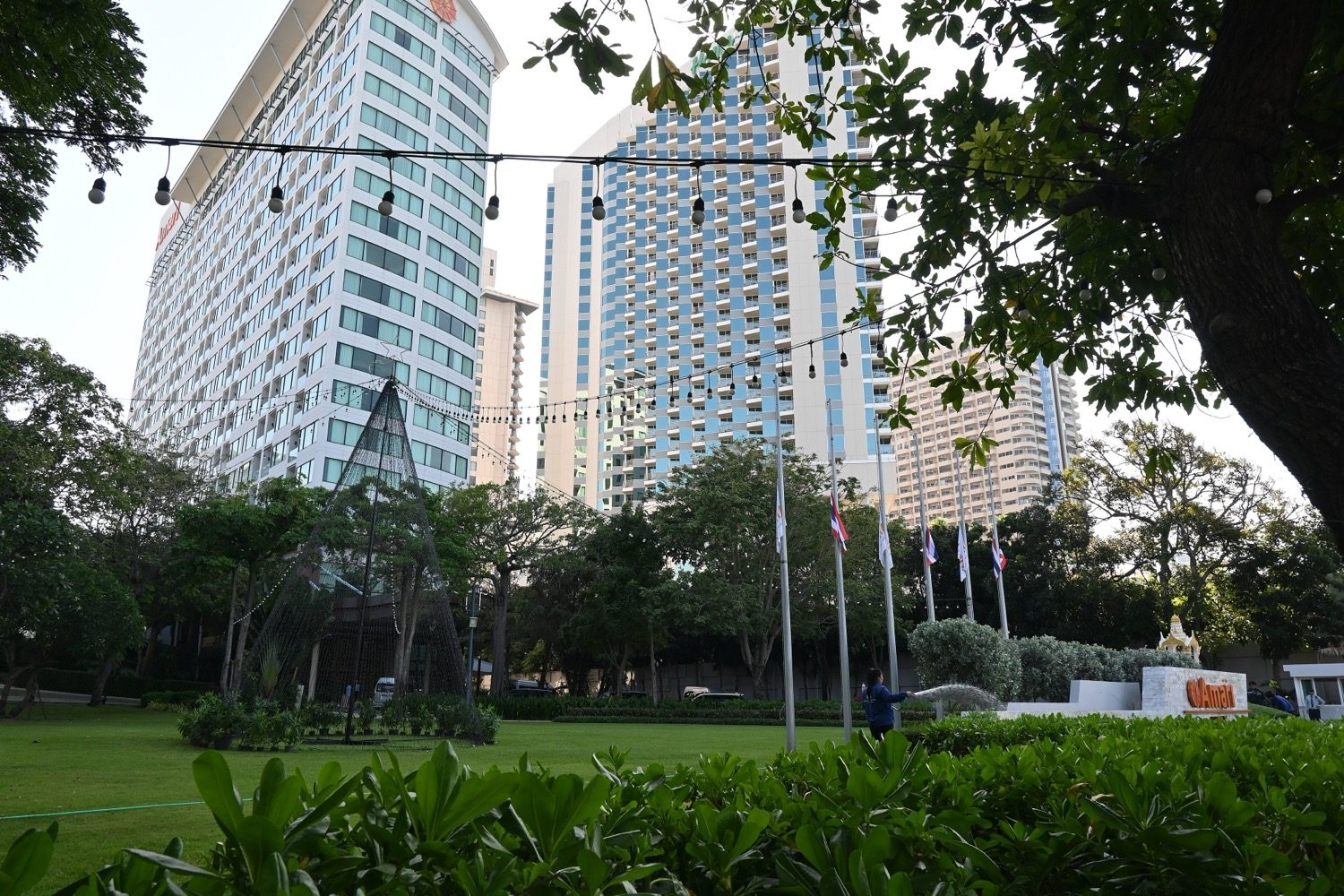
Dense, dark, vegetation-poor cities run several degrees hotter than the countryside around them — the urban heat island. Cool roofs, trees, water and lighter surfaces bring it down.[2, 3]
A building's energy & carbon
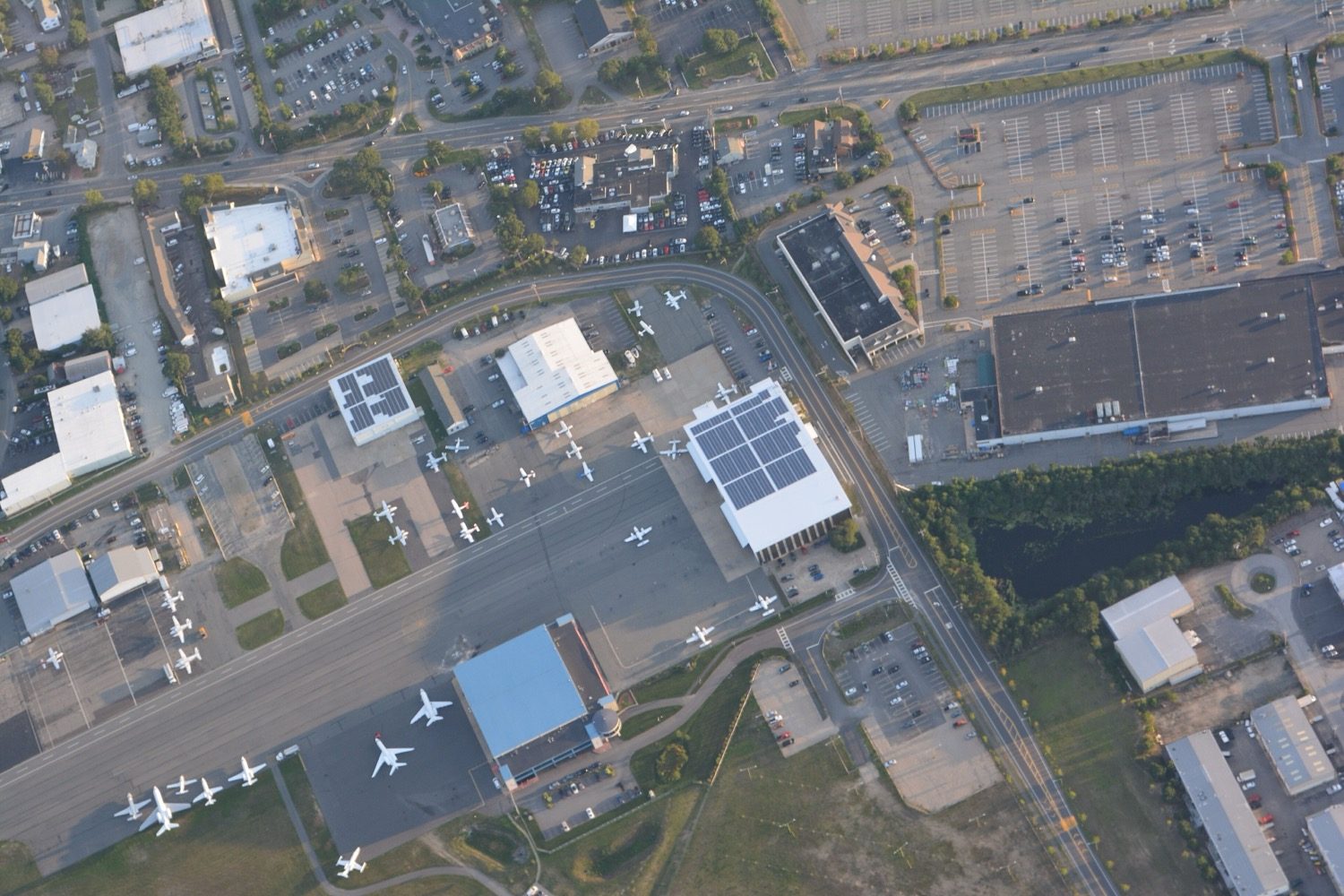
A building's annual energy is roughly its floor area times its Energy Performance Index (EPI); the carbon follows from the grid. Set the area and EPI and see how an efficient, ECBC-class design compares.[3]
Building energy & carbon
Annual energy = area × EPI; carbon = energy × 0.71 kg/kWh (India grid, indicative). An efficient ECBC-class building targets an EPI around 100.
0
Annual energy (kWh/yr)
0.0
Annual carbon (t CO₂/yr)
An efficient design would use about 44% less.
Conventional vs green
| Aspect | Conventional | Green building |
|---|---|---|
| Energy demand | Conventional: high, machine-led | Green: low, passive-first |
| Envelope | thin, poorly shaded | insulated, shaded, daylit |
| Running cost | high (power, water) | low over the life |
| Comfort | depends on HVAC | comfortable passively, most of the year |
| Benchmark | above ECBC baseline | meets/beats ECBC, low EPI |
Study task
Take a building you know and list three passive moves that would lower its energy use — shading, orientation, ventilation, lighter roof, planting. Estimate its energy with the calculator above, then again at an efficient EPI, and note the saving.
Self-assessment
1. The three pillars of sustainability are —
2. The urban heat island effect means that —
3. In Indian practice, building energy efficiency is governed by the —
Recap
References & further reading
- [1]Brundtland Commission, Our Common Future (the origin of 'sustainable development'). Oxford University Press, 1987.
- [2]Arvind Krishan et al., Climate Responsive Architecture: A Design Handbook for Energy Efficient Buildings. McGraw-Hill.
- [3]Bureau of Energy Efficiency (BEE), Energy Conservation Building Code (ECBC). Government of India. https://beeindia.gov.in/
- [4]Anubha Kaushik & C.P. Kaushik, Perspectives in Environmental Studies. New Age International.
- [5]GRIHA Council / IGBC — green building rating references. https://www.grihaindia.org/
Further reading
- Arvind Krishan et al., Climate Responsive Architecture.
- Brundtland Commission, Our Common Future.
- Ken Yeang, Ecodesign: A Manual for Ecological Design.
Sources gathered and fact-checked June 2026. Published values vary by source, sample and method — treat as indicative and confirm against the cited standard before structural use.
The author
Amogh N P
Architect, interior designer, and creative polymath. Studio Matrx began in his notebooks — his vision of design made honest, useful, and open to everyone. Its Academy is written and taught in his memory, and free, forever.
More about Amogh →